
Have you noticed that re-enlistment tests now match the skills we use every day? Since 2025, the military has refreshed its testing to fit today's service members returning to duty.
Think of it like a pilot using the latest instruments to stay on course, a solid, up-to-date plan really makes a difference. These new tests are self-paced, and you even get quick career advice at MEPS (that’s the Military Entrance Processing Station where you start processing for service).
This update means you'll have clear, step-by-step guidance as you plan your future in the military. Read on to learn more about how these changes can work for you.
Current Military Test Updates for Re-Enlistees

Recent changes in our testing policies bring a fresh approach for anyone looking to re-enlist. These updates, introduced in 2025, make sure our tests match modern military needs. Think of it like setting a clear course for a pilot, updated tests help guide you to roles that fit your skills.
The ASVAB is now only given at Military Entrance Processing Stations (MEPS) or approved MET sites. You take the test on a self-paced computer, letting you work at your own speed within set time limits. If you need to retake it, you must wait 30 days between attempts. Now, every testing session at MEPS includes an immediate career counseling session that ties your test results to future opportunities. In fact, many re-enlistees say that quick career advice after the exam can really help in picking a job that suits their natural strengths.
| Change Type | Description |
|---|---|
| Location & Format | ASVAB is now only available at MEPS or approved MET sites, on a self-paced computer. |
| Retake Rules | Applicants must wait 30 days between test attempts. |
| Scoring Updates | New metrics provide clearer results to match recruits with the right roles. |
| Career Counseling | Immediate sessions at MEPS link test performance with future job opportunities. |
These updates work to make the process friendlier and more useful. The aim is to give both recruits and officers clear, objective details about job placement. It is a streamlined system that benefits everyone by ensuring the best roles go to those who are most suited for them.
Revised ASVAB Protocols at MEPS for Returning Personnel

Now, you’ll take the ASVAB only at MEPS or approved MET sites using a self-paced computer. This setup creates a calm, controlled space so you can work through the test without feeling watched over, kind of like planning a smooth operation under a clear night sky.
If you need to retake the exam, you must wait 30 days before trying again. That pause gives you plenty of time to review your performance and sharpen your skills, just like a quick break before a training drill turns uncertainty into solid confidence.
Right after you finish the ASVAB, you’ll sit down for a career counseling session at the same spot. A counselor will go over your results to help match you with roles that suit your strengths. Think of it as getting a clear game plan for your next move, just like a seasoned leader mapping out a strategy. For more details on how the ASVAB helps re-enlistees, check out "What is the ASVAB" (https://militaryaptitudetests.com?p=176).
Updated Fitness Benchmarks for Re-Enlistees

We’re rolling out new fitness standards that match the real work you do day in and day out. For example, if you’re 17–21, you now need to do 42 push-ups instead of 40 and 53 sit-ups instead of 50. The two-mile run got a bit more challenging too, it’s now 15:54 instead of 16:00. Plus, new tests like pull-ups and a shuttle run have joined the lineup to check your strength and agility.
These tweaks build on what you already know about keeping in shape and add fresh elements to push your endurance and power. The small increases in reps and shorter run times mean you’re training for the tougher demands of our modern missions. The pull-up and shuttle-run drills help evaluate different muscle groups and movement skills so you’re ready for all kinds of challenges. It might be a good idea to look into a military fitness plan that fits these targets.
| Test Component | Old Benchmark | New Benchmark |
|---|---|---|
| Push-ups | 40 reps (ages 17–21) | 42 reps (ages 17–21) |
| Sit-ups | 50 reps | 53 reps |
| Two-mile run | 16:00 | 15:54 |
| Pull-ups | Not administered | New assessment |
| Shuttle run | Not administered | New assessment |
Medical Screening Test Updates Impacting Re-Enlistees
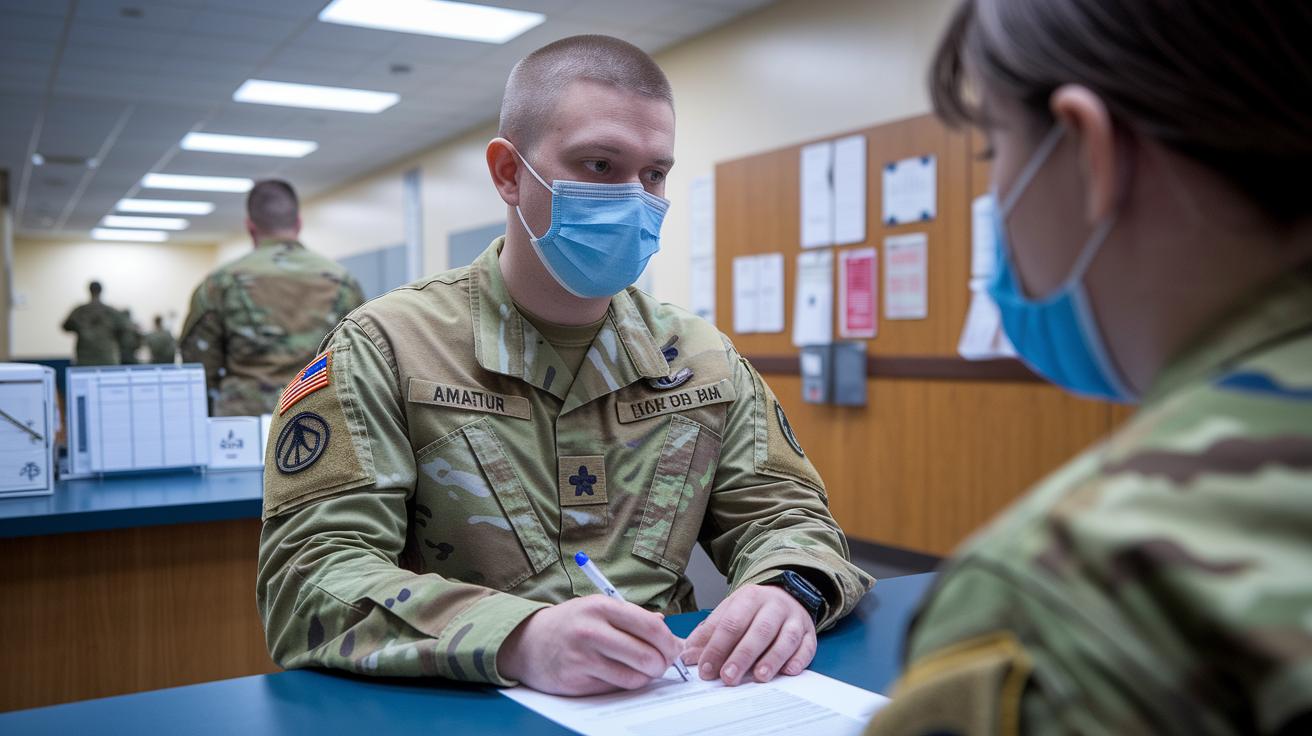
We’ve got some changes in the medical screening rules that could affect your re-enlistment. New guidelines now let you apply for a waiver if you have certain hearing or vision issues, if you can show proper treatment or documentation, that is. Basically, this means that not all issues rule you out for good.
The updates put extra focus on vision and hearing checks. Now, if you're looking to re-enlist, you'll need to bring updated vaccine records along with your paperwork. This move is all about keeping our force healthy and ready. So, if you've had minor issues with your hearing or vision, there’s a chance you could get a waiver.
Also, the health questionnaire has gotten a makeover. It now covers more about muscle, bone, and breathing conditions to give a fuller picture of your health. It’s a good idea to get all your documents ready early so things can move along smoothly during the re-enlistment process.
Changes in Advanced Screening and Cognitive Assessments

The military has updated its thinking tests to match real-life challenges and prove you’ve got what it takes for modern missions. They’ve tweaked the AFQT sections, specifically Arithmetic Reasoning and Word Knowledge, to focus more on everyday math and word skills. Plus, there’s a new section that checks how you handle pressure (like staying calm during a tough field exercise). These changes help show exactly how you perform under stress.
They’ve also added questions based on real-world situations. These new scenario-based items push you to make quick decisions like you would on the job. And the test now uses adaptive sequencing, meaning it adjusts the order of questions based on your answers. This makes the test feel fairer by checking both your quick thinking and careful judgment when it matters most.
- Revised AFQT subtest weightings
- New stress tolerance scenarios
- Scenario-based decision-making questions
- Adaptive sequencing for question order
- Extra time for tougher questions
These improvements make the test a better tool to spot your strengths and match you with roles where steady decision-making and keeping cool under pressure are key.
Tactical Fitness Exam Innovations for Returning Service Members

The fitness exam now includes obstacle-course challenges that look a lot like real combat moves. You'll be running through setups that mimic urban settings, jumping over barriers, and switching direction quickly, just like dealing with the chaos of actual combat. These activities build your mobility and balance, so you can keep moving even when the pressure is on. Imagine training on a rugged field, where every step gets you closer to being ready for any challenge.
We've also added a new CasEvac drill. In this part of the exam, you'll practice moving an injured teammate out of harm's way. This drill tests both your speed and care when under pressure. It shows just how important teamwork and keeping your eyes on the situation are when every second counts.
Time standards for both loaded and unloaded ruck marches have been updated too. The new guidelines call for quicker marches while carrying different loads. This change is all about boosting your endurance and strength, making sure every service member is ready for the physical challenges of modern missions.
Enhanced Endurance and Stress Tolerance Assessments
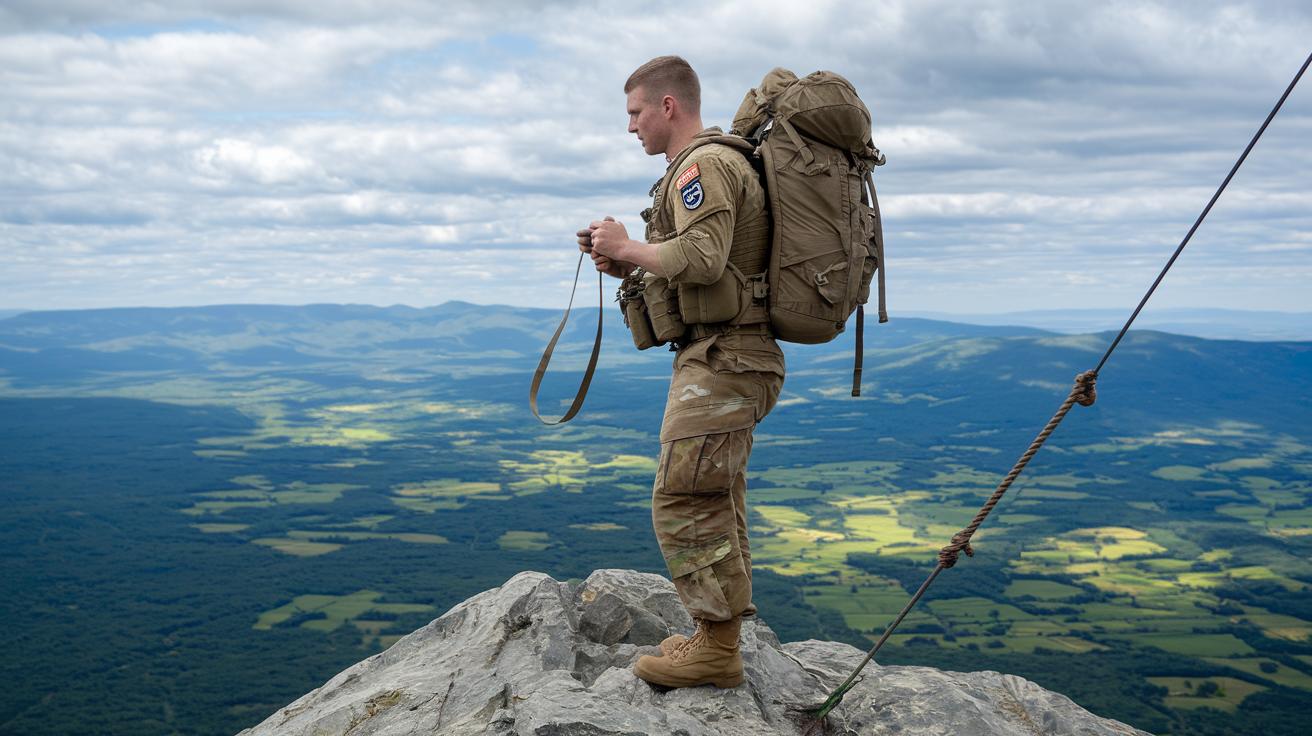
We’ve added new physical endurance events for re-enlistees who need to show they’re ready in every way. The ruck march now stretches to 12 miles with a 45-pound pack, really pushing your stamina and strength. There’s also a 30-minute rope climb endurance event that tests your upper body strength and grip as you battle fatigue. Imagine marching along with the weight of your pack reminding you of every step, and then facing a timed rope climb that mirrors the tough demands of field operations.
We’ve also updated the mental resilience part with a simple 1-to-10 scale that gives you a clear picture of your stress tolerance. New stress scenarios mimic high-pressure situations where you have to make quick decisions while under physical strain. Think of it like a drill that tests not only your physical grit but also how well you keep your cool when every second counts. These updates make sure every re-enlistee is measured for both body and mind, ready to meet the challenges of modern military life.
Modifications to Combat and Tactical Skill Evaluations

Urban operations training is now part of your combat skill evaluations. These live drills set up real city battle scenes where you navigate tight corridors, duck behind solid cover, and make quick decisions, just like on an actual mission. It’s all about being ready for moments when every second counts.
Marksmanship tests have been revamped too. You now have 25 seconds for each shooting series instead of 30. This tighter timing pushes you to focus and act fast, much like the pressure you’d feel in the field. It turns routine practice into real-world training under pressure.
A new digital scoring system now gives you immediate feedback. Right after each series, you can see your results and quickly spot where you need improvement. This upgrade ditches the old paper method and lets you adjust your skills on the fly, making every practice session a real chance to get better.
Eligibility Regulation Refinements and Waiver Processes

The Army, Navy, and Air Force have updated how they sort out RE codes. Now, service members are grouped like equipment before a mission: some fully qualify, some qualify with a waiver, and others are permanently disqualified. It’s all about making sure every piece meets the criteria.
Your local recruiter now handles waiver applications straight away. Imagine sitting down with your recruiter like you would plan a field operation, going over every detail to make sure nothing is missed. This change cuts through paperwork delays and makes the process work smoother.
The window for appealing a RE code decision has been shortened from 90 to 60 days. This means you get a quicker final decision, just like getting the all-clear before a drill. With these updates, you can quickly address any issues and get back to your duties with confidence.
Military test updates for re-enlistees: Fresh Changes

Start your prep by setting aside regular time with official ASVAB practice materials and MET-site mock exams. Think of these drills like everyday warm-ups before the main event. Go over practice tests and sample questions to spot areas where you might need a bit more revising. It’s like rehearsing a mission, each run-through builds up your confidence for the real test day.
Boost your physical training by updating your workouts to match the new fitness benchmarks. Add in extra push-ups, sit-ups, or adjust your run times to meet the latest standards. Approach your training like a live exercise. Every set you complete makes you more ready to handle the changes with steady determination and grit.
Keep your mind sharp with stress-management drills before any cognitive or psychological screenings. Try exercises like deep breathing, visualization, or even a quick mindfulness break to calm your nerves. Picture it as pausing during a mission to reorient yourself. This little mental reset can help you stay focused and cool under pressure.
If you have a RE-3 or RE-4 code, sit down with your recruiter to go over waiver options and eligibility steps. Just like reviewing a mission plan, go over your DD‑214 details together. Your recruiter can explain the necessary appeals or waivers and offer advice to strengthen your case for re-enlistment.
Final Words
In the action, this post outlined the latest exam changes for re-enlistees. We covered updated ASVAB procedures, new physical benchmarks, and revised medical screening along with cognitive and tactical evaluation shifts. It even broke down preparation tips that can really boost confidence and readiness. Each update aims to keep training practical and aligned with current requirements. Keep at it, military test updates for re-enlistees mean you're more prepared than ever for the challenges ahead.
FAQ
Can you rejoin the military after an honorable or general discharge?
Rejoining the military after an honorable discharge is generally allowed if you meet current standards. For a general discharge, reentry may require waivers and an administrative review by your branch.
How long can you be out of the Army before having to redo basic training or before re-enlisting?
The duration out of service may affect your training status. Extended absences can mean additional retraining or repeating basic training, so check local guidelines with a recruiter for the most current requirements.
What is the cutoff age to rejoin the military?
The cutoff age to rejoin depends on the branch and specific role. Meeting all physical, cognitive, and administrative standards is crucial, and age limits vary, so consult current service guidelines.
What are the details of the new Army reenlistment policy and bonus programs?
The new Army reenlistment policy includes updated criteria that review performance and career plans. Bonus programs reward skill retention, with guidelines adjusted for current force needs across roles.
What do the Army reclass list, RETAIN system, and overstrength MOS list 2025 involve?
These tools manage force structure by aligning personnel skills with service needs. They set updated classification guidelines, adjust retention efforts, and help determine eligibility for specific roles in line with current requirements.
What disqualifies you from reenlistment?
Disqualifiers include missed medical or fitness benchmarks, behavioral issues, and failure to meet updated testing standards. Review current regulations closely to understand all potential factors that could block reenlistment.