
Ever wondered what a complete overhaul in military testing looks like? New orders are rolling out to make sure we check our troops in ways that are tougher yet fairer. Defense Secretary Pete Hegseth explained these changes at Marine Corps Base Quantico, telling us the goal is tougher responsibility and tests that mirror real-world missions. Think of it like tuning up a finely balanced engine. Each update smooths out the rough spots and gets our teams ready for the challenges we face today. Overall, this system change has a lot of us feeling hopeful about meeting the needs of modern defense.
military testing procedures overhaul news Sparks Optimim

On September 30, 2025, Defense Secretary Pete Hegseth called together a group of top officers at Marine Corps Base Quantico in Virginia. Generals, admirals, and others at the O-7 level and above were all there to learn about 10 new directives aimed at overhauling military testing and evaluation policies. These changes target stricter accountability and higher performance standards for Active Duty, Reserve, and Guard troops.
The new directives mark a clear shift in how tests are conducted. They lay out updated protocols for operational assessments and trial methods. Hegseth made it clear that these updates aren’t just skin-deep. They’re a thoughtful overhaul meant to create a testing process that’s both transparent and focused on real results, kind of like tweaking your training schedule to better match the demands of an actual mission.
Each directive is crafted to put measurable outcomes in the spotlight, so every part of military readiness will be looked at in a new way. Think of it like fine-tuning a well-oiled machine: every adjustment ensures that our testing stays rigorous, fair, and up-to-date with the modern needs of defense. Service members are feeling optimistic about these changes, which promise to set improved standards and better prepare them for the challenges they face today.
Breakdown of structural trial improvements and protocol adjustment report
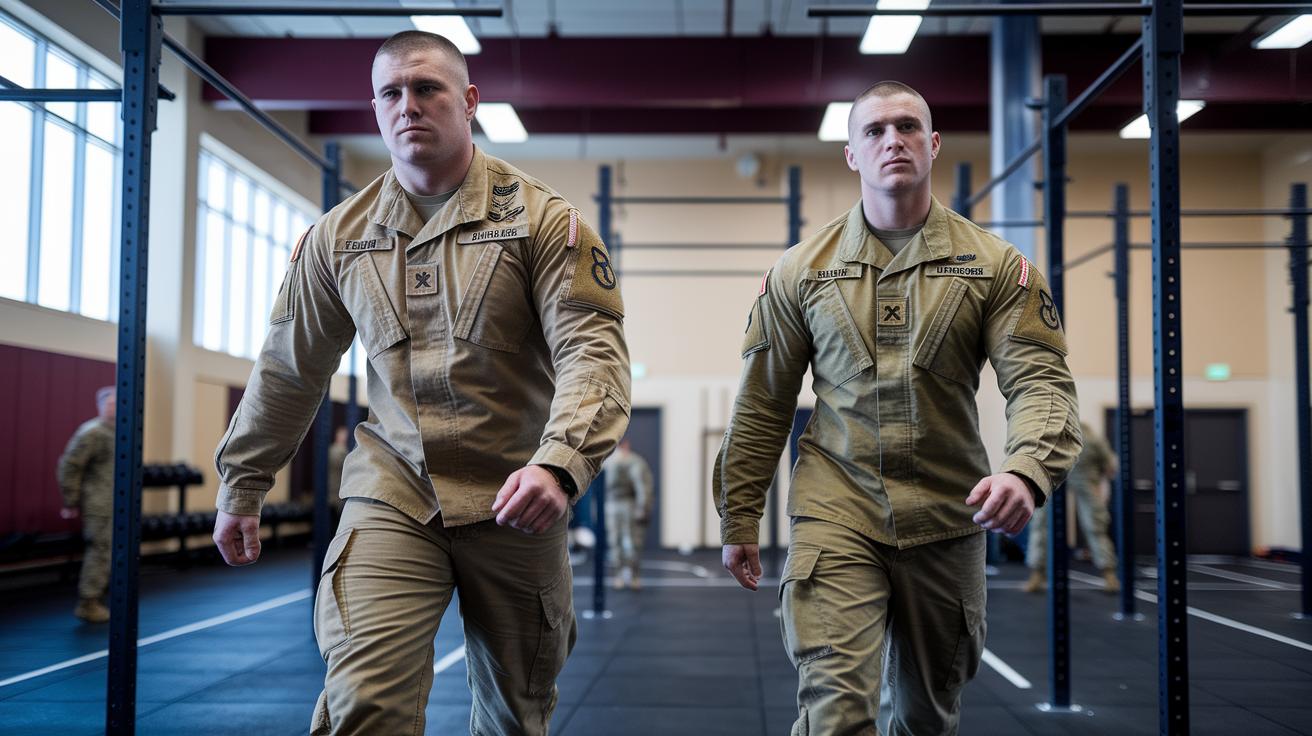
Defense Secretary Pete Hegseth has rolled out fresh guidelines that change how our testing is done. These updates aim to make sure every check is thorough and fair. The new plan has been closely reviewed with risk assessments to be sure each step works well.
• Updated physical fitness standards: Service members now do daily PT and complete two gender-neutral tests that check overall fitness. Think of it like a drill that pushes your endurance under real-life conditions.
• New grooming regulations: The new rules ban facial hair and unusual mustaches. This helps everyone look the same during inspections, keeping things clear and uniform.
• Overhauled equal opportunity and harassment processes: These changes help create a safer workplace by speeding up how complaints are submitted and handled.
• Revised Inspector General procedures: Better steps have been set up for investigating misconduct, fraud, and abuse. This means issues get looked into quicker and more thoroughly.
• 60-day deadline for branch secretaries: Every branch has just two months to update their policies on standards, curricula, and appearance. This tight timeline moves us toward faster improvements and on-the-spot compliance.
This overhaul is a big step toward clear and strict testing practices. Have you ever noticed how top officers used to face strict physical tests and strict uniform rules before reaching their positions? Now, all these changes work together to build a fair and consistent system that boosts overall readiness.
Timeline and systematic process review for military testing overhaul

Branch secretaries have just 60 days starting September 30, 2025 to hand in new ideas for standards, course content, and grooming rules. Meanwhile, the Pentagon will carefully check each submission. They’ll review every proposal one by one to update the rules and set the course for future military testing.
The aim is to have all the final compliance measures in place by the end of 2025, with a pilot test kicking off in early 2026. Think of it like a training drill where every move is planned and then double-checked for results.
This review process will make procedures uniform across all service branches and boost overall performance. It’s a clear plan to fit each new rule into our big picture of military readiness.
| Phase | Activity | Deadline |
|---|---|---|
| Phase 1: Proposal | Branch secretaries submit updated policies | Nov 29, 2025 |
| Phase 2: Review | Pentagon boards evaluate and refine proposals | Jan 15, 2026 |
| Phase 3: Pilot Roll-out | Initial adoption of revised tests and protocols | Mar 1, 2026 |
Changes in overhauled evaluation standards and quality control changes

We recently updated our evaluation standards and quality control steps to keep our tests both fair and clear. Our new approach supports solid physical evaluations while adding tools like automated score checks, digital trackers, and common scoring rules. Think of these updates as handy gadgets, much like a pilot who gets real-time data to guide every move.
We also run standard checks to make sure every result is accurate and open. For more details on these military test updates, visit our latest update on military test protocols: https://militaryaptitudetests.com?p=1802
Reform-driven testing headlines: Expert insights on military testing procedures overhaul news

Defense analysts are looking at the new changes with cautious optimism. They believe the higher fitness benchmarks could really boost overall readiness. Still, they worry that these tougher standards might stretch training resources too thin. One analyst mentioned that better readiness sometimes comes with a cost, especially when time and resources are tight.
Legal experts are also bracing for a shift to more rigorous audits. With the updated protocols, expect compliance checks to ramp up. This extra layer of review should help make sure everyone sticks to the new rules, but it might also bring on some challenges as everyone adjusts quickly.
Service leadership will share their feedback after the 60-day proposal window closes. Early hints point to more tweaks coming, especially with regard to appearance and conduct. Some veterans say there could be temporary disruptions as units work to meet these stricter standards.
A few key observations have emerged:
| Observation | Implication |
|---|---|
| Elevated physical standards | Better performance, but training resources might be stretched thin |
| Tighter legal oversight | Units may face challenges adapting to tougher compliance checks |
| Possible further refinements | Feedback from leadership could lead to more tweaks in the guidelines |
These insights highlight the balancing act between improving readiness and managing the demands on resources and oversight.
Final Words
In the action at Quantico, leaders announced sweeping changes that reshape military testing procedures overhaul news. The new directives cover fitness standards, appearance rules, and updated evaluation measures, all aimed at boosting readiness. A clear timeline guides proposals, reviews, and pilot rollouts. Quality control improvements and expert insights make the overall process fairer and more efficient. These shifts support service members with enhanced fitness and mental clarity while building confidence for their military careers. Stay positive and keep training strong.
FAQ
How are Congress and the Senate changing DoD contractor evaluations?
This change means that Congress and the Senate are working to remove bias from contractor reviews. Their efforts focus on updating CPARS ratings to help provide fair and objective ratings.
Will there be a DoD hiring freeze or contractor cuts in 2025?
Reports indicate that plans for a DoD hiring freeze and contractor cuts in 2025 are under consideration. These measures aim to tackle budget concerns and streamline contractor oversight.
What changes are coming to the Army’s physical training test in 2025?
The Army’s updated PT test includes two gender-neutral standards and daily routines to ensure fairness. This new format is designed to support all service members with consistent benchmarks.
Why is Gen Z not joining the military?
Gen Z chooses not to join in large numbers due to shifting lifestyle interests and uncertainties about evolving military standards. Their decision reflects a changing attitude toward traditional service roles.
Who is Pete Hegseth?
Pete Hegseth is the Defense Secretary who recently gathered senior generals and admirals to announce 10 new directives. His leadership highlights a drive toward improved fairness and accountability in military testing.