
Have you ever felt your heart race like a drum when you face a military exam? It is a common feeling that many of us experience, making it hard to focus.
I remember a time when I took a short, timed quiz. That quick test helped turn my fear into confidence by showing me that the challenge was not as scary as it first appeared.
During military tests, it is normal to feel on edge. Simple actions, such as taking a deep breath or pausing for a moment, can help calm your mind.
In this post, I share clear and practical tips that help you take control and feel empowered. With these steps, you can approach any exam with a steady and confident mindset.
Immediate Steps to Lower Exam Anxiety
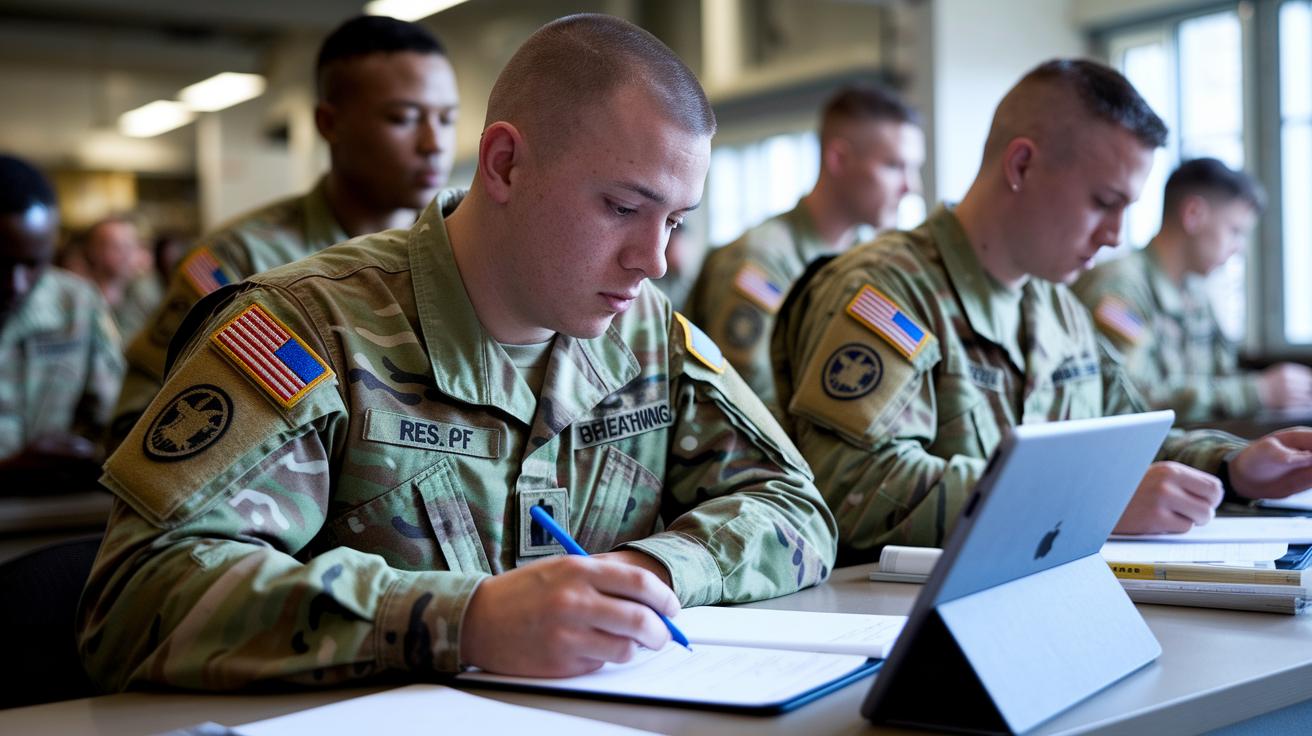
Feeling nervous before an exam is normal, especially in the military. But you can take charge. Try a few short practice tests to get a feel for the exam’s setup. I remember once doing a 10-minute quiz that made the real test seem much less scary.
Take a moment to breathe. Simple deep-breathing exercises work well, inhale slowly for four counts, hold for four, then exhale for four. This little trick can help shut down panic fast.
Also, don’t forget to pause during your studies. Short breaks can keep you from getting overwhelmed by all the new info. Make sure to sleep 7 to 9 hours a night and ease up on caffeine to keep your focus steady.
These basic steps can lower your anxiety quickly and help you maintain control over your test performance. You’re ready to face the exam with a clearer, stronger mindset.
Identifying Causes of Exam Anxiety in Military Tests

When you're gearing up for a military exam like the ASVAB (a test of how well you think), the pressure can feel heavy. Many candidates worry about failing because these tests shape your future role. In fact, research shows that 8 out of 10 first-time ASVAB takers don’t pass, which makes the stakes feel even higher. This eye-opening stat reminds us why it’s so important to have clear ways to handle stress.
One big worry is not knowing how the test is set up or scored. Without a clear idea of the format, it's easy to let doubt creep in; you might start thinking you're not cut out for the challenge even before you begin. And then there's the ticking clock. When time is short and expectations soar, even a simple question can seem like a major hurdle.
You've probably felt it too, the nagging thought that one bad score could steer your career in a different direction. Breaking the exam down into parts and learning how scoring really works can ease those fears. For example, taking some time to understand military exam scoring systems (explained in simple terms on our site) can clear up what’s expected and help reduce that nagging uncertainty.
Building a Structured Study Plan to Reduce Military Test Anxiety

A good study plan takes the edge off test fears. Picture it like a mission where you have clear goals and timed drills. When you create a simple schedule with set goals, deadlines, and breaks, you can tackle your studies step by step. For example, plan your day like a strategy meeting before a drill, every time slot gives you a chance to grow more confident.
Mix in timed practice sessions with different types of questions to keep your mind sharp. Whether you’re trying out various question styles or working on full-length practice tests (mock exams), these drills get your brain ready for test day.
Group study works wonders too. Chatting over tough topics with your fellow recruits can ease the feeling of isolation and help break down hard material. I’ve seen comrades share quick tips on tricky problems during short breaks, a little boost like that makes a big difference.
A balanced study plan isn’t just about working hard; it’s also about taking time to catch your breath. Plan for short, regular breaks. Even a five-minute pause to clear your head can stop mental fatigue in its tracks.
Here are five key parts of a solid study plan:
- Goal-setting milestones and deadline mapping
- Timed quizzes and full-length mock exams
- Rotation of subjects to keep things fresh
- Group review sessions for shared learning
- Planned breaks with relaxation techniques
Mindfulness and Relaxation Techniques for Military Test Anxiety

Deep Breathing Exercises
Try slow, deep belly breathing to calm your mind in minutes. Place one hand on your chest and the other on your belly, then breathe in slowly through your nose so you feel your stomach expand. Exhale gently through your mouth. This simple method sets off your body’s natural calm response, cutting stress before or during the test.
Progressive Muscle Relaxation
Work through your muscles one by one, from your toes up to your head. Squeeze a group of muscles for a few seconds and then release. This helps ease built-up tension and clears your mind, even when the pressure is on.
Visualization Techniques
Picture yourself nailing the exam. Imagine answering each question with confidence and seeing positive results. This mental rehearsal builds your assurance and shifts your focus away from worry, helping you stay composed during the test.
Short Meditation Sessions
Take a quick 5–10 minute break for mindfulness. Find a quiet spot to sit, focus on your breathing, or repeat a calm mantra. These short sessions help you reset your mind so you can conquer tricky questions with a steady, empowered focus.
These simple techniques are key tools to manage stress during exam prep and while taking the test. Practice them daily to boost your mental clarity and confidence, you’ve got this.
Physical and Lifestyle Practices to Alleviate Military Test Anxiety

Regular exercise is like a quick reset for your brain. A brisk 20-minute walk or some light strength training can lower stress and boost your body’s natural feel-good chemicals. It’s like warming up for a drill, a short run clears your head and gets you ready for what comes next. Have you ever noticed how a quick jog in the morning sets a positive tone for the day?
Eating well is just as important. Fill your plate with whole grains, lean protein, and drink plenty of water to keep your energy level steady all day long. Think of it like fueling up before a long field exercise; the right food helps you stay sharp under pressure. Keeping a few healthy snacks like nuts or fruit nearby during study breaks can keep you alert without weighing you down.
Don’t forget about sleep. A full 7 to 9 hours of rest gives your brain the time it needs to absorb new information and reduce stress. Skip those last-minute study sessions that can ruin your sleep, a little extra shut-eye is part of the training routine. And on test day, cutting back on caffeine can help you avoid jitters that might throw off your concentration.
Balancing your study sessions with these healthy habits not only strengthens your body but also keeps your mind calm and confident during intense military tests.
Simulated Military Test Drills to Conquer Exam Anxiety

Try fitting full-length, timed practice exams into your study sessions. They help you get used to the exam’s pace and show you which parts slow you down. For example, imagine finishing a practice test and thinking, "Section two took too long, I'll speed up next time."
Add in some group mock sessions with your comrades. When you practice together, share your timed scores and swap tips. A buddy might mention, "I finish section three quicker by reading the question twice," and that idea might work wonders for you too. These drills not only lighten the pressure but also add some real team support.
Finally, take time to review each drill to fine-tune your approach. Look at your overall timing, pinpoint where you can move faster, and discuss tweaks with your team. This detailed review turns every practice drill into a solid part of your study plan, helping reduce exam anxiety for good.
Final Words
In the action, we've covered quick stress relief steps, pinpointed what stokes anxiety before military exams, and mapped out a study plan that keeps you on track. Small breathing techniques, mindful breaks, and peer drills were highlighted to build both mental and physical sharpness.
Every bit of advice is aimed at overcoming exam anxiety in military tests. Keep pushing forward with structured practice and healthy habits to boost your confidence and test readiness. Stay positive and mission-focused!
FAQ
What does overcoming test anxiety PDF provide?
The overcoming test anxiety PDF provides clear, step-by-step techniques to calm nerves before an exam with tips like deep breathing, structured study sessions, and realistic practice drills.
What does a test anxiety presentation cover?
The test anxiety presentation covers practical methods and simple visuals that explain relaxation techniques, effective study habits, and stress relief strategies to improve exam focus.
How do strategies for test anxiety help high school, elementary, and middle school students?
The strategies for test anxiety help younger students by breaking down calming exercises and easy activities that build confidence and steady nerves during tests.
How does reducing test anxiety benefit college students and others?
The approach to reducing test anxiety benefits college students and similar age groups by offering quick stress relief tips, like short deep-breathing sessions and clear study plans to keep nerves in check.
What do test anxiety article PDFs offer?
Test anxiety article PDFs provide researched and practical guidance that compiles effective coping methods, from mindfulness practices to strategic study routines, making exam challenges more manageable.