
Ever felt the pressure rise when you face quick math questions on a military test? Picture easing that tension with simple, gut-driven methods instead of getting tangled in tough calculations.
In this guide, we share fast, handy tactics like rounding numbers, breaking them into smaller parts, and spotting number patterns you already know. These tricks work like drills for your brain, boosting your speed and confidence just when you need it most.
Are you set to see how these easy techniques can change your test results? Keep reading to find out how quick mental math can really sharpen your skills.
Top rapid arithmetical tactics for quick military test mental calculation
One smart tactic is estimation. That means rounding numbers to a close, simple figure and then mentally adjusting back to get the exact value. It’s like when you quickly figure a tip by rounding up instead of doing long division. This approach helps build confidence in your mental math, so you can rely on your instincts during a tough test.
Another useful tactic is chunking. You break big, hard-to-manage numbers into smaller, friendlier pieces, like grouping supplies during an inventory check. This method keeps you calm under pressure and speeds up your calculations, making it ideal for timed tests where every second counts.
A third key strategy is to practice common number patterns again and again, think doubling or halving. Repeating these patterns trains your brain to spot shortcuts without needing a calculator. If you’re ready to start, try these quick steps:
| Step | Action |
|---|---|
| 1. | Practice rounding numbers regularly |
| 2. | Break down complex figures into simple chunks |
| 3. | Memorize common multiplication and addition patterns |
| 4. | Time yourself on quick arithmetic drills |
| 5. | Review your mistakes to boost accuracy |
Using these methods will build the speed and precision you need for military tests and everyday decision-making. Keep practicing, trust your instincts, and you’ll be ready when it counts.
Core concepts of speed numerical methods and mental math fundamentals
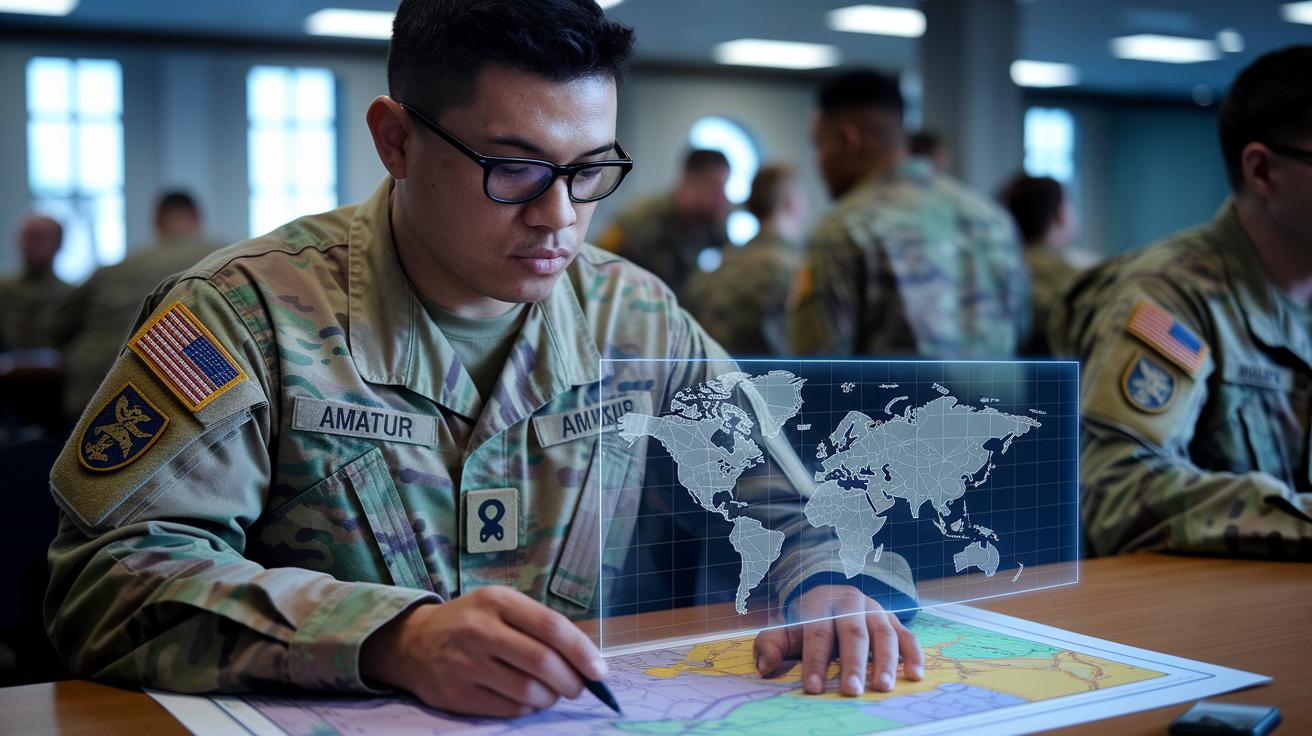
Fast and accurate mental math can save you a lot of time during military assessments. It strengthens your quick thinking (cognitive evaluation) and builds your number skills, just like training drills build your physical strength. When you practice these techniques regularly, you’re setting up a strong foundation that helps with both field readiness and everyday decisions.
Think of visualization as making a clear picture of numbers and operations in your mind, like mapping out a battle plan before heading out. Chunking is breaking down a big problem into smaller, manageable parts, much like splitting tasks among teammates during exercises. Pattern recognition means spotting familiar number sequences or recurring results, which can speed up your work because you’ve seen them before.
- Practice multiplying single digits.
- Work through simple add and subtract drills.
- Try quick rounding challenges.
- Do small mental division exercises.
- Tackle problem sets that are split into bite-sized pieces.
- Look for patterns in multi-digit calculations.
These exercises are like your training drills for fast number crunching. Consistent practice sharpens your numerical reasoning and improves your speed in making decisions, an essential skill during military entry and on the frontlines. As you refine these skills, you'll notice quicker insights and maintain the mental sharpness you need in high-pressure situations.
Memory aids and mnemonic techniques for accelerated cerebral calculations
Mnemonic tricks can help you do mental math faster by linking numbers to images or patterns you already know. Think of it as a mental filing system that saves you time when you're pulling facts from memory. For example, you might picture numbers as familiar objects or even attach a personal memory to them, turning dull digits into bright images you grab onto quickly.
These techniques lighten the load on your brain. By switching raw numbers into memorable symbols or routines, your mind can work faster, kind of like instantly recalling your unit's drill commands. This simple tie between numbers and memories means you can remember things better and respond quickly when every second counts.
Here are some methods you might use:
| Method | Description |
|---|---|
| Chunk notation | Break large numbers into smaller parts you can handle easily |
| Story linking | Create a quick story that connects the numbers in a sequence |
| Visual imagery | Imagine the numbers as objects or symbols that stand out |
| Rhythmic repetition | Repeat the numbers in a steady beat or pattern until they stick |
| Acronym creation | Build a word from the first letters of each number |
When you're facing big tests, these techniques can really turn the tide. They help you create a clear mental map and recall facts quickly so you can solve arithmetic problems with confidence, even under pressure. So next time you're crunching numbers, try out one of these ideas and see how it makes a difference.
Timed practice drills harnessing fleet mathematical reasoning under pressure

Timed drills are your best way to boost quick math skills when the clock is ticking. There are three main types you can try. First, flash drills force you to solve simple arithmetic in seconds. Next, simulation sessions mimic real military test conditions so you get used to handling pressure. Finally, problem sets with set time limits challenge you to work with both speed and accuracy. Each drill builds your mental agility and prepares you for tests or even on-the-job challenges.
Set a strict time block whenever you practice. Start with easy calculations and gradually increase the difficulty. Use a timer so you never lose track. Once you’re done, review your answers right away to learn from any mistakes.
Tracking your progress is like jotting down notes after a field drill. Write down your accuracy and timing for every session. Adjust the challenge by reducing your allotted time or switching up problem types. Maintaining a careful balance between speed and precision is key. Regular, focused practice builds the sharp decision-making skills you need, both in test situations and real-life tasks. There aren’t any shortcuts here , only steady practice, review, and progress lead to mastery.
Applying tactical math sprint to real-life military assessment scenarios
Quick mental math isn't just for the classroom, it’s your toolkit out on the field. Imagine figuring out fuel loads during a supply drop or quickly estimating how much ammunition you need. These fast tricks cut out the time spent on long calculations. It’s like running through a smooth drill, where every step helps you make sharp decisions even when the pressure is on.
Think of it this way: making split-second math decisions is a lot like trusting your gut during a mission. Whether you’re mapping out artillery range or double-checking the load of mission-critical supplies, these skills are key. Quick mental arithmetic keeps you in top shape for frontline tasks by making sure you respond fast and accurately. It’s a methodical approach that hones your quick-thinking skills and keeps you ready for any challenge.
Examples include:
- Calculating ranges during live-fire exercises
- Balancing loads for logistical operations
- Adjusting targeting based on distance estimates
- Computing fuel consumption for transport units
- Managing time during physical training drills
- Verifying ammunition counts in simulated combat situations
Running through these exercises regularly turns practice drills into real-world readiness. When you trust your instincts and sharpen your mental agility, you’re set to make the right call when the moment demands it.
Time management and optimized intellect agility in quick mental calculation

Military tests demand that you work fast and stay precise. A daily mental math routine builds speed and lets you rely less on scratch paper.
- Set a fixed time for focus. For example, I use a 15-minute timer each morning for quick drills to get my mind in gear.
- Check your work quickly to catch mistakes before they add up.
- Break problems into small steps so you can tackle each part faster.
- Mix up your practice topics to challenge different parts of your brain.
- Add tough drills to sharpen your focus, especially when the pressure mounts.
These techniques help boost your mental math skills and train your brain to work efficiently, even under stress. In truth, dedicated practice makes all the difference on test day.
Final Words
In the action, we explored rapid arithmetical tactics, core numerical methods, and memory aids to sharpen your mental math skills. You learned how to practice under pressure with timed drills that simulate real field conditions and how to build lasting confidence through consistent repetition. These strategies not only boost your speed but also enhance mental clarity for everyday decisions. Keep applying these quick mental calculation strategies for military tests, and you'll see steady gains in your test readiness and overall preparedness.
FAQ