
Have you noticed the military exam looks different these days? The testing world has moved quickly to serve today’s service members better. Now, exams change as you answer questions, almost like a smart tool guiding you along your path. New scoring methods and a fresh fitness test add extra challenges while also opening more opportunities for recruits. In this post, we break down these updates and explain what they mean for your future in the military.
Comprehensive Overview of Recent Changes in Military Exam Structure
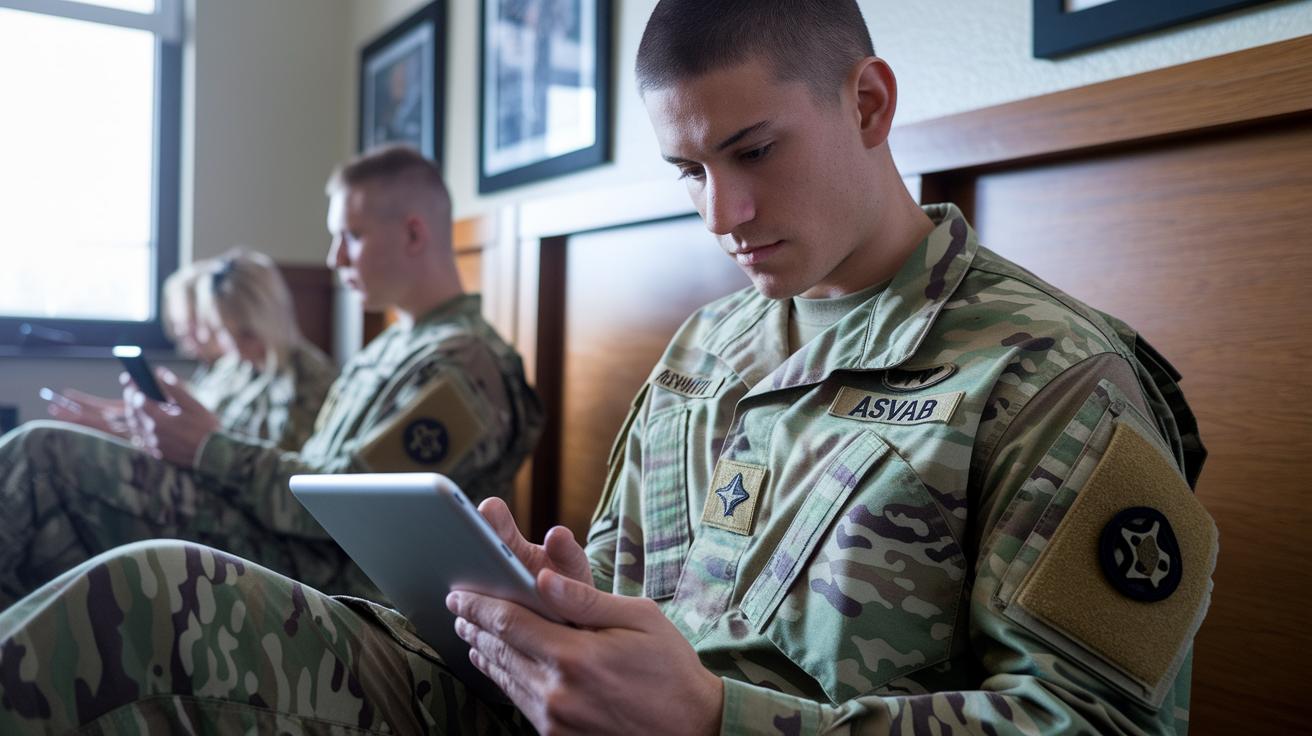
Back in 2024, the ASVAB got a big update. They cut down the minimum score requirements for many parts, while keeping the tougher scores for technical and leadership jobs. This means more recruits now have a shot at qualifying without lowering the high standards needed for specialized roles. Plus, the exam now uses computer-adaptive testing, so service members can tap into digital tools like mobile apps and online courses. Whether you're studying on base or from home, getting ready for the test is easier and more flexible than ever.
Then, on June 1, 2025, the old Army Combat Fitness Test was replaced with the new Army Fitness Test. This change came after an 18-month study by the RAND Corporation that reviewed nearly one million test runs. The new fitness test features five key events that check your strength, endurance, and balance. And on September 30, 2025, during the Secretary of War’s Quantico address, ten new directives were rolled out. These fresh rules update exam formats, grooming standards, and accountability processes across the military. Overall, these changes mark a significant shift in how service members get evaluated.
Revised Cognitive and Entrance Exam Formats Reflecting Recent Changes in Military Exam Structure

The ASVAB now runs on a computer-adaptive system that kicked in back in 2024. In plain terms, the test changes its questions based on your previous answers, making each part quicker and more to the point. They even lowered some score requirements to help more folks join, though tougher scores are still a must for top tech and leadership roles. Think of it like switching from an old paper map to a smart, real-time GPS, it keeps you moving in the right direction.
Now, digital learning tools have taken center stage. Service members can use interactive modules, handy mobile apps, and online practice tests along with regular classroom lessons. It’s a mix that lets everyone, from newbies to seasoned pros, review tough topics at their own pace. Picture a soldier using a quick break to go over practice questions; it turns downtime into smart study time.
New exam sections now cover cybersecurity basics and critical thinking skills. These parts are aimed at those heading into technical or leadership roles, ensuring they’re ready for specific Military Occupational Specialties (jobs). Overall requirements have been eased to welcome more candidates, but the high standards for advanced roles still stand. It’s like a drill that sharpens both your mind and your problem-solving skills right on the spot.
Overhauled Army Fitness Test Under the Recent Changes in Military Exam Structure
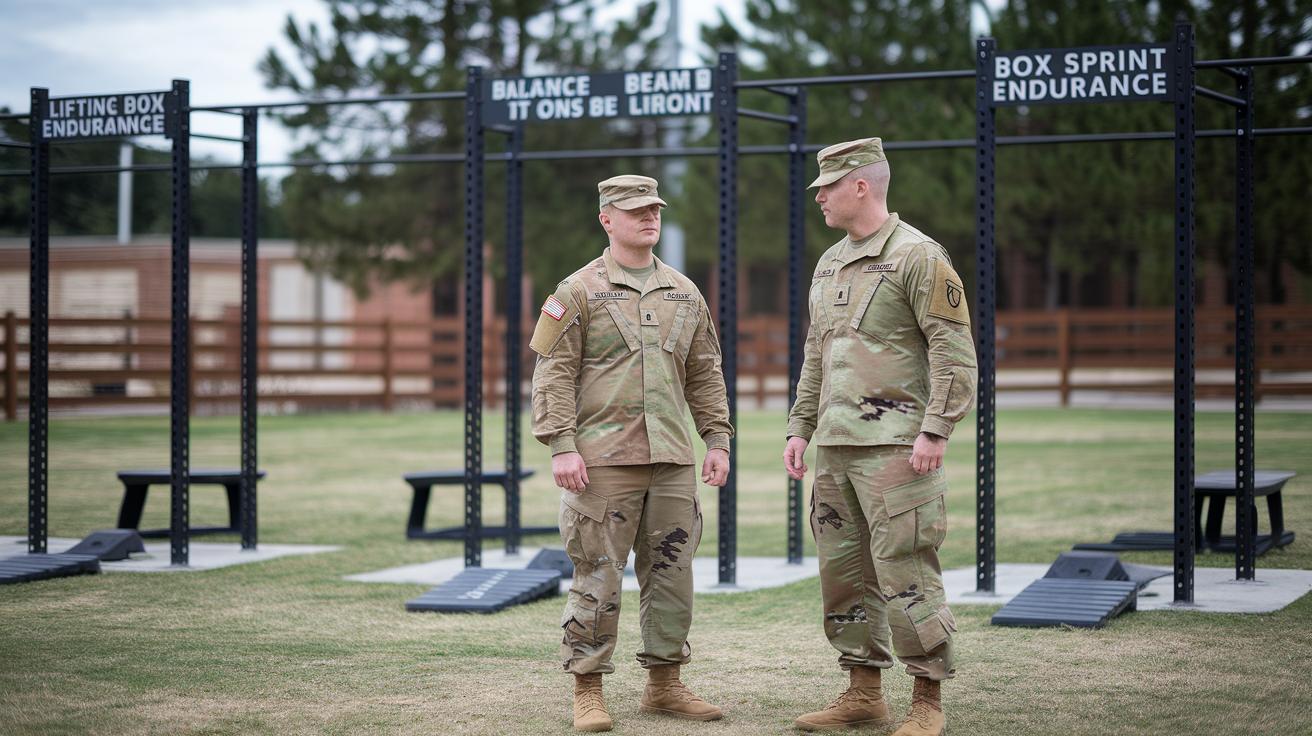
The Army has a new Fitness Test to better match today’s combat challenges. Starting June 1, 2025, this update comes after an 18-month review of nearly one million test results. The test zeroes in on key areas like strength, endurance, power, balance, and aerobic fitness (how well your body uses oxygen during exercise).
It’s set up with five main events to give a full view of a soldier’s physical skills. Think of it like a drill that helps you build overall fitness and get ready for any mission, whether it's a combat scenario or support role. The updated setup makes sure everyone gets a fair shot at proving they can handle the tough tasks.
| Event | Assessment Focus |
|---|---|
| 3 Repetition Maximum Deadlift | Lower body, grip, and core strength |
| Hand Release Push-ups | Upper body and core endurance |
| Sprint-Drag-Carry | Muscular endurance and anaerobic power |
| Plank | Core endurance and balance |
| Two-Mile Run | Aerobic capacity |
The test uses two scoring methods: a Combat Standard for soldiers in 21 combat roles and a General Standard for everyone else. This smart approach makes sure those in combat jobs stay in top shape, while others get a test that fits their role just right.
Evolving Entry Eligibility Criteria and Scoring Systems in the Recent Changes in Military Exam Structure
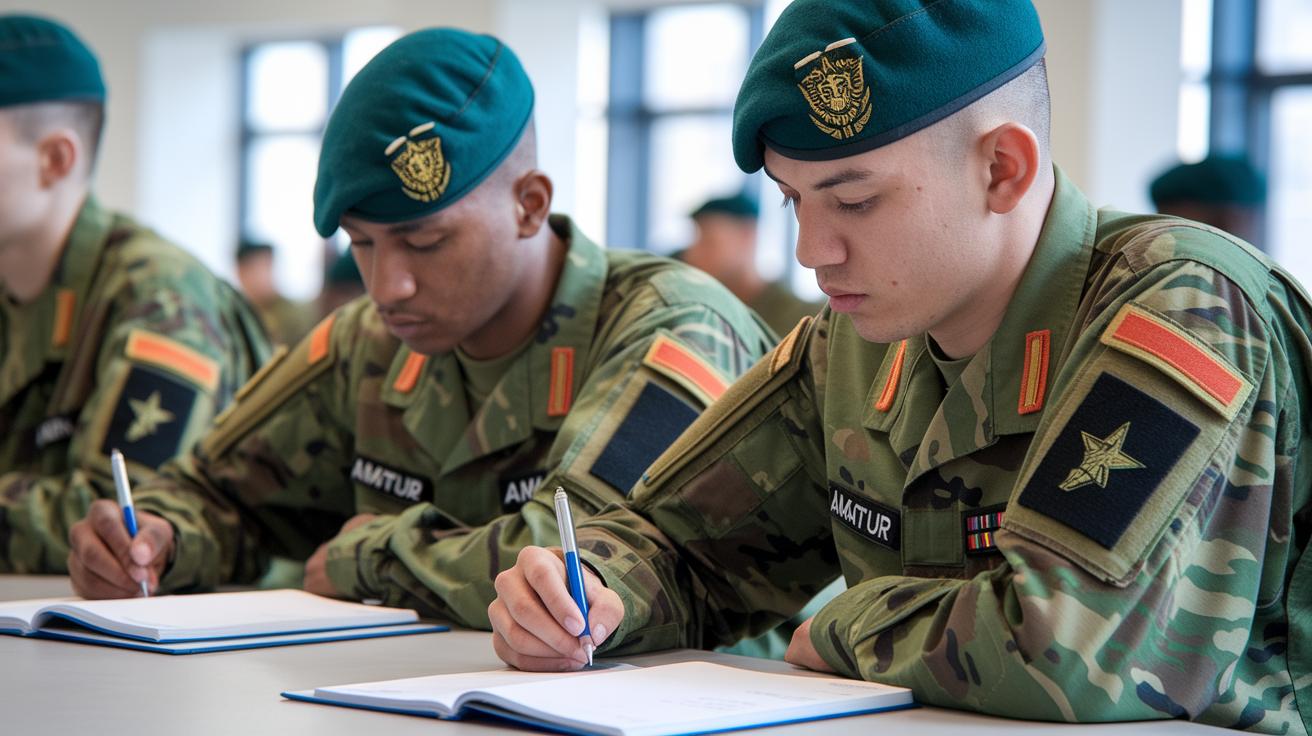
Our branches have recently eased ASVAB cut scores so more folks can jump in, while still keeping the tougher scores for tech and leadership roles. That means more candidates get a chance at the test, but if you’re aiming for a specialized job, you’ve still got to hit those higher marks. It’s like widening the entrance to service but making sure only the best move up to critical roles.
Physical testing got a solid update too. Now, the scoring is gender-neutral for active duty, Reservists, and Guardsmen, which makes the process fairer. If you do great on the new Army Fitness Test, you might even get a break on height and weight rules until September 30, 2025. Plus, the new scoring tables play a big part in earning promotion points and choosing your MOS, so each test score really counts for your career.
Implementation Timeline of Recent Changes in Military Exam Structure
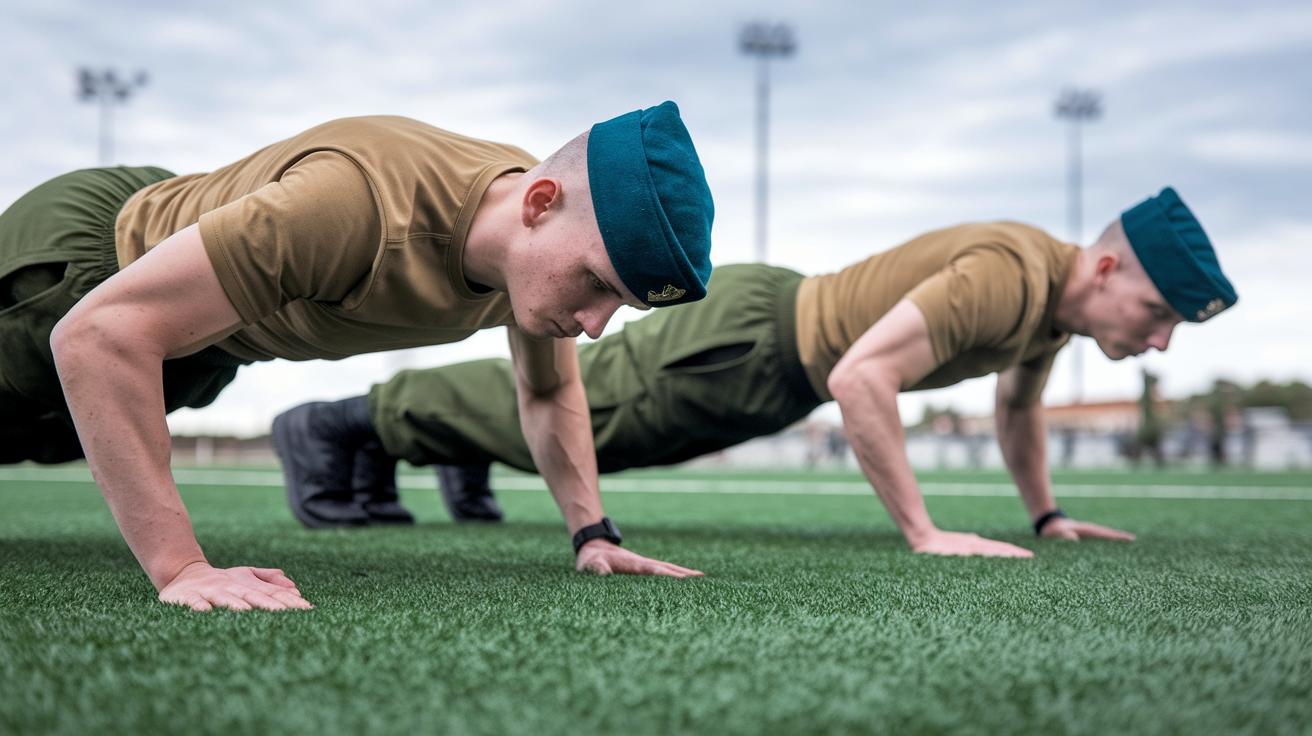
Phase 1 started on June 1, 2025. That was the day we officially rolled out the Army Fitness Test, an event that really set the course for our updated exam policies. It came after months of careful planning and shows our new, modern way to check physical readiness in line with today’s military standards.
Phase 2 runs from September through December 2025. This window gives combat MOS soldiers who scored between 300 and 349 a chance to update their roles under the new scoring system. Right after, on January 1, 2026, Phase 3 kicks in. At that point, active soldiers who haven't reached the proper combat standard will need to reclassify.
After September 30, 2025, branch secretaries received 60 days to suggest changes to both exam and grooming standards. Then, on June 1, 2026, Phase 4 begins, wrapping up the program for Reserve and National Guard members and finalizing our updated screening procedures.
Candidate Impact and Preparation Strategies for the Recent Changes in Military Exam Structure
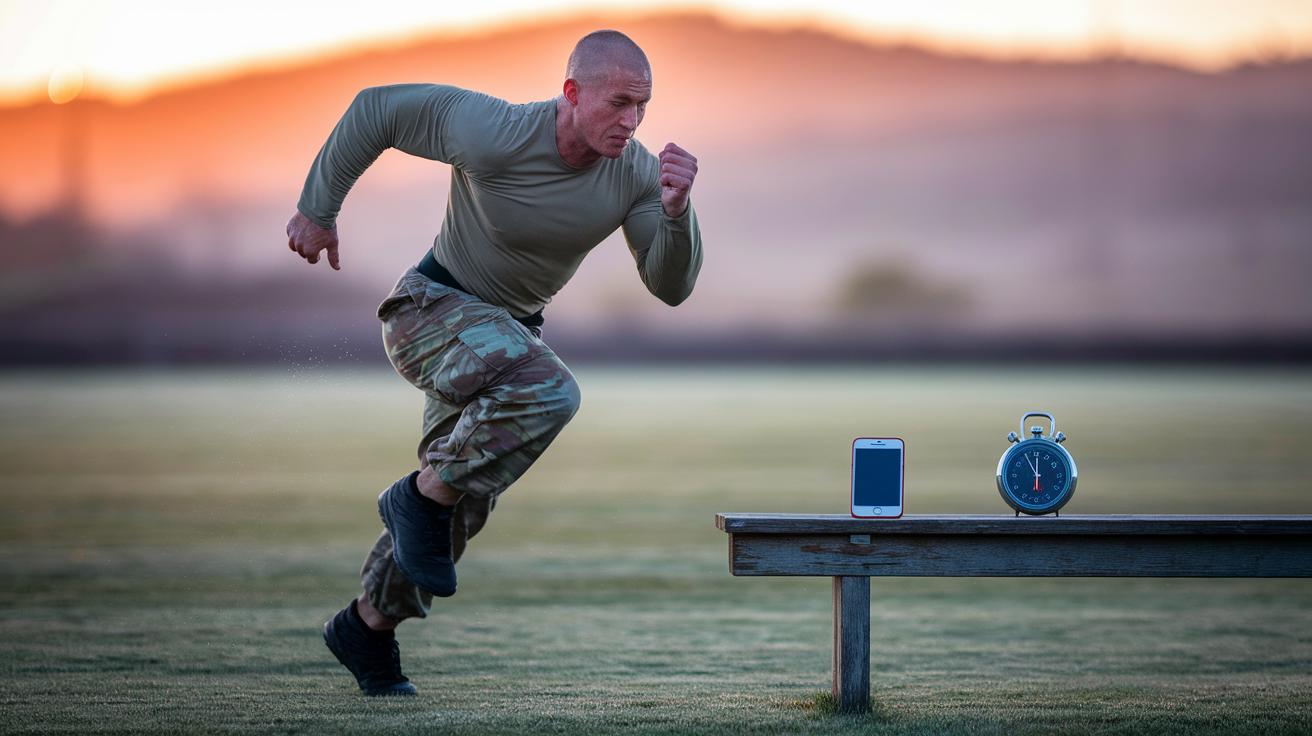
Listen up, team. Your physical training now requires a smart blend of both cardio and strength workouts. Aim for 150 to 300 minutes of aerobic exercise every week, and also work on strength routines that cover all five events of the Army Fitness Test (a battery of exercises that tests overall physical readiness). Try increasing the intensity by about 10% each week, just like stepping up your pace during a morning drill. Picture your early run gradually building your endurance until it becomes as familiar as your pre-dawn briefing. This steady build not only strengthens you but also fits perfectly with the new performance evaluations.
These days, digital study tools are in the spotlight. Candidates are now using mobile apps, flashcards, and online practice exams to break down tough subjects quickly. Many mix these tools with traditional classes or virtual tutoring sessions that offer clear, structured help, kind of like a training simulator that lets you test out strategies in real time. Experts say that combining focused practice tests with interactive learning is the best way to match the updated exam formats.
When exam day arrives, keeping a cool head is key. A few quick practice checks right before the test can help sharpen your focus, especially since high ASVAB scores (a score from the Armed Services Vocational Aptitude Battery measuring your skills) remain essential for certain technical roles and enlistment perks. Trust your balanced training, from physical drills to digital study sessions, and take on each section like a well-rehearsed mission.
Final Words
In the action, we broke down updated cognitive exam formats, physical test shifts, and recalibrated eligibility standards. Each section explained how training and digital tools can sharpen both your fitness and mental readiness.
We also outlined key dates and candidate tips to ease your preparation. Stay focused and motivated as you embrace these recent changes in military exam structure. Your efforts now set the stage for future success on and off the field.