
Do you really think your study plan is cutting it when it comes to beating exam stress? Many recruits trust a mix of scheduled reviews and creative techniques, like checking your gear before a mission, to get the job done.
In this article, you'll pick up simple revision tricks that turn everyday review into a strong tool for success. These methods help you lock in the key details fast, so you can walk into test day feeling ready and confident.
Remember, a solid review plan isn’t just about studying hard, it’s about studying smart.
revision methods for military exams: Ace Every Test
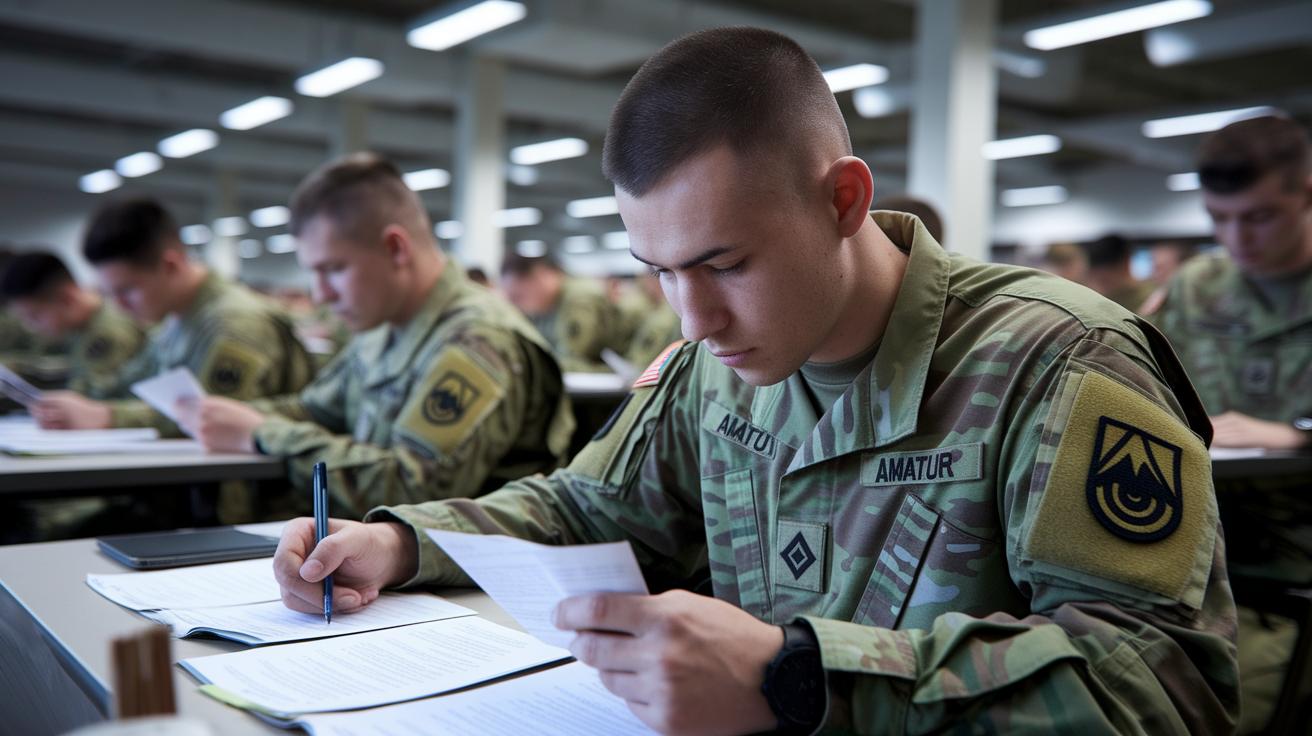
Regular review is key to doing well in military exams. When you set a schedule to revisit topics after one day, one week, and one month, you're locking the details in your memory. It’s a bit like polishing a tool, the more you work on it, the sharper it gets. For example, if you go over important formulas right after practice, it’s just like checking your gear before a mission.
Mixing up your study methods keeps things interesting. You can use flashcards for quick facts and vocabulary, sketch a mind map to link ideas, or even explain a tricky topic to a friend. I remember one recruit who once wrote his notes on the back of a canteen label before his first exam. That fresh approach made accuracy his best friend.
Mock tests are a big part of the plan, too. They mimic real exam conditions and help you spot the areas that need more focus. Facing test-day pressure during practice builds your confidence and teaches you to manage time and stress, just like on a mission. And don’t forget to write down short reminders for formulas, dates, or vocabulary. Every little bit helps you build a strong base so you’re ready when test day comes.
Developing structured study plans for military exam revision

Identifying knowledge gaps
Start by spotting the areas that need extra attention. Try taking diagnostic quizzes, looking over past exam papers, or checking off formulas to see where you slip up. For example, if you keep tripping on math formulas or mix up key ideas, write those down. This way, you can focus more on subjects like NDA's General Intelligence (a basic test of how you think) or AFCAT's Verbal Proficiency.
Establishing a revision timetable
Then, set up a study schedule that blocks out time for each subject. Give extra time to topics that pack more content, maybe two hours for tackling math formulas and 90 minutes for current affairs. Rotate subjects each day, and don't forget to take a quick break every hour, kind of like switching drills to stay sharp. You might study one subject in the morning, switch it up in the afternoon, and even review your notes for a bit in the evening.
Monitoring progress
Finally, keep track of how you're doing by logging your score after each practice session. Use checkpoint mock tests to see if you're hitting your milestones. If a topic seems tricky, give it another run and test yourself again later. This method, like finishing core subjects in four weeks and having weekly review sessions, helps you build confidence for the real exam.
Spaced repetition and diverse revision methods for military exams

Timed reviews can really sharpen your readiness for exams. Try using spaced repetition: review new info on Day 1, go over it again on Day 7, and then test yourself on it around Day 30. Imagine a recruit going back to key formulas learned on Day 1 and testing them later on Day 7 to build confidence.
Mix up how you study to keep things interesting. Flashcards work great for quick recalls of words, abbreviations, or formulas. Mind maps let you connect historical events or tactical ideas in a clear visual way. And simulation drills, timed quizzes that mimic real exam conditions, help get you used to the pressure of test day. For example, try a drill where you feel the minutes ticking away, just like in a high-stakes exam.
| Interval | Review Purpose | Retention Benefit |
|---|---|---|
| Day 1 | Learn new info | Fast recall boost |
| Day 7 | Reinforce details | Better mid-term memory |
| Day 30 | Check long-term memory | Solid memory retention |
Mixing these techniques into your routine keeps your mind sharp and builds real confidence for the exam.
Enhancing performance with mock tests and self-assessment in military exam revision

Mock tests are a solid way to mimic real exam conditions, such as AFCAT’s 100 questions in 2 hours or NDA’s timed sections. They let you check your pace, catch common mistakes like mixing up formulas or stumbling over vocabulary, and adjust your study plan once you review your answers (check out test answer review strategies for military exams at https://militaryaptitudetests.com?p=1577).
After each mock test, grab a self-assessment checklist to jot down what went well and what slowed you down. For example, you might write, "I took too long on the math sections, so I’ll work on quicker drills." This honest look at your performance gives you clear pointers on which study methods work best for you.
- Real-time pacing feedback
- Identification of weak topics
- Practice under simulated pressure
- Reinforcement of question-handling strategies
- Data for targeted review sessions
- Confidence building before the real exam
Time management techniques in revision methods for military exams

One smart way to handle your study sessions is by breaking your time into small, focused intervals. Try the Pomodoro method: work hard for 25 minutes and then take a quick 5-minute break. This helps you dig into the important topics. If you’re preparing for tough challenges like military aptitude tests (tests that measure how well you think and apply military skills), consider spending about 60% of your time on these subjects, 30% on areas where you need a bit more practice, and save the remaining 10% for lighter tasks like flipping through flashcards or reviewing current affairs.
Plan your day just like you’d plan a mission. Start with a strong study block in the morning using the Pomodoro method, then switch subjects during the afternoon to keep things fresh. On weekends, try longer sessions with full-length practice tests. These mock tests not only mimic the exam conditions but also help you adjust your pacing as if you were on an actual drill.
Make sure you set up your study routine using simple tools or logs. You might even want to check out more tips at https://militaryaptitudetests.com?p=1676. Stick to this well-planned schedule, and you’ll step into every exam with the confidence of a seasoned soldier.
Subject-specific revision methods for military exam sections

When you tackle the quantitative sections, stick with the key formulas. For example, if you learn a new equation today, do 20 problems with it. This kind of practice helps you remember every step. If you’re handling geometric formulas, keep repeating the exercises until it all feels natural.
For the English section, boost your vocabulary through regular reading drills. Spend about 15 minutes each day reviewing word lists that tend to appear on tests. It helps to create tiny flashcards or jot down new words in your notebook and then quiz yourself later. Ever try using a new word in a sentence right away? It really sticks!
Now, when it comes to current affairs, break down the news into small, clear bits. Summarize major headlines in short bullet points and test yourself weekly. You might just write down three key news items from a trusted paper to help keep track of important events and dates.
For military aptitude sections, start your review with diagrams. Sketch timelines, maps, or process charts to simplify complex ideas. Mixing spatial drills with these visuals can really boost your memory under exam pressure. Try drawing a tactical layout on paper, almost like planning a mission, to see the full picture.
Collaborative revision methods for military exams through peer and instructor sessions
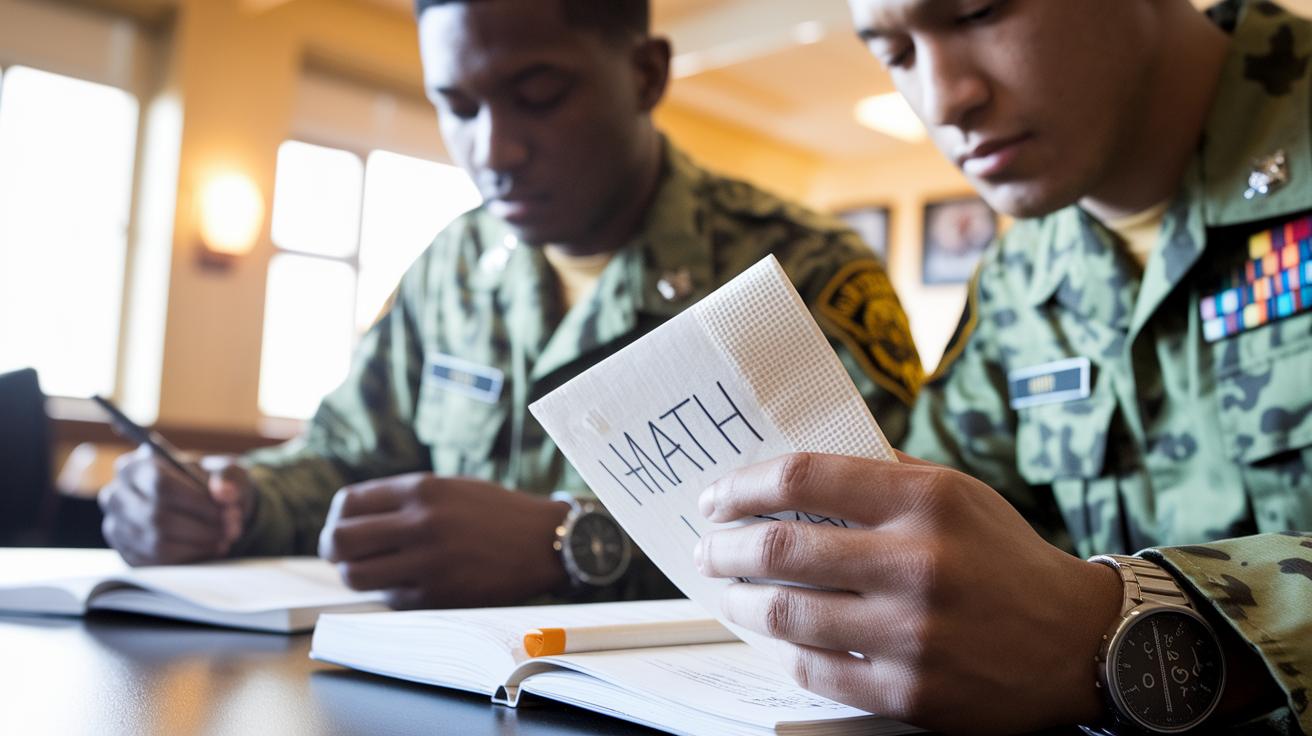
Working with a study group lets you and your fellow recruits talk through the basics and make even tricky topics easier to understand. In these groups, you swap ideas, review notes, and quiz each other. I remember one recruit sketching a math shortcut on a napkin to help his buddy see the trick, it all just clicked.
Instructor-led sessions take this a step further. In these meetings, instructors break down challenging concepts like advanced math shortcuts or defense policy outlines (detailed rules that guide military operations) with clear, step-by-step explanations and live problem solving. It’s much like getting a quick briefing before heading out on a mission, suddenly, there’s no room for confusion.
Regular group drills, perhaps every two weeks, help everyone stay on track while building a shared study resource. In these sessions, recruits exchange flashcards, written summaries, and real-world examples that stick in your memory.
By combining group study with instructor-led workshops, you not only strengthen your command of the material but also beat the isolation of solo studying. Working together like this turns revision into an engaging, hands-on drill that really hones your testing skills.
Digital tools and simulation drills for military exam revision

Using flashcard apps like Anki and Quizlet makes it simple to set up and review military tactics at your own pace. These apps work by spacing out study sessions and keeping track of your progress so you know which details need a little extra work.
Mind-mapping tools such as MindMeister let you draw connections between ideas, much like drawing out a plan on a mission board. You can put together a map that links major operations, helping you see how one concept leads to another.
Web-based simulators give you a test-like feel before exam day. They mimic the exam's layout and time limits, so you can get used to the pressure and pacing. This way, you see exactly where you might slow down, making it easier to update your study plan.
Adaptive platforms are another great tool. They change the question difficulty in real time based on your performance. Think of it like a drill that focuses on the parts you need to work on, all while reviewing what you've already mastered.
Final Words
in the action, we examined effective revision methods for military exams alongside strategies like structured study plans, spaced repetition, and practice tests.
We also explored subject-specific tactics, group sessions, and smart digital tools, all designed to boost both mental focus and physical readiness.
These methods are key to sharpening knowledge and building exam confidence.
Stay positive: each focused study session moves you closer to success and a brighter future in your military career.
FAQ
What is a military career test?
The military career test measures your skills and interests to match you with roles in the armed forces, helping you decide which career path fits you best.
What is the Military Entrance Test (MET site)?
The Military Entrance Test on the MET site assesses your academic and physical abilities to see if you’re ready for service, giving you an idea of your strengths for military duties.
What is a military intuition test and is there a free option?
The military intuition test checks your natural decision-making and quick-thinking skills. Some free versions let you try the test without any cost before committing to official assessments.
What is a military test and how are scores used?
The military test evaluates your knowledge and skills to determine readiness for service. Your test scores highlight areas to improve and help plan further training for military challenges.
What is the Skilled Technical ASVAB practice test and Military com ASVAB?
The Skilled Technical ASVAB practice test and Military com ASVAB work as practice versions that mirror the official exam. They help you get familiar with test formats and assess technical skills effectively.
What does the 2/3/5:7 rule for revision mean?
The 2/3/5:7 rule means reviewing material in intervals—after 2, 3, and 5 days, then 7 days later—to help strengthen memory retention and embed key concepts for military exams.
What are five revision strategies for exams?
Five revision strategies include using spaced repetition, making flashcards, summarizing key points, taking mock tests, and creating mind maps to organize and review your study material effectively.
What is the best revision technique for exams?
The best revision technique combines daily short study sessions with spaced repetition, flashcards, and practice tests. This blend helps you reinforce key ideas and retain information for exam day.
How can you revise quickly for exams?
Revising quickly means setting focused, brief study sessions, using active recall, and prioritizing main ideas. This approach helps you cover important topics efficiently, even when time is short.