
Have you ever wondered if the new tests really boost our combat readiness? Army memos and pilot projects point to a major change in how we assess our physical strength. It’s like stepping up the challenge during a tough drill, harder exercises that mirror what we face out in the field. Starting June 1, 2025, these updates will completely change our approach to measuring strength. In this post, we break down the timeline and explain what these changes mean for every one of us on the front lines.
Upcoming Military Test Revisions: Official Timeline and Protocol Changes

Army and Air Force leaders are set to change our physical tests significantly. Army memos started circulating in January 2025, and pilot programs began in the spring. Full changes kick in on July 1, 2025, moving us toward a tougher system that better reflects real combat readiness. For more details on dates and memos, check the military exam format changes update.
The Army will roll out the new test in four clear phases.
- Phase 1, starting June 1, 2025, is the debut of the new Army Fitness Test.
- Phase 2 runs from September to December 2025. During this phase, combat MOS soldiers scoring between 300 and 349 points can opt for a new reclassification.
- Phase 3 begins January 1, 2026 and makes reclassification mandatory for active combat soldiers scoring below 350 points.
- Phase 4 starts on June 1, 2026 and brings the new scoring rules to Reserve and National Guard units.
Over in the Air Force, there are big plans to update their PT routine. Instead of the usual 1.5-mile run, push-ups, and abdominals, pilots might soon be doing a 2-mile run twice a year. They also plan to switch from a waist tape measure to a height-to-waist ratio test for body composition. These updates focus on basic calisthenics and longer endurance efforts, reflecting the real work expected in the field.
In early 2025, you’ll also see more push-ups and new combat-specific drills added to the tests. These changes ensure that our standards are keeping up with today’s demands, building on the strength and readiness of our forces.
Army Military Test Revisions: From ACFT to AFT Overhaul

On June 1, 2025, the Army will retire the old ACFT and introduce the new Army Fitness Test (AFT). This change follows 18 months of careful review and nearly one million ACFT attempts, with guidance from RAND (an independent research group). The test now reflects real-world combat readiness by ditching events like the standing power throw, which often led to injuries and didn’t match actual combat needs.
The AFT breaks down into five key events that focus on skills you really need on the field. First, the 3 Repetition Maximum Deadlift checks lower body, grip, and core strength. Next, the Hand Release Push-Up – Arm Extension measures upper body and core endurance. Then, the Sprint-Drag-Carry evaluates muscular endurance and anaerobic might during quick, intense action. Following that, the Plank gives a good look at core stability and balance. Lastly, the Two-Mile Run tests your aerobic endurance.
This update isn’t one-size-fits-all. The scoring is set up in two tiers: one for the 21 designated combat Military Occupational Specialties, and another for all other soldiers.
| Event Name | Measured Attribute | Standard (Time/Reps) |
|---|---|---|
| 3 Repetition Maximum Deadlift | Lower body, grip, core strength | Reps/Weight as prescribed |
| Hand Release Push-Up – Arm Extension | Upper body and core endurance | Reps prescribed per protocol |
| Sprint-Drag-Carry | Muscular endurance and anaerobic capacity | Timed event |
| Plank | Core stability and balance | Duration held |
| Two-Mile Run | Aerobic endurance | Time target specified |
Air Force Military Test Revisions: Enhanced Run and Body Composition Standards

The Air Force is changing its fitness tests to better reflect real-world physical demands. They’re moving from a yearly 1.5-mile run to a two-mile run held twice a year. This change gives you more chances to prove your endurance and keeps the testing schedule more flexible.
They’re also updating how body composition is measured. Instead of using a tape measure, they’ll now use a ratio of your height to your waist. It’s a simpler, more practical way to check your fitness.
Plus, classic calisthenics are making a comeback. These exercises are more like what you’d do on the field, so they help show how ready you really are.
- Replacing the annual 1.5-mile run with a two-mile run done twice a year.
- Using a height-to-waist ratio for body composition instead of a tape test.
- Bringing back classic calisthenics to match real-life physical efforts.
Service Branch Evaluation Changes: Cross-Branch Physical Assessment Trends
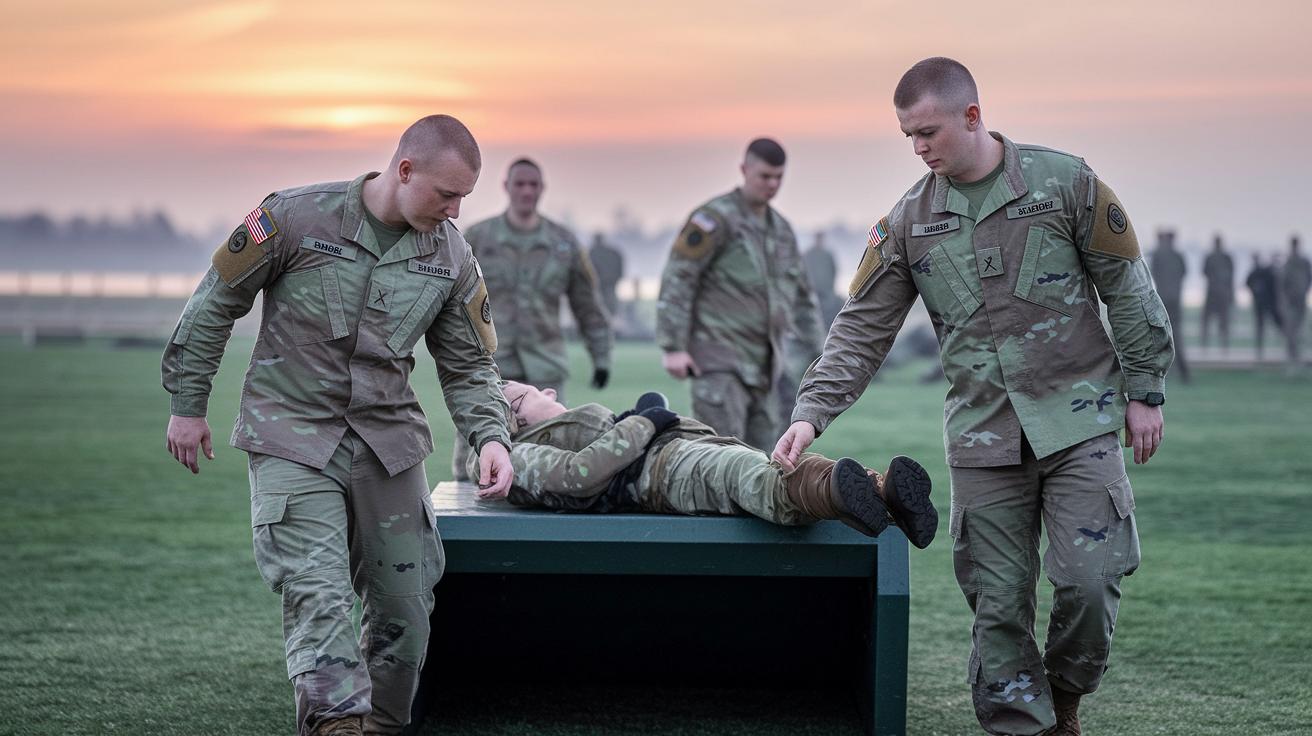
Every service branch is updating its physical tests to build on proven drills, boost readiness, and cut the risk of injury. Starting in early 2025, all branches will require more push-ups and add combat-focused drills to daily routines. These changes aim to reflect the real physical demands soldiers face on the field while keeping everyone safe.
The Army is making a big change by reducing the two-mile run target from 13 minutes to 12 minutes and 30 seconds. This new target means faster conditioning and helps soldiers meet current operational standards. Plus, the Army is introducing a new agility course with nine obstacles, such as a casualty drag and a vault, to hone quick reaction skills and obstacle clearance.
Other branches are also updating their routines by dropping outdated events. For example, the Army will replace its ball toss event with practical tasks like weighted vest carries and shuttle runs that better mimic real combat conditions. This shift refines training to meet modern battlefield demands while reducing unnecessary strain.
- Increased push-up minimums and combat drills
- Two-mile run target now set at 12:30 for the Army
- Agility courses featuring nine specific obstacles
- Replacement of older events with more practical physical tasks
Preparing for Upcoming Military Test Revisions: Resources and Recommendations
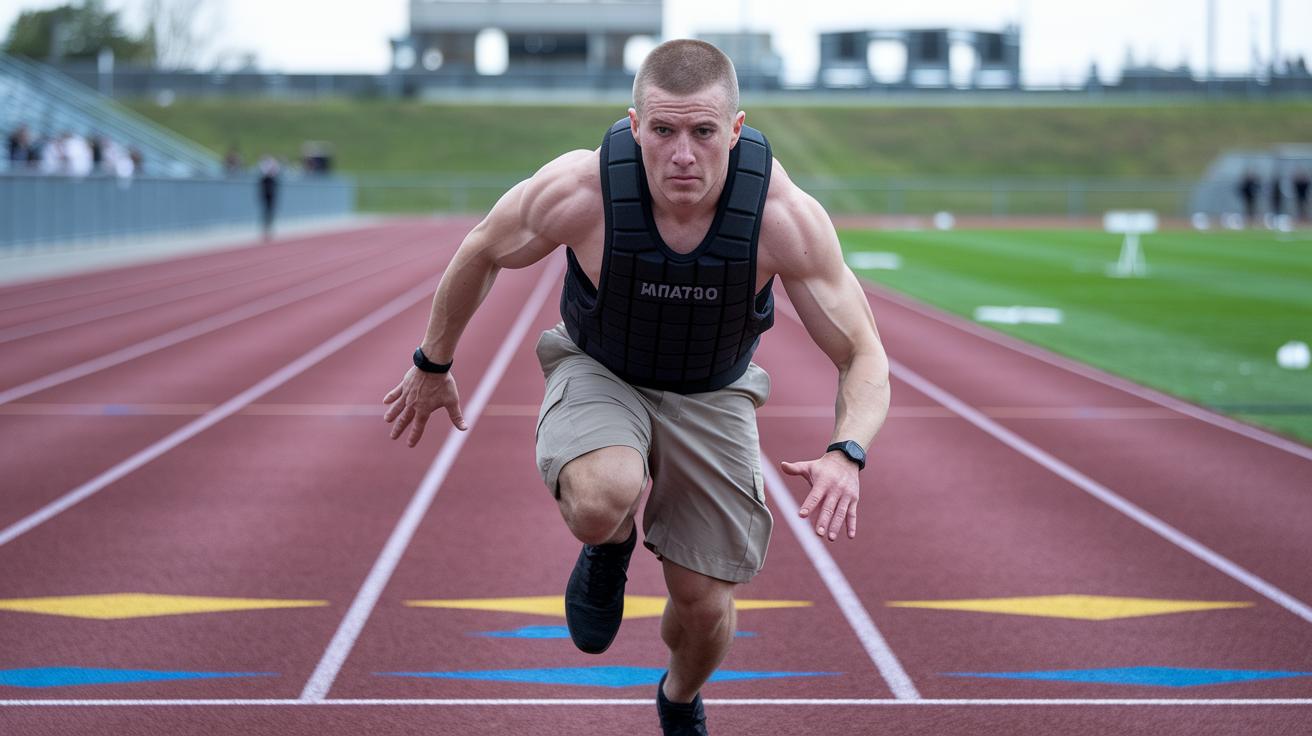
Hey there, recruits and service members. It’s time to update your training routine for the new test standards. Recent trial runs show that eight weeks of focused practice can boost your push-up numbers by about 10%. Think of it like your pre-mission warm-up, getting in the right rhythm to build confidence and strength.
Now, the new fitness guidelines call for about 150 to 300 minutes of aerobic activity a week. Start off slow so you can build up your endurance without overloading your muscles, much like pacing yourself on a long march. This steady build-up keeps injuries at bay and gets you ready for tougher challenges.
To really hit the mark on these testing standards, focus on exercises that match combat demands. Work on weighted vest carries, shuttle runs, sprint-drag-carry rehearsals, and maintain steady pace runs. These drills simulate real-life tasks and sharpen your readiness.
Keep in mind, AFT scores will stick around for promotion points and body assessments until ACFT points phase out on September 30, 2025. For a complete guide on techniques and exercise tips, check out the step-by-step military test preparation guide here: https://militaryaptitudetests.com?p=192. Adjust your workouts now, and stay mission-ready for the changes ahead.
Final Words
In the action, the post reviewed major changes ahead of our tests. We looked at the new timelines, event revisions, and service-specific updates. Your training plan can now focus on increased push-ups, altered run distances, and combat drills. The details on detailed phase dates and protocol shifts offer clear steps on what to expect. With these upcoming military test revisions, stepping up your fitness and readiness will boost your test success and build confidence for future missions. Stay ready and motivated.
FAQ
Q: Is the ACFT changing in 2025?
A: The ACFT change is set as the Army Fitness Test (AFT) will replace it starting June 1, 2025, following extensive feedback and data review, with updated standards designed to boost combat readiness.
Q: What is the 540 rule in the Army?
A: The 540 rule in the Army involves a scoring measure tied to physical tests. It is part of ongoing policy updates so reviewing official memos will give the most accurate current details.
Q: Is the Army PT test changing again?
A: The Army PT test is revising its format with added combat drills and adjusted scoring standards, reflecting a continued effort to improve soldier preparedness and injury risk reduction.
Q: What is the hardest military test to pass?
A: Many service members find endurance events, such as the two-mile run or combat-specific drill segments, especially challenging; however, difficulty varies based on role and current test updates.