
Have you ever wondered if simulation tests really prepare our troops for combat? Lately, digital training updates show they might. Engineers are building tough setups that mimic everything from stormy weather to tricky urban areas.
Training now takes hours instead of months. That means our drills are both faster and sharper. Have you noticed that these sessions feel as real as being out in the field?
This update takes a closer look at how these advances are changing simulation tests. Our practice now feels more like real combat, giving our forces a real edge.
Recent Developments in Military Simulation Tests

Digital training is picking up fast with the latest simulation tests. Labs and testing centers are hard at work, creating battle-like settings in controlled, man-made environments. Test teams now use digital models that mimic everything from roaring storms to tough urban terrain, slashing evaluation time from months down to just hours.
Here are some recent updates in the field:
- Haptic Feedback Systems Evaluation – Army Acquisition Support Center
- 'Lexington Green' Multi-Domain Digital Wargame – PEO STRI
- I/ITSEC Wargaming Progress – Marine Corps
- Launch of the National Spaceport Simulation Center – Space Defense
These advances are really changing how training scenarios are built and evaluated. Engineers and trainers now get a close look at how systems perform under intense conditions. For example, the Army’s work on haptic feedback adds a touch of real-life feel to maneuvers, and PEO STRI’s digital wargame tests boost multi-domain command practices. This progress not only ramps up safety during training but also fine-tunes tactics, helping our troops get ready for the challenges they might actually face out there.
Objectives and Methodologies in Military Simulation Updates

Our simulations are now built to feel as real as it gets while helping our teams gear up with top-notch software. These models copy tough conditions like scorching desert heat, biting arctic cold, and even the chaos of urban rubble. This upgrade cuts field tests from months to mere hours, giving us fast feedback on how our systems perform. Engineers are busy fine-tuning the software so designers can adjust training routines, imagine tweaking a firing range to get the best practice possible. The readiness software now even shows how parts behave when pushed to extreme limits.
We also use digital twin integration (a method that creates a virtual copy) along with detailed environmental models to mirror real-life scenarios. Our simulators build virtual terrains that challenge systems with issues like sensor blackouts and unpredictable weather shifts, crafting an experience almost like a real battlefield. With these methods, designers can see how systems handle everything from icy roads to rocky urban sites without putting anyone at risk.
Metrics play a huge role in these trials. Our engineers check things such as recoil forces, fragmentation (how pieces break apart during an explosion), and system delays in controlled tests. We even use hardware-in-the-loop setups where real sensors and control boards help spot issues like thermal drift (small shifts in temperature) and unwanted electromagnetic interference. By using multibody dynamics (studies of moving parts interacting) and occupant models, we predict injury risks and make sure every test gives us clear, actionable insights.
Key Simulation Test Case Studies and Results

Recent simulation tests have given us some real proof that our training drills are paying off. We ran everything from hands-on haptic feedback exercises to full multi-domain wargames, and the data shows our digital models are keeping pace with actual field challenges. We're already seeing smoother hardware integration and scenarios that feel more real.
| Exercise | Branch/Agency | Focus | Outcome |
|---|---|---|---|
| Haptic Feedback Evaluation | U.S. Army Acquisition Support Center | Tactile realism and safety | Enhanced training fidelity |
| ‘Lexington Green’ Multi-Domain Wargame | PEO STRI | Multi-domain operations | Improved command coordination |
| I/ITSEC Wargaming | Marine Corps | Advanced scenario planning | Refined tactical decision-making |
| Orlando CyberCamp Exercise | Cyber Defense | Network threat simulations | Strengthened cyber readiness |
These simulation wins have got everyone excited. Engineers say the tests not only confirm better training metrics, like realistic sensor feedback and sharper decision-making loops, but also show we can mimic real battlefield conditions right on target. With these field updates, our next-gen battle assessments are even more solid. Teams can fine-tune their tactics, cut down risks, and roll into future trial phases with more confidence. All in all, these results prove that our tech investments are making a big impact in getting our forces ready for the real deal.
Technology Breakthroughs Driving Military Simulation Tests

New hardware is making simulation tests more lifelike than ever. Engineers now use FPGA-accelerated HIL testing (a method that uses special circuits along with regular processors) to get super-accurate timing down to microseconds. This means simulation models catch all the subtle details, letting them mimic real-world responses during fast, high-impact moves. Think of it like testing a weapon system where every tiny moment counts.
On the software side, improvements are equally impressive. The systems now follow open standards (simple, common rules that let programs work together) with FMI and FMU, making it easy to integrate MATLAB/Simulink and C++ models. Smart tweaks in the algorithms allow the simulations to adjust in real time. This not only speeds up development but also provides trainers with modern, adaptable tactical tools.
Sensor simulation and electronic warfare testing have also stepped up their game. Today’s sensor models can recreate radar micro-Doppler effects (tiny shifts detected by radar), infrared glare, and even the patchy look of lidar point clouds to reflect harsh conditions accurately. Meanwhile, digital methods like false almanacs and delayed timing help validate against GPS interference, boosting electronic warfare defenses. Modular real-time platforms now bring together autopilots, power controllers, and diagnostic connectors to keep operations smooth across virtual battlefields.
Expert Analysis on Updates on Military Simulation Tests
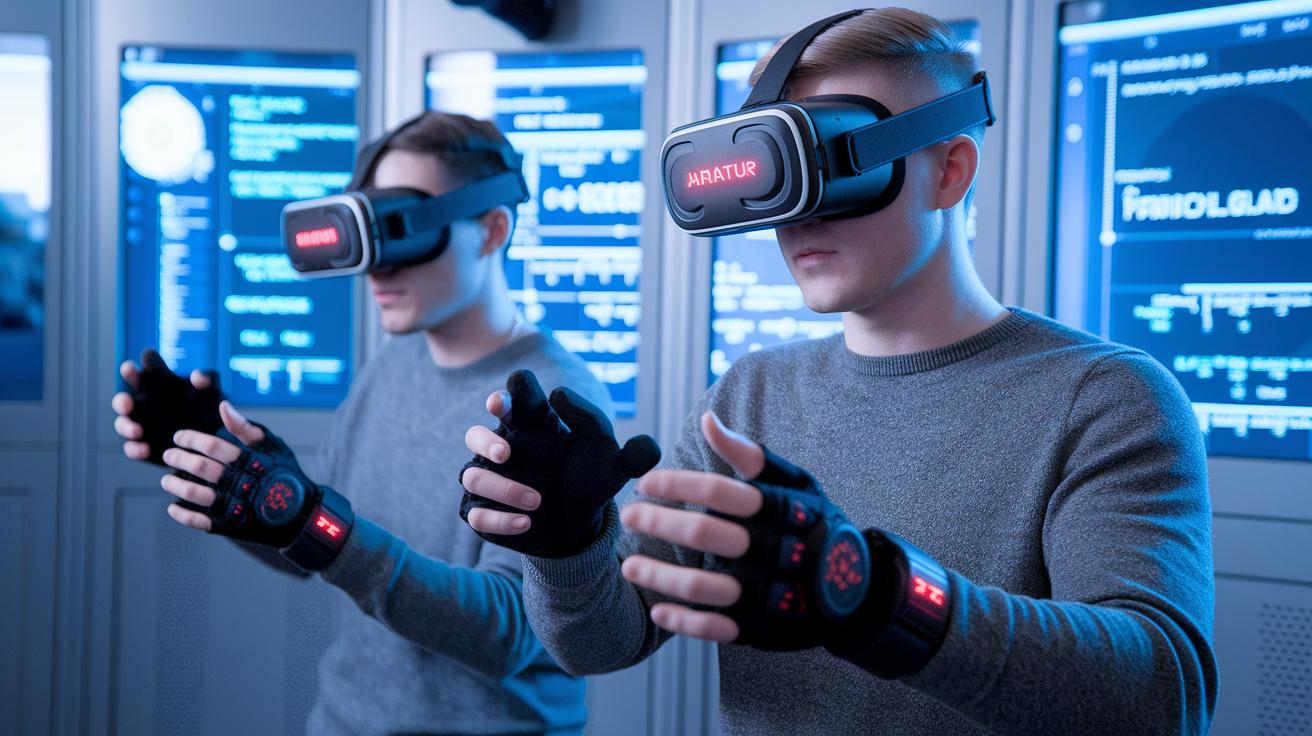
The Army Acquisition Support Center has announced that their new simulation tests bring a more realistic sense of touch. They say these tests mimic the real feelings and pressures of operations, offering better data on how systems react and how teams work together. As one official put it, "simulate the physical intensity of live operations without incurring actual risk."
Some Marine Corps service members have found that advanced virtual training drills help improve decision-making and lower costs compared to old live-fire exercises. Their digital drills show that creating a simulated battlefield can boost tactical responses while cutting training expenses. One trainer even said, "digital simulations cut costs and boost readiness in challenging, realistic settings."
Industry experts believe future simulation tests will offer new insights into multi-domain operations and help make training even more cost-effective. Analysts think these improvements will not only simplify training but also increase tactical effectiveness across various fields. In one expert's words, "this progress in simulation testing paves the way for smarter, efficient command practices in future operations."
Strategic Implications of Military Simulation Test Findings

Our training methods are changing fast. Digital tests now turn what used to be month-long field evaluations into a series of quick, repeated cycles. These speedy simulations update our plans for cyber defense, joint operations, and multi-domain tasking. In other words, commanders get almost immediate feedback so they can tweak tactics and strategies to match today's battlefield needs.
Performance measures are really taking center stage. We now track things like spinal pressure, how fast a helmet moves, and the success of fault-handling (that is, how well systems cope with unexpected problems). This clear, data-driven approach not only makes maneuvers safer but also shines a light on potential risks. Quick performance checks help us zero in on spots that need improvement, keeping our readiness top-notch even when the stakes are high.
One test, for example, quickly uncovered a fault when sensors dropped out unexpectedly. Debrief reports from these trials have sharpened our scenario planning, showing us exactly where to make cost-effective digital updates.
These insights are driving major policy changes. Training studies now use accurate digital readiness metrics to adjust both everyday tactics and long-term strategy. By making these performance reviews a routine part of our approach, military leaders can use resources smarter, cut down on risks, and better prepare forces for the tough challenges of modern engagements.
Future Directions for Military Simulation Tests

New simulation systems are stepping up training by using AR (augmented reality, which adds digital images into your real view) and VR (virtual reality, a computer-generated world) to mimic real battle conditions right in the classroom. AI-powered scenario creation sets up diverse training drills on the fly, and smart tweaks to the system cut lag so you get feedback almost immediately during your practice runs.
Real-time monitoring of operations and secure network checks are boosting teamwork during multi-unit drills. New digital combat interfaces make group exercises more effective, while advanced simulation models are now tackling space defense challenges at the National Spaceport Simulation Center. This move goes a long way toward replicating the complex situations you might face out in the field.
Modern updates on encrypted communications and smoother software interfaces promise top-notch teamwork across simulation systems. In short, these improvements are setting up a training ground where the tech stays ahead of the game and your practice drills feel as real as they come.
Final Words
In the action, we explored recent shifts in simulation testing technology, from hands-on case studies and real-time evaluations to breakthrough tools that sharpen readiness. We saw how precise metrics and immersive tech drive confidence and better performance in training and decision-making.
Emerging features like augmented reality and AI mean that every drill pushes us closer to peak performance. Stay positive and focused as each update on military simulation tests builds a path to success.
FAQ
What does Defense News Top 100 indicate regarding military simulation updates?
The Defense News Top 100 highlights major companies and trends that drive improvements in simulation tests, showcasing breakthrough technologies and testing methods that boost defense readiness.
How does Military Satellite News contribute to our understanding of simulation tests?
Military Satellite News explains how space-based systems and satellite data support simulation tests, offering insights into advanced surveillance and communication technologies that improve training scenarios.
What role does Defense News Pentagon play in simulation test developments?
Defense News Pentagon provides updates on Pentagon-led simulation tests and defense modeling initiatives, detailing efforts to integrate new technologies and ensure realistic training environments.
How does Military Drone News influence the evolution of simulation tests?
Military Drone News discusses the use of unmanned systems in simulation exercises, demonstrating how drone technology aids in realistic scenario planning and enhances aerial operational training.
What impact do Space War News and Defense News GPI have on simulation test advancements?
Space War News and Defense News GPI report on space defense modeling and technology breakthroughs, revealing how innovations in space systems contribute to more detailed and realistic simulation environments.
How does DOD News Today keep military personnel updated on simulation tests?
DOD News Today offers real-time briefings on simulation testing outcomes and defense updates, sharing official insights that help military units understand new training techniques and readiness improvements.