
Ever wondered if a second chance at a military exam could be your secret weapon? If your first try didn’t hit the mark, it's time to change your tactics and sharpen your skills.
Think of it as reworking a battle plan: set a clear schedule and practice regularly to turn a setback into a solid strategy. With improved study habits and a steady routine, you can turn last effort into a winning plan for the next exam.
Ready to change your approach and ace exam day?
Core Strategies for Preparing for Re-take Military Exams Success

When you're taking the exam again, your approach has to change from the first try. Since you already know how the exam is set up, it’s time to hone what you already know and work on spots that still give you trouble. Think of it like fine-tuning your battle plan – perfecting tactics that didn’t work out last time.
This second go calls for extra focus on how you study. Don’t just skim your notes. Instead, follow a strict study schedule and stay disciplined. Break your day into sections, like planning a military mission with clear steps. For instance, before a big drill, a unit would rework every detail to catch even the smallest mistake.
- Structured schedule: Lay out a timeline with clear goals, deadlines, and planned breaks, much like preparing for a long march.
- Self-discipline: Stick to your timetable and keep distractions at bay.
- Format mastery: Learn each part of the exam well, whether it’s General Science or Arithmetic Reasoning (math questions), so none of it surprises you.
- Resilience drills: Do timed quizzes and full mock exams to get a feel for the real test and build mental strength.
- Confidence building: Regular practice and review sessions will help reinforce what you know and boost your self-assurance.
Using these strategies in your study routine builds a solid defense against the exam’s challenges. Every step adds up, turning your past efforts into a clear, focused plan that will help you feel more prepared and ready to score high on test day.
Assessment Overhaul Tactics: Learning from Past Military Exam Attempts

After your exam, take a moment to study your score report. Think of it like a debrief after a drill, reviewing each part shows where you shined and where you can improve. When you check your ASVAB or any other service exam one section at a time, it becomes clear which topics need extra attention. Tracking your performance by noting how many questions you got right and how long each one took gives you a clear picture of what you're good at and what needs work. This careful review is your first step to fine-tuning your study plan and switching up your approach.
- Gather your score report.
- Sort out your mistakes.
- Spot the gaps in your knowledge.
- Record how much time you spend on each question.
- Ask instructors or join study groups for advice.
- Set goals to improve.
This analysis acts like a blueprint for your new study plan. Every area where you struggled gives you a clear target for improvement, and feedback from your debrief helps you know what to do next. By breaking down your past performance and tracking key details, you can adjust your prep step by step, leading to sharper focus and better scores on test day.
Reengagement Study Regimen: Building Your Retake Preparation Schedule

Your second shot at these military exams means you need a solid daily and weekly routine. Think of it like setting up timed drills and review sessions, just like planning for a critical mission. Our military test study plan development guide (a handy tool to organize your study time) shows you how to make every minute count.
| Day | Focus Area | Study Activity |
|---|---|---|
| Monday | Arithmetic Reasoning | Timed quizzes and problem drills |
| Tuesday | Word Knowledge | Flashcard sessions and practice tests |
| Wednesday | General Science | Interactive lessons and problem sets |
| Thursday | Paragraph Comprehension | Reading exercises and strategy practices |
| Friday | Mathematics Knowledge | Drills and module reviews |
Set clear deadlines for each study block. Block off review sessions in your schedule. Plan mock drills to mimic test conditions. And make sure to save some time to catch up on any missed material.
Sticking to this plan builds steady progress and shows your dedication. When you keep to your schedule and hold yourself accountable, you stay sharp and boost your readiness for exam day.
Strategic Scholastic Blueprint: Structuring Your Military Exam Retake Curriculum

When you break the exam into smaller chunks, like separate modules for each ASVAB subtest such as Word Knowledge or Electronics Information, it helps you zero in on each area. Tailor your study plan based on your past scores and what job you’re aiming for so you can spend extra time on the tougher topics. Quick checks after each module let you know where you might need another run-through, making your prep sharper and more on target.
| Exam Subtest | Hours/Week | Priority Level |
|---|---|---|
| Word Knowledge | 4 | High |
| Arithmetic Reasoning | 3 | High |
| Paragraph Comprehension | 2 | Medium |
| Mathematics Knowledge | 3 | High |
| Electronics Information | 2 | Medium |
After each week, take a moment to check your progress and adjust your plan based on what your review shows. Compare the study hours logged in each module with your test scores. If one section isn’t showing the expected gains, try putting extra time on it or mix up your practice routine a bit. This way, your plan keeps getting better and ensures each module gets the attention it deserves. Regular tweaks build a stronger and more targeted strategy for retaking your exam.
Anxiety Control Methods and Mindfulness Boosting Practice for Military Exam Retakes
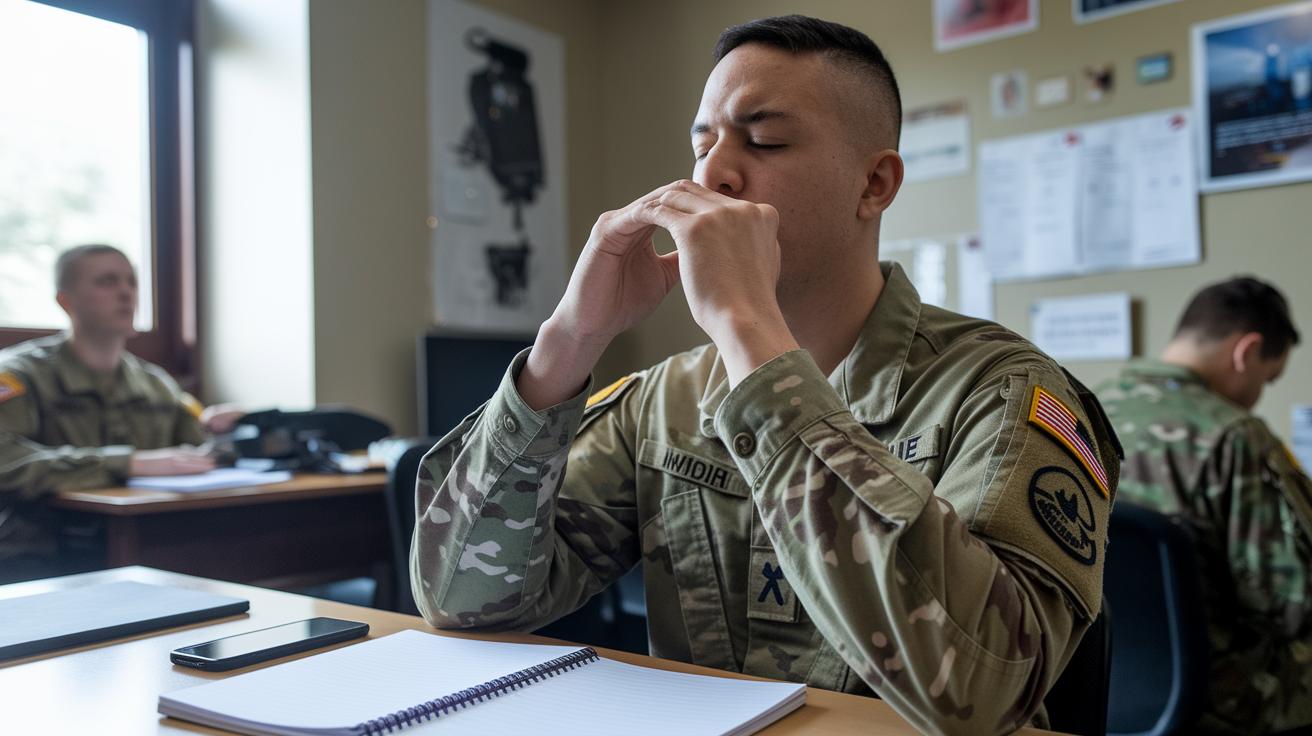
Anxiety can have you second-guessing your abilities and fogging up your focus during those tough military exams. When stress starts building, even your best study plan can feel off as your body tenses up with stiff muscles, a racing heart, and a cloudy mind. These signs make what should be simple questions suddenly seem hard. By adding easy mindfulness exercises (simple ways to stay present) to your routine, you can calm your nerves and keep a clear head. That clear mindset is as important as being physically ready, helping you stick to your plan and answer with confidence.
- Controlled breathing
- Progressive muscle relaxation
- Positive visualization
- Brief walks
- Hydration breaks
- Pre-test mantra
Adding these steps to your daily habits can really change how you handle exam challenges. Even just a few minutes of deep breathing or a quick walk before studying can refresh your mind and keep you mission-ready when it truly matters.
Test Simulation Practice and Mock Evaluation Exercise for Military Exam Retakes

If you’re gearing up for a military exam retake, full-length, timed practice tests are a must. They simulate real test conditions, allowing you to experience the pressure and pace of the actual exam. Think of it like training for an important mission, every practice run builds your confidence.
Here’s how to set it up:
- Strict timing: Set your clock exactly the way you’d have it in the test center.
- No interruptions: Find a quiet spot where nothing breaks your focus.
- Environment setup: Arrange your study area to feel as true to the test center as possible.
- Immediate debrief: Go over your answers right after you finish.
- Error logging: Note every mistake to see which areas need extra attention.
These simulation tests aren’t just about scoring high; they’re about building real skills. Each run gives you clear feedback, showing both your strong points and the spots where pressure or unfamiliar questions trip you up. This lets you tweak your strategy, practice targeted drills, and sharpen your timing. Regular debriefs and tracking your errors turn each test into a tool that hones your skills, leaving you prepared, confident, and ready for the real exam.
Time Management Routine and Chronological Efficiency Innovations for Re-take Military Exams

Time-blocking changes the game when you’re gearing up to retake your military exam. It works like planning your mission, every minute counts. By assigning set time slots for each question and every part of the test, you keep your exam prep on target. Try using military test time management techniques (a guide to handling your study time effectively) to plan study sessions and take smart breaks.
- Set a timer for each study session.
- Keep a simple log to check your pacing.
- Plan short breaks to rest and get back on track.
- Adjust your time for tougher topics.
- Practice with timed sections to build endurance.
Mixing in quick review sprints between sessions can boost your memory, much like a brief debrief after a drill. Sticking to a steady time management routine helps you stay sharp and efficient, which means you can answer questions more accurately and quickly on exam day.
Interactive Education Portals and Online Tutorial Resources for Preparing Military Exam Retakes
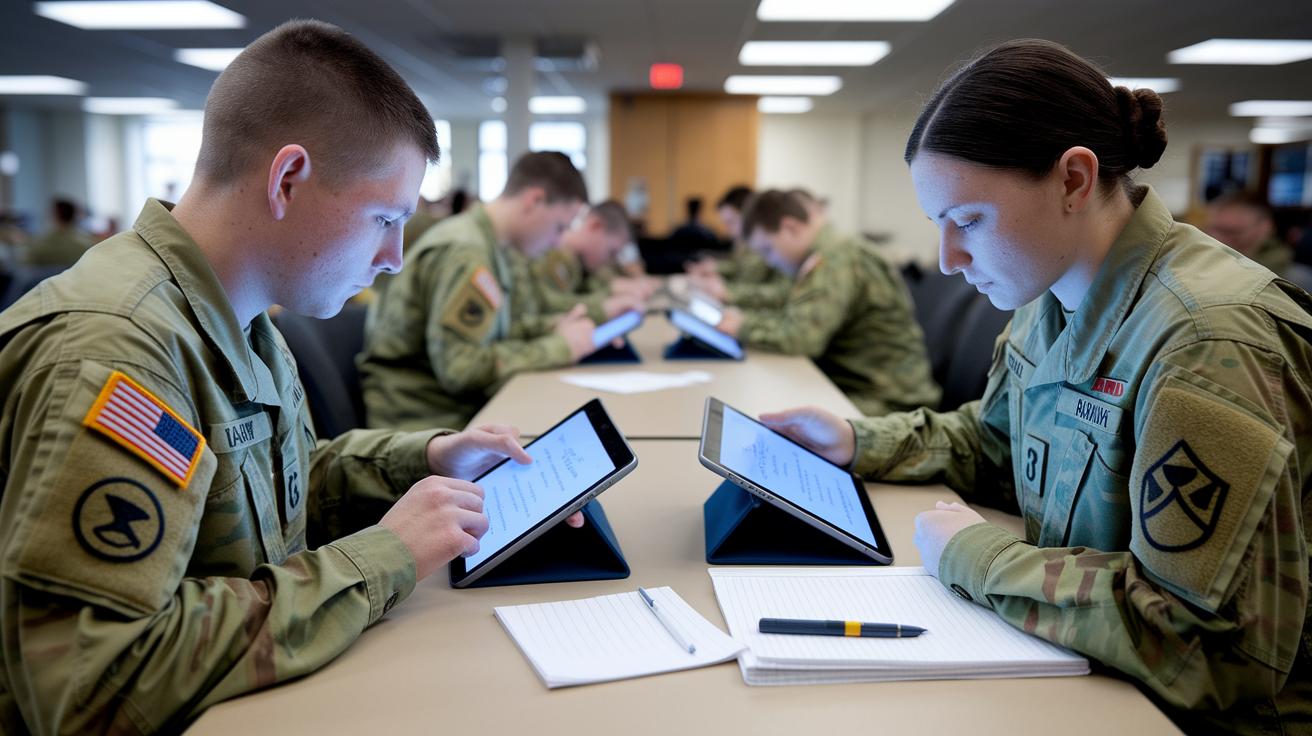
Digital study platforms give service members a smart and flexible way to prepare for exam retakes. They offer handy video lessons, flashcards, and mobile apps that break down tough topics into simple, bite-sized parts. These e-learning tools also let you team up with study buddies and keep track of your progress, making your study sessions feel a lot more engaging.
| Resource | Type | Key Feature |
|---|---|---|
| Quizlet | Flashcard Platform | Interactive flashcards and practice sets |
| Khan Academy | Video Tutorials | Step-by-step lessons with clear explanations |
| Official ASVAB Site | Test Prep Portal | Real exam content and practice tests |
| Mobile App | App-Based Learning | Study tools on the go and progress tracking |
Mixing these digital tools into your daily routine can really change up your study game. Try switching between Quizlet for interactive practice and Khan Academy for full lessons to hit all corners of the subject. The Official ASVAB Site lets you experience a real test vibe so you know exactly where you stand. And when you need a quick review, pull out a mobile app anytime, anywhere. Working with these platforms, plus joining in group studies and checking progress markers, helps keep your learning steady and keeps you motivated throughout your exam prep.
Final Words
In the action, we covered a clear game plan to boost test scores, from mapping out study schedules and mastering exam formats to fine-tuning error analysis and stress control with practical wellness tips. We broke down a detailed study regimen, simulation practice, and time management tactics that help turn past attempts into success stories.
Stay focused, trust your preparation, and keep building mental strength. Every step you take is a move toward preparing for re-take military exams: strategies for success.
FAQ
How do I prepare for military exam retakes with effective strategies for success?
Preparing for exam retakes involves using a structured study schedule, practicing self-discipline, and taking timed practice drills. These methods help you review past errors and build confidence for improved performance.
How do ASVAB test taking strategies boost your exam performance?
ASVAB strategies boost exam performance by familiarizing you with the test format, setting proper timing for each section, and using real-like practice tests to improve speed and accuracy.
How do Army test questions, online practice tests, and downloadable PDFs help in exam preparation?
Using Army test questions, online ASVAB practice tests, and PDF downloads offers realistic drills and diverse question formats that support accurate exam preparation and strengthen overall test readiness.
How do Coast Guard ASVAB practice tests address branch-specific requirements?
Coast Guard ASVAB practice tests address branch-specific requirements by reflecting the unique guidelines of the Coast Guard, ensuring you develop the skills needed to meet their exam standards.
How is a 70 on the ASVAB score interpreted and why is it considered good?
A 70 on the ASVAB is interpreted as a solid score, usually meeting branch criteria and showing strong performance across subtests, which opens up more options for military job placements.
How challenging is scoring 50 or 21 on the ASVAB, and how rare is a 99 score?
Scoring 50 or 21 on the ASVAB may highlight areas needing extra review, requiring targeted study. In contrast, a score of 99 is an outstanding achievement that is seen very rarely among test-takers.