
Have you ever wondered why some folks breeze through the ASVAB like it's nothing? They use a few smart tricks that break the exam down into simple parts. It’s a bit like turning a long training session into a series of drills that build up your confidence day by day.
In this article, you’ll get straightforward advice from those who turned exam stress into success. Think of it as a friendly briefing to help you focus and prepare for exam day.
Key Study Hacks from Successful Military Exam Candidates
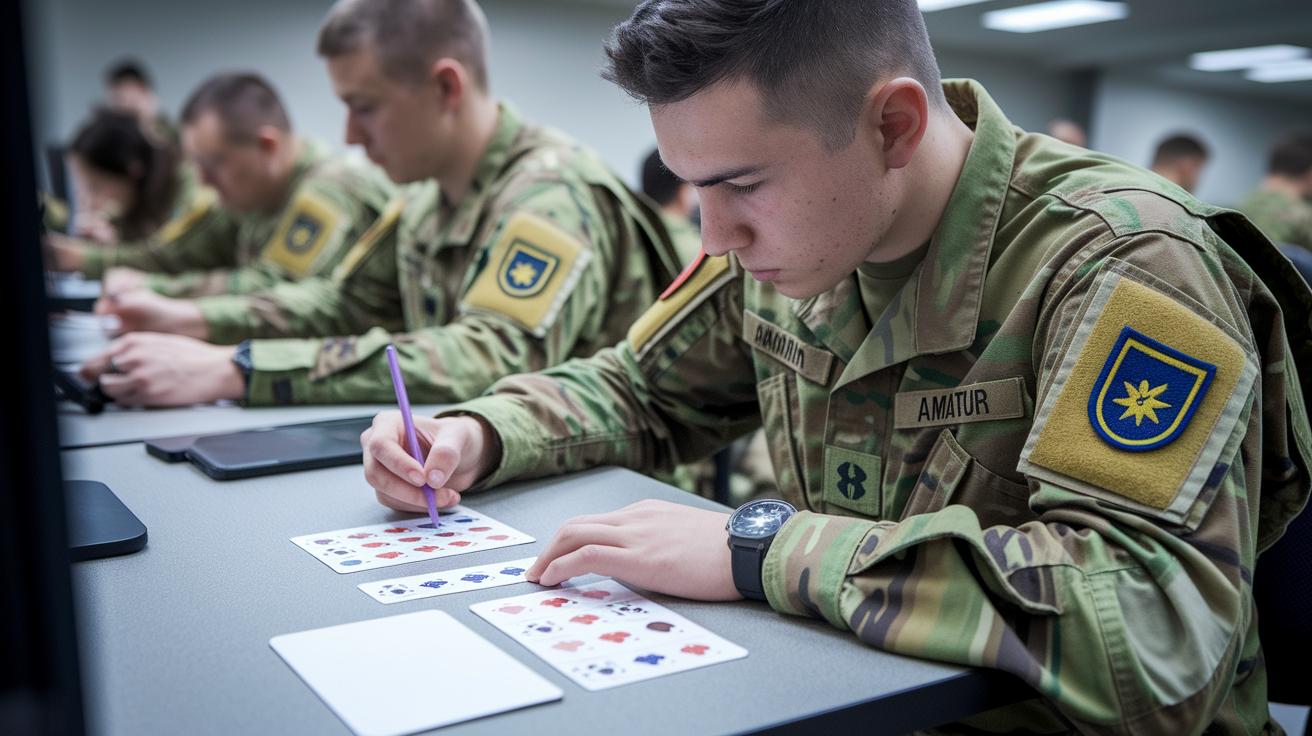
Military exam study hacks break down complicated topics into bite-sized pieces, making everything clear and easy to manage. They help you stick to daily study sessions that build confidence and keep stress under control. Breaking the exam into smaller parts means you only tackle one section at a time without feeling overwhelmed.
These custom hacks focus on real practice and truly understanding the concepts behind the tests. Instead of long, exhausting study marathons, successful candidates stick to short, regular sessions that fit well with military discipline. This method not only boosts your memory but also builds the confidence you need to handle the ASVAB (a test for military jobs) on the day of the exam.
- Start your prep early with a daily study block to slowly build up your knowledge.
- Use top-notch ASVAB guides and video lessons that give clear, straight-forward explanations.
- Divide your study sessions by test parts, like General Science, Arithmetic Reasoning, or Word Knowledge, so you won’t cram all at once.
- Take full practice tests with a timer to simulate the real pressure of exam day.
- Check your practice test results regularly to find and work on your weak spots.
- Stick with short, frequent sessions instead of last-minute marathon studies that drain your energy.
These hacks match military exam needs perfectly. They help build discipline and focus, much like a well-run training drill. When you stick to these practices, you not only improve your memory and test skills but also grow the resilience needed to face the pressures of the ASVAB. This way, studying turns into a series of small, manageable tasks that drive you toward success on exam day.
Time Allocation Framework from Top Military Exam Achievers

Planning your study time beats winging it because it sets clear goals day by day. Breaking your study into focused sessions cuts down on last-minute stress, it's like coordinating a mission where every minute counts.
- First, review the exam layout and decide how to split your hours. For instance, you might spend 20% on Verbal, another 20% on Math, 10% on Science, and 50% on Technical topics.
- Next, set up daily blocks for studying, and throw in quick review sessions every 24 to 48 hours to help the material stick.
- Aim for an 80/20 split: invest 80% of your time in really digging into the concepts and use the remaining 20% for timed practice tests.
- Then, break your weekly plan into parts, giving each exam section its own dedicated time.
- Lastly, track your progress every day with a simple readiness check that shows where you're winning and where you might need a little extra work.
As test day gets closer, be ready to adjust your plan, shift your focus to tougher areas and fine-tune how long each session lasts. A strong, well-organized schedule like this, just as outlined in the military test study guide (https://militaryaptitudetests.com?p=818), will help you manage your time like a true mission commander.
Intense Practice and Simulation Drill Strategies for Military Exams

Creating a study setup that feels like exam day can really set you up for success. When you take practice tests in a quiet room with strict timing, you prepare both your pace and focus just as you would during the real exam. This method is not about reusing the same old study tips, it’s about building the right mindset and rhythm.
- Practicing in a simulated exam space helps ease the nerves, making the actual test conditions feel more familiar.
- Taking full-length, timed tests lets you see how far you’ve come and shows which areas you need to spend more time on.
- Keeping a detailed log of your scores, section by section, makes it easier to spot patterns and target your weaker spots.
- Regular simulation drills build the kind of discipline you’d expect from a military training routine.
Try to work these drills into your weekly study plan. Schedule a full-length, timed test and set aside time to review your results. By doing this, you can adjust your focus where it matters most and march confidently toward exam day.
Structured Memorization and Concept Mapping Techniques

Using concept maps and flashcards can really help you remember what you learn. These maps show you how different ASVAB topics fit together, making the big picture clear. Flashcards, especially when you review them over time, help build up your memory step by step.
| Topic Focus Area | Recommended Technique |
|---|---|
| Math | Group Arithmetic and Math Knowledge problems |
| Verbal | Link Word Knowledge with Paragraph Comprehension exercises |
| Technical | Combine Electronics Information with Mechanical comprehension drills |
| Spatial | Associate Assembling Objects with visual puzzles |
Flashcards work best when you follow a five-step routine. First, learn the new material by looking over your flashcards. Next, try to remember the answers without peeking. Then, test yourself to see what sticks. After that, review any answers you missed to clear things up. Finally, retest to check your progress. Breaking down the subjects into chunks like Math, Verbal, Technical, and Spatial and using this clear, step-by-step method makes your study sessions more focused and effective for exam day.
Stress Mitigation Routine and Mental Clarity Enhancers

Keeping both your mind and body steady is key during exam prep. When you build in quick breaks and simple mindfulness practices, you lower stress and boost focus. Short rests let your brain stay alert for the next challenge. With this balance, you can handle tough questions and exam pressure more easily.
- Take a five-minute break every 45 minutes to keep sharp.
- Do slow, controlled breathing to calm exam day nerves.
- Try brief mindfulness sessions to clear away distracting thoughts.
- Get 7–8 hours of sleep and drink plenty of water to improve clarity.
- Practice timed drills to build your ability to work under pressure.
These steps can turn stressful study sessions into effective practice drills. Doing them regularly not only clears your mind but also builds good discipline, keeping you energized and focused. Before you know it, each study day feels more productive, and the exam seems less intimidating. Stick with these routines to build lasting mental strength and boost your performance.
Personalized Resource Selection and Adaptive Study Strategy

When it comes to exam prep, having the right resources is like having a trusty map on a mission. Quality materials that match your branch's needs (like Army, Air Force, or others) and your learning style can sharpen your focus quickly. Using a solid mix, like study guides, live sessions, video lessons, full-length tests, and answer reviews, lets your brain pick up information in different ways.
- Use study guides made for your branch.
- Mix in video lessons, complete tests, and answer reviews for a full learning experience.
- Set up regular feedback sessions to see exactly where you can improve.
- Adjust your study schedule each week based on your progress, and check out tips from the "tips for acing military aptitude tests" guide at https://militaryaptitudetests.com?p=845.
Reviewing your game plan often helps keep your study sessions fresh and effective. By fine-tuning your resources based on feedback and progress, you can continuously adjust your approach to tackle the exam's challenges. This flexible method not only keeps you well-prepared but also builds the confidence you need to excel on exam day.
Final Words
In the action, this post outlined focused study hacks from successful military exam candidates, shaped scheduling tactics, realistic practice drills, and clever memorization techniques. It also broke down stress management routines and ways to personalize your study resources.
These study hacks from successful military exam candidates empower you to build confidence, sharpen mental and physical ability, and tackle exam day with a clear, positive mindset. Stick to these practical methods, and you’ll be ready to succeed on your next military test.
FAQ
What is the easiest way to pass the ASVAB test and improve your score in the Army?
The easiest way to pass the ASVAB and boost your score is by following a steady study plan. Regular practice tests with quality guides sharpen your skills and build confidence, helping you reach a higher score.
Is the military exam hard?
The military exam may seem tough initially, yet a clear study plan and realistic practice tests make it much more manageable. Good preparation turns challenges into a series of achievable steps.
How to prepare for the military aptitude test?
Preparing for the military aptitude test involves setting regular study sessions, using focused guides, and taking simulation tests. This steady effort builds understanding and reduces test-day nerves.