
Ever wonder if our body fat tests truly show how fit a soldier is? Some folks think one test might miss a few things, while another might seem too strict.
In this article, we explain how the Army and Navy check body fat using simple methods. They start with easy steps like measuring height and weight and then use a tape measure to check the neck and waist.
Some worry that tweaking these rules could affect a soldier's health and readiness. We take a close look at each system to see how they work to keep fitness standards strong while remaining fair.
Breakdown of Military Body Fat Standards by Branch

The Army checks body fat in two steps. First, they compare your height and weight to a chart. If your numbers are above the limit, they use a tape measure to check your neck and waist. This method started in 1986 and was updated later because of growing concerns about fitness. Think of it like a quick scan followed by a proper check, much like a brief eye exam that leads to a deeper look if something seems off. Some reports say recruiters sometimes bring in people who exceed these limits just to fill spots, which can be worrying for soldier health and readiness.
The Navy, on the other hand, has a simpler way. Sailors only need to pass a test that measures their belly. Men must keep their waist under 39 inches, and women under 35.5 inches. This one-measurement method makes checking faster and helps with quick decisions on who meets the rules.
Each branch uses a different system to keep track of body fat. Although both start with a basic check, they adjust their methods to fit their needs. Pressure to fill ranks sometimes leads to bending the rules, which can hurt overall fitness and readiness. In truth, keeping the right balance between recruiting numbers and strict standards is a key issue in the military.
Measurement Methods for Military Body Fat Standards
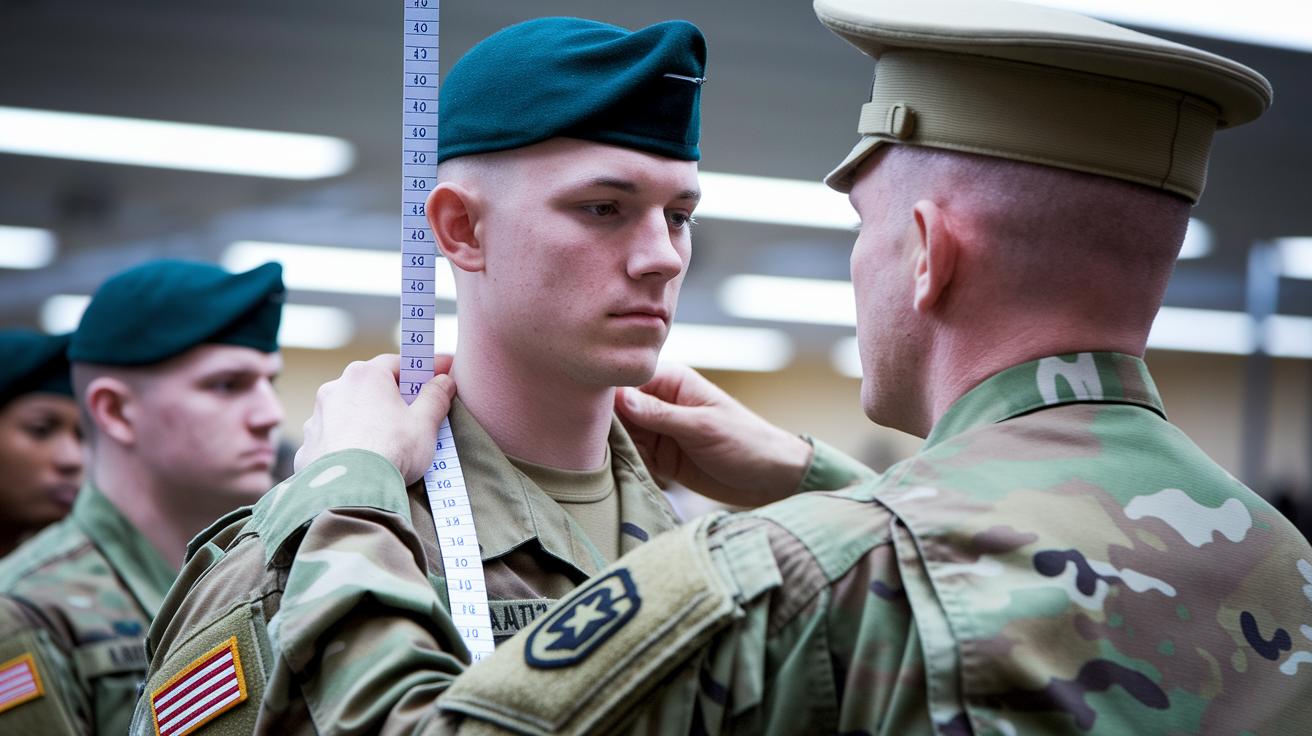
Every branch kicks things off with a quick height-and-weight check, think of it as your pre-flight inspection. The Army takes it a step further with a two-part process that checks both neck and waist measurements. The Navy, on the other hand, sticks to one step by measuring your abdominal circumference.
The Department of Defense has recently updated how the tape is placed and revised the screening charts to cut down on mistakes and make the process fairer for everyone. If you're interested, check out the latest updates on military physical tests here: "latest revisions in military physical tests" (https://militaryaptitudetests.com?p=612).
| Method | Branch | Male Criteria | Female Criteria | Notes |
|---|---|---|---|---|
| Two-step height-weight then neck/waist tape | Army | Varies by height/age | Varies by height/age | Uses neck plus waist measurement |
| Single-step abdominal circumference | Navy | ≤39 in | ≤35.5 in | No secondary tape step |
Civilian vs. Military Body Fat Standards Comparison

Civilians often use BMI or simple body fat charts to check fitness levels. These methods give a rough idea of health but miss the extra physical demands of military service. In the military, tests use age-based charts and precise measurements of parts like the neck, waist, or abdomen to see if a service member meets tough combat readiness standards.
Both civilians and service members with too much body fat face a 33% higher risk of muscle and joint injuries. Think about it like this: a well-oiled machine rarely breaks down suddenly, and the same goes for a body that’s in shape. Extra body fat not only raises the risk of injury; it also pushes healthcare costs to over $1.25 billion per year in the United States.
By zeroing in on fighting-ready fitness levels instead of general health markers, military tests are all about accuracy. This focus on role-specific fitness sets military tests apart from civilian ones, ensuring every service member is ready for the challenges of duty.
Weight Management Strategies to Meet Military Body Fat Standards
If you're working on your fitness, start with a plan that mixes regular exercise, calorie tracking, and smart eating habits. Think of it like prepping for a field exercise, each drill helps lower your body fat by about 1–2% a month while keeping your muscles strong. Tailor your workouts to build both endurance and strength, just like you would train for a long march or obstacle course.
The Army now values how well you perform over just your appearance, meaning power and stamina matter most on the field. A balanced routine that boosts both muscle and heart health readies you for unexpected challenges. It's like each step in training builds the confidence to handle real missions.
Don’t forget to check your progress every 30 days with a tape-measure evaluation. These regular checks catch small issues before they become bigger problems. Here’s a quick rundown of key strategies:
| Strategy | Description |
|---|---|
| Structured Exercise | Routines that mimic mission tasks |
| Caloric Tracking | Assessments paired with a tailored diet |
| Monthly Evaluations | Tape-measure checks to track progress |
For more detailed training and nutrition tips designed for military readiness, check out physical fitness for military. This steady, step-by-step approach builds confidence and keeps you mission-ready.
Resources for Achieving Military Body Fat Standards
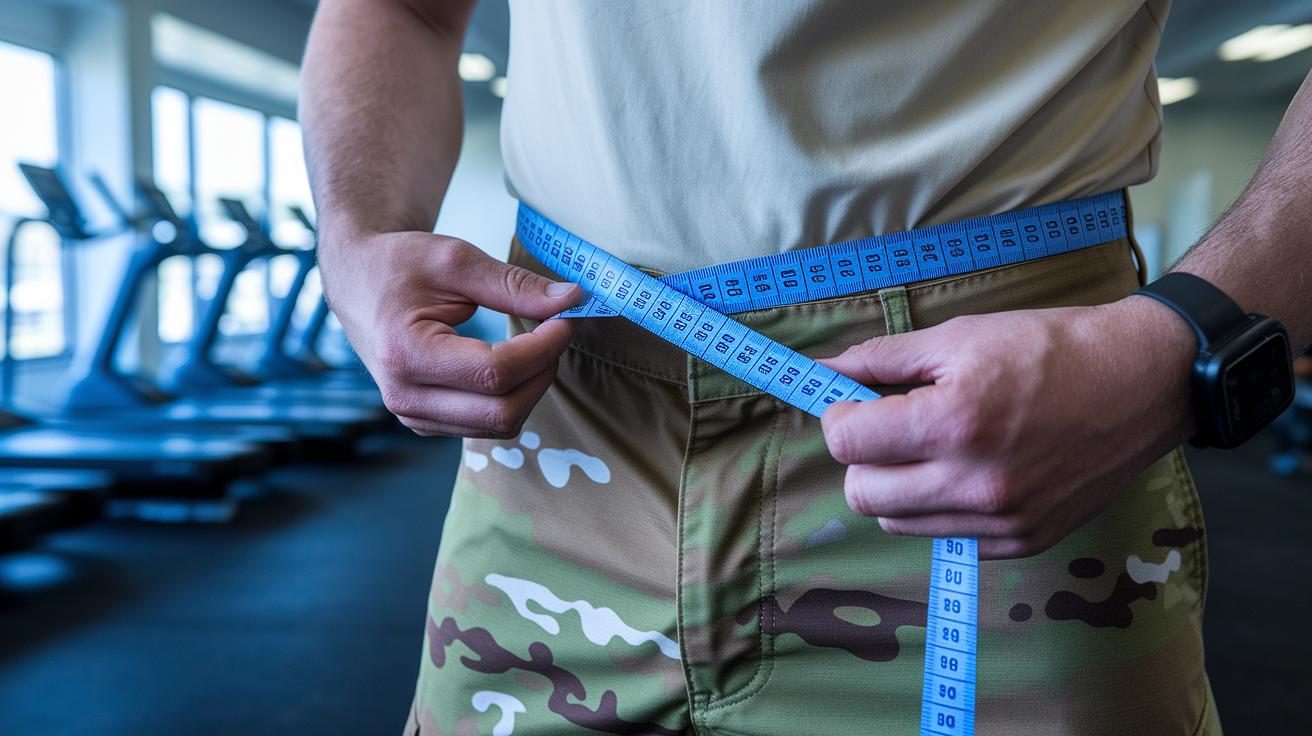
If you’re working on meeting military body fat standards, there are plenty of tools to help you out. Official DoD and service-specific publications come with easy-to-follow screening tables, circumference worksheets, and step-by-step guides. These guides help you measure your progress, kind of like checking your map before a mission.
Many military bases also offer programs like medical nutrition therapy and fitness-center sessions, all designed to support your weight management. Sure, a recent report points out some gaps in weight-loss help after enlistment, but both active members and veterans can still tap into wellness programs that reflect active-duty methods.
Service documents detail clear testing procedures while online health systems help track your progress over time. This means your measurements are taken consistently, giving you the confidence to work toward those strict body fat goals and stay physically ready.
| Resource | Description | Audience |
|---|---|---|
| DoD Publications | Screening tables and measurement guides | Active Members |
| Medical Nutrition Therapy | Base fitness-center programs and support | Service Members & Veterans |
Many bases also run workshops that show you the right way to measure and plan your nutrition. Veterans, too, can join programs that mimic active-duty routines, offering updated research and effective screening methods. These resources help you stay confident and ready for the challenges ahead.
Final Words
In the action of breaking down the rules, we showed how branches use different methods like tape-measure techniques and height-weight screening. We discussed how these standards compare to those used in civilian protocols and shared simple ways to trim down while keeping strength intact. We even pointed to helpful resources that guide you in meeting military body fat standards. Keep pushing forward with clear goals and steady progress. Every step taken builds the physical and mental readiness needed for success.
FAQ
How do Army height and weight calculators, apps, charts, and BMI calculators assess service members’ readiness?
The Army height and weight tools use age and height charts combined with BMI screening to quickly gauge if a service member meets the physical requirements, ensuring readiness for duty.
How do Army tape test, body fat calculators, and MEPS methods determine overall body fat?
The tape test and body fat calculators measure neck and waist circumferences to evaluate body fat. MEPS uses these measurements after a height and weight screen to assess overall body composition.
How are body fat percentages, like 20% and 22%, interpreted for men in the military?
A body fat level near 20% is close to the Army’s acceptable limit for men, while 22% shows a noticeably less lean build that might not meet military standards. Visual leaness and distribution also play a role.
What are the new Army height and weight tape standards for assessing body composition?
The new tape standards refine measurement sites and update scoring charts, offering a more precise method to assess body composition and verify compliance with Army guidelines.
What does the 540 rule signify in the Army’s body fat testing process?
The 540 rule is a guideline used during the tape test that compares measured circumferences with fixed thresholds to help determine if a service member meets the Army’s body fat standards.