
Ever wonder if your age might slow your military fitness? Some say older recruits struggle, yet research shows that smart workouts keep your endurance sharp.
By doing exercises that focus on your heart, strength, and smooth movement, you can work out in a way that fights off the effects of aging. Your body might change as time goes on, but you can still build the stamina needed for military tests.
In this post, we break down easy training tips that boost your endurance and prove that a strong will really matters more than the number on your birth certificate.
Achieving Military Fitness Goals as an Aging Recruit

As you get older, your body naturally changes. For example, VO2max (a measure of how much oxygen your body uses during exercise) typically drops by about 1–2% each year, after age 30 for men and age 25 for women. But here's the good news: staying active and following workouts made for your age can help slow that drop. Research even shows that folks over 50 who keep up with high fitness levels hardly lose any strength. So, age isn’t a roadblock when you adjust your training to fit your needs. This approach works for everyone, from teenagers to those well past retirement.
Staying fit is key for passing military fitness tests and excelling during unit training. To keep your endurance and strength in check, your training should gradually build up your abilities. Focus on these core areas to create an effective fitness plan:
| Core Area | Description |
|---|---|
| Strength Adaptations | Improving muscle function with age-specific exercises |
| Cardiovascular Conditioning | Boosting heart and lung health through steady workouts |
| Flexibility & Mobility Training | Keeping joints and muscles nimble for everyday movements |
| Injury Prevention & Recovery | Using safe techniques to avoid and heal injuries |
| Nutrition & Hydration Planning | Eating right and staying hydrated for optimal performance |
Combine these elements and you’ll be setting up a solid plan that helps aging recruits stay sharp, ready, and fully integrated into their unit training.
Understanding Age-Related Physical Challenges in Military Fitness

Getting older means your body starts to work a bit differently, and that can change how you train. You might notice that your body uses oxygen less efficiently, you don't cool off as quickly, and your muscles might not pack the same punch they used to. Because of these natural shifts, training programs need to be adjusted so you can stay mission-ready.
VO2max Decline Rate
Around age 30 for men and in the mid-twenties for women, your VO2max (the measure of how well you use oxygen) drops by about 1–2% each year. That’s why including steady runs or interval workouts in your routine becomes crucial for keeping your endurance up.
Thermoregulation Challenges
As you get older, your body might not sweat as much, which means it can't cool you down as efficiently. This can make long or intense drills feel tougher when it’s hot. Taking time to gradually adjust to heat and staying well-hydrated can make a big difference.
Muscular and Power Shifts
With age, you lose fast-twitch muscle fibers, the ones that help with quick sprints and explosive moves. Switching your training to include more controlled, strength-focused exercises can help you combat these changes and keep your power on point.
Understanding these shifts allows training programs to tweak exercises and recovery plans so that aging recruits can continue to be at the top of their game.
Customized Strength and Conditioning Adaptations for Military Fitness in Older Enlistees
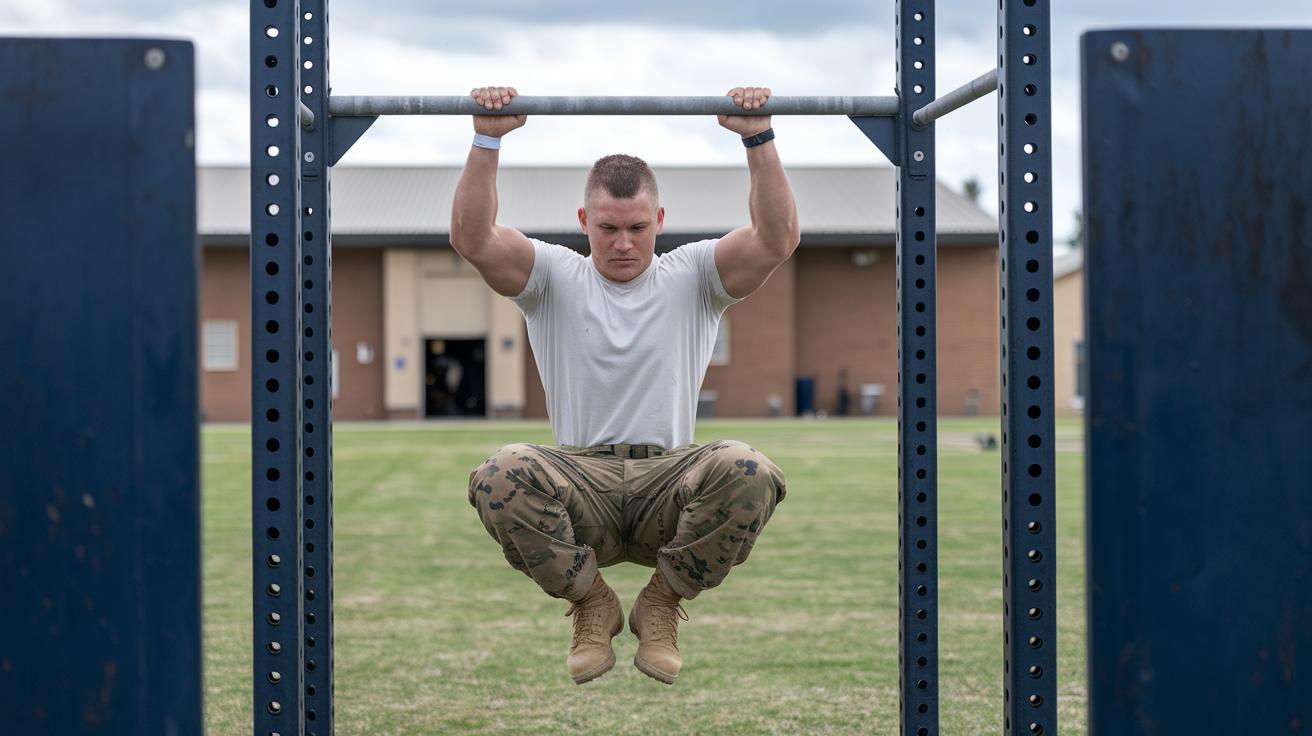
When you kick off a training plan, starting with a baseline assessment is key. It helps you figure out your current strength and endurance so you can adjust your exercises to your age and abilities. Many recruits begin with tests like the Marines' Initial Strength Test (IST) that check pull-ups, running, and planks. Once these tests set your fitness benchmark, you move on to the yearly Physical Fitness Test (PFT) to track your progress. This way, you build on your strengths while keeping an eye on how aging affects your muscle function and stamina.
As you get older, tweaking your workout routine becomes important. It’s normal for your body to need a bit more time and thoughtful adjustments. Techniques like slower eccentrics (where you lower yourself or weights gradually), doing more repetitions, and taking longer rests can really help manage a natural drop in strength. Simple bodyweight exercises, like modified planks or pull-ups adjusted to your current ability, are both effective and easier on your joints. For instance, starting with assisted pull-ups can build your strength before you try doing them on your own.
Now, it’s time to plan a strength schedule that suits your pace. Design your program with gradual load increases through progressive overload cycles, and be sure to schedule plenty of recovery time to avoid injury. The goal is to boost your strength steadily without pushing too hard. For examples of strength exercises tailored for older recruits, check out the military fitness exercises page to see how you can stay safe, strong, and mission-ready.
Cardiovascular Fitness Protocols for Senior Military Applicants

As you get older, keeping up your aerobic fitness is more important than ever. Your VO2max (that’s your body's ability to use oxygen) tends to drop over time, but regular aerobic training can help slow this decline. This means you keep your energy levels up, support lean muscle, and manage body fat, key factors when you’re gearing up for challenging military fitness tests and operations.
Try mixing things up with different workouts like interval running sessions, low-impact elliptical workouts, steady-state cycling, swimming drills, cross-training circuits, and rowing intervals. Each of these helps to keep your heart pumping and your body strong.
Balancing how hard you push with proper recovery is a must. Combining steady workouts with bursts of high intensity allows you to safely test your limits while giving your body time to recover and adapt. Tailor your workout durations and rest periods to match your own fitness level. This balanced plan helps maintain your energy and builds long-term endurance, both on the field and in everyday life.
Injury Prevention and Recovery Strategies for Military Fitness in Experienced Newcomers
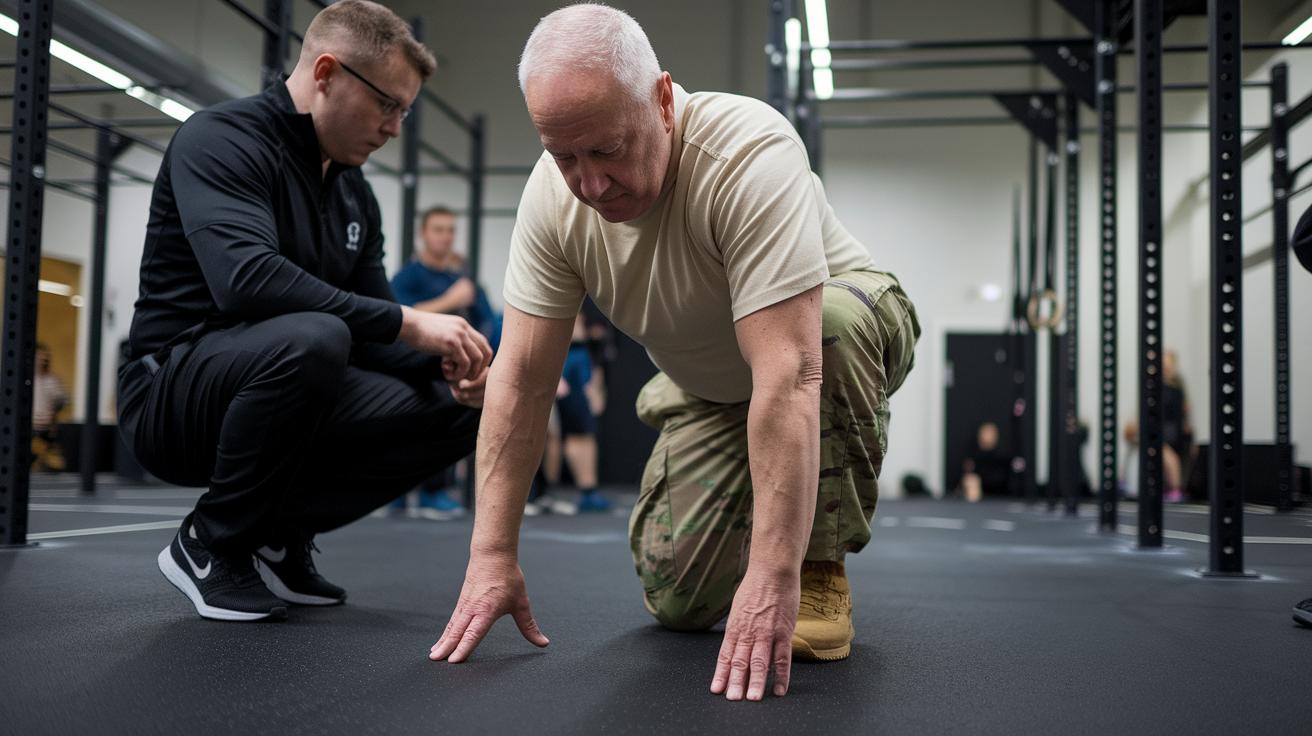
Older recruits often face setbacks in training because of years of hard work and past injuries. Years of tough physical activity leave small injuries and joint wear that can cause bigger problems if not taken care of. If you’re an older service member, you might be dealing with both old strains and constant stress, which is why smart injury prevention is key.
Simple mobility tests and active warm-ups are your first defense against joint pain. Personal check-ups help spot specific issues, so trainers can put together a recovery plan that includes stabilization drills and controlled movement exercises. These steps protect your joints during hard workouts and get your body ready for the rugged demands of military life.
Having a solid recovery plan is also important for long-term performance. Active stretching and self-massage techniques (methods to relax muscles and boost blood flow) ease muscle tightness and help you avoid post-workout aches. A proper cool-down after intense sessions not only cuts down soreness but also speeds up tissue repair. These recovery tips help you stick to your training while keeping injuries at bay.
Nutrition and Hydration Plans to Support Military Fitness for Aging Recruits

As we get older, having a strong eating plan makes a huge difference in keeping your muscles in top shape and your energy levels high. It’s a good idea to aim for about 1.2 to 2.0 grams of protein per kilogram of your body weight every day. This helps you hold on to muscle mass during tough training sessions. Carbs and fats are also important; they give you steady fuel, much like how a good meal before a drill keeps you going strong. And don’t forget about water, making sure you drink enough throughout the day stops you from getting overheated during those intense drills.
Beyond a balanced diet, adding a few smart supplements can push your body’s performance even further. Omega-3 fatty acids can work like a shield, reducing inflammation after those heavy workouts, and vitamin D helps keep your bones and muscles ready for action. It all comes down to timing, plan your meals and supplements around your training schedule, and you might notice faster recovery and consistent energy levels. This nutritional approach can be the solid base you need for enduring strength, resilience, and overall military readiness, even as you manage the natural challenges that come with aging.
Progress Tracking and Periodized Training for Military Fitness in Advanced-Age Trainees

Staying on track with your workouts is key. Using tests like push-ups, pull-ups, and a 1.5-mile run lets you see how well you're doing. It’s like checking your compass before heading out on a mission. When you mix in periodization, switching between warm-ups, intense training, and recovery, you steadily build strength without overdoing it.
Next, you can use these numbers to guide your training. If your score isn’t where you want it to be, you might dial back the load or give yourself a bit more recovery time. Think of it as giving your body a well-planned break so it can bounce back even stronger. It’s a method that helps you stay safe while steadily boosting your endurance.
| Test | Age Group Standard | Benchmark Example |
|---|---|---|
| PFT push-ups | 20 reps | 25 reps |
| 1.5-mile run | 12:30 min | 11:45 min |
| Pull-ups | 5 reps | 7 reps |
Reviewing these figures helps you spot where improvements are needed. Adjusting your routine based on clear measurements keeps your training on target and prepares you better for military assessments. It’s all about fine-tuning your approach and staying mission-ready.
Success Stories of Veteran Hopefuls Excelling in Military Fitness
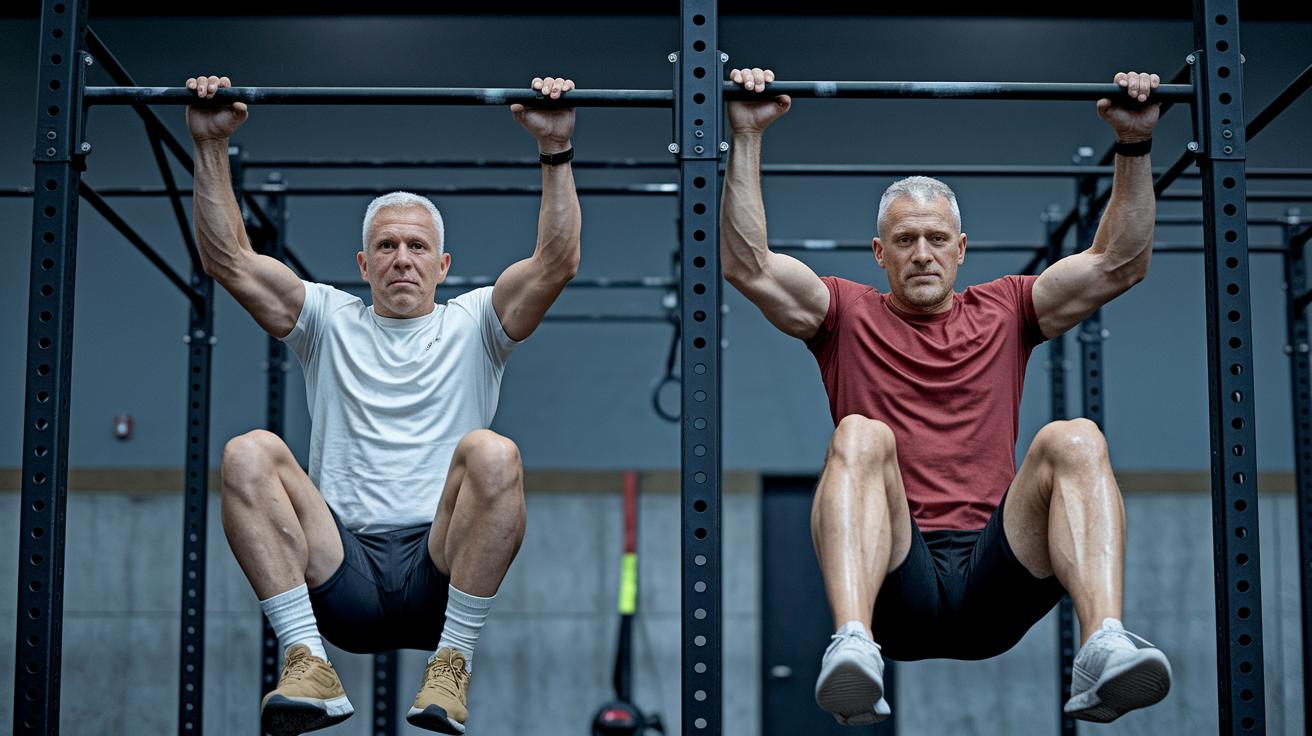
Even veterans over 50 are proving that age is just a number. They clock sharp run times and meet, or even beat, the age-adjusted fitness standards. Some finish the 1.5-mile run in times that challenge even their younger peers, and they push out pull-ups and push-ups that you’d expect from much younger recruits. It just goes to show that with a solid training plan, staying in top shape later in life is absolutely possible.
Specialized programs like the Tactical Fitness Course, Seasonal Tactical Fitness Periodization, and Never Quit Mindset Training are making a real difference. They mix smart training drills with focused mindset coaching (a supportive way to strengthen your mental toughness), helping these hopefuls fill in the physical gaps often linked with aging. Their strong performance on fitness tests lets them fit right in with military units. It’s clear that with determination and the right plan, age never stands in the way of success.
Final Words
In the action, we reviewed how age-specific adjustments boost overall performance. We broke down tailored strategies for strength training, cardiovascular routines, injury prevention, and smart nutrition to keep you sharp. We also highlighted progress tracking and confidence-building tips that align with military physical assessments. Every tactic discussed is meant to build a fitness plan that fits your needs. Stay committed, push through the challenges, and keep your focus on success. Military fitness for aging recruits can be your mission, and you're more than ready to make it happen.
FAQ
What does Military fitness for aging recruits YouTube offer?
Military fitness for aging recruits YouTube channels share video content featuring age-adjusted workouts, modifications for safety, and motivational tips to help older candidates prepare for service.
What characterizes the best military fitness for aging recruits?
The best military fitness programs for aging recruits combine strength, endurance, flexibility, and injury prevention routines designed to meet service standards while addressing age-related challenges.
What is the importance of physical fitness in military life?
Physical fitness in military life is crucial as it maintains combat readiness, reduces injury risks, and supports overall health, ensuring you are prepared for the rigorous demands of service.
What does it mean to be unfit for military service?
Being unfit for military service means not meeting the required physical and health benchmarks, which can include inadequate strength, endurance, or overall conditioning for the job.
What insights does the Pentagon’s 2020 Qualified Military Available Study provide?
The Pentagon’s 2020 Qualified Military Available Study offers insights into eligibility standards and trends in physical readiness, reflecting changes in recruitment policies and fitness requirements.
What does the term obesity military draft refer to?
The term obesity military draft highlights concerns regarding high body weight and its impact on enlistment standards, urging the need for improved health and fitness strategies among potential recruits.
What defines the U.S. population fit for military service?
The U.S. population fit for military service includes individuals who meet established health and physical criteria, ensuring they have sufficient strength, endurance, and agility to perform military duties.
What does military ineligible imply?
Military ineligible means that an individual does not meet the necessary physical or medical standards for service, often requiring extra training or health improvements before they can qualify.
Where can one find free military workout resources?
Free military workouts are available at community parks, local fitness centers, and online platforms offering digital training videos that mimic military exercise routines designed for service members.
What does the new Army Fitness Test 2025 introduce?
The new Army Fitness Test 2025 introduces updated exercises and scoring metrics aimed at better assessing overall strength, endurance, agility, and reflecting modern training methodologies.
What is the military fitness program for civilians?
The military fitness program for civilians is a structured training regimen that mirrors service workouts, focusing on improving strength, endurance, and physical readiness as part of a military-style routine.
How many sit-ups in 2 minutes does the Army require?
The Army’s sit-up requirement in 2 minutes varies by age and gender, serving as a core strength benchmark; standards are set to ensure sufficient abdominal endurance for military tasks.