
Have you ever thought your interview could be your toughest mission yet? Think of prepping for a military interview like checking your gear before a big drill. Every detail really matters.
When you spend time polishing your resume and practicing short, clear answers, you show discipline and respect for the process. This guide lays out a simple plan to organize your documents, fine-tune your stories, and step into any interview with confidence.
So get ready and face that interview with the grit of a true service member. Stay focused, you've got this!
Preparing for Your Military Interview: A Step-by-Step Approach
Getting ready for a military interview is key. Think of it like a team getting prepped for a mission; every detail counts. When you put effort into your prep, you show your discipline and respect for the process.
Start by organizing your resume and cover letter because clear, straightforward documents really stand out. Military officials look for clean, concise records of your achievements. Using sample formats like Resume Samples, CV Samples, and Cover Letter Samples can help you hit the mark. Plus, being ready with solid answers shows you’re serious about your service.
Here’s a simple plan to follow:
- Research your specific branch, role, and mission priorities.
- Polish your resume and cover letter using reliable sample formats.
- Prepare responses for common behavioral and technical questions.
- Sharpen your personal stories with the STAR (Situation-Task-Action-Result) method.
- Set up mock interviews or role-play drills to get comfortable.
- Choose the right outfit and gather all needed documents.
- Plan out your travel, know your route, arrival time, and bring a checklist.
Following these steps boosts your confidence and gets you mission-ready. When every item on your list is checked, you’ll walk into that room with solid assurance. This careful approach shows off your skills and ability to follow orders, proving you’re a dependable member of the service.
Understanding Military Interview Formats and Common Assessment Questions
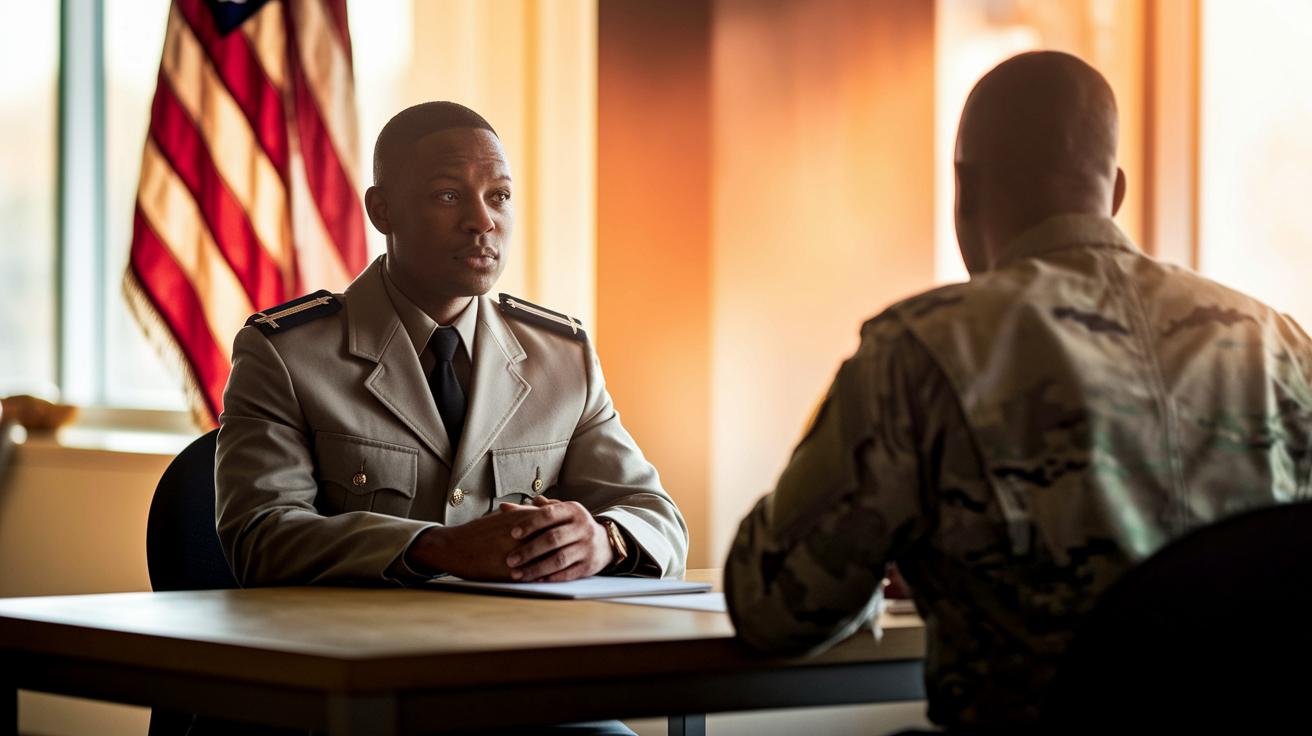
Military interviews come in different shapes. They might be a group panel or just one-on-one. Knowing what to expect helps you practice the right answers.
The questions usually fall into a few types. Some ask about past experiences (that is, behavioral questions) while others test your special skills (like a cognitive evaluation). Knowing these types is a lot like having a solid elevator pitch, you feel more ready to handle any high-pressure moment.
- "Why do you want to serve in this branch?"
- "Describe a time you led a team under pressure."
- "Explain how you manage stress in operational settings."
- "Give an example of conflict resolution within a unit."
- "Detail a technical challenge you solved."
- "How would you handle an ethical dilemma?"
- "Discuss a time you adapted to a rapidly changing situation."
- "What motivates you to pursue this role?"
Getting familiar with these common questions takes the surprise out of your interview. When you practice your answers, you’re not just telling your story, you’re showing that you can think quickly on your feet. It ties your real-life experiences directly to what the interviewers are looking for.
By role-playing different scenarios, your answers will feel more natural and confident, helping you deliver a clear and steady message to your interviewers.
Crafting Effective Responses in Military Interview Preparation
Strong answers in a military interview can really make you stand out. When you give clear, to-the-point replies, it shows you get your past experiences and that you're ready for the challenges ahead. Tying in key words from your resume and interview tips can help your achievements really pop. In this section, you'll find easy ways to shape your responses so they spotlight the skills you've worked hard to build.
STAR Method for Military Responses
Try using the STAR method (Situation, Task, Action, Result) when you answer questions. For example, you might say, "On a routine patrol (Situation), I was asked to coordinate our team (Task). I organized our resources and quickly changed our plans (Action), which led to a smooth, on-time return to base (Result)." This format makes your story simple to follow and clearly shows your success when things got tough.
Leadership and Teamwork Narratives
Tell stories that show how you lead and work with others. Think about times when you motivated your team under pressure or fixed problems during key missions. You might share, "During a field exercise, I led my unit through some unexpected hurdles, keeping everyone focused so we could finish our task." These kinds of stories reflect real military values and help build trust with your interviewers.
Technical and Ethical Scenarios
When you talk about technical challenges or tough moral choices, bring in clear examples from your own experience. For instance, "I once spotted a risk with our equipment setup and suggested a quick fix that stopped a possible hazard." This lets you show off both your skills and your strong sense of duty.
Practice and repetition are key. The more you refine your answers, the more confident and precise you'll be. And remember, using terms familiar to your field makes sure your skills hit home with the people interviewing you.
Mastering Professional Etiquette for Military Interviews

When you step into an interview room, your look speaks before you say a word. Whether you're in uniform or smart civilian clothes that match military style, a neat appearance shows you mean business, like getting ready for that big briefing.
How you carry yourself matters too. Stand tall, hold eye contact, and offer a firm handshake. When you're sitting or standing, keep your back straight with relaxed shoulders. These small signals tell your interviewer, "I've got this," much like confidently following a drill.
Speak clearly and keep your pace steady. Use short, direct sentences, and don't rush your words. A calm tone with measured pauses shows the control and discipline that every service member, and interviewer, values.
Mock Interview Simulations for Military Interview Preparation
Plan mock interviews that mirror real-life situations. You can practice with a peer, schedule a session with a career coach, or record yourself to later check your body language and tone. For instance, try recording your answer to a difficult situational question. This variety of practice helps you get useful feedback and shows you where you can improve.
Build a high-pressure drill by adding timed responses and realistic role-playing. These exercises push you to reply quickly, just like in an actual interview where seconds matter. After each round, take a moment to ask yourself, "Did I get my point across well?" This honest review builds your ability to adapt when the pressure is on.
Ease your nerves by using simple stress-busting tactics during your prep. Take a few deep breaths before each simulation and jot down what went well and what didn’t on a quick checklist. These small steps turn mock interviews into powerful training sessions, setting you up for success.
Post-Interview Debrief and Follow-Up for Military Interviews
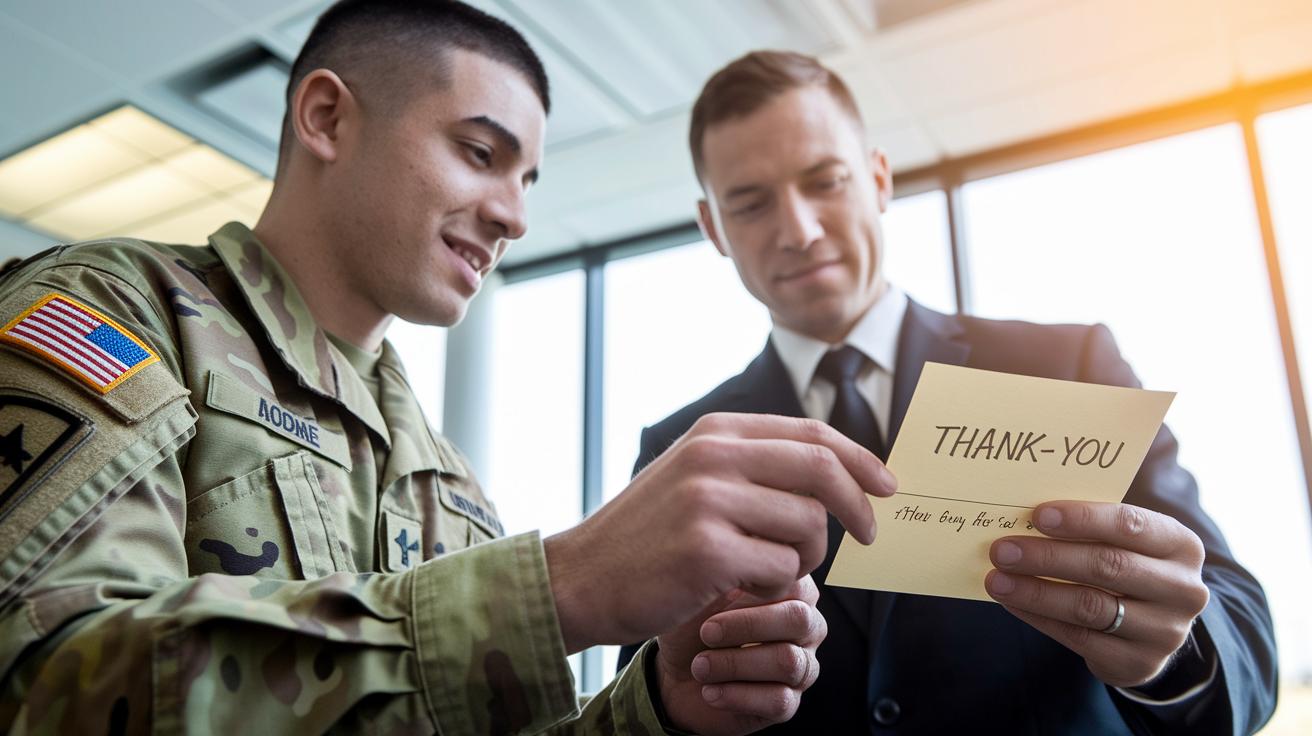
Right after your interview, shoot a quick thank-you note. Mention a few key points from your chat that really stood out to you, maybe how ready you are to tackle mission-critical tasks. For example, you could write, "Thank you for talking about team efficiency and leadership." This simple note shows your enthusiasm and leaves a good impression.
Also, don’t be shy about asking for feedback. A quick note asking for any pointers on how you could do even better next time is a smart move. Maybe ask, "What’s one piece of advice you have for improving my response?" Make sure to jot down their advice, it helps you grow and prepare for future opportunities.
Finally, stay connected with recruiters and networking contacts. Share updates about your progress, any new certifications, or training sessions that boost your skills. This proactive follow-up shows you’re serious about your career and keeps you in the loop for upcoming chances.
Essential Resources for Military Interview Preparation
Online portals and official branch websites are a big help. They give you the latest details on mission objectives, role responsibilities, and the culture of the unit you might join. Need a quick guide on what the job involves or some pre-assessment tips? These sites deliver the inside scoop straight from the source, helping you understand the branch’s goals and values without any fuss.
Transition programs like DoD SkillBridge and training modules tailored to specific military occupational specialties build a real, hands-on foundation. They offer genuine insights that can boost your confidence. Plus, resources like the Military Spouse Resource Center and Veteran Talent Source expand your network, connecting you with folks who’ve been through it all. Attending career fairs and local events also gives you practical, down-to-earth interview tips, ensuring you know exactly what recruiters are after.
Security clearance guides and cultural-fit questionnaires are must-haves for grasping the detailed standards of the military. They break down the day-to-day rules and help you see how your personal style lines up with what the unit requires. Using these documents in your preparation shows that you’re on top of both security measures and the qualities that matter in service members. It’s a smart way to prove you’re serious about every detail of the role.
Final Words
In the action, the guide breaks down every necessary step for nailing your military interview. We covered document readiness, structured responses using the STAR method, proper interview etiquette, and hands-on mock simulations. These clear steps increase both physical and mental readiness to face any challenge. The military interview preparation guide gives practical strategies to shape your answers and boost confidence. Keep practicing and stay focused, every drill gets you closer to mission success.
FAQ
What are effective ways to use Reddit for military interview preparation?
The reference to a military interview preparation guide on Reddit means you can find real-world tips, community insights, and personal experiences that offer unique perspectives to boost your readiness for interview challenges.
How can I access military interview questions and answers in PDF format?
The military interview questions and answers PDF provides a handy document with sample questions, answer strategies, and clear responses that help you study and prepare confidently for your military interview.
What are board interview questions for military roles, including army briefing and AFP boards?
The military board interview questions include queries on leadership, conflict resolution, and technical skills. They address both army briefing and AFP board formats, testing your aptitude and alignment with service criteria.
How do I prepare and pass the military interview?
The inquiry about preparing and passing the military interview means you should polish your resume, practice responses, and use structured formats like STAR to clearly display your skills and experiences.
How should I introduce myself in an Army interview?
The prompt to introduce yourself in an Army interview suggests starting with your background, service aspirations, and core values, forming a clear, concise narrative that showcases your alignment with military principles.
What are the 3 C’s of interviewing?
The 3 C’s of interviewing indicate areas to focus on: clarity, confidence, and communication. Emphasizing these helps you effectively present your qualifications and build trust during the interview.
What is considered a red flag, and what are the 5 star techniques when interviewing?
The reference to a red flag in an interview means watching for signs of unprofessional behavior. Meanwhile, the 5 star techniques highlight preparation, self-awareness, structured responses, professional demeanor, and thoughtful follow-up.