
Have you ever noticed that some soldiers nail their tests while others seem to fall behind? A good plan, kind of like a mission briefing, makes everything click. When you treat your study sessions like tactical drills, you prepare like you would for a real training exercise. Think of timed practice tests as live-fire exercises that sharpen your skills and build your confidence. In this article, we show how a simple plan, steady habits, and practice that feels real can turn your study routine into a real competitive edge for military readiness.
Core Framework for Effective Military Test Strategies
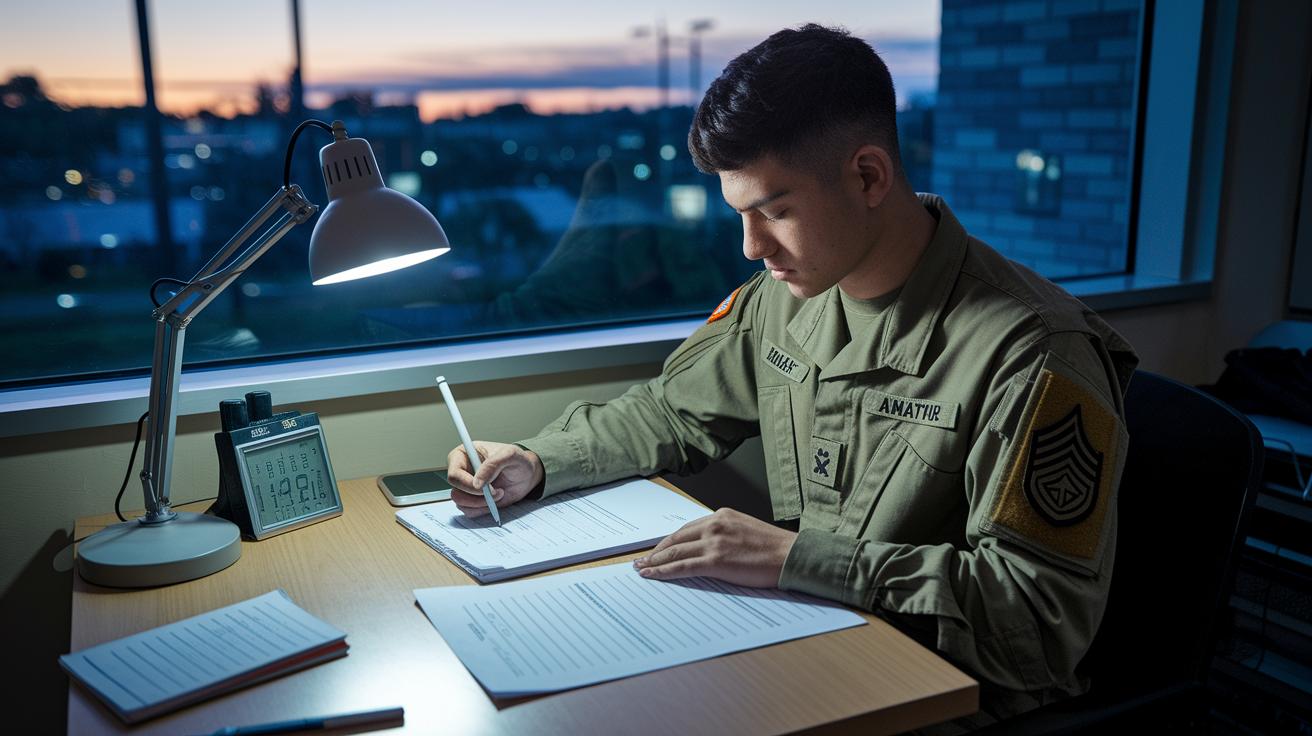
Creating a clear plan is key to preparing for military tests in real-life field conditions. Studying in quiet spots, like a dorm, library, or home, helps you focus, just like you would when getting ready for a mission briefing. It’s also important to look after both your body and mind by getting enough sleep, eating well, and exercising regularly. Taking timed practice tests is like running live-fire drills. They help you learn to manage your time, especially for tests like the ASVAB (a test with 10 parts including General Science, Arithmetic Reasoning, and Word Knowledge that helps match you with roles). This kind of plan turns test prep into a true tactical advantage.
Here are five key pillars of this system:
- Data-Driven Design
- Scenario Fidelity
- Metric Integration
- Real-Time Feedback
- After-Action Reviews
| Pillar | Description | Operational Impact |
|---|---|---|
| Data-Driven Design | Uses info from practice tests to shape your study plan. | Helps you make better decisions in the field. |
| Scenario Fidelity | Mimics real combat conditions during practice sessions. | Makes you more comfortable in stressful situations. |
| Metric Integration | Combines different practice scores to give a clear picture of your skills. | Sets clear goals and spots areas to improve. |
| After-Action Reviews | Looks over tests to learn from what went well or not. | Encourages ongoing improvement and keeps you mission-ready. |
By linking ASVAB details with other military tests, this plan shows the power of using test data to improve your strategy. For more tips on getting ready for tests, check out the resources at military aptitude tests and the military entrance exam guide. These guides explain how having a solid framework not only boosts test scores but also ramps up your overall readiness for the field.
Operational Readiness Evaluation Techniques within Effective Military Test Strategies

Before you head into any exam, make sure you double-check your gear. Grab your ID, pencils, calculator, and any other required items, kind of like a quick gear check before a mission. This small step keeps distractions to a minimum and makes sure you're all set for whatever questions come your way.
Next, build up your mental toughness with deep breathing and mindfulness. These simple exercises, like taking a few slow, focused breaths, help you manage stress and keep your mind sharp. It’s similar to a quick drill where you refocus after a tough obstacle. Have you ever felt that surge of clarity during a moment of pressure?
Then, try to mimic real testing conditions as much as you can. Create study sessions that include background noise, changes in lighting, or even different temperatures. You might even want to run short, timed drills to check your reaction speed. This approach not only tests your readiness but also builds the confidence you need to handle any challenge that comes your way.
Simulation-Based War Gaming for Effective Military Test Strategies
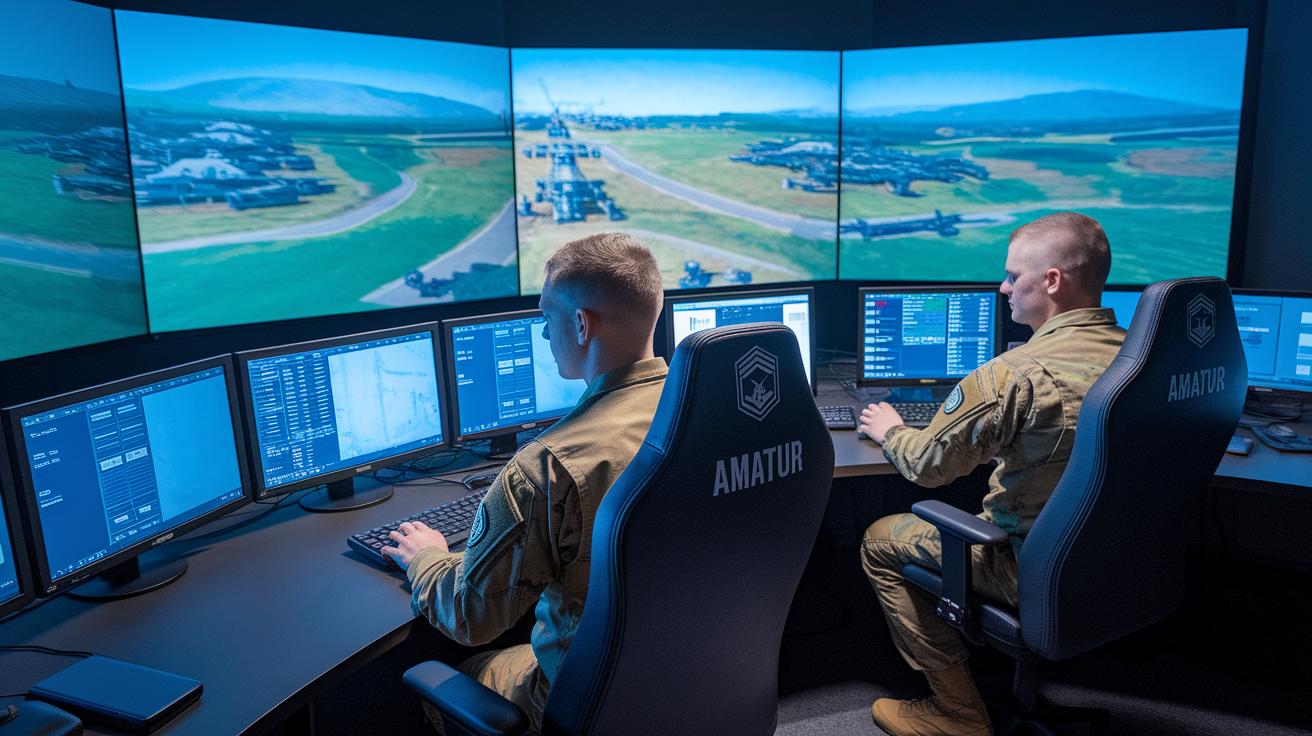
Full-scale war game simulations replicate real-world military operations and command structures. They push you to think fast and act with confidence, much like being on the field. Imagine every decision weighing as heavily as a critical mission, that’s the heart of these simulations.
These exercises use a variety of scenarios, from urban skirmishes to desert maneuvers and naval operations. Each setting challenges your problem-solving and keeps you alert to your surroundings. Working together in team exercises under simulated pressure sharpens both decision-making and communication.
After every simulation, an After-Action Review (AAR) captures what you learned. These reviews break down your performance by highlighting strengths and spotting areas to improve. Trainers then adjust the scenarios to match new challenges, ensuring you’re always ready for the next mission.
Optimizing Testing Protocols and Performance Metrics in Military Test Strategies

Military exams need a plan that’s accurate and flexible. We use data and simple performance goals to sharpen decision-making, just like planning a mission. With clear scoring guides and real-time dashboards, you can check skills like target identification speed and hitting the mark. Setting good benchmarks based on past results helps you gauge if you’re ready to face any challenge. In short, this method avoids over-focusing on one part and gives you a balanced look at your overall ability.
Defining Actionable Performance Metrics
When picking mission-related cues, think about things like precision targeting reviews and quick-decision tests. These numbers give you clear markers that tie directly to what you do in the field. Having structured data tells you exactly which skills need a bit more work. Picture it like fine-tuning your gear before heading out on patrol, it makes every drill count and every improvement clear.
Validating Protocol Reliability
Regular field tests and checking samples over and over form the backbone of solid assessments. Running the same realistic drills again and again confirms these methods work in different conditions. By taking measurements repeatedly, you know the results are steady and not just random. This builds trust in the data and sets a strong foundation for future improvements. In essence, connecting these well-tested methods to your overall readiness means you’re not just measuring skills, you’re honing them for real-world operations.
Adaptive Training Procedures and High-Stress Situational Tests for Military Test Strategies
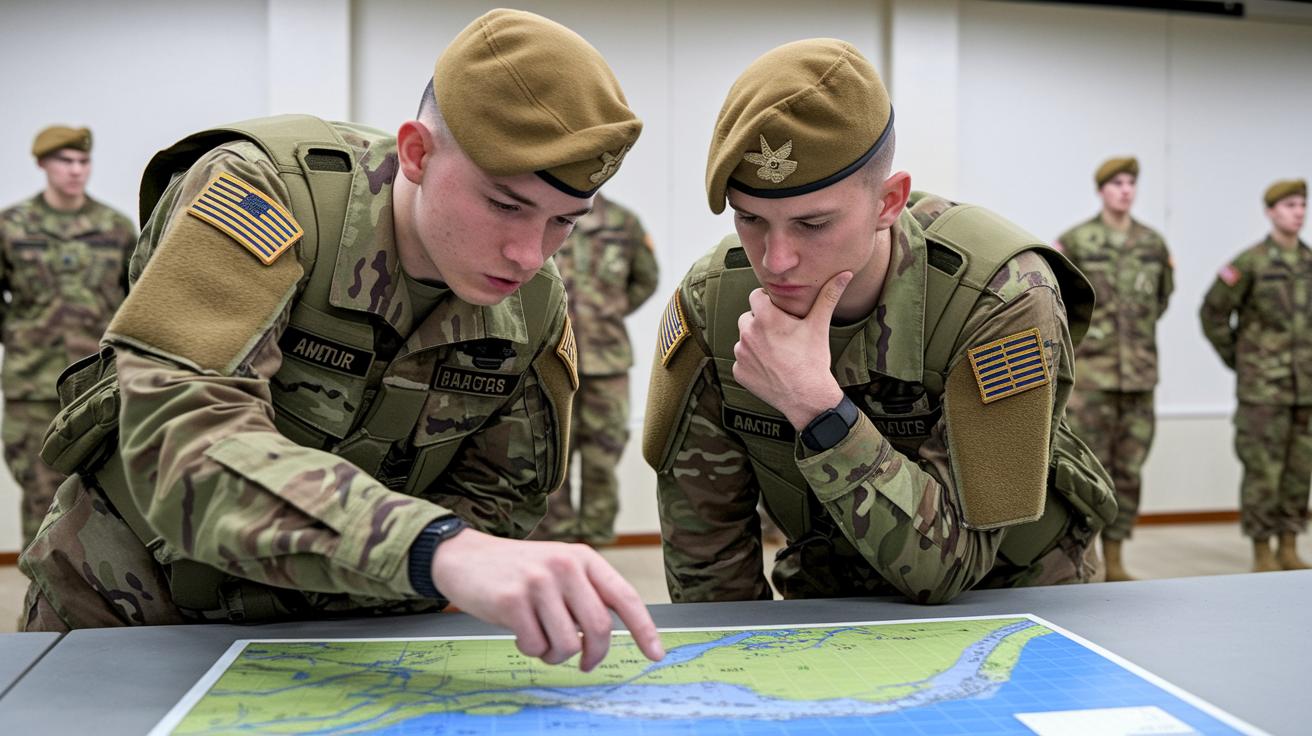
Adaptive training is all about learning on the fly. It uses real-time, scenario-based lessons that change as you perform. If you struggle during a simulated urban operation, for instance, your trainer might switch gears and work on boosting your quick decision-making skills. This flexible approach makes sure each drill echoes the fast-paced changes you face in the field.
High-stress situational tests are a key part of these training programs. They bring a taste of real combat pressure into the classroom with time limits, multitasking challenges, and sometimes even unclear instructions. Imagine having to juggle several tasks at once while a clock ticks down, that’s exactly the pressure you might face out there. These tests build your ability to make quick, confident decisions when every second counts.
After each drill, we use cognitive think-aloud protocols and team debriefs. You get to explain your decision path and chat about what strategies worked best with your peers. Techniques like controlled breathing and mental imagery are covered to help keep the nerves at bay and build resilience. This team discussion not only clarifies the tactics but also bumps up your readiness for real-world missions.
Final Words
In the action, the post laid out essential steps from quiet preparation and real-world simulations to strict testing protocol checks. It explained how balancing mental and physical training, using scenario-based war gaming, and fine-tuning performance metrics can sharpen skills for military aptitude tests. Each section built on a clear plan for boosting readiness, confidence, and overall performance. Use these effective military test strategies to push past limits and take on new challenges with confidence.