
Have you ever thought that a solid fitness routine might be the secret weapon to your military success? Imagine feeling the steady burn in your muscles and the rush of energy as you push through high-intensity workouts that build strength and keep your heart pumping strong.
This fitness plan is built to boost your strength, endurance, agility, and mobility – all essential for training drills and real missions. It’s like gearing up for every challenge, making sure you’re ready both in body and mind.
So, are you set to take on everyday obstacles with a body made for action? Let’s break down these power workouts so you can make every move count.
military fitness plan: Power Workouts for Success

This military fitness plan is made to help you reach your best during recruitment tests and real missions. It builds functional strength, muscle endurance, and heart stamina with full-body workouts you can feel. Think of it like training that mixes raw power with lasting endurance, getting you ready for everything from lifting heavy loads to sprinting under pressure. For example, you might kick things off with a high-intensity bodyweight circuit that mimics the physical challenges you'll face during your training.
The plan stands on four key areas: endurance, strength, agility, and mobility. Endurance boosts your heart health and gives you the stamina for long tasks. Strength gets you ready to carry heavy gear, like an 80-lb rucksack. Agility helps you move quickly, so you’re ready to react when things change fast. And mobility keeps your joints and muscles flexible, so you're prepared for any demanding move. All these parts work together like a well-coordinated team, each one boosting the others.
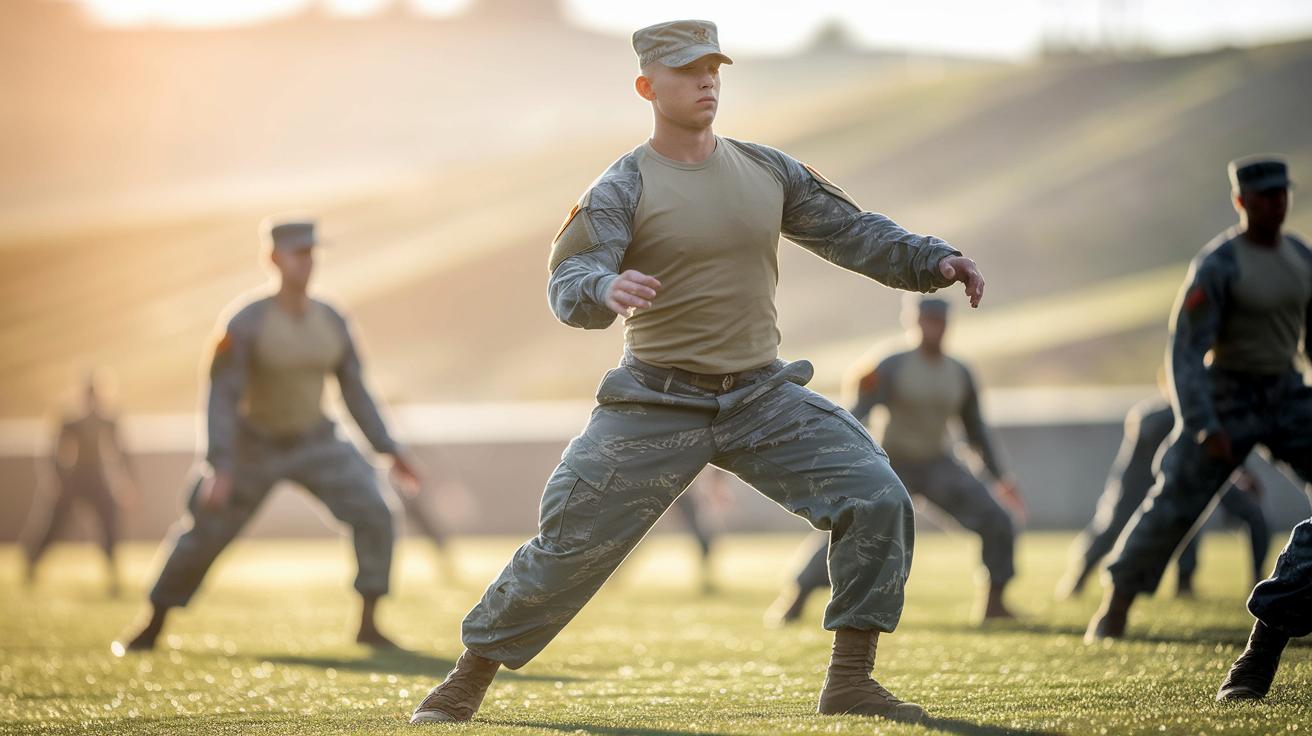
The cool thing is that the bodyweight circuit fits right in, whether you're training at home, on the track, or in a park. It’s flexible enough for solo drills or group sessions, mixing classic military workouts with modern twists. For instance, an at-home circuit might have push-ups, squats, and short sprints. This type of workout not only builds up your strength and agility but also keeps you engaged and ready for real training conditions.
Designing a Trooper Workout Regimen for Strength and Endurance

A solid five-day plan can boost your power and stamina, making it easier to pass military fitness tests. This workout is designed to help you hit big goals, like running 5 miles in 37 minutes or covering 12 miles with a steady 13-minute pace. It also prepares you for real-life tasks, carrying an 80-pound rucksack or moving heavy objects through practical strength exercises. Plus, the mix of strength work and low-impact cardio means it's a good fit whether you lean more toward endurance or building muscle power.
- Day 1: Start strong with a circuit of bodyweight moves, think push-ups, squats, and lunges, to get the week underway.
- Day 2: Try an interval run, mixing bursts of sprinting with jogging breaks to sharpen your heart and lung capacity.
- Day 3: Focus on resistance training that mimics moving heavy gear, giving you the kind of strength you need on the field.
- Day 4: Break out for a long, steady run to build your endurance and keep your aerobic system in top shape.
- Day 5: End the week with a ruck march. This mimics carrying weighted loads and helps you get used to different terrains.
Keep in mind that adjusting weights and pacing is key to steady progress. Start with loads and speeds that match where you're at now, and then step it up as your strength and endurance improve. It might help to keep a training log where you jot down the weights, reps, and how you felt during recovery, this way, you avoid pushing too hard too soon and reduce the risk of injury. Each workout builds on the last, pushing you steadily closer to meeting those tough military standards.
Tactical Exercise Blueprint: A 30-Day Boot Camp Training Plan

This 30-day plan is split into four clear phases designed to help you build strength, push your limits, and then recover for tough physical missions. Week by week, you'll start by laying a solid base, then slowly boost the intensity, hit your heaviest workouts, and finally check your progress while giving your body time to rest. The Military Fit program gives you two options. One is a strength plan with four weight sessions, two runs, and one ruck each week. The other is an endurance plan that mixes in two full-body strength sessions, a calisthenics workout, three runs, and a low-impact cardio or ruck day. Both are built to grow functional muscle and improve your heart health using bodyweight circuits that work well indoors, outdoors, on the track, or on the field.
| Week | Focus | Main Workouts | Frequency |
|---|---|---|---|
| 1 | Base Strength & Aerobic | Bodyweight circuits, Easy runs | 5×/wk |
| 2 | Volume Increase | Weighted circuits, Interval runs | 5×/wk |
| 3 | Peak Load | Heavy circuits, Tempo runs, Ruck | 6×/wk |
| 4 | Recovery & Test | Deload circuits, Time-trial runs | 4×/wk |
Which plan you pick depends on where you're at now and what you want to improve. If you need to boost your load-bearing strength (like when you're hauling heavy gear), try the strength-based template. But if you're after building endurance and a stronger heart, the endurance plan will likely suit you better. You can also mix or tweak them as your goals change and you get stronger.
Nutrition Tips and Mobility & Recovery Plan for Your Military Fitness Plan
Fuel your body with a mix of 40% carbs, 30% protein, and 30% fats to help your muscles repair and keep your energy steady during hard workouts. Stay on top of hydration by drinking at least 3 liters of water every day. A smart move is to add supplements, like a serving of protein powder right after training or an electrolyte drink during long runs, to keep you performing at your best, almost like recharging your battery after a tough mission.
Every day, make a point to move and stretch. Begin with a dynamic warm-up that gets your blood flowing, then roll out on a foam roller to ease any tight spots. Don’t forget to target stretches for your hips, hamstrings, and calves. Think of these steps as your warm-up drill, getting your body ready for action before you dive into the mission ahead.
Rest and recovery are just as important as your training. Make sure to include lighter activities on your rest days and aim for 7 to 8 hours of sleep each night to really reset. If something feels off, like a bit of shin pain or discomfort around your IT-band, handle it right away. This careful attention keeps you on course with your training goals while steering clear of injury.
Scaling Your Military Fitness Plan for Beginners and Special Ops Candidates

If you're just getting started, begin with simple bodyweight exercises and short runs around 1 to 2 miles. Start easy with sets of push-ups, squats, and lunges, and mix in a light 1.5-mile jog at your own pace. This approach builds your strength and endurance gradually, helping you keep a good form and steer clear of injuries like shin splints or IT-band issues.
For those eyeing special ops, it's time to kick it up a notch. Incorporate tougher changes like weighted rucks (carrying 50 to 80 pounds), high-intensity interval sessions, and drills that mirror what you'll face in the field. Try adding hill sprints or obstacle courses. These exercises boost not just your physical strength and stamina but also test your agility and mental grit, getting you ready for the unpredictable demands of real missions.
Always keep an eye on any nagging pain. If something feels off, switch to lighter activities like a brisk walk or some stretching. Giving your body time to recuperate ensures you're always ready for the next challenge.
Tracking Progress and Periodization in Your Military Fitness Plan

Start by keeping a training journal where you jot down your session details. Write down things like your run times, the weight you used during your workouts, and even a recovery score after your session. For instance, you might write, "Ran 5 miles in 37 minutes; carried an 80-lb rucksack for 3 sets; recovery score: 4 out of 5." This simple record lets you see your progress right away and helps you decide when to push harder or take it a bit easier. Think of it as your personal field manual, reminding you to train 5 or 6 days each week and give your best during intense drills.
Next, break your training into clear phases to build up your readiness step by step. If you’re more than 6 months out from selection, focus on building a solid strength and aerobic base. Then, when you’re 3 to 6 months away, start adding in exercises that match selection challenges along with some powerlifting and extra accessory work to fine-tune your skills. At about 2 to 3 months out, shift your focus to peak with drills that mimic the actual selection challenges. Finally, in the 8 weeks before your goal, concentrate on maintaining your strength with lighter lifts, steady runs, rucking, and practicing test scenarios. Keep a record of these phases in your workout log so you know exactly when it’s time to advance to the next stage.
Final Words
In the action, this guide broke down what goes into a solid military fitness plan, from building endurance, strength, agility, and mobility to proper nutrition and recovery steps.
You learned how daily workouts, periodized training, and practical adjustments can boost your performance and readiness.
Keep moving forward with confidence and commitment. Your steady progress is the key to test success and a bright future in your military career.
FAQ
How can I access a free military fitness plan PDF?
The free military fitness plan PDF offers a downloadable guide featuring bodyweight circuits, endurance runs, and strength drills that meet military standards, so you can train without cost.
What does a military fitness plan for beginners include?
The military fitness plan for beginners includes simple bodyweight exercises and short runs that gradually build strength and endurance, making it easier for new recruits to start the regimen confidently.
What does an 8-week military fitness program include?
The 8-week military fitness program includes phased workouts focusing on strength, endurance, agility, and mobility, providing a step-by-step approach to boost overall fitness for rigorous military tasks.
What features are in a 30-day military workout program PDF?
The 30-day military workout program PDF lays out daily routines with bodyweight circuits, interval runs, and ruck marches designed to enhance physical readiness through structured, progressive training.
What considerations are there in a military fitness plan for females?
The military fitness plan for females covers the same drills as standard plans but modifies load and intensity to match varying strength levels, ensuring effective training while addressing unique performance needs.
How can I perform an Army workout routine at home?
The Army workout routine at home uses bodyweight exercises, running intervals, and strength circuits with minimal space and equipment needed, so you can maintain rigorous training from your living room.