
Ever wonder if your everyday study plan is ready for tough military exams? Think of your study habits like the strategy you use on a challenging mission. In this post, we share simple, proven tips that turn steady discipline into real confidence.
We explain how to set clear goals, build a routine that sticks, and take on exam formats without fear. Imagine training your mind like a soldier gets ready for drill practice. These easy steps help sharpen your focus and prepare you for test day.
So, are you set to boost your readiness and power through exam day?
Key Strategies for Adapting Study Habits for Military Exams
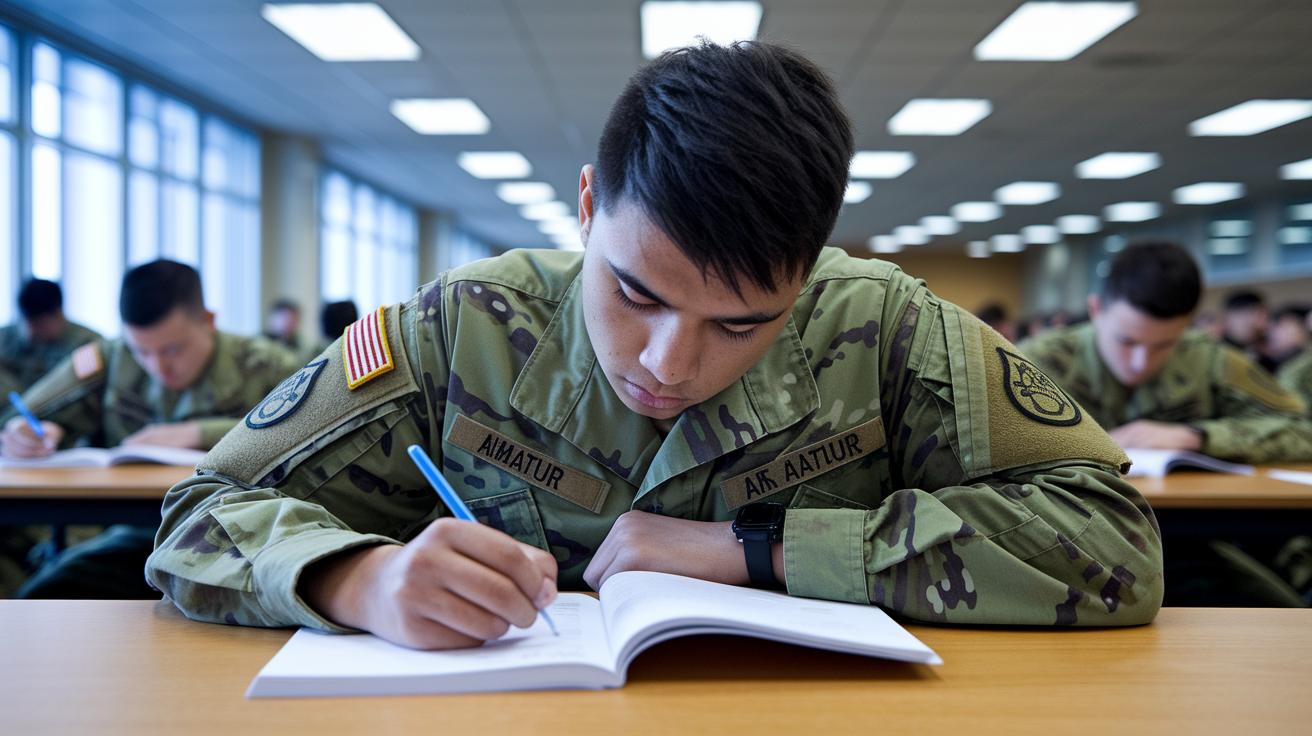
Military exams need a careful, disciplined plan. They test what you know and how well you keep cool under pressure. Think of studying like getting ready for a challenging mission, every step counts.
A steady study routine is your best buddy. When you follow a clear plan, you gain confidence, just like sticking to a mission order. This method helps you work through the exam format and time limits without getting overwhelmed.
- Make a study schedule with clear goals, deadlines, and regular breaks.
- Stay disciplined and avoid putting things off.
- Learn the exam layout so you know what types of questions (like grammar or math) to expect.
- Mix up your methods with flash cards, video lessons, and timed drills.
- Master the basics before you move on to tougher topics.
Setting aside regular time to study, checking your progress, and tweaking your approach when needed is like running a drill. With each session, you build mental strength and stay sharp. In the end, this preparation not only deepens your understanding but also lights a fire under your confidence, so you're all set for test day.
Structured Study Schedules for Military Exam Preparation

Kick off your exam prep at least six months ahead of test day. This gives you plenty of time to learn the exam format (how the test is set up) and nail your scheduling deadlines. It’s a lot like gearing up for a tough boot camp, starting early boosts your confidence and sharpens your skills.
Find yourself a quiet, distraction-free spot to study. Whether it’s your bedroom, a corner in the dorm, or a peaceful library nook, having a calm space helps you focus. Imagine a neat workstation where everything is in its place and all the extra noise is kept at bay.
Divide your study time into 60 to 90-minute sessions, and then take a short 10 to 15-minute break afterward. This simple approach lets your mind rest and steers clear of fatigue. Think of it like a series of focused drills that keep you alert and ready to learn more.
Mix in physical training and practice tests into your daily routine. Set aside 30 to 45 minutes for exercise to keep your body and mind in sync. Also, plan a full-length practice exam every other week to check your progress. Combining study, breaks, and fitness gets you ready both mentally and physically for exam day.
Adaptive Learning Methods and Personalized Plans for Defense Exams

Digital platforms have really changed the game for getting ready for defense exams. They bring in cool tools like live video lessons, chat groups, and mobile quizzes that keep your study sessions lively and fun. Imagine your screen lighting up with real-time reviews, just like a quick field briefing, helping you break down tough subjects with tech that moves as fast as our drills. It turns studying into practical training instead of the same old routine.
Team study is another great advantage. When you work with your fellow service members, you get to mull over tricky topics, share useful tips, and keep each other on track. It’s a bit like a squad tackling a vital mission together. Sometimes, explaining a tough math problem to a buddy can make the tough stuff a lot clearer for everyone.
Customizing your plan as you go is key. After every practice run, take a moment for a mission debrief. Write down any mistakes, spot patterns, and tweak your focus as needed. Keep your notes and digital files organized by topic and date for a quick review, so you can zero in on the areas that need a little extra work.
Mental and Physical Conditioning to Optimize Military Exam Readiness

Begin your study breaks with deep breathing and a short meditation. Take a moment to breathe slowly and deeply, giving your mind a quick reset like a brief pause before a mission. This simple routine helps quiet your nerves and sharpens your focus.
Make sure you're getting 7–8 hours of sleep each night and fitting regular exercise into your day. Keeping hydrated and eating balanced meals is like fueling your body for long hours on patrol. Picture yourself going for a brisk run or hitting the gym, it’s preparing you mentally and physically for exam day.
On exam day, double-check you’ve got your ID, pencils, and calculator in tow. Get there early, take a good look at all instructions, and think of it as your pre-mission briefing. This careful routine ensures you haven’t missed anything important.
If anxiety creeps in, reach out to a counselor, mentor, or academic service. Chatting with someone you trust can ease your worries and keep your mind clear, so you can handle the pressure with confidence.
Practice Tests and Performance Tracking for Military Exam Success
Think of practice tests like live-fire drills. They build up your skills and show you where you need a bit more work. Regular full-length exams help you spot your strong points and the areas that require extra practice. This honest self-check is a key part of developing the discipline needed in any military setting.
Timed drills and simulated tests boost your endurance and show you how to handle pressure. After each session, take a moment to review your mistakes like a quick debrief. This way, you can set clear, corrective goals and fine-tune your study focus, just like adjusting your strategy after a field operation.
| Test Type | Frequency | Primary Benefit |
|---|---|---|
| ASVAB Full Practice | Biweekly | Comprehensive skill overview |
| SAT/ACT Simulation | Monthly | Time-management mastery |
| Timed Topic Drill | Daily | Focused error correction |
Incorporating these practice sessions into your daily routine creates a steady review process that keeps you on track. Each session becomes like a mission debrief, where you note errors, set new targets, and gradually hone your skills for exam day.
Final Words
In the action, you’ve seen how combining a disciplined schedule and adaptive study methods can boost exam success. The strategies we covered, systematic reviews, varied learning techniques, strict focus, and regular performance drills, are all useful for adapting study habits for military exams.
Mixing these tactics with physical and mental conditioning sets you up for strong readiness. Stay motivated, keep training smart, and believe in your ability to excel on test day.
FAQ
Frequently Asked Questions
What does a military intuition test mean and can I take one for free?
A military intuition test measures your instinct in decision-making for service-related scenarios, and free versions often allow you to try out these assessments without any cost.
What is the Military Entrance Test (MET) and how do I sign up for military service?
The Military Entrance Test (MET) evaluates your fit for the armed forces, and signing up for military service starts with your local recruiting office or the official online registration portal.
How do ASVAB scores affect Army infantry, other Army jobs, and Military Intelligence positions?
ASVAB scores determine eligibility for different Army roles; each sector, whether infantry, specialized Army jobs, or Military Intelligence, requires a specific score to qualify for enrollment.
What is the 1/2/3 method for studying, and is two weeks enough to study for the ASVAB?
The 1/2/3 method breaks your study time into structured segments to build strong concepts, though two weeks might only work for some; extended preparation is usually advised for solid ASVAB readiness.
What are some effective and easy ways to study for the ASVAB exam?
Effective ASVAB study methods include creating a clear schedule, using varied study tools like flashcards and practice tests, and consistently reviewing material to build confidence and understanding.