
Ever wonder if our tests really match the challenges of real life? New changes now put training in conditions that feel like real combat. The Army reviewed nearly one million test attempts to replace old drills with ones that hit closer to the mark. Soldiers now face events that mirror the tasks they do every day. This fresh look shows how updated tests boost readiness and make training more practical.
Comprehensive Overview of Recent Military Test Changes

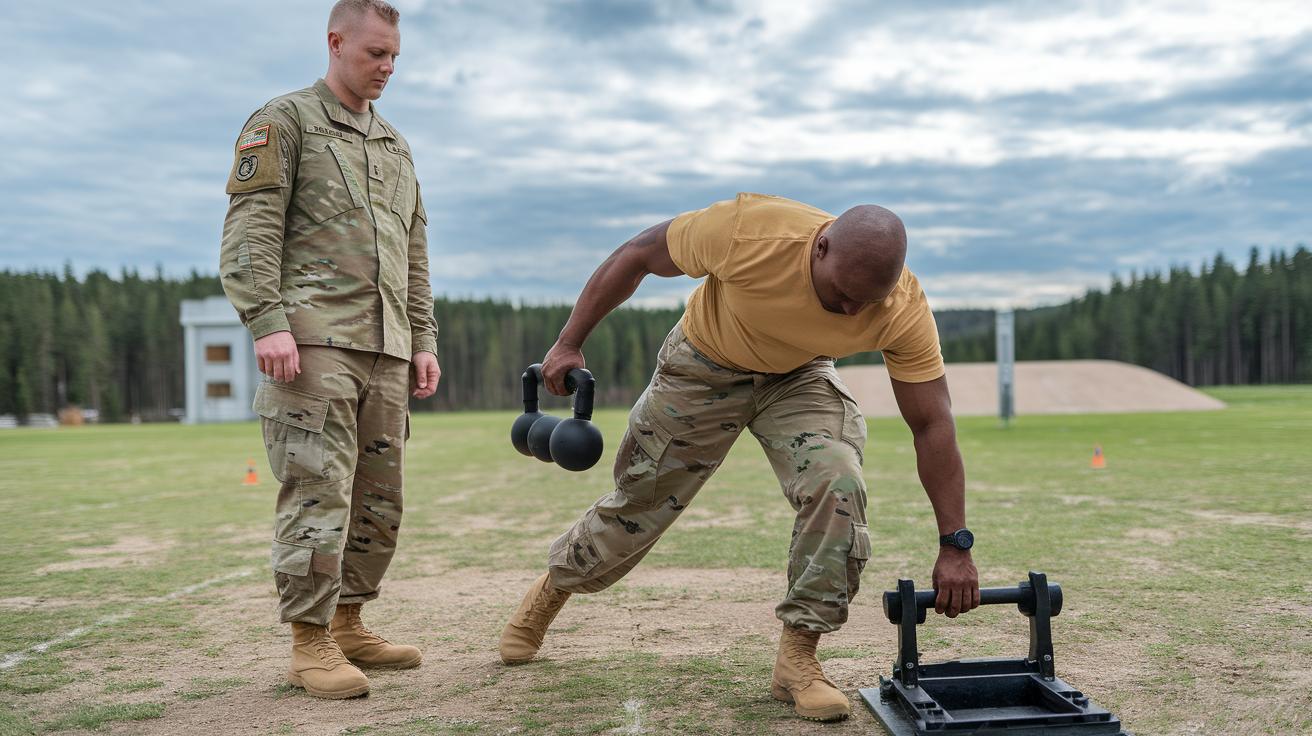
Recent updates to the Army's fitness testing were driven by the need to mirror the physical challenges soldiers face today. On June 1, 2025, after reviewing nearly one million test attempts, the Army introduced a fresh format built around realistic, job-related activities instead of older, less applicable methods.
These changes run deep and are designed to better simulate the stresses of combat. For instance, the removal of the standing power throw shows a clear focus on safety while still challenging soldiers under conditions that mimic real field operations.
Here’s a quick rundown of the new events:
• 3 Repetition Maximum Deadlift
• Hand Release Push-Up – Arm Extension
• Sprint-Drag-Carry
• Plank
• Two-Mile Run
Two scoring systems now guide the tests. Soldiers in combat roles follow the Combat Standard, while all other soldiers adhere to the General Standard, each with essential minimum scores. Additionally, a new grooming and accountability policy called the No More Walking On Eggshells Policy was rolled out on April 23. This policy simplifies equal opportunity checks and inspector general processes to keep accountability and operational readiness front and center.
Every change is designed to ensure soldiers are tested on skills they truly need, blending safety with the intensity of real-life mission demands.
Timeline and Rationale for Recent Military Test Changes
These test changes were set up with careful steps to make sure every soldier gets the right check as our training needs change. Think of it like a drill: each step builds the groundwork for full readiness on the field.
Phase 1 started on June 1, 2025, when the new Army Fitness Test was officially introduced. Then, from September through December 2025, there’s a voluntary period for soldiers scoring between 300 and 349 to take extra diagnostic tests and get counseling. Starting January 1, 2026, active combat specialists scoring below 350 must go through mandatory reclassification. Finally, on June 1, 2026, these checks extend to Reserve and National Guard units, making sure everyone is on the same page.
This step-by-step update is part of a three-to-five-year cycle to keep our fitness tests in line with changing combat demands. Regular reviews like these act as a smart risk control tool, letting us adjust our training to long-term realities while giving useful feedback along the way.
Comparative Analysis of Legacy and Updated Military Test Metrics

Military fitness tests have evolved to better suit today's operational challenges. The old Army Combat Fitness Test used six events, but it wasn’t always safe or fair. For example, the Standing Power Throw often increased the risk of injury, while the Leg Tuck didn't work equally well for everyone. So, they switched to a new format that balances practicality and fairness.
| Event | Old ACFT Format | New AFT Format |
|---|---|---|
| 3RM Deadlift | 3 reps | 3 reps |
| Standing Power Throw | Yes | Removed |
| Sprint-Drag-Carry | Yes | Yes |
| Hand Release Push-Up | Yes | Yes |
| Leg Tuck | Yes | Removed |
| Plank | – | Introduced |
| Two-Mile Run | Yes | Yes |
These updates show a clear move toward safer tests that reflect the real physical tasks soldiers perform. Dropping the Standing Power Throw lowers injury risks during tough evaluations, and removing the Leg Tuck makes performance measures more consistent among all soldiers. Adding the Plank helps check core strength and stability for everyone. In short, the revamped test focuses on job-specific skills and fairness, helping soldiers train effectively and be better prepared for real-life challenges.
Strategic Readiness and Operational Impacts of Military Test Revisions
New fitness evaluation rules now make sure every soldier is measured the same way, no matter their branch. This change means each unit can focus on the physical skills needed for their specific role. It’s all about matching a soldier’s test to the work they do every day in the field.
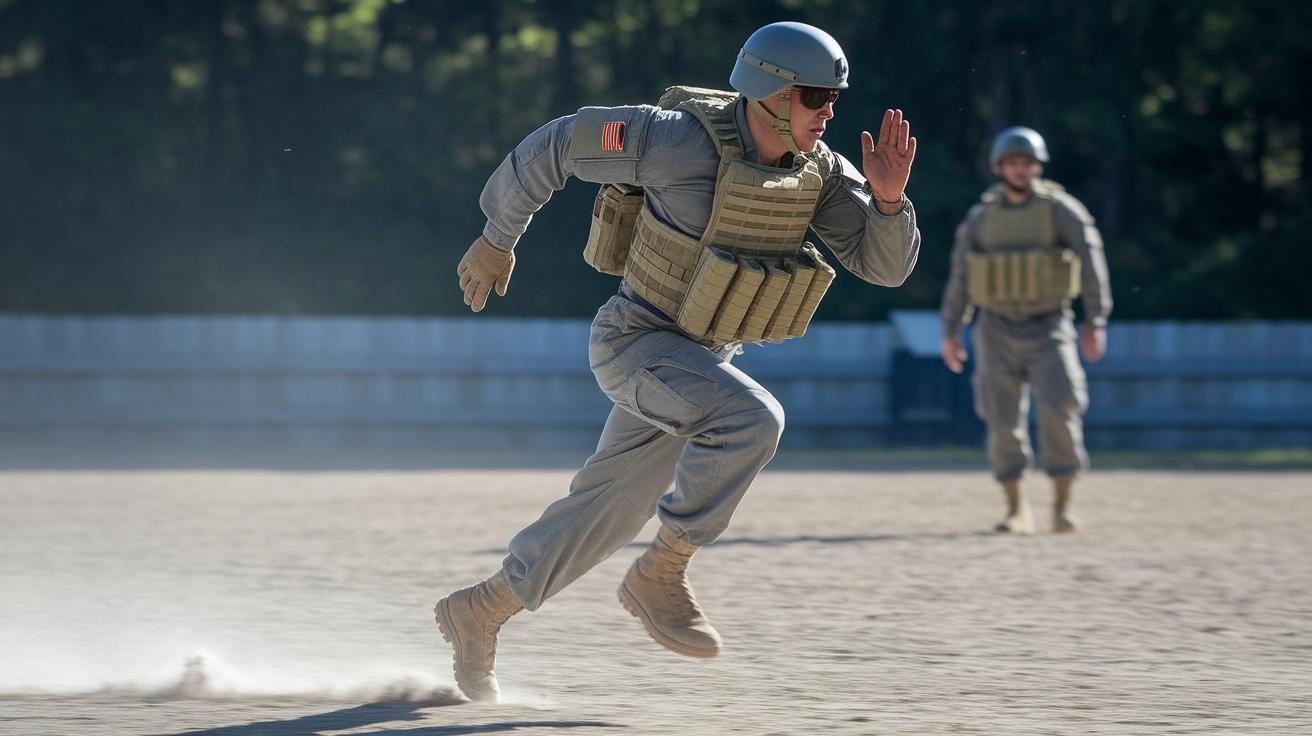
Tests like the Expert Infantryman’s Badge Physical Fitness Assessment and the OPAT now require you to wear your full combat gear. That means every move you make mirrors what happens on a real mission. Imagine a soldier running drills in full kit – every step feels as real as the tough conditions on the ground.
Troops in combat roles now need to clear a physical training test twice a year while meeting strict height and weight standards. This steady stream of tests helps build a strong habit of being ready at all times. Up until September 30, 2025, old ACFT scores still count for promotions, but after that, the new AFT score will start to drive your performance ratings and even provide special exceptions when needed.
The new scoring methods, whether they’re based on Combat or General standards, will affect your career path. If a soldier, especially a combat specialist, doesn’t hit the required score, they might need to be reclassified, which directly impacts future roles and opportunities in the service.
Technology Integration and Simulation Enhancements in Military Test Protocols
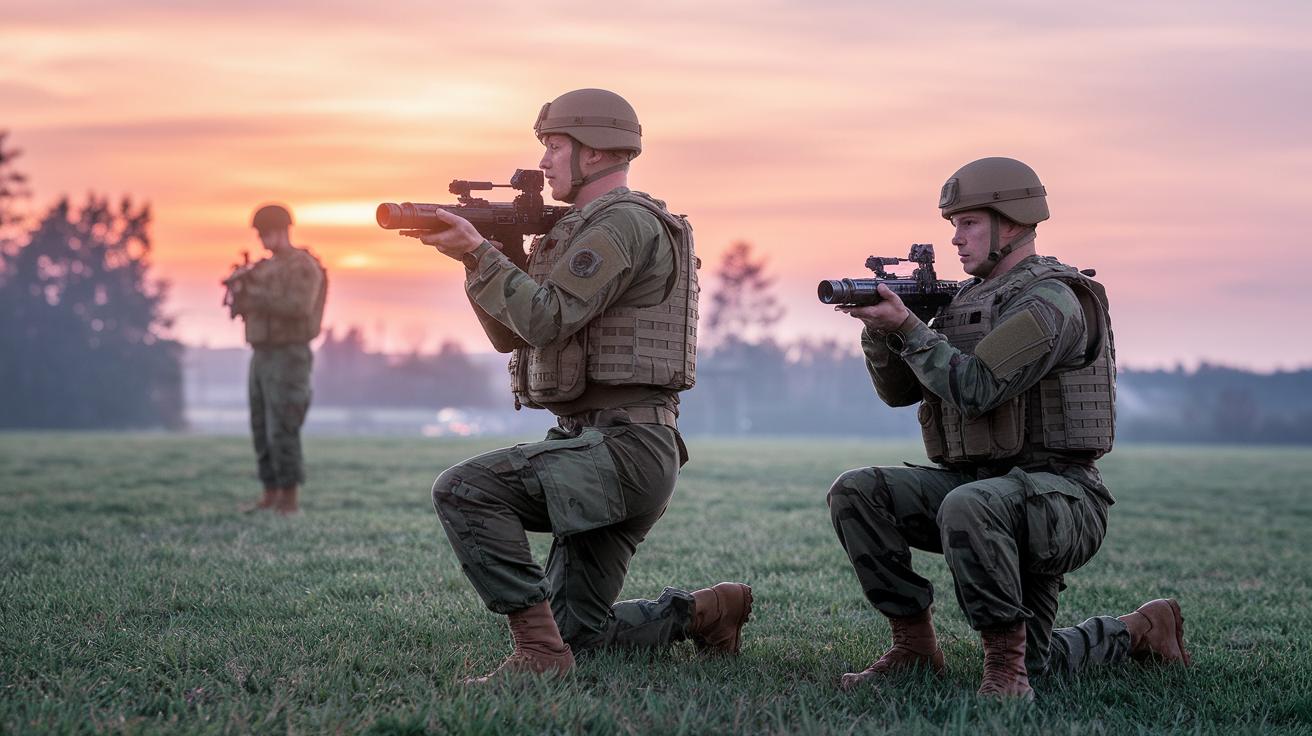
Basic Combat Training now includes functional drills like the Occupational Physical Assessment Test (OPAT) (a test that shows how well you perform job-related tasks). This shift helps soldiers experience real-world job duties before they even step into the field. Picture getting ready for a test that mirrors everyday challenges, it makes the training practical and directly connected to what you'll face on your mission. Think about it: new recruits start off by tackling tasks that simulate real duty challenges, making each drill count.
Soldiers now perform these tests in full Army Combat Uniform and boots. Every movement in full gear is as tough as what you'd face on deployment. Imagine running a sprint-drag-carry wearing complete combat gear, where every step builds strength and endurance in a realistic setting. This approach removes any guesswork, ensuring that the training perfectly mirrors operational conditions.
Air Force boot camp is also getting a tech boost with digital and simulation updates coming next month. New training modules will use digital sensors and real-time feedback to track physical performance closely. These tools help fine-tune each drill on the spot, making your training as efficient and effective as possible.
Expert Perspectives and Future Projections for Military Test Evolutions

Experts and research institutions are steering changes using hard data. They’ve looked at over one million test attempts to fine-tune fitness standards every three to five years. This robust data helps us see how new testing methods might boost overall readiness. But some experts worry about the strict physical requirements. Even though these new rules are made to be gender-neutral, the higher standards might unintentionally affect how many women sign up for combat roles. For example, putting more weight on real-life performance is key for combat, but it needs close watching to keep things fair.
Looking ahead, we’re set to see more fresh testing methods and policy updates. The “No More Walking On Eggshells” initiative shows a clear move toward clear accountability and regular updates in testing rules. New tech is expected to improve simulations and digital tracking, making sure that tests stay true to the real demands of modern military operations.
Final Words
In the action, this article reviewed key changes in military fitness testing, laying out the new core events and phased rollout. It highlighted updates to scoring systems and policy changes that guide performance evaluations.
We wrapped up an in-depth analysis of recent military test changes, showing how these shifts boost readiness and fairness. The insights we’ve shared set a positive tone for building confidence and operational strength.
FAQ
Q: Why will Army’s new PT test change everything?
A: The Army’s new PT test will change everything by updating its events and scoring, reducing injury risks while improving overall combat readiness for soldiers.
Q: What are the changes in the Army Fitness Test 2025 and what is the new military fitness test?
A: The new test now features five core events—3RM Deadlift, Hand Release Push-Up, Sprint-Drag-Carry, Plank, and Two-Mile Run—instead of six, replacing tests that carried higher injury risks.
Q: Is the new Army Fitness Test gender neutral?
A: The new Army Fitness Test is designed to be gender neutral by using the same standards for all soldiers, although stricter physical thresholds may affect male and female recruits differently.