
Have you ever thought military tests only check if you can fight? Think again. Many believe these exams simply decide whether you're ready for battle. But in truth, they look at many skills. They test math, word skills, and technical know-how (basically, how well you work with tools and devices).
This write-up clears up common myths. It shows how these tests help find the right role for you by highlighting strengths far beyond combat. Just like prepping for a mission, understanding these tests can set you on the right path. So take a minute, read on, and see how they really help you shine.
Debunking False Assumptions in Military Aptitude Tests
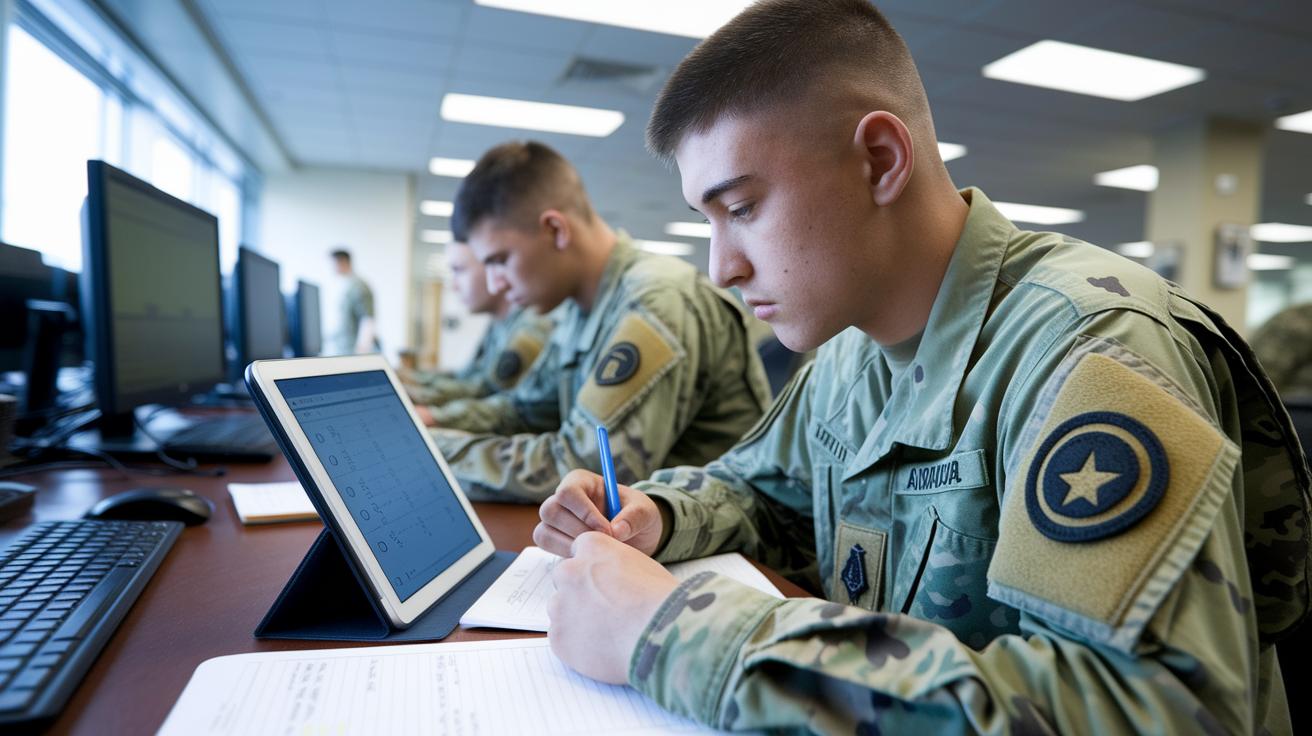
People often stick to old beliefs about military aptitude tests, clinging to ideas that don’t tell the full story. Many assume these tests only check combat skills or a few academic abilities. But in real life, these tests look at many different skills, even as the U.S. military supports more than 1.3 million active members and over 811,000 reserves whose jobs go far beyond fighting.
One myth is that these tests only decide if you're ready for combat. But the truth is, they test things like verbal reasoning, math, and technical understanding (how well you grasp complex ideas) to help match you with a role that fits you best. Did you know only about 20% of military jobs are combat-related? Another common myth is that military entry is only for super-smart people. In reality, these exams highlight a range of strengths that work for many different careers, whether it’s in healthcare or intelligence, showing that success in the military isn’t just for those with top academic scores.
So, when you set these myths against the facts, it becomes clear that military aptitude tests cover much more than many people believe. Next, we see that these tests help place service members in roles that match their unique abilities, making them an important part of how the military builds a strong team.
Understanding Military Aptitude Test Structure

Military aptitude tests aren’t about your physical strength or combat skills. They’re designed to match your unique talents with the right role. These exams check how well you grasp various subjects like words, numbers, and machines. This clear setup helps recruiters find a job where you can really thrive. When you know what each part looks for, you can focus on what you do best.
- General Science – Looks at your basic understanding of natural and physical world topics.
- Arithmetic Reasoning – Checks how well you solve everyday math problems.
- Word Knowledge – Sees if you understand and use everyday language.
- Paragraph Comprehension – Tests your skill at getting the main idea of written text.
- Mathematics Knowledge – Focuses on your grasp of math rules and ideas.
- Electronics Information – Reviews your understanding of electrical basics (like how circuits work).
- Auto & Shop Information – Evaluates what you know about vehicle upkeep and repairs.
- Mechanical Comprehension – Tests if you get basic mechanical ideas.
- Assembling Objects – Measures how well you can piece things together into a complete picture.
It’s easy to think these tests favor people with high academic skills, but that’s not the case. The exam is set up to be fair by checking different areas of knowledge. It focuses on your thinking skills rather than your physical ability. So even if you’re only moderately fit, you’re still in the running.
Eligibility Myths on Military Aptitude Exams
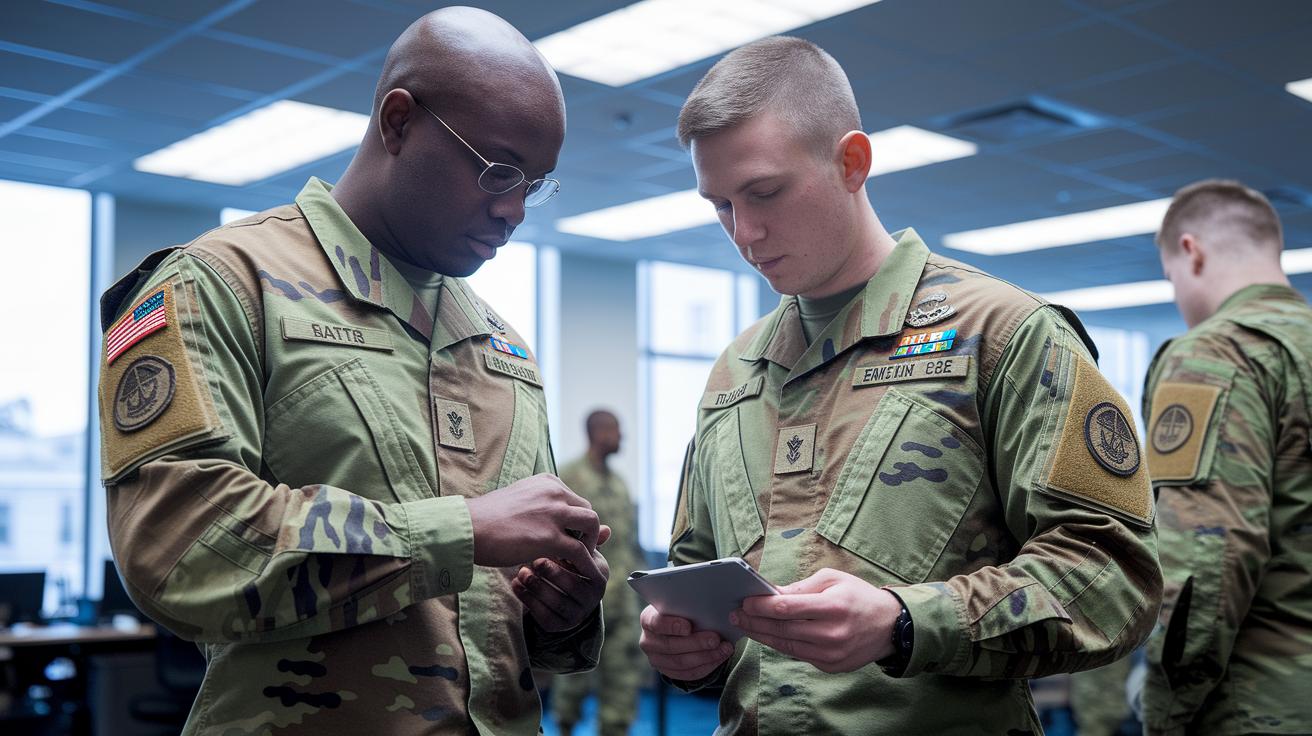
Every branch sets its own score standards to match the skills needed for each role. For example, if you’re aiming for a tech job, an average test score might be fine because those roles focus more on practical abilities. On the other hand, positions in logistics and healthcare usually look for strong communication and problem-solving skills rather than perfect scores. For more details by branch, check out the “Minimum ASVAB Score for Army” page. Fun fact: One recruit scored just average in math but was a natural with practical tasks, landing him an ideal tech-based role.
It’s a myth that only top academic performers succeed. The test is designed to measure everyday skills, so it pairs you with roles that fit your strengths. Many military occupational specialties and ratings accept average scores while still offering benefits like tuition assistance. Think about a service member who, despite average test results, thrives in a technical field and later benefits from tuition help, showing that military standards and opportunities are both flexible and diverse.
Effective Preparation vs Aptitude Test Fallacies
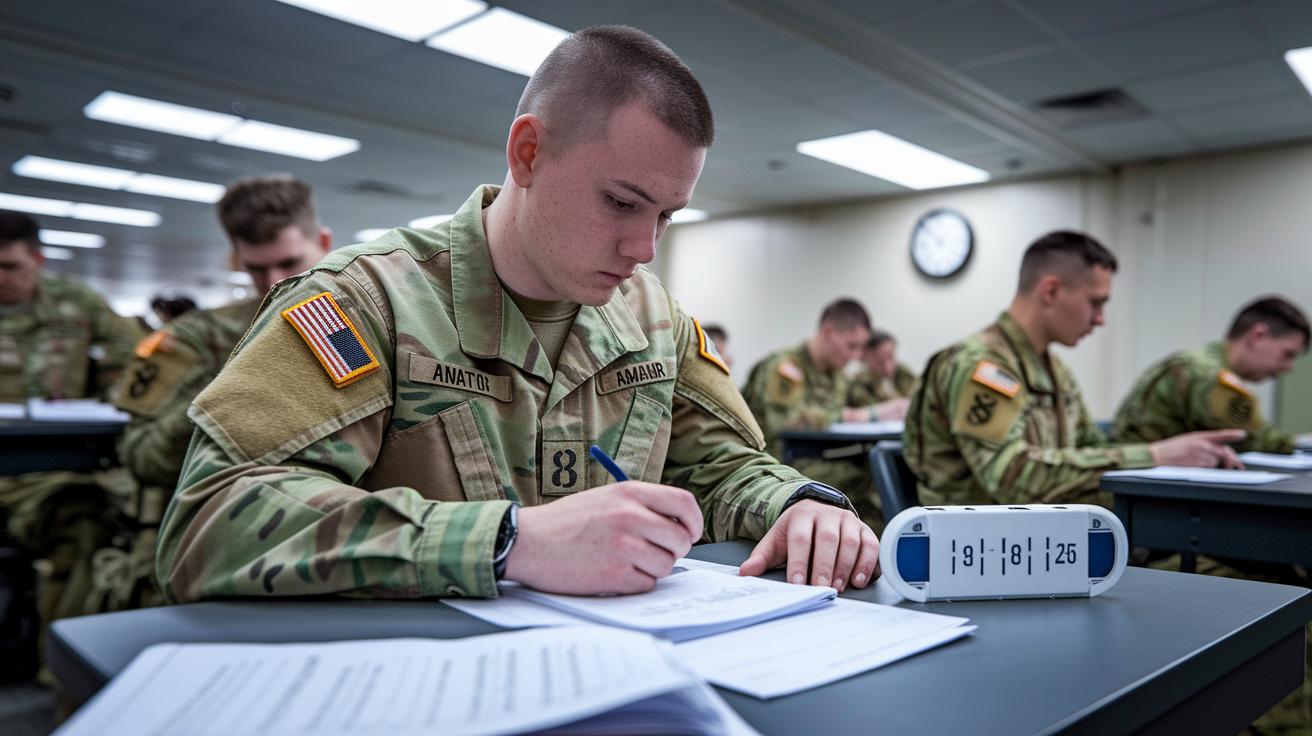
Taking the time to prepare really pays off when it comes to test scores. Many believe that your skills are set in stone and that you can’t improve them much, but that’s simply not so. With steady practice and some smart tips, every service member can boost their abilities. Think of it like a drill: the more practice tests you run, the more the path forward comes into focus. When you concentrate on areas that need work and build on what you already do well, you begin to see real progress. For example, a recruit practicing with a timer might find that they speed up and get more accurate on questions that used to seem tough.
Smart study habits do more than just add to your knowledge, they get your mind used to handling the test. Here are five clear steps to follow:
| Tip | What It Means |
|---|---|
| Time Management | Plan your study blocks and stick with the schedule |
| Diagnostic Tests | Take practice evaluations to see where you need improvement |
| Focused Review | Spend extra time on the tricky topics |
| Peer Study | Work with others to share ideas and learn together |
| Timed Practice | Mimic test conditions by using a clock |
Using these steps, not only do you get more familiar with the exam format, but you also build the confidence to move through the questions methodically. With steady effort, you show that any natural ability can be improved over time.
Official Research and Resources on Military Aptitude Testing

Official sources like the Department of Defense publications, the ASVAB official website, and DANTES study programs offer reliable and up-to-date information on military aptitude tests. These resources provide the latest research, trusted scoring details, and easy-to-follow guidelines to ensure the tests are fair (in other words, free from bias). They help cut through the myths and give you solid tools to prepare effectively. Think of these as your go-to briefing when you're mapping out your next steps in test prep.
For quick fact-checks and more in-depth details, visit sites like www.defense.gov, www.asvab.militaryaptitudetests.com, and www.dantes.militarystudyhelp.com. These pages are regularly updated by officials and experts, so you know you're getting accurate, timely info. Checking these links will clear up any doubts and make sure you’re building your study plan on a firm, credible foundation.
Final Words
In the action, we broke down widespread stories about military aptitude tests and set the record straight. We looked at false ideas, explained how the test is structured, and cleared up who really qualifies. You also learned how practice and official sources build the confidence needed for success. Let this serve as a reminder to question common myths about military aptitude tests and push forward with real, proven strategies. Keep moving ahead with focus and determination.
FAQ
Q: What is an ASVAB practice test?
A: The ASVAB practice test offers sample questions that mimic the military entrance exam, helping you measure your readiness and pinpoint areas that may need extra review before test day.
Q: What is the Armed Services Qualification Test and Military Entrance Test (MET)?
A: The Armed Services Qualification Test, commonly known as the ASVAB, evaluates skills like math and vocabulary, while the MET serves as a similar cognitive exam used in military enlistment.
Q: Where can I find a CAT-ASVAB practice test with answers?
A: The CAT-ASVAB practice test with answers provides examples that mirror the computerized exam, enabling you to practice effectively and build confidence before taking the live test.
Q: What is the Army Aptitude Test?
A: The Army Aptitude Test is a version of the ASVAB designed specifically for Army recruitment, assessing skills needed to qualify for various Army roles and training programs.
Q: How rare is scoring a 99 on the ASVAB?
A: Scoring a 99 on the ASVAB is very rare, as only a small fraction of candidates achieve this top-tier score, reflecting an exceptionally high level of aptitude.
Q: Are scores like 70, 50, or 21 considered good or bad on the ASVAB?
A: Scores like 70 typically reflect strong abilities, while 50 are average and 21 indicate a low performance; however, each military branch has its own score requirements for enlistment.