
Have you ever questioned whether modern fitness tests truly capture a soldier's strength? The Army Combat Fitness Test is changing the way we train by combining speed, power, and endurance in one demanding challenge. Soldiers now work to build well-rounded strength and stamina to meet today's military requirements. In this post, you will discover how specialized training methods can elevate performance and turn soldiers into battle-ready warriors. Curious about the steps to reach peak performance? Keep reading to uncover the essential strategies that can make all the difference.
Army Combat Fitness Test Requirements Overview
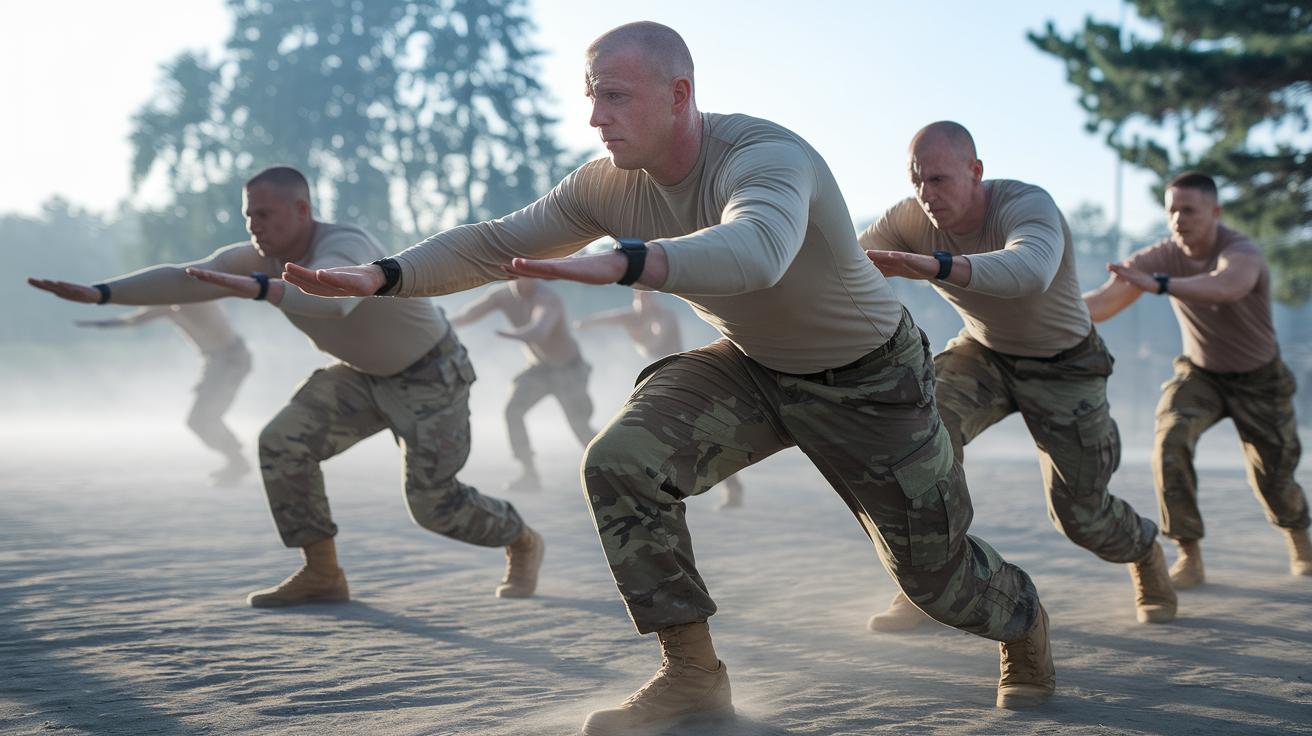
The Army Combat Fitness Test is a challenging evaluation used to measure a soldier's physical readiness. It is a central part of ensuring that every service member has the necessary strength and endurance for real-world combat. For example, a recruit quickly learns through drills and field exercises that balanced development of stamina and explosive power is key to effective performance.
Developed to replace outdated testing methods, this test is based on solid combat fitness standards and meets current military exam requirements. Its clear and measurable criteria allow commanders to fairly assess soldier performance while reflecting a shift toward a more comprehensive physical evaluation in combat conditions.
Recent reviews have revealed that around 98 percent of active-duty men and 95 percent of active-duty women have exceeded the test benchmarks. These success rates, achieved over five years, validate modern training techniques. One soldier explained that meeting the standards has boosted his confidence and proven that dedicated training can improve combat readiness.
ACFT Event Breakdown: Standards for Each Army Combat Fitness Test Exercise
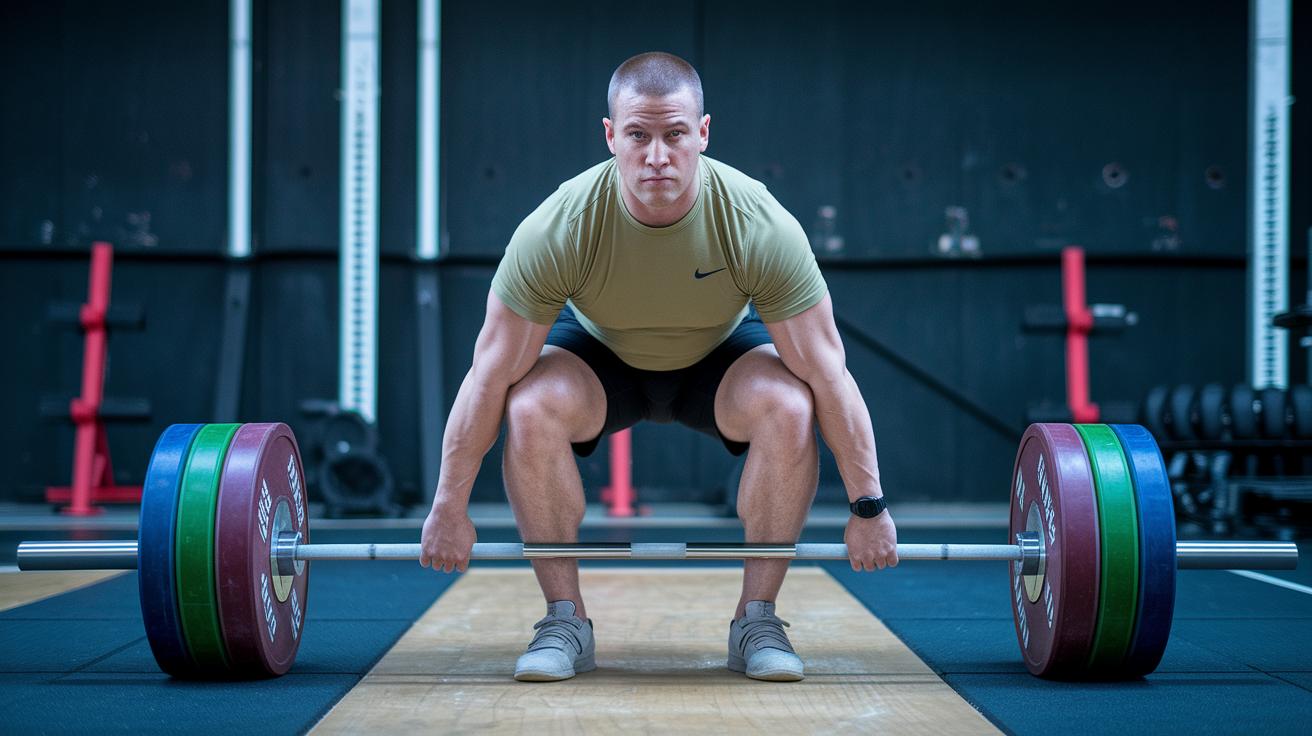
The ACFT consists of six demanding events that measure a soldier's strength, power, agility, and endurance. Each event follows set benchmark standards to guarantee a fair and objective evaluation. These tests not only challenge participants physically but also mimic important combat scenarios. Many soldiers remind each other that every set is a step closer to achieving peak readiness.
Three-Rep Max Deadlift
This exercise demands careful bar setup combined with proper squat form to safely lift heavier weights over time. Soldiers work through a specific weight progression that matches defined point levels. The advice to adjust your grip and lower your stance correctly helps build a strong foundation for future strength.
Standing Power Throw
Using a 10 lb medicine ball, soldiers maintain a balanced stance to launch it as far as conditions allow. The throw must combine smooth motion with strength, and the distance is recorded to determine scores ranging from Bronze to Gold. A soldier once mentioned that a perfect throw stems from a dynamic yet controlled movement that mirrors personal determination.
Hand-Release Push-Up
In this drill, lifting the hands after each push-up is essential to keep the torso properly aligned. Consistent pace and flawless form are key, as each rep is seen as a clear display of both strength and precision.
Sprint-Drag-Carry
This multifaceted exercise weaves together sprints, sled drags, lateral shuffles, and carries. It is performed within a defined lane with strict timing to complete each section. One participant observed that by focusing on each phase, every second becomes a chance to improve upon previous efforts.
Leg Tuck Challenge or Timed Plank Exercise
Soldiers choose between performing leg tucks with accurate grip placement and deliberate cadence or holding a timed plank with impeccable form. Experienced soldiers note that the leg tuck specifically tests both core engagement and upper body stability.
Two-Mile Run
In the final event, soldiers run two miles along a set track or course with environmental factors considered. They aim for target finish times to secure their performance rating, demonstrating impressive endurance under pressure.
| Event | Equipment | Gold Standard |
|---|---|---|
| Three-Rep Max Deadlift | Barbell | 140 kg |
| Standing Power Throw | 10 lb ball | 10.5 m |
| Hand-Release Push-Up | Bodyweight | 50 reps |
| Sprint-Drag-Carry | Sled, kettlebell | 1:33 min |
| Leg Tuck/Plank | Pull-up bar/Bodyweight | 10 tucks/3:00 min plank |
| Two-Mile Run | Track/course | 13:30 min |
Army Combat Fitness Test Scoring and Benchmark Standards
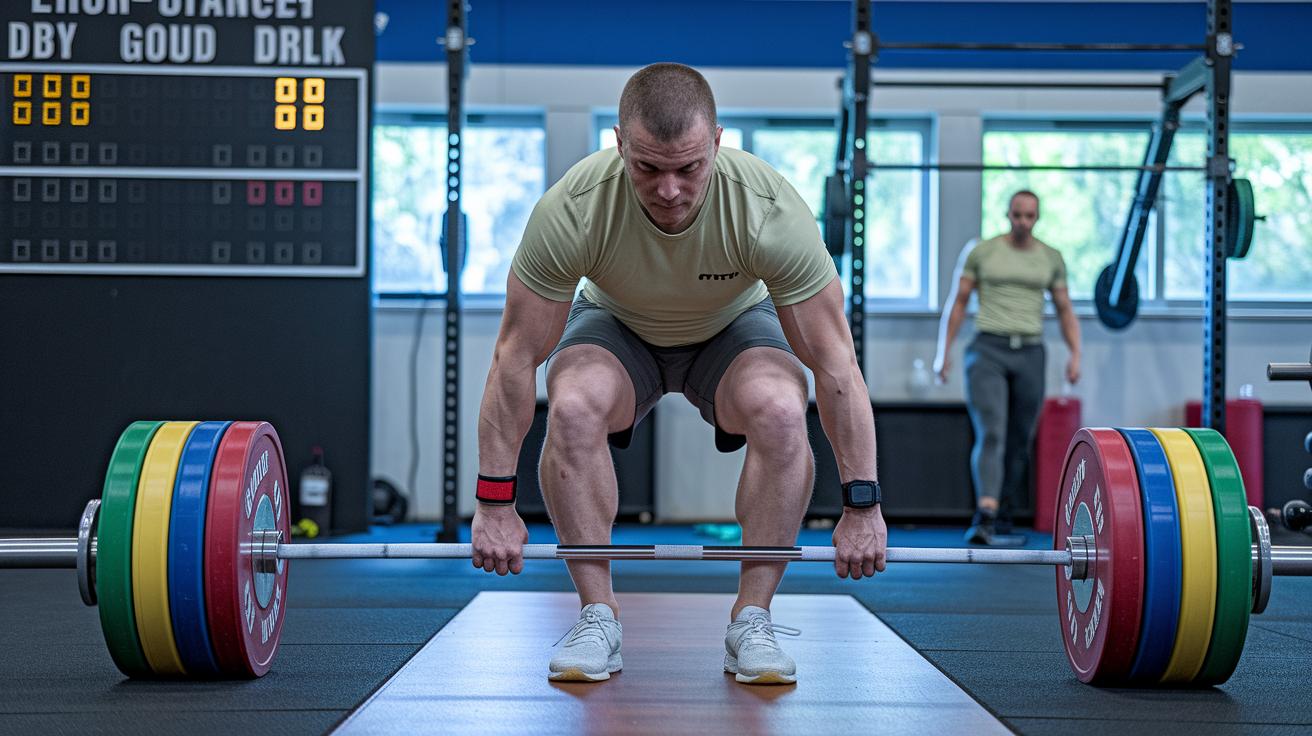
The Army Combat Fitness Test uses a structured points system where each event contributes a specific value to a soldier's overall score. Each activity is evaluated according to defined performance levels, which are grouped into bands such as Gold, Gray, and Black. For example, when a soldier reaches a prescribed weightlifting target or completes a run within the established time, designated points are awarded that add up to the final score. This comprehensive approach ensures that every facet of physical ability is accurately assessed, reflecting the significance of each discipline in the combat fitness evaluation.
A performance score calculator can be a useful tool for understanding how the scoring works. Imagine entering data from a three-repetition maximum deadlift and a two-mile run; the calculator determines the points earned for each event and then totals them to provide the overall score. For instance, a soldier might excel in the deadlift and also post a competitive run time, resulting in a combined score that meets the readiness standard. This method not only confirms the individual performance for each exercise but also highlights areas where improvement may be needed.
Commanders depend on preset readiness benchmarks and a thorough review of evaluation metrics to make informed decisions about the unit's state of preparedness. By comparing the scores against established standards, leadership can quickly identify performance trends across squads. This systematic process delivers valuable insights into the effectiveness of training and helps guide decisions about resource distribution, ultimately supporting strategic planning and the pursuit of peak combat readiness.
Army Combat Fitness Test Training Techniques and Workouts
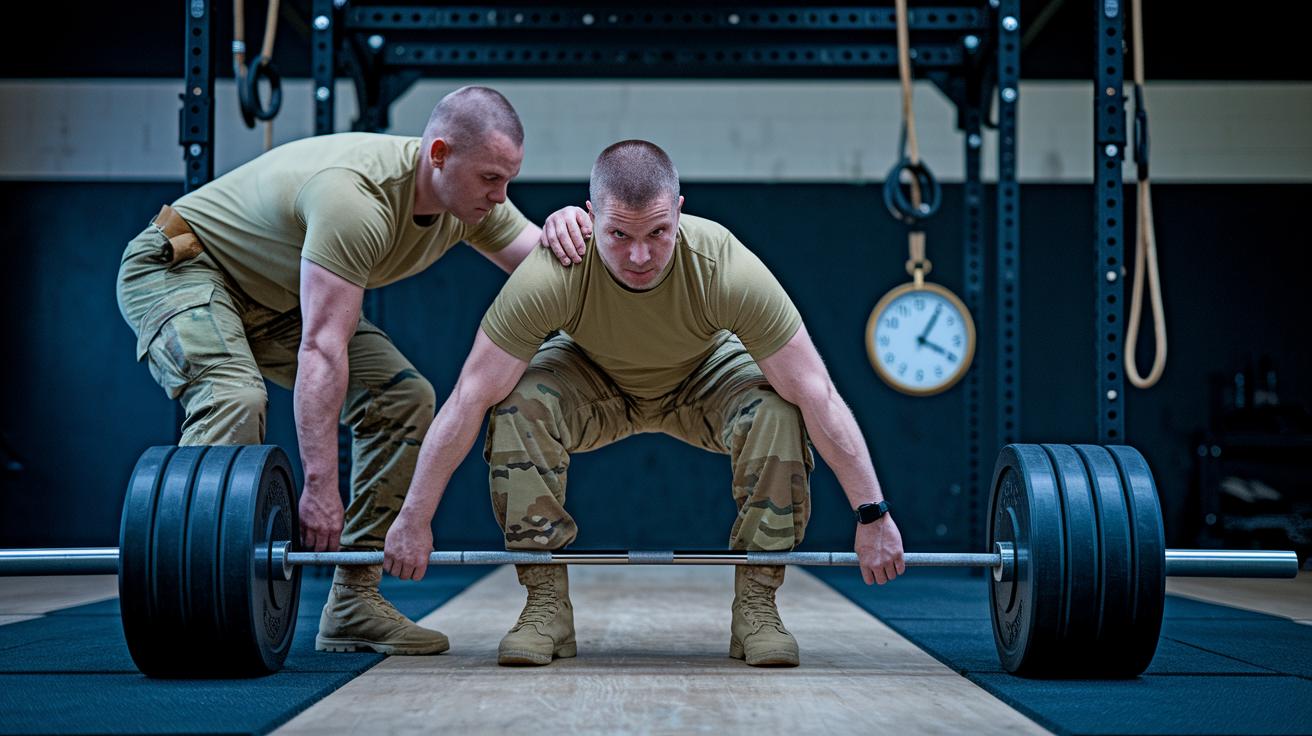
Constructing a comprehensive exercise program that targets strength, power, and endurance is vital for soldiers preparing for the ACFT. Incorporating high-intensity combat drills into the routine not only builds overall fitness but also replicates the challenging scenarios encountered in the field. One soldier explained, "I organized my workouts like a strategic operation, with each session building on the previous one to push beyond my limits." This methodical approach ensures steady physical progress and fosters a tougher, more capable force.
- Periodize your strength routines with cycles focused on your three-rep max deadlift. Gradually increasing the weight load over several weeks builds both power and confidence.
- Integrate plyometric throws and medicine ball exercises to develop explosive power. Explosive ball throws simulate the rapid force bursts needed during combat while improving timing and strength.
- Include HIIT sprint-drag-carry circuits in your regimen. These high-intensity intervals mirror the quick, explosive movements required in the field, boosting both endurance and agility.
- Practice hanging leg tuck variations and a series of core planks to enhance core stability, which is crucial for maintaining balance in physically demanding situations.
- Follow a progressive pacing plan for a two-mile run. Structured pacing with small speed increases throughout your training helps improve overall performance while sustaining steady endurance.
Combining these training techniques with an established conditioning program yields significant benefits. Maintaining a detailed weekly progress log not only tracks improvements but also highlights areas that may require extra focus. Soldiers are encouraged to review these logs regularly as they provide a clear pathway to peak performance. Additional insights can be found in articles on combat fitness training for soldiers, which offer further tips on optimizing workout efficiency and aligning training with specific ACFT requirements. This blend of structured conditioning and targeted high-intensity drills is a reliable strategy for achieving and maintaining top physical performance on the field.
Army Combat Fitness Test Alternate Events and Modifications
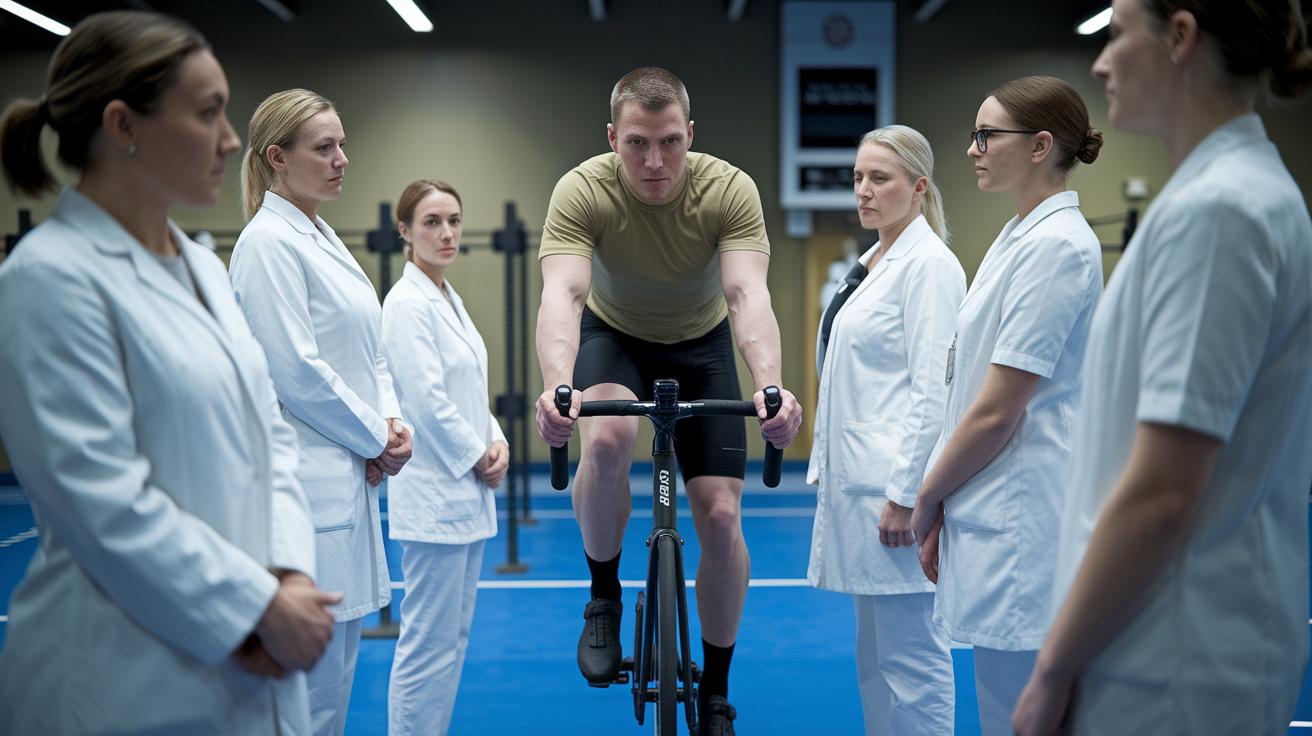
The Army is committed to ensuring that every soldier is evaluated safely and fairly. To support individuals coping with injuries or temporary restrictions, alternative aerobic events have been introduced. Policy updates from late 2022 detail these modifications for soldiers managing chronic conditions or temporary limitations.
Accepted alternatives include using a cycle ergometer as well as walk and jog protocols. These options are designed to meet the same physical standards while accommodating specific medical needs. Soldiers taking part in these events will still be required to complete a rigorous performance assessment that aligns with standard evaluation criteria.
Modifications to combat physical evaluations are granted when soldiers present documented medical conditions and verified training limitations. Proper documentation must be submitted to qualify for these adjustments. This process ensures that every adaptation maintains training intensity and allows each soldier to meet tactical physical assessment requirements.
The updated guidelines focus on continuous improvement of performance benchmarks while preserving the integrity of tactical physical evaluations. Exceptions under strict conditions support the overall goals of combat fitness testing. These revisions adapt to evolving training standards and recognize the varied physical capabilities of soldiers, ultimately enhancing overall readiness.
Army Combat Fitness Test Progress Tracking and Performance Tools

This performance system logs specific details like weights lifted during deadlifts and the times achieved in two-mile runs. It immediately provides feedback by calculating scores and pinpointing trends from various sessions. For example, entering values such as "Deadlift: 150 kg" and "Two-Mile Run: 12:45" might show a 5% improvement from a previous session, enabling targeted adjustments to your training regimen.
The military drill scorecard is seamlessly combined with readiness and operational benchmarks to deliver practical insights that help refine your workout strategy. A review of the scorecard may reveal that an initial deadlift of 130 kg later rose to 140 kg, clearly marking progress.
| Session | Deadlift (kg) | Two-Mile Run | Total Score |
|---|---|---|---|
| Session 1 | 130 | 14:00 | 75 |
| Session 2 | 140 | 13:30 | 80 |
| Session 3 | 145 | 13:00 | 85 |
Army Combat Fitness Test Frequently Asked Questions
What is the minimum passing score for each event? Each event has its own set criteria based on established exercise review standards. Soldiers must meet specific repetition targets or finish tasks within set times to demonstrate a valid warfighter performance.
How often can I retest if I fail? Retesting is allowed after a certain waiting period as outlined by strict assessment guidelines. Soldiers may schedule another attempt provided the initial performance did not reach the required minimum standards.
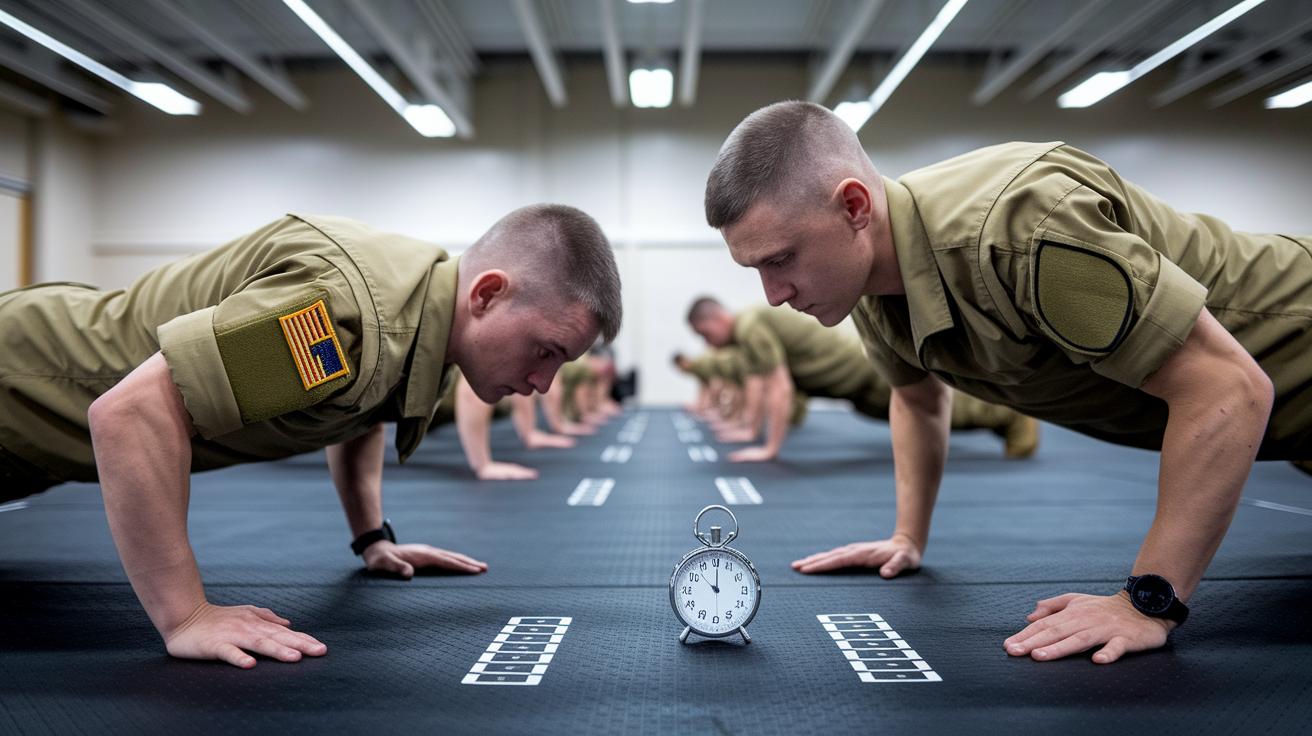
What are acceptable form standards for hand-release push-ups? When performing hand-release push-ups, both hands must be completely lifted off the ground between repetitions while keeping the torso straight. This proper form is necessary to meet strict exercise review standards and to ensure the performance is recorded as valid.
When should I switch from leg tucks to the plank exercise? Soldiers may opt for the plank exercise if personal limitations or injuries make leg tucks unsuitable. This change is allowed as long as it follows the clear evaluation guidelines designed to maintain consistent testing criteria.
Are there special accommodations for profile hold soldiers? Yes, soldiers with approved medical profiles receive specific modifications that comply with assessment guidelines. These adjustments ensure that the test remains equitable while accommodating individual needs.
How do I appeal a score if I believe there was an error? To appeal a score, follow the established combat evaluation framework. Documented discrepancies will be methodically reviewed to address any potential scoring inaccuracies.
Final Words
In the action, this article explored the journey of a comprehensive soldier fitness assessment. It discussed test requirements, event benchmarks, dynamic training techniques, and the evolution of approved modifications.
Each section provided insights into effective performance score calculations and progress tracking essentials, creating a clear path for improved readiness and confidence. The layered discussion builds a solid understanding of physical evaluation, ensuring every soldier is empowered. Embrace the challenges ahead and stay motivated with your army combat fitness test.
FAQ
Frequently Asked Questions
What does the Army Combat Fitness Test consist of?
What are the scoring and standards for the Army Combat Fitness Test?
Where can I find the Army Combat Fitness Test pdf and official score chart?
What is the target for the two-mile run in the Army Combat Fitness Test?
Has anyone ever scored a 600 on the Army Combat Fitness Test?