
Ever wonder if your height or weight might hold you back from joining the Army? It might seem strict, but these rules make things fair for everyone. Picture soldiers lined up for a drill, each measurement taken with simple, clear precision. This method takes the guesswork out of getting ready and builds your confidence to meet the standards. Once you understand what the numbers mean, you're ready to step up and enlist with pride.
Official Army Height and Weight Requirements: Enlist with Confidence

If you’re thinking about joining the Army, knowing the rules is a big part of getting ready. For regular enlistment, men need to be between 60 and 80 inches tall, and women have to be at least 58 inches. Officer candidates have a slightly lower minimum, men need to be at least 58 inches and women at least 56 inches.
Weight limits come from a chart that links your height and age group to a specific weight range. For example, if you’re between 17 and 20, you find your height on the chart and then check your weight against that range. If you tip over the chart’s numbers, you’ll need to take a body fat test (this checks if your body composition is acceptable).
These detailed guidelines, covering both height and weight, make sure every recruit in 2024 meets the standards. They use exact measurements in inches and pounds, so there’s little guesswork involved.
Take a candidate who stands 65 inches tall. He simply checks the chart for his age group to see if his weight is right. This no-nonsense approach makes it easier for you to prepare and succeed. In short, these clear rules help every applicant know they are being measured by the same fair standards.
Army Height and Weight Measurement Procedures
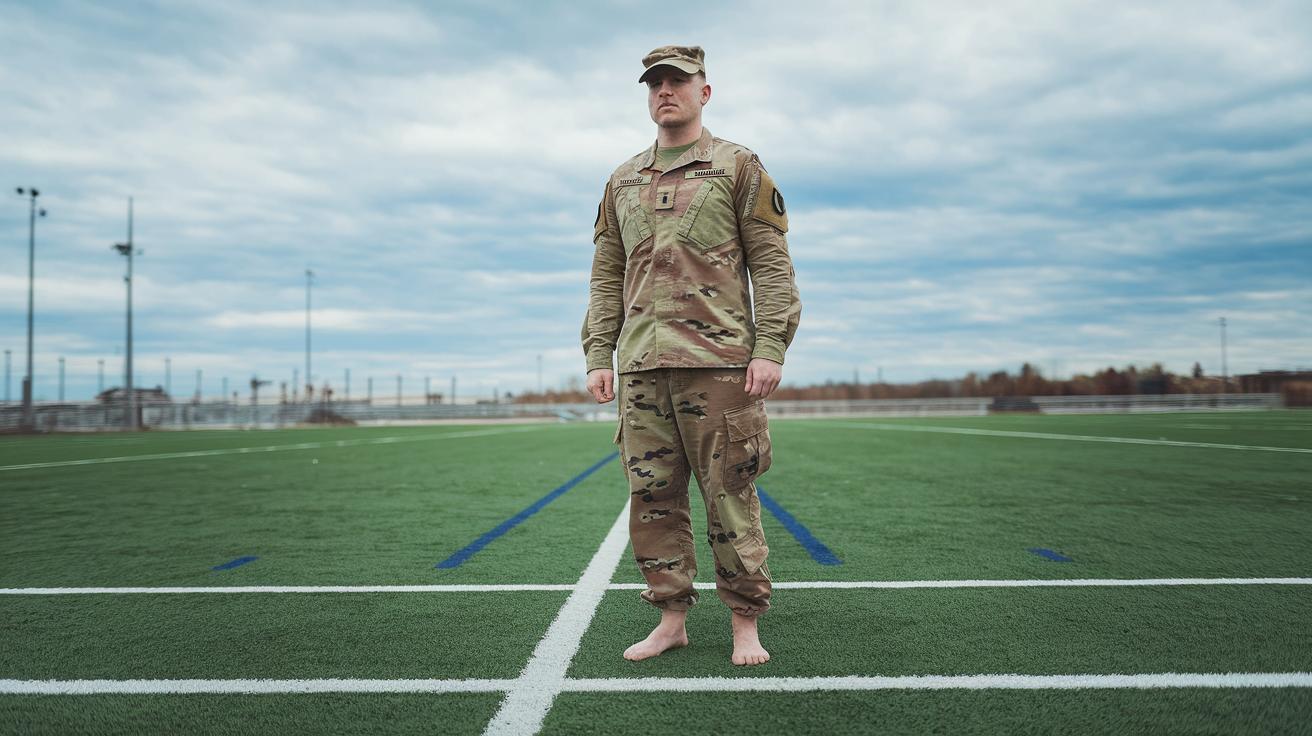
Army personnel follow clear steps to get accurate height and weight readings. First, soldiers remove their shoes and stand barefoot on a flat surface in their standard PT uniform. They keep their head straight with the chin level to the floor. This simple routine is like lining up for a drill, every measurement really matters. Picture soldiers lined up on a flat field, each height noted to the nearest half inch.
Next, weight is taken on a calibrated scale during scheduled sessions, either every six months or during the Army Physical Fitness Test (a standard test to check fitness). This regular check keeps everyone's records up to date, which is crucial for readiness. Sometimes a digital height and weight calculator is used to quickly crunch the numbers. After both height and weight are recorded, a body mass index (BMI, which compares height and weight) is calculated to see if extra body fat testing is needed.
They also use strict tape-measure methods to ensure that every height reading follows the set rules (biometric evaluation standards). For example, measuring on a flat surface guarantees a fair result for all, just like perfectly aligned steps during a parade. This organized approach helps maintain fairness and accurate record-keeping.
Army Body Fat Composition and Tape Test Procedures

When it's time to check a soldier's body fat, we follow a clear set of rules outlined in AR600-9. First off, soldiers get their body parts measured at specific spots using a tape. Each measurement is taken three times to be sure of the number. For instance, if a soldier’s neck measures 14.5 inches each time, those three readings are averaged. All the numbers need to be within 0.5 inch of each other so the result is spot on.
For our male soldiers, the abdomen is measured at the navel while they breathe out in a relaxed way. Picture a soldier stepping forward, taking a steady breath out, and having the tape snug around his navel. For female soldiers, the process includes measurements from the neck, waist, and hips. It’s a bit like following a recipe exactly, you have to nail every step to get the right result.
Every measurement gets recorded on detailed worksheets. Soldiers and supervisors jot down each reading according to the Army’s latest tape test rules. Some units even use digital body fat calculators to speed things up while still keeping to the AR600-9 standards.
| Step | Instruction |
|---|---|
| 1 | Take the measurement three times at each site |
| 2 | Round each reading to the nearest half inch |
| 3 | Record the average of the measurements |
Following these simple steps makes sure every soldier’s body fat is measured fairly and accurately.
Consequences and Waivers for Army Height and Weight Noncompliance
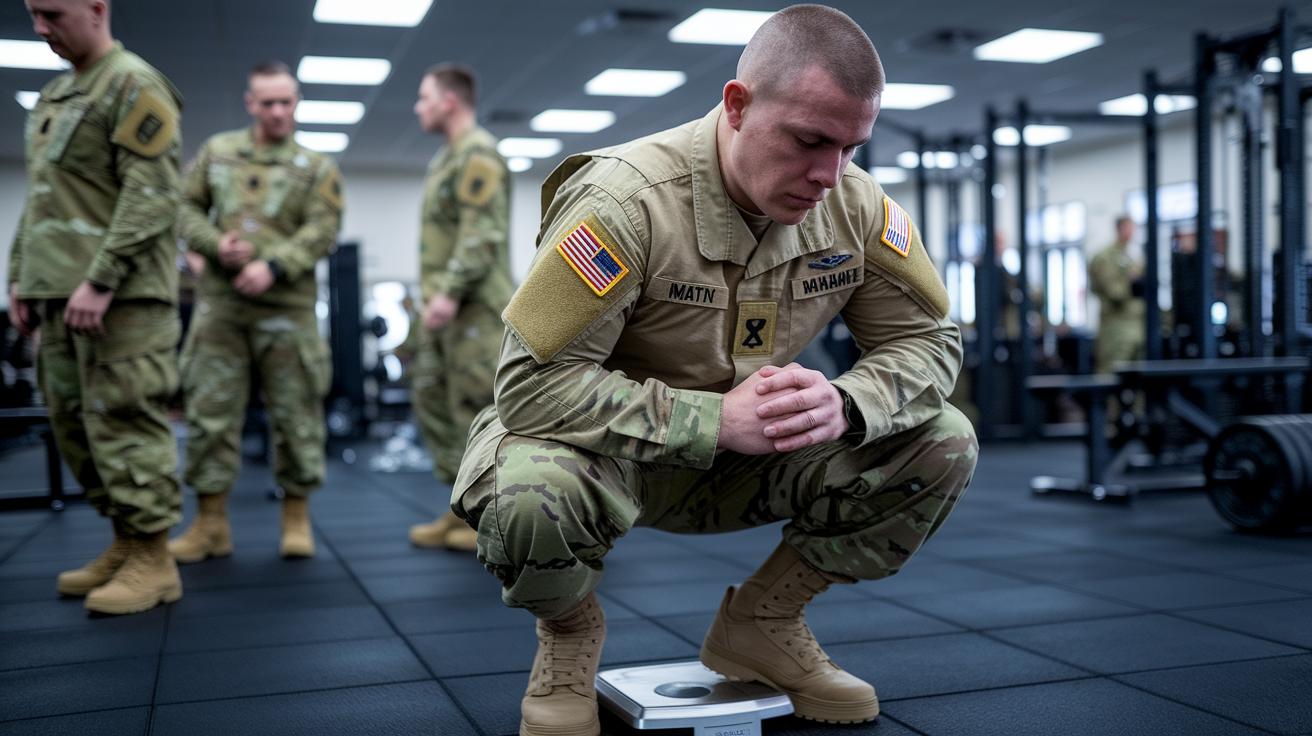
If a soldier registers with a height and weight that don’t line up with the Army’s charts, there are real consequences waiting. When a recruit or service member goes over the designated weight, they’re placed into the Army Body Composition Program (ABCP). This may mean extra retraining sessions, counseling, or even, in some cases, facing separation from the Army. These steps can shake up daily assignments and may even hurt career milestones like reenlistment or promotions.
There is a way out, though. Waivers might be granted if you’re in top-notch overall physical shape and stay healthy despite the extra weight. In simple terms, if you ace your fitness tests and tick all the other readiness boxes, you might get a waiver to cover up the weight issue. These strict screening protocols ensure every soldier stays fit and ready for military duties. Have you ever adjusted your routine and seen improvements? That’s the kind of self-discipline the Army values.
Maintaining Army Height and Weight Standards: Fitness and Nutrition

Staying in top shape for Army standards means mixing smart workouts with good, balanced meals. It’s like planning a mission, each workout and every bite has a role in keeping you ready. For example, try a brisk morning run paired with weight drills. This combo builds both endurance and muscle without overdoing it.
Food matters just as much as exercise. Keeping control of portion sizes and choosing healthy options can help you manage your weight without falling into crash diets. Think of breakfast like a mini mission plan: a small effort that sets you up well for the day. For example, you might have one cup of fruit or juice (around 100 calories), an ounce of lean meat or an egg (about 80 calories), and a slice of toast (roughly 70 calories). These modest portions add up to a balanced start.
A typical day might look like this:
- Start with a light breakfast to fuel your morning drills.
- Have a mid-morning snack like an apple or a handful of nuts.
- For lunch, opt for lean proteins teamed with plenty of vegetables so your plate stays colorful and varied.
- Keep hydrated with water instead of high-calorie drinks like a 12-oz beer (160 calories) or an 8-oz milkshake (840 calories).
By eating balanced meals packed with lean proteins, whole grains, fruits, and vegetables, you not only control your calorie intake but also boost your energy for training. Simple meal plans and steady exercise routines keep you within the Army’s strict limits and ready for any challenge.
Need extra tips? Check out the military fitness plan at https://militaryaptitudetests.com?p=77. All in all, staying active and mindful about your diet is the winning strategy for meeting the Army’s height and weight standards.
AR 600-9 Updates and Future Army Height and Weight Standards

The Army Body Composition Program now calls for a check-up every six months so every soldier’s record stays current. The new rules have made things simple by clarifying how to round measurements. Now, every reading is taken to the nearest half inch. Soldiers and their supervisors must note each measurement on a tape test worksheet and make sure the numbers stay within a half-inch range before getting an average. For example, if a soldier is checking his neck, waist, or hips to measure body fat, each reading has to be close to the others for the test to be valid.
Digital tools are getting in on the action too. Many units are now using apps that quickly crunch numbers like BMI and body fat percentage. This means less time waiting and smoother record-keeping. Next year, new criteria in 2025 should simplify things even further for both new recruits and seasoned service members. All of these updates show that the Army is working to modernize its approach to weight management and physical readiness, making the process faster, more accurate, and fair for every soldier on duty.
Final Words
In the action, this article broke down everything from height checks and weight charts to body composition tests and nutritional tips. It detailed measurement techniques and explained what happens when a recruit misses the mark, all while previewing upcoming AR 600-9 updates. These insights offer clear steps toward meeting army height and weight standards and preparing for a military career. Keep up the determination and stay ready for every challenge ahead.
FAQ
What is the New Army height and weight calculator or app?
The New Army height and weight calculator or app provides a digital tool that checks if your stats meet Army limits by using your measurements to indicate if further body composition tests are needed.
What are the New Army height and weight tape standards?
The New Army height and weight tape standards specify the proper methods to measure height and circumference, ensuring that readings are accurate with standard protocols and precise rounding.
What are the U.S. Army height and weight standards by age?
The U.S. Army height and weight standards by age use specific charts that correlate height with weight limits and body fat testing triggers based on different age groups for fairness.
What are the Army height and weight standards for 2025?
The Army height and weight standards for 2025 include updated guidelines that incorporate refined measurement techniques and digital tools to provide more accurate and consistent evaluations.
What does the Army height and weight chart show for males?
The Army height and weight chart for males lists approved height ranges alongside corresponding weight limits, helping recruits know if they meet entry requirements or need additional body fat assessments.
What does the Army height and weight chart show for females?
The Army height and weight chart for females details required heights and matching weight ranges, serving as a guide for meeting fitness standards and signaling when body composition tests are necessary.
What are the Army height and weight standards for body fat testing?
The Army height and weight standards for body fat testing outline when a recruit must undergo extra assessments by measuring neck, waist, and hip circumferences to determine if body fat percentages exceed specified limits.