
Have you ever wondered how a digital exam system could change your military career? Testing is leaving behind old paper methods and slow updates for fast, secure online platforms. It's like trading in a paper map for a reliable GPS that gives you real-time directions.
New changes now let you schedule tests quickly and see your scores immediately. This smoother process makes it easier for future service members to stay on track. In this article, we explain how modern exam systems help strengthen our military approach and keep us ready for the challenges ahead.
Digital Transformation in Military Entrance Exams: A Comprehensive Overview
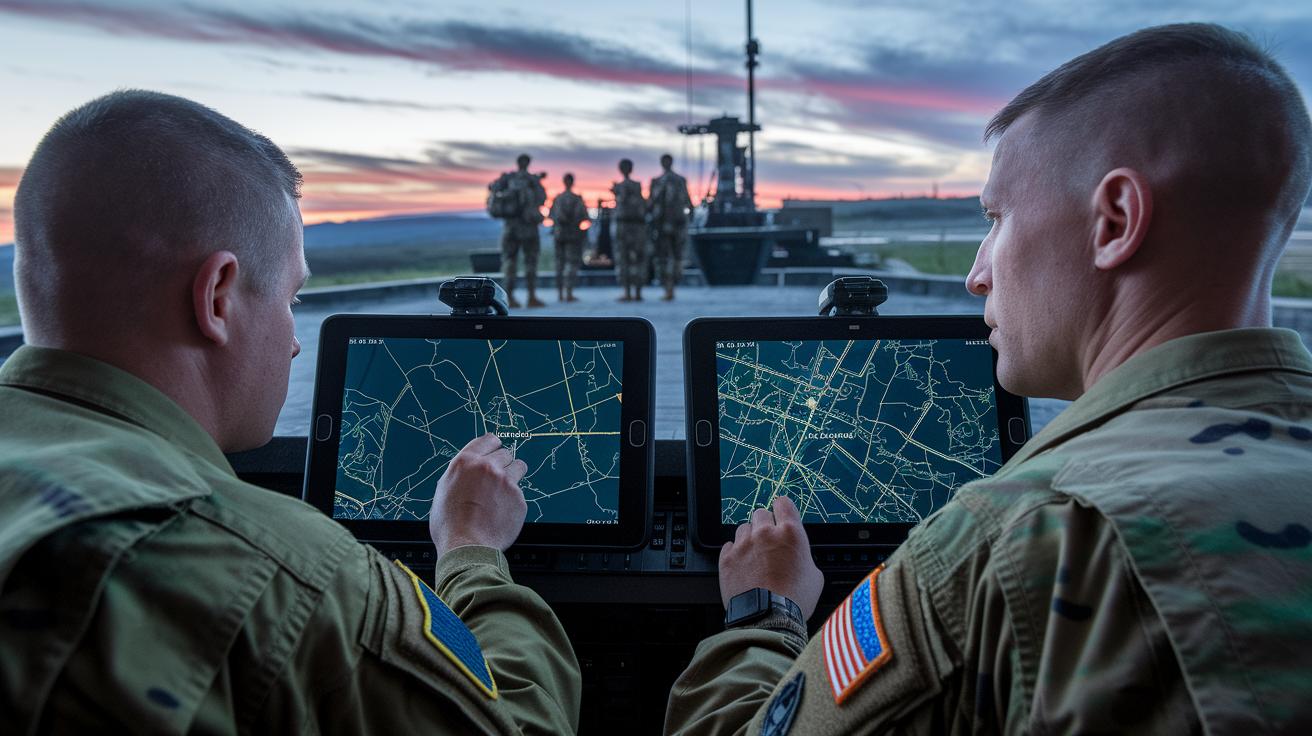
The military is quickly moving to a digital future by 2025. Defense teams are converting old-school paper data into digital files, and everything is backed by a secure cyber support system. It’s kind of like switching from a paper map to a GPS during training, a smoother, smarter way to navigate. Recent updates, like white papers from October, show how this secure cyber backbone makes communication faster and more dependable.
The Army 2030 plan rests on five key ideas. First, network convergence ties together communications, intelligence, and sensor inputs so that all units talk clearly, no matter what. Next, software-defined tech means systems can update over the air, much like updating an app on your phone. They treat data as a key tool, turning raw numbers into real, actionable insights. Then, artificial intelligence helps sort through complex information, think surveillance videos to logistics feeds, to back up quick, informed decisions. Finally, modular systems let new technology join up with older systems, keeping us always mission-ready. For instance, field units can now share live images and sensor readings without any worrying about tech mismatches.
These changes at the defense level are also reshaping how entrance exams work. Exam platforms are becoming more digital and secure, offering quicker scheduling and instant score updates. This modern approach makes sure that both the testing process and future military operations are as flexible and connected as our cutting-edge defense systems.
Recent Policy Shifts Driving Digital Entrance Exam Updates
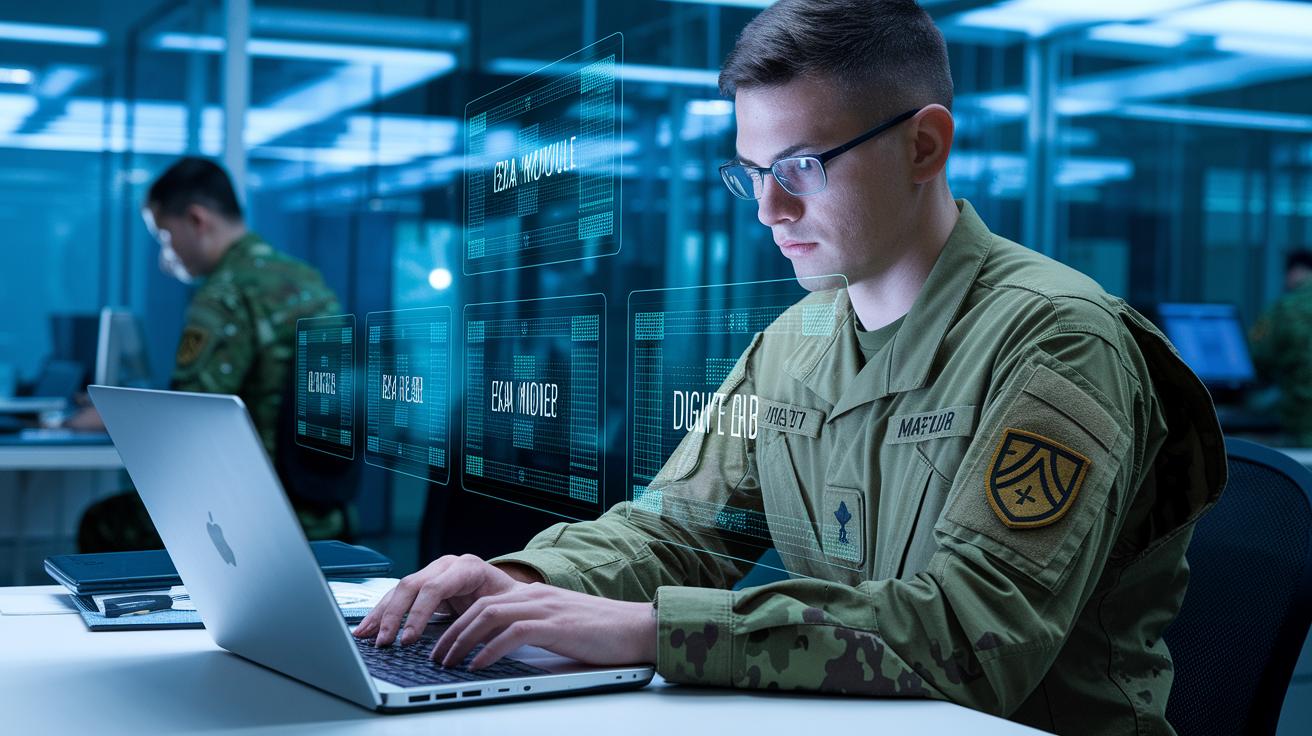
Modern changes in how we buy tech are speeding up the rollout of new exam systems. Military test officers now use flexible methods to quickly build and test new digital exam modules. This means software updates come faster and match the fast-paced digital world we live in. In simple terms, they’ve moved away from slow, old-school review methods and are now launching improvements almost as soon as the idea is born. For example, early talks with tech partners through xTechSearch are shortening the time it takes to bring new ideas to life. These updated policies also change when and how recruits meet the new criteria. To learn more about how this might affect future service members, check out https://militaryaptitudetests.com?p=1421.
- Quick new buying methods and rapid prototyping
- Early tech partnerships through xTechSearch
- Strong rules for zero-trust cybersecurity (this means never automatically trusting anyone online)
Even with these promising changes, some obstacles stick around. Outdated purchasing routines can still slow things down, and there’s a shortage of experts in digital systems and intellectual property management. Plus, old tech setups and tight budgets sometimes block a full transition. We still have some gaps to fix before we can fully benefit from a modern, digital testing system.
Emerging Test Platforms and Cutting-Edge Exam Technology

Today’s exam systems are changing fast. Networked, software-driven tests help keep military entrance exams up-to-date with over-the-air updates. In plain terms, exam modules refresh automatically like updating an app on your phone. It’s a neat way to keep tests current and ready for anything.
These secure online assessments use smart, connected tech paired with modern digital setups. Think of it as mixing a tight-knit network (secure mesh networks) with a backup from satellites to ensure reliable delivery, even in tough spots. AI proctoring, for example, watches test-takers in real time, giving quick feedback so that everything runs smoothly.
Below is a snapshot of some key platforms leading this change:
| Platform Type | Key Feature | Pilot Status |
|---|---|---|
| Secure Mesh Networks | Strong encrypted links and rapid updates | Under evaluation |
| AI Proctoring | Automated monitoring and real-time feedback | Trial phase |
| Satellite-Backed Delivery | Backup communication via satellite redundancy | Ongoing pilot |
| Modular Exam Apps | Flexible, software-defined modules for quick updates | Initial rollout |
Early pilot tests look very promising. The results show these systems handle tough conditions and offer better security. AI proctoring setups are checking candidate behavior accurately, while satellite services keep the connection steady no matter what. New tools like predictive analytics (a process to foresee test outcomes) are being checked to boost performance insights.
As these technologies grow and improve, we’ll see faster, smarter military tests that make the whole process more efficient.
Impact of Digital Transformation on Recruitment and Examiner Efficiency

Online enrollment portals now let candidates sign up faster. Recruits can book their appointments online, saving up to 40% on waiting time. It’s like picking the best window on a schedule that fits your busy life. And you get your scores right away, similar to checking your digital mail after a quick drill.
Remote testing options add an extra layer of flexibility, so you can take your exam from wherever you are. Imagine clicking a few buttons and getting your results in hours instead of days. It’s a breakthrough that brings modern tech to traditional testing.
For exam administrators, automation is a total game-changer. Automated scoring cuts turnaround times dramatically, from days to just hours. Real-time dashboards show live updates as tests wrap up, helping teams spot trends and flag candidates early on. Plus, early AI-based scoring models are hitting almost 95% accuracy on key exam sections. All of this happens under strict zero-trust security, ensuring personal data stays safe.
Future Directions and Next-Generation Insights in Military Exam Digitization
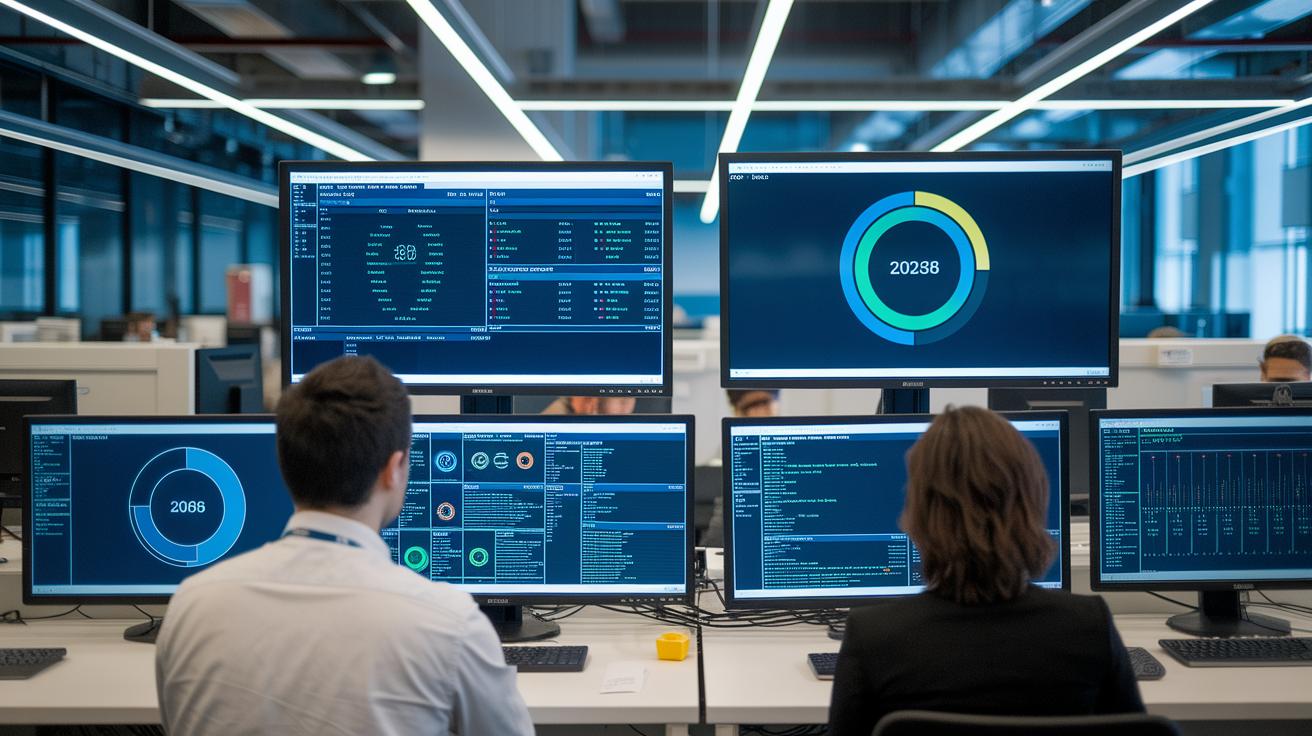
Plans are rolling out to beef up our digital exam systems by 2026. We’re setting up new, smart ways to test that work in even the toughest conditions. Think of it like your car automatically updating its software, quick, solid, and always ready.
- Full-scale remote proctoring rollout
- Digital-testing officer certification programs
- Predictive analytics dashboards for candidate success
- Network infrastructure upgrades for test centers
We’re also putting a big focus on digital talent. Training is starting at spots like the Software Factory in Austin to build skills right from within. This means tests will run smoother and faster, saving time and resources. Leaders see these steps as a smart way to cut delays and boost performance, balancing today’s needs with the tech of tomorrow to help make every decision count.
Final Words
In the action, we explored how digital updates are modernizing military entrance exams. We covered tech innovations, policy shifts, and new testing platforms that cut wait times and speed up feedback. Our discussion tied these advances to key Army 2030 pillars and highlighted digital transformation in military entrance exams news. Every update shows new ways to boost readiness and streamline testing processes. Stay confident and keep pushing forward, you’ve got the tools to succeed.
FAQ
What do the five principles guiding the Army transformation initiative for war in 2027 involve?
The five principles guide transformation by focusing on agility, technology integration, streamlined operations, improved training, and modernized structures to better prepare the Army for future combat challenges.
What does the Army Continuous Transformation Initiative focus on?
The Army Continuous Transformation Initiative focuses on ongoing modernization, enhancing force readiness, updating training, and integrating digital tools to keep the Army effective in today’s rapidly changing environment.
What is the Army Acquisition Transformation Initiative about?
The Army Acquisition Transformation Initiative is about reforming procurement with agile processes, early industry engagement, and digital integration to update equipment and support modern operational needs.
How will the Army restructure by 2025?
The Army’s planned restructure for 2025 involves modernizing command structures, integrating advanced digital systems, and aligning forces to improve responsiveness and overall mission capability.
What is the role of Army’s Transformation and Training Command?
Army’s Transformation and Training Command leads efforts to modernize training practices while aligning strategies with new technologies, ensuring soldiers are prepared for the challenges of digital-era operations.