
Ever think your push-ups and sit-ups might be the secret to being unstoppable on the field? Basic moves like these sharpen your strength and keep you ready for action. Imagine your body working like a finely tuned machine; every push-up, squat, and plank boosts your balance and power.
These drills aren’t just simple exercises, they are key practices that build up the muscles you need for real missions. Next, see how turning everyday workouts into secret weapons can help you perform at your best.
military bodyweight exercises for soldiers: Peak Performance
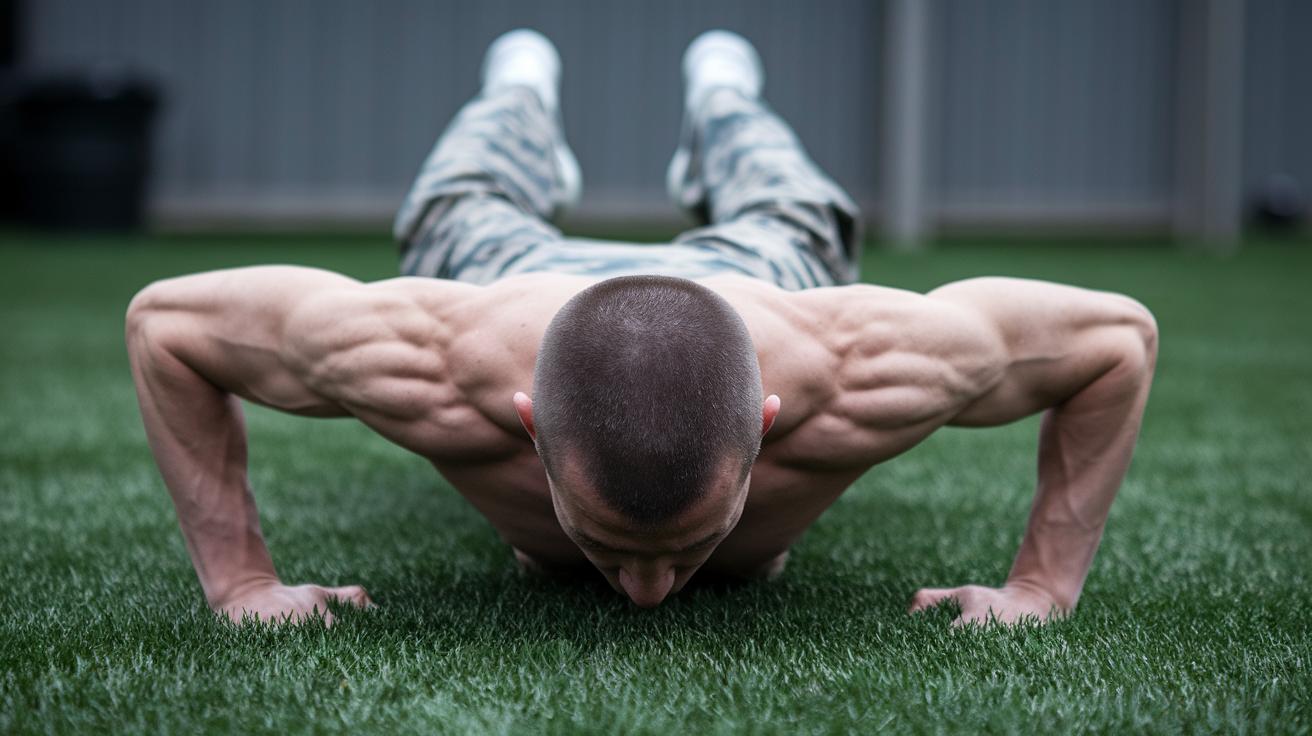
Getting a solid handle on basic bodyweight exercises is key to staying ready. Think of moves like push-ups, sit-ups, pull-ups, air squats, lunges, burpees, and planks as the core of your training. These tricks not only build strength but also boost your endurance and balance on duty. For instance, when you're doing push-ups, keep those elbows close and your back straight. Picture your body as steady as a rifle barrel – if you can line up like that, you're doing it right.
Every exercise here targets muscles you'll really use when you're out in the field. Doing sit-ups with your arms crossed and knees bent at about 90 degrees works your core to help you take a hit. Pull-ups are great for your upper body; a shoulder-width grip lets you move smoothly from hanging fully to pulling up until your chin clears the bar. Air squats work those legs well, so keep your chest up and squat until your thighs are parallel to the ground. When it comes to lunges, whether stepping forward or back, make sure your knee forms a 90-degree angle to stay balanced. And then there are burpees – a quick move that goes from squat to plank to push-up to jump, ramping up your heart rate if done fast. Finally, hold a plank with a steady line from your head to your heels, engaging your core and glutes for endurance.
| Exercise | Primary Muscles | Form Cues |
|---|---|---|
| Push-Ups | Chest, triceps, shoulders | Elbows close, back straight |
| Sit-Ups | Abs, hip flexors | Arms crossed, knees at 90° |
| Pull-Ups | Back, biceps | Shoulder-width grip, full range of motion |
| Air Squats | Quadriceps, glutes | Feet shoulder-width, chest up |
| Lunges | Legs, core stability | Knee at 90° on each step |
| Burpees | Full-body | Squat, plank, push-up, jump combo |
| Plank | Core, glutes | Keep a straight line from head to heels |
For more detailed routines, check out the military bodyweight workout resource at https://militaryaptitudetests.com?p=1394.
Structuring combat bodyweight circuits for soldier training

When you plan a combat circuit, you mix strength moves and endurance drills into a timed routine that feels a lot like real field operations. One solid option is the 1% Workout. It means spending about 15 minutes, roughly 1% of your day, three to four times a week. Think of it as a quick drill that fits perfectly into even the busiest schedule and helps you burn fat and build muscle.
Another routine you might try is the Prison Workout. With just a small space, you can switch between strength moves and cardio by picking up the pace and taking only 10 to 20 seconds to rest between exercises. Picture yourself doing rapid push-ups, squats, and lunges, like closing in on a target while keeping your heart pumping.
Then there’s the 20-Minute Bodyweight Circuit. In this drill, you cycle through six exercises for a minute each, take a 30-second break, and repeat the whole thing. This method targets all your major muscle groups while keeping recovery time short and the intensity high. And if you want to mix it up, try the Spartan Run. You run short distances, between 400 and 800 meters, and follow up with sets of push-ups and squats. It’s great tactical conditioning where you run and drill at the same time.
For those days when you need a focused routine, the Big 5 Workout is a winner. Inspired by British Army routines, it packs five core stability exercises into a 20-minute session. Even if you're training at home, you can use everyday items to add a bit of weight. With 12 to 15 reps per move and rests of 30 to 60 seconds, you'll build power and endurance all at once. For more ideas on home-based military training circuits, check out a military fitness workout at home.
Mission-focused soldier conditioning with bodyweight drills

Getting mission-ready means mixing different drills like heavy marches, short runs, and quick, high-power bursts. Picture yourself on a six-mile march carrying an 80-pound pack and your gas mask. It really tests you, both body and mind, just like the real challenges on the field.
Next, add running to your routine. Start with a one-mile run and then slowly push yourself to go a bit further or faster each week, about 5–10% more. Think of it like moving from one checkpoint to the next: little improvements stacking up to build solid endurance.
For a burst of energy, give HIIT calisthenics a try. Do 30 seconds of sprinting followed by 30 seconds of burpees or jump lunges, and keep it up for 15–20 minutes. Imagine every burst of speed as if you're reacting fast in a combat situation.
And don’t forget your core. Work on your abs with focused sit-up sets four or five times a week with short breaks. Every rep helps strengthen your core, giving you better balance and resilience, just what you need for smooth field maneuvers on mission day.
Safe execution and modifications for soldier bodyweight exercises

Begin your workout with a short 5-minute warm-up. A light jog, some leg swings, and arm circles will get your muscles ready and help lower your risk of injury.
For military push-ups, keep your body in a straight line from head to toe. If you're just getting started or need a break, try easier versions like knee push-ups or inclined push-ups. These options let you build strength without losing proper form.
When doing military squats, adjust your stance to make the exercise easier or harder. If your mobility is limited, only squat until your thighs are parallel to the ground. This helps protect your knees and lower back.
Lunges can be tweaked, too. Try reverse or static lunges and use a wall for extra support if needed. This keeps you stable while still working your leg muscles and core.
If burpees feel too intense, you can skip the push-up part for a low-impact version. Or if you want a little extra burst, add a tuck jump to boost the workout.
Using resistance bands during pull-ups lets you focus on lowering slowly (negative reps). This safe approach helps you build upper body strength without overexerting yourself.
Progression planning and performance metrics for military bodyweight training

Keeping a close eye on your progress is like following clear mission objectives. Start by jotting down the most push-ups and pull-ups you manage in one go. Write your score and aim to add 2 to 5 extra reps each week. For example, say, "Today I did 30 push-ups; tomorrow I’ll try for 32." Each small win boosts your confidence and shows measurable progress. These numbers help you see where you stand and what needs tweaking.
Next, mix in timed circuits and run drills. Record how many rounds you finish in a 20-minute circuit and set a goal to up that total by 5% every cycle. Also, check your times for a 1-mile and 3-mile run each month, working to cut 10 to 20 seconds off each. Plan your training with 4 weeks of steady volume, followed by 2 weeks of high-intensity work, then a week to rest and recover. Following official Army PT standards gives you a solid framework to set realistic goals and stay on track with your performance.
Recovery strategies and fatigue management in military bodyweight workouts
After a tough circuit, it’s just as important to rest as it is to work hard. Give yourself 24 to 48 hours between intense circuits so your body can rebuild strength and steer clear of overtraining.
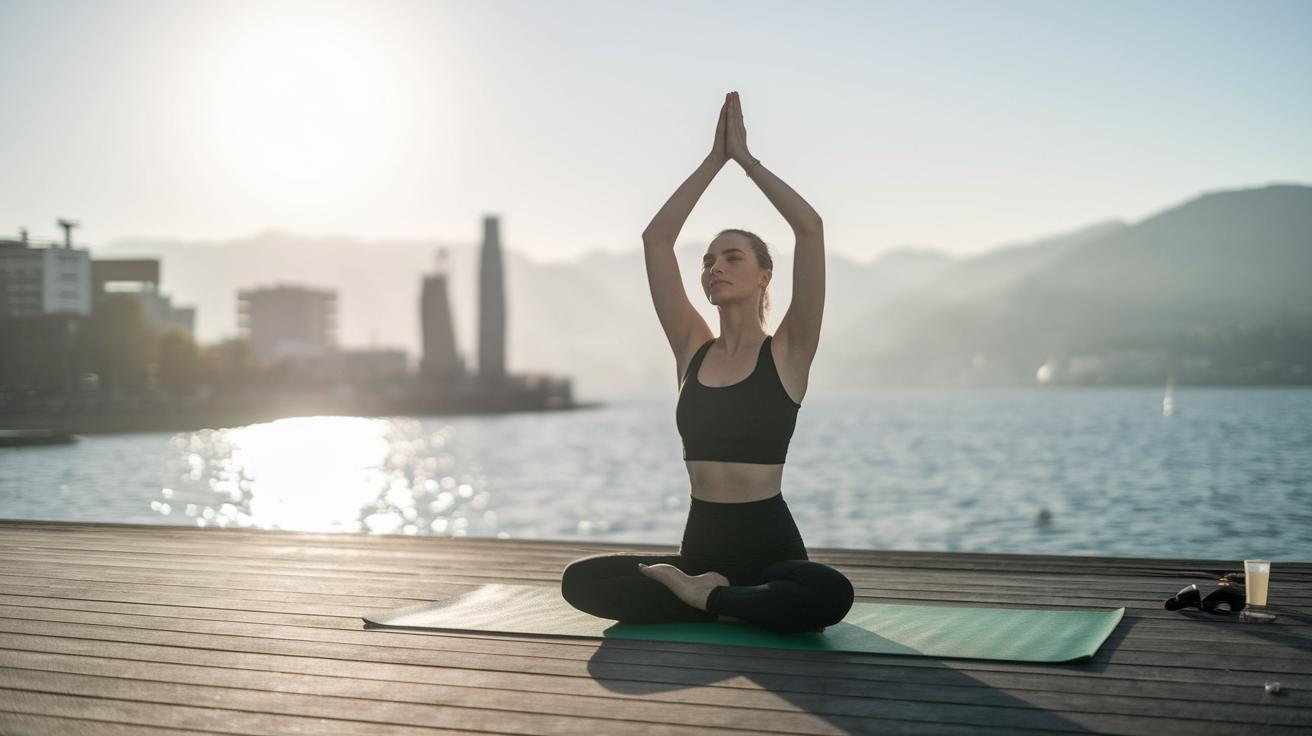
Active recovery can really make a difference. Simple moves like a light jog, a swim, or even a yoga session on off days help relax your muscles and speed up recovery. Think of it like a gentle warm-up before the next drill, keeping you moving without the heavy load.
Getting 7 to 9 hours of sleep every night, eating lean protein, and staying well-hydrated are essential for bouncing back fast. It’s like refueling after a long day in the field. Remind yourself, "With a good night's sleep and a solid meal, I’ll be ready to power through the next circuit with new energy."
Don’t skip your cool-down either. Stretching and mobility work right after training can help keep injuries at bay. Hold a static stretch for 20 to 30 seconds or try some foam rolling to ease muscle tension. A few minutes of deep breathing or a short meditation can lower stress and let your mind reset, just like a cool debrief after a mission.
Final Words
in the action we covered solid bodyweight moves, from push-ups and squats to lunges and core work, that build strength and endurance. We also broke down how to design circuits that mix conditioning drills with proper recovery and safe modifications. Remember, by sticking with these military bodyweight exercises for soldiers, you steadily improve your form and readiness. Keep up the hard work and positive spirit; your drive and consistency will lead you to success on and off the field.
FAQ
Frequently Asked Questions
Military bodyweight exercises for soldiers PDF
The military bodyweight exercises for soldiers PDF provides a printable guide of basic drills such as push-ups, sit-ups, pull-ups, and squats, complete with form cues to help build and maintain operational strength.
Military workout program PDF
The military workout program PDF details a structured plan that includes rep ranges, rest intervals, and scalable variations. This guide supports soldiers in building endurance and strength through proven bodyweight circuits.
Free military bodyweight exercises for soldiers
The free military bodyweight exercises for soldiers resource offers easy-to-follow routines without any cost. It covers essential moves that improve functional strength, endurance, and overall fitness suitable for all soldiers.
Military bodyweight exercises for soldiers with no equipment
The military bodyweight exercises for soldiers with no equipment guide explains routines that rely solely on your body weight, such as push-ups, squats, and lunges, ensuring effective training anywhere, anytime.
Military workout program PDF free download
The military workout program PDF free download supplies a no-cost, detailed training guide complete with exercise sequences, rep counts, and rest intervals to help soldiers boost strength and stamina effectively.
Best military bodyweight exercises for soldiers
The best military bodyweight exercises for soldiers include moves like push-ups, pull-ups, squats, and burpees. These drills are chosen to enhance functional strength, agility, and endurance needed in the field.
Military bodyweight exercises for soldiers at home
The military bodyweight exercises for soldiers at home plan features routines that require minimal space and equipment. It covers essential moves like lunges and planks to keep you mission-ready without leaving home.
Military bodyweight workout plan PDF
The military bodyweight workout plan PDF is a comprehensive guide outlining structured exercise sequences and training circuits. It serves as a ready reference to track your progress and maintain peak physical condition.
What are the 12 army dozen exercises?
The term “12 army dozen exercises” refers to a traditional set of drills often including core moves like push-ups, sit-ups, squats, and additional fundamental exercises designed to build robust strength and endurance.
What is the 3-3-3 rule for workout?
The 3-3-3 rule for workout means performing three exercises for three sets each with three variations. This method offers balanced muscle engagement by targeting different angles for a complete training session.
What is the 5 4 3 2 1 training method?
The 5 4 3 2 1 training method is a pyramid-style workout where you complete a series of exercises in descending order of repetitions. This tactic boosts both strength and endurance while keeping training dynamic.
How to train your body like a soldier?
Training your body like a soldier involves structuring routines that mix strength, endurance, and agility drills. By combining bodyweight exercises and tactical circuits, you build functional fitness essential for real-life challenges.