
Have you ever thought that a quick review might lift your exam score? Military exam debriefings let you see what worked and what did not right after a test.
This simple process helps you catch errors early so that your next training session goes smoother. It even shows a performance bump of about 25 percent.
Read on to see how breaking down your exam can spotlight your strengths while clearing up weak spots, giving you a true edge during preparation and boosting your confidence for what comes next.
Exam Debriefing Methods Explained for Military Candidates: Win More

Debriefing, also known as the after-action review, is a simple, cost-effective tool that can lift your performance by about 25% on average, and even up to 38% when the process is organized and team-driven. This method was developed after World War II and has since reshaped military training and aviation safety. For example, think about how pilots used to repeat the same mistakes until a solid review process helped them turn things around.
In military exam settings, debriefing means gathering feedback after a test to figure out what worked and what didn’t. By breaking down what happened into clear, easy-to-follow steps, you make sure every lesson is learned. Despite a review of 46 studies showing strong benefits, many units still miss out on debriefing because of patchy training practices.
When you use these exam debriefing methods, you get a clear view of your strengths and areas needing improvement. This kind of feedback loop builds personal accountability and helps you prepare better for future tests. Leaders and facilitators can benefit from studying systematic review methods to nail down the best practices for a thorough, structured debriefing session. Honest and friendly discussions during debriefing can sharpen your skills and boost your confidence.
Structured Debrief Process: Seven-Step AAR Protocol for Military Exams

-
Set Objectives – Start by writing down what you want to learn from the exam. Think of it like planning a mission: decide what you need to focus on, such as finding which parts of the exam really hurt your score.
-
Describe Event – Next, share a clear rundown of what happened during the test. Tell it like a story, step-by-step, just as you would explain the details of an operation to a teammate.
-
Analyze Actions – Look closely at how you and your team handled the exam. Go through each decision and action you took, similar to replaying a drill in your head to see what worked and what didn’t.
-
Identify Errors – Now, spot any mistakes, but remember, this isn’t about blaming anyone. It’s like noticing a misfire during training, simply point out where things went off track so you know where to improve.
-
Extract Lessons – Think about what each mistake can teach you. This step is about turning errors into valuable lessons, much like using practice setbacks to build future success.
-
Define Next Steps – Plan out clear actions for next time. Set simple, specific goals for improvement, just like you would schedule your next training session to build on your strengths.
-
Document and Follow Up – Finally, write everything down and agree on follow-up steps. Keeping a record ensures the lessons stick and helps you track progress, much like a detailed debrief after a mission.
Candidate Performance Analysis and Feedback Best Practices

Team debriefings can lift performance by as much as 38%. Research by Tannenbaum and Cerasoli shows that when teams come together to talk things over, they build clearer insights. This helps candidates understand that a mistake is about the method, not a reflection of their skills.
When you study performance, try these steps:
- Point out clear, specific actions instead of vague comments.
- Rely on solid data (like error counts and trends) to show what’s really happening.
- Set up a regular feedback loop so candidates always know their next steps.
For example, if a candidate often stumbles on the same question type, use numbers to explain it. You might say, "You missed 3 out of 5 questions of this type on your last exam." This method helps them self-assess and plan their next move.
Facilitators should use proven error analysis techniques for military exam improvement (a detailed guide can be found at https://militaryaptitudetests.com?p=2018). This approach highlights study habits and sets clear action steps.
Have you ever seen a teammate use solid numbers to zero in on what needed fixing?
Debrief Session Templates: Checklists and Outline Tools
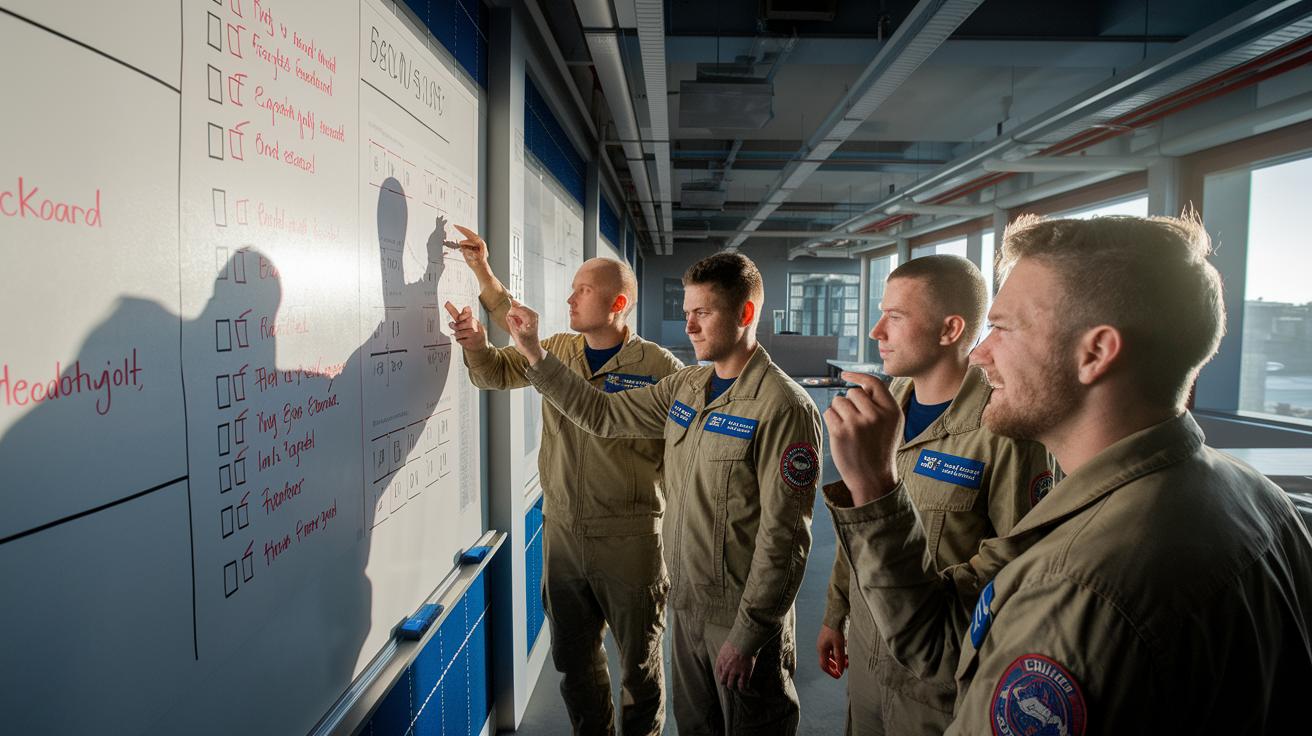
A good debrief session is much like a solid briefing you’d give before a mission. Using ready-made checklists and templates helps you catch every detail after an exam. They break the session into simple parts like objectives, performance gaps, root-cause analysis (figuring out why things went wrong), lessons learned, and action items. Picture yourself writing down, "I missed 3 out of 5 questions on a common topic." That’s how you turn a misstep into a learning chance.
Usually, these templates stick to a seven-step process that many military teams trust. They even use a method similar to the Stealth trademark debrief style to ensure nothing gets missed. With a checklist in hand, you can quickly look back at the exam, identify where things faltered, and decide on clear steps to get back on track. This organized approach not only builds confidence but also makes sure every point gets the attention it deserves.
Imagine a classroom where every candidate sees the checklist on a big screen. It lays out a clear, step-by-step guide that helps both team members and leaders review performance smoothly. Below is a table that lists a few template options covering every angle of the debrief process. Use these tools to keep your sessions organized and push for real improvements.
| Template Name | Purpose | Key Components |
|---|---|---|
| Basic AAR Checklist | Quick review of exam events | Objectives, Errors, Next Steps |
| Detailed Exam Deconstruction Outline | In-depth analysis of performance | Performance Gaps, Root-Cause Analysis, Lessons Learned |
| Quick Review Template | Condensed feedback session | Highlights, Action Items, Follow-Up |
Engaging Debrief Activities to Reinforce Learning

Start your session with activities that turn exam reviews into lively group discussions. One helpful drill is the “What? So What? Now What?” exercise. First, you explain what happened during the exam, then you talk about how it affected you, and finally, you plan steps to improve. For instance, you might explain, "I noticed a recurring mistake, we saw why it mattered, and now we're practicing drills to fix it."
Another engaging idea is to use playing cards for reflections. Each card can prompt you to share a learning point or a question, making the discussion more interactive and inviting. This simple method helps everyone share insights and dive deeper into the topics.
Facilitators can also use Start-Stop-Continue-Change worksheets. These sheets break down your review into clear steps: what you should start doing, what to stop, what to continue, and what to change. It’s like jotting down, "I need to start reading questions more carefully, stop rushing, keep up my timed practice, and change my review process."
Circle of Competence talks offer another chance to learn. In these sessions, everyone shares their personal strengths and challenges, building a sense of teamwork and understanding. And by setting up 60-day commitment contracts, candidates turn lessons into real, daily actions. For example, someone might commit to practicing a tough question type every day for the next two months.
Each of these methods keeps you actively involved. They ensure that important lessons stick and that new strategies become a natural part of your exam preparation.
Overcoming Common Debrief Challenges in Military Candidate Reviews

Many debrief sessions run into trouble when the person leading them isn’t fully trained or lacks a clear plan. This often means there isn’t enough time, not all the info gets shared, and sometimes candidates even push back when exam mistakes are brought up. The main aim during these sessions is to help fix errors quickly while building confidence with clear, simple advice.
Here are some down-to-earth tips to straighten things out:
-
Get training and certification for facilitators so they come off as knowledgeable and confident.
-
Use standard templates that clearly outline every step of the review, much like a well-practiced drill plan.
-
Mix in quick, focused micro-debriefs during daily routines. This gives everyone a chance to address small issues right away.
When a trained facilitator sticks to a clear template, the conversation stays on track and improvements are easier to spot. Quick micro-debriefs help catch issues on the spot, encouraging responsibility and making error correction simpler. With this setup, candidates start to see mistakes as opportunities to get better, not as setbacks. Following a set structure where everyone feels supported turns tough feedback into a useful tool that sharpens performance and builds real confidence.
Measuring and Tracking Debrief Impact with Performance Metrics

Keeping track of your debrief sessions is key to making lasting improvements. Start by noting important numbers like how much scores go up, how quickly errors are fixed, and how many action items get completed after each session. These simple numbers show you if your team is learning from mistakes and sharpening their study habits.
For example, if you see your team’s average score jump by about 25% after a debrief, that’s clear proof the feedback is working. It’s like checking your compass in the middle of a mission to make sure you’re still on course.
Use an easy checklist to write down your numbers after each exam review. Focus on things like:
- Average score improvement (%)
- Speed of error correction
- Completion of follow-up tasks
Regularly compare how the group does before and after these sessions. This practice helps you spot trends and see which topics might need more coaching. When you track these numbers consistently, you can adjust your strategies and build a feedback loop that pushes exam performance higher.
Embedding Debriefing into Regular Military Training Cycles
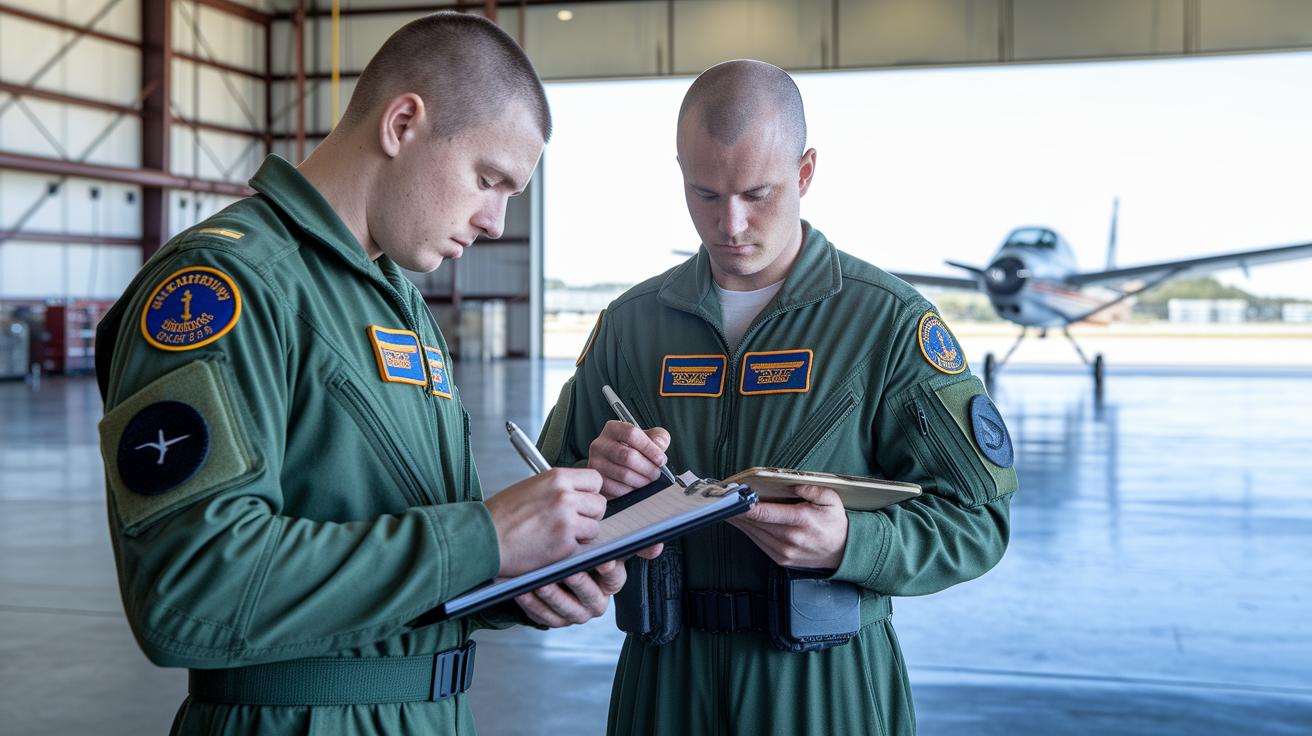
Debriefing got its start in military aviation after World War II and slowly became a regular part of training. Today, adding quick after-action reviews into your mock exams, field drills, and written tests helps build a habit of honest self-assessment. It shows you what study methods really work and points out areas that need improvement, keeping you ready and confident for upcoming tests.
Imagine this scenario: after a training session, you note, "During today's drill, I hesitated during the timing section. Next time, I’ll focus on making quicker decisions." This simple note turns a small setback into a clear plan. It not only helps you learn but also boosts your exam readiness.
Making these debrief sessions part of your training cycle creates an environment where you’re constantly learning. Short, on-the-spot reviews right after exercises let you tweak your study tactics and keep your skills sharp. Over time, these reviews build a steady feedback loop that helps your performance improve in clear, measurable ways.
Final Words
In the action, we explored how a structured exam debrief can boost performance and provide clear steps for improvement. We broke down techniques like step-by-step reviews, engaging activities, and performance tracking to guide military candidates through the process.
This practical outline shows that using exam debriefing methods for military candidates can turn challenges into growth opportunities, helping you build confidence and readiness every step of the way. Stay focused and positive as you continue to sharpen your skills.