
Ever wonder why some soldiers really stand out on exam day?
Before you step into the testing room, running through a simple routine can make all the difference.
Just like you inspect your gear before a mission, a few small steps can fuel your body and clear your mind. Spending a few minutes on a light warm-up, eating a balanced breakfast, and taking a moment for quiet focus can sharpen your skills and boost your confidence.
Ever felt that surge of readiness before an important mission? In this briefing, you'll see how these small pre-test habits can give you the extra edge you need to perform at your best in every military exam.
pre-exam routines for military tests: Achieve Excellence
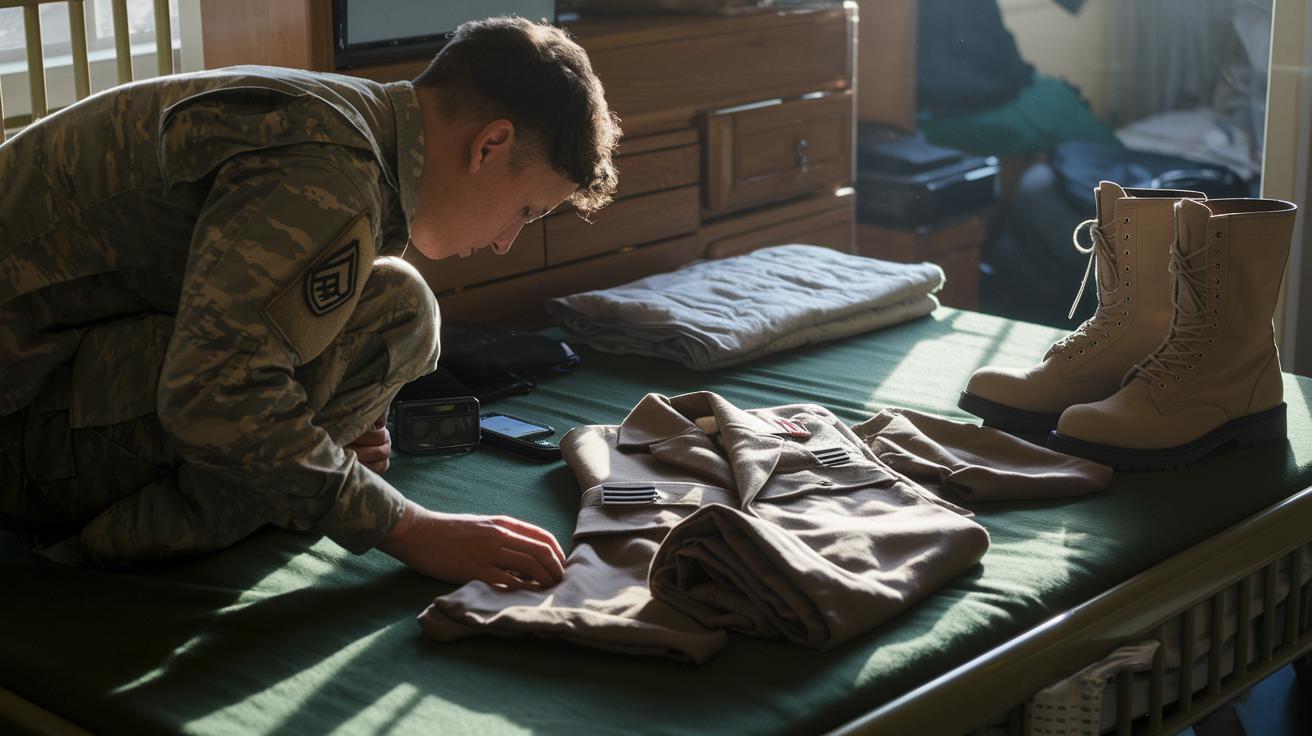
Start your day by gathering your gear, uniform, boots, extra socks. This little routine makes sure everything is in place before you head out. You might even lay out your uniform the night before so you can jump into it at first light.
Then, spend a few minutes on a light warm-up. A brisk walk or some simple stretches will shake off the stiffness, just like checking your equipment before a mission. Try a quick set of jumping jacks, a bit of arm circling, and some shuffles to get your blood pumping. It’s a great way to wake up your muscles and your mind.
Next, fuel up with a balanced breakfast that keeps you steady through the morning. Think of it like this: a bowl of oatmeal with fruit or whole-grain toast with egg. It gives you the energy you need without feeling too heavy and helps sharpen your focus for what’s ahead.
Now, take a few quiet minutes for mission rehearsal visualization. Sit down and mentally run through the test steps. Picture yourself completing each move, every push-up, and each steady breath during your run. This mental practice builds the warrior mindset you need to face any challenge.
Finally, go over your final notes or strategies. A quick review helps solidify what you know and eases any nerves. Imagine checking off each step on your list as you prepare to excel.
Tactical Study Schematics for Pre-Exam Military Test Preparation
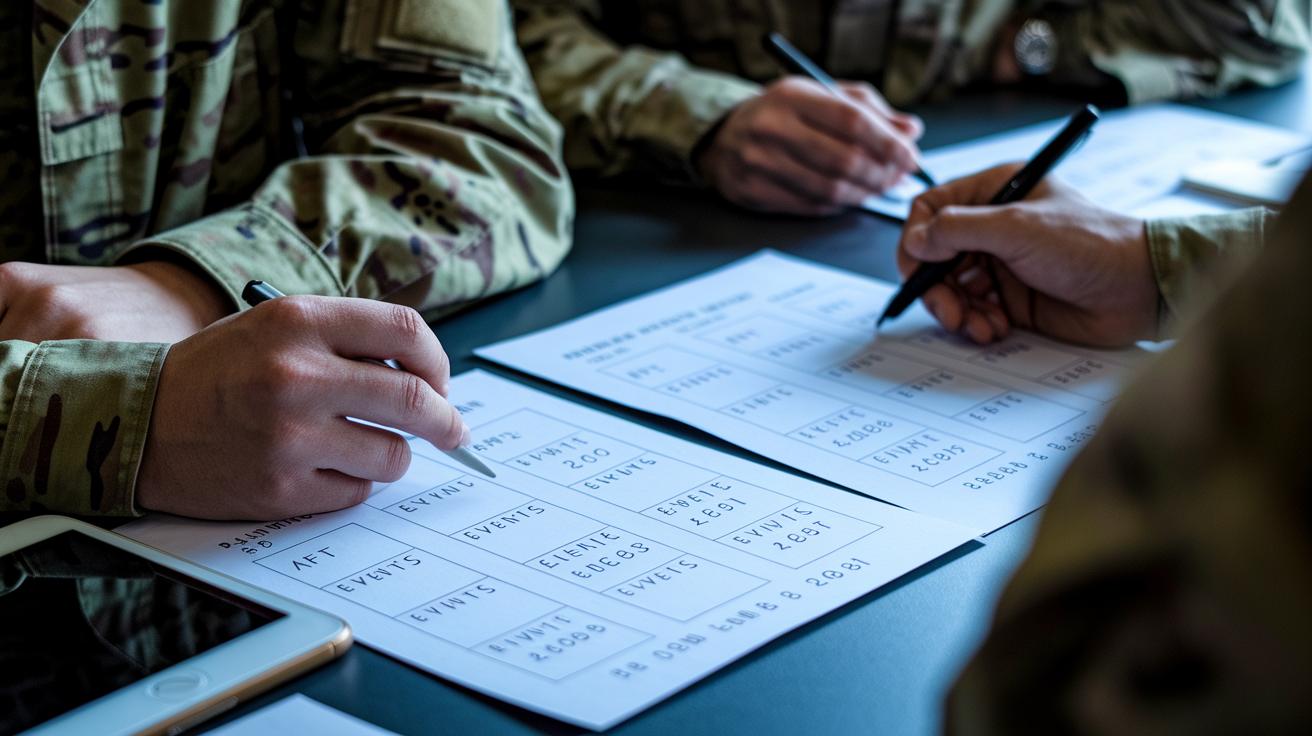
Plan your study schedule just like you plan a mission. First, jot down every event for the new Army Combat Test (AFT), which starts on June 1, 2025. With five events on the docket, you’ll need time for memory drills, problem-solving exercises, and exam-day steps.
Break your study time into clear, focused sessions. For instance, use one session solely for memory drills, think of it like reviewing your action plan before a field exercise. Then, set aside time for problem-solving tasks; create practice scenarios as if you’re on a simulated mission. Finally, dedicate a block of time to run through your exam procedures. This final review builds your warrior mindset and keeps you calm on test day.
Before each session, take a few minutes to imagine yourself handling every task flawlessly. Picture yourself moving through the drills with purpose. This little visualization helps boost your mental readiness.
For a detailed, step-by-step guide on scheduling your study sessions, check out the military exam preparation tips at military exam preparation tips.
Design each study module with a set timer. Write down the subject, your goals, and review your progress daily. This method keeps you confident and ensures you give each part of the exam the attention it deserves.
Pre-Exam Sleep Regulation and Recovery Cycles for Military Tests

Plan your sleep schedule like you’re setting up a mission. It’s as crucial as your drill run or push-up set. Try to hit the sack and wake up at the same time every day, even when you’re off duty. This steady rhythm helps your body bounce back after those full-body strength sessions and quick agility drills.
Develop a calm nighttime routine that tells your body it’s time to relax. Dim the lights and spend a few minutes doing deep breathing or gentle stretches. Picture this: you power down your screens, lower background noise, and take a quiet moment to think about the day, kind of like reviewing a mission plan. This small step cools down your muscles and clears your mind so you recover better.
Also, consider adding a light recovery session in the evening. A slow walk or a few simple yoga moves can boost your blood flow and help repair your muscles without overworking them. If you need a bit of fuel, grab a small, balanced snack to keep your energy in check. This approach keeps your body and mind ready for any challenge on test day.
Pre-Exam Combat Fitness Regimen for Military Test Day

Begin your routine with a warm-up that gets your body ready for action. Picture yourself jogging in place, swinging your arms, kicking your legs, and doing side shuffles to wake up your muscles, much like a soldier preparing for a drill.
Next, try a structured workout circuit that works your whole body. For instance, start with a quick sprint, move on to 20 push-ups and 20 sit-ups, then finish with a cool-down stretch. After that, switch up with a drill that mimics the test’s water challenge: swim 50 meters, then tread water for 2 minutes. This session boosts your stamina and sharpens the quick movements you’ll need. For more details on structured circuits, check out combat fitness training for soldiers.
Repeat these exercises over several rounds with brief rests in between. This method helps you build up to the 1.5-mile run and hit your target pace of 13 minutes and 10 seconds. Finally, ease down with gentle stretching or a light walk to start your recovery. Adjust each circuit as your strength grows, keeping your routine fresh and on point for test day.
Pre-Exam Stress Mitigation and Mental Focus Routines for Military Tests

Start your study routine with simple stress-busting drills that boost your focus. Try controlled breathing: breathe in slowly, hold for a count of four, then exhale steadily. This easy exercise helps ease tension and sets a steady pace before your exam.
Next, add a few short meditation sessions, about two minutes of quiet time. Picture yourself in the early morning, like you’re on a drill, really focusing on each breath. You might even say to yourself, "I am strong and steady. I'm moving with purpose, like a true soldier."
Remember, doing too many mental drills at once can wear you out. Mix in mindfulness breaks with timed focus sessions. Use a timer to switch between work and short mental pauses. This approach helps keep your mind sharp while building a focused warrior mindset.
Also, keep your body fueled by eating balanced snacks that give you energy without weighing you down. And don’t forget to jot down any little wins or insights in your progress log. Noting these small moments can boost your confidence and keep your exam prep on track.
Performance Tracking and Routine Modification for Military Test Readiness

Start by keeping a simple workout log. Right after your session, jot down your run times, push-up and sit-up counts, and even scores from quick mental quizzes. For example, after a 1.5-mile run, note your time and give your effort a rating from one to ten. This clear record shows your progress over time.
Then, add a mission mindset to your log. Ask yourself, "How did that feel?" and write down any moments where you lagged or really nailed it. Use these notes to adjust your training plan. If your log shows you’re having trouble with endurance, try adding extra intervals or changing your pace. And if you notice you’re unusually tired after some workouts, consider tweaking your rest periods. Regularly updating and refining your routine based on these details builds your confidence and sharpens your readiness as you approach test day.
Final Words
In the action, the article breaks down calm pre-test steps. It covers routines like assembling gear, a light warm-up, study reviews, and mental drills. The tips combine physical drills with mindful relaxation and solid sleep practices. Each section helps build a plan that boosts strength, focus, and recovery before test day. These pre-exam routines for military tests give clear, relatable steps to build readiness and confidence. Keep a steady pace and maintain focus, the positive gains will come with dedication.
FAQ
Free pre exam routines for military tests
The free pre exam routines include light warm-ups, gear checks, and mental run-throughs. They help boost your focus and prepare you physically before you take your exam.
Best pre exam routines for military tests
The best routines mix low-intensity exercises, quick review sessions, and controlled breathing techniques to get your body and mind tuned for peak performance on test day.
Army physical fitness Test standards by age
The Army physical fitness test standards by age set clear performance benchmarks for different age groups, ensuring all recruits meet specific criteria according to their stage in life.
Army physical fitness Test chart
The Army physical fitness test chart shows the required scores, run times, and rep counts by age group, helping you track progress and know what to aim for in your preparation.
Army fitness test 2025
The Army fitness test 2025 brings updated events and performance measures. It requires new training strategies that blend strength, endurance, and agility for overall military readiness.
Physical requirements for Army male
The physical requirements for Army males outline targets such as run times, push-ups, and sit-ups. They are designed to ensure every recruit has the necessary strength and endurance for duty.
Military physical requirements for females
The military physical requirements for females provide adapted performance standards for endurance and strength exercises. These guidelines ensure all recruits achieve the fitness level required for service.
Army PT exercises pdf
The Army PT exercises PDF is a handy guide featuring structured workout circuits and dynamic warm-up drills. It serves as a ready resource to help you train effectively before test day.
What is the 3-3-3 rule for workout?
The 3-3-3 rule for workouts means doing three sets of three exercises, balancing strength and endurance training while keeping recovery brief. It offers a simple structure for efficient practice.
What to do the day before a PT test?
The day before a PT test, stick to light physical activity, practice controlled breathing, and get a good night’s rest. This helps maintain your energy without causing unnecessary fatigue.
What is the hardest military test to pass?
The hardest military test to pass often involves the combat fitness assessment, which demands peak physical endurance and sharp mental focus under challenging conditions.
What is the best dinner to eat before a PT test?
The best dinner before a PT test is a balanced meal with lean protein, whole grains, and vegetables. It provides lasting energy without leaving you feeling too full or sluggish.