
Have you ever thought that building soldier strength was just about lifting weights? Think again. This workout routine is designed to mimic the real challenges you face on the field. Daily drills like lifting, sprinting, and quick moves help you get ready for action. Imagine training that lets you carry heavy gear without wearing you down and helps you recover quickly when it matters most.
In this article, we break down how these practical exercises build solid strength and boost agility. Stay with us to see how everyday training can sharpen your skills for the demands of duty.
Maximizing Combat Performance with Functional Fitness for Soldiers

Functional fitness for soldiers is all about training that mirrors the real challenges you face every day. You work your whole body with drills that involve lifting, sprinting, and maneuvering through obstacles, just like you would on a mission. Think of it as rehearsing the very actions you’ll need when it counts. For example, alternating between push-ups and quick sprints builds your strength and coordination in a way that really matches combat scenarios.
This way of training helps you carry heavy gear and rucksacks over rough ground with less strain. When your exercises mimic field challenges, you learn how to bounce back quickly between bursts of effort, much like switching from a run to a defensive move. It’s a practical approach that helps conserve your energy and reduce overall fatigue.
Moreover, these functional drills boost your resistance to injuries. Imagine doing controlled moves like weighted lunges or bodyweight squats that target your core and stabilize your joints. This is similar to preparing for unexpected challenges during training. Instead of just lifting weights, you're building the capability to handle sudden physical demands, like moving heavy objects or navigating tight spaces when you really need it.
Core Military Strength Conditioning and Tactical Functional Workouts

Many training programs ask you to handle steady weights, like carrying an 80-pound rucksack or pushing a heavy log. Imagine lifting that weight with no adjustments allowed, every rep builds the raw strength you'll need when it really counts on the field. Have you ever felt that electrifying burst of power after lifting something heavy? It’s moments like that which prepare you for unexpected challenges.
Soldiers also work on boosting endurance. Think about running 5 miles in under 37 minutes or completing a 12-mile ruck in a 13-minute pace. These goals force you to build a mix of strength and stamina, kind of like testing yourself during a timed drill where every second matters.
High-intensity interval training, or HIIT (short bursts of maximum effort with brief rests), is a key part of these workouts. You push hard for 30 seconds, just like sprinting across an open field, and then take a quick 15-second break. These rapid cycles are designed to mirror the fast, intense moments you might face in combat.
Outdoor training is also essential. Running and working on different terrains helps train your stabilizing muscles and sharpens your reaction times, even when you’re tired. This mix of steady loads, endurance runs, and quick intervals builds a solid foundation for being ready in any situation.
Sample Soldier Training Circuits and Combined Strength-Endurance Routines

This training program gives you two solid weekly options that mix strength and endurance drills. The first option is all about building raw power. It has you lifting heavy loads, like deadlift carries and weighted squats, on four days. You also get two days for running, plus one day is saved for a long ruck march where you carry a heavy load. Think about powering through a deadlift carry, moving weight in steady bursts just like carrying a heavy pack on a mission.
The second option is built around endurance. Here, you hit a full-body strength workout twice a week, add a session of bodyweight exercises to boost your control, and spend three days running to sharpen your aerobic fitness. You wrap up the week with a non-impact cardio or easier ruck day that eases joint stress while still testing your stamina. Picture doing push-pull routines and interval sprints that mirror the sudden shifts you might face on a mission.
Below is an HTML table outlining a sample week for the strength-based plan. Each day has a clear focus and specific exercises, which makes planning your workload and recovery easier:
| Day | Focus | Key Exercises |
|---|---|---|
| Monday | Lifting Day | Deadlift carries, squats, bench press |
| Tuesday | Running Day | Interval sprints, tempo runs |
| Wednesday | Lifting Day | Push-pull routines, weighted rows |
| Thursday | Running Day | Steady run with bursts |
| Friday | Lifting Day | Heavy compound lifts, accessory moves |
| Saturday | Ruck Day | Loaded marches, weighted hikes |
| Sunday | Active Recovery | Mobility drills, light jogging, stretching |
Both plans push you to give your best, whether you're powering through heavy lifts or enduring long runs. They help you build elite strength by carefully balancing hard work with the recovery your body needs.
Enhancing Agility and Mobility with Tactical Functional Drills

When you’re on the move and need to react fast, building agility and mobility becomes your secret weapon. You work on quick changes in direction, improve joint movement even when under weight, and hone overall body control so you can handle any obstacle that suddenly pops up. Simple, steady drills build that split-second reaction you trust in high-pressure moments.
Mixing in dynamic drills with targeted stretches gets your body mission-ready. Short bursts of side-to-side movement paired with ground-level exercises help sharpen your instincts and cut down the time it takes to change directions. Plus, boosting flexibility in your hips, shoulders, and ankles lets you absorb impacts better and keeps muscle and joint strain to a minimum.
Here are six essential agility and mobility drills:
- Lateral Shuttle Runs: Sprint side-to-side between markers to help you switch direction swiftly.
- Cone-to-Cone Sprints: Dash in a zigzag through cones to challenge your speed and stopping power.
- Roll-and-Recover Drills: Practice controlled rolls followed by a quick recovery to build resilience.
- Low-Crawl Obstacle Simulations: Crawl under barriers to improve coordination at ground level.
- Dynamic Hip Openers: Do leg swings to warm up your hips before you make tactical moves.
- Ankle Dorsiflexion Stretches: Stretch your ankles to boost their range of motion for rugged terrain.
Injury Prevention and Recovery in Operational Fitness Routines

High-intensity training can really take a toll on your body. Soldiers pushing through repeated runs and heavy rucks may start to feel the strain, often ending up with issues like shin splints or IT band syndrome (a condition where tight tissues around your knee lead to pain). It’s almost like your body is waving a red flag, telling you to slow down a bit.
A smart approach is to add some recovery tools into your routine. For instance, using a foam roller on your IT bands can help relieve the tension built up from those heavy load days – think of it as giving your muscles a quick tune-up. Then, follow up with calf stretches to keep your lower legs mission-ready. And don’t forget to increase your workload gradually (progressive load increments – meaning you slowly up the intensity) so that your body has time to adjust safely.
One practical tip I’ve picked up is to keep a training journal with your heart-rate data if you’re training five or six days a week. It’s a bit like reviewing a mission debrief: you see what worked and where you might need to tweak your strategy for a more effective, injury-free progression.
Progressive Training Phases for Soldier Fitness Readiness

Start your workout plan well in advance, aim for at least six months out. In this early phase, you work on building overall strength and boosting your aerobic fitness (that’s your heart and lung power). This stage gets your body used to steady, tough training, much like setting up base camp before a mission.
When you’re three to six months away from your target, add drills that mirror the challenges you’ll face. Here, you increase the intensity by using heavier loads and doing quick interval runs. Picture hauling a steady 80-pound rucksack all the time. These exercises help you get ready for the fast, high-energy bursts common in combat situations.
Then, when you’re two to three months out, it’s time to peak your training. Focus on running five miles at your goal pace, doing long ruck marches, and pushing through peak strength cycles. Every rep and every mile counts as you fine-tune your readiness for the big day.
Finally, during the last eight weeks, switch into a maintenance mode. Stick to targeted lifting sessions, run at your race pace, and practice drills that simulate real combat scenarios. This phase is all about refining your skills and staying sharp without overworking your body.
Throughout every phase, consistency is key. Train five to six days a week with all-out effort and keep a training journal with heart rate data (like reviewing mission details). This clear, step-by-step approach builds your endurance, strength, and overall readiness for any challenge ahead.
Essential Gear for Functional Combat Workouts
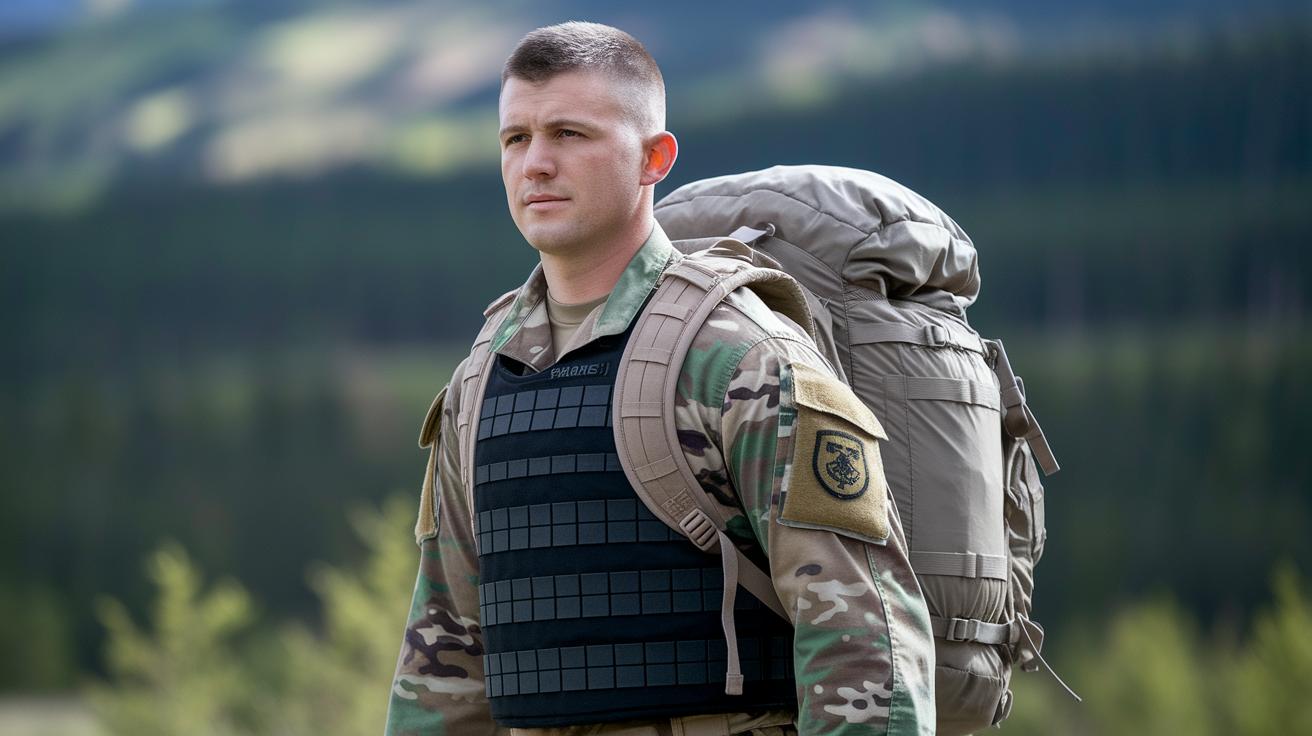
When it comes to soldier training, having gear that can keep up with your intensity is a must. You need reliable equipment that lets you carry heavy loads safely during every drill. For example, the Force Fitness Rucking Backpack secures your load so you can focus on your exercises. And the Black Camo and Storm Grey Weighted Vests add resistance, making every rep feel like you're in the field. Imagine powering through a high-intensity circuit with your vest giving you that extra push, it really feels like carrying real gear on a mission.
Then there’s the Force Fitness Bamboo T-Shirt, made with breathable and moisture-wicking fabric to keep you cool under pressure. This setup isn’t just about extra weight; it's designed to mimic real field conditions exactly. Using these tools in your workouts helps you handle realistic loads, improve your coordination under pressure (which means handling tasks smoothly in tough situations), and stay strong during long missions. Whether you're lifting, sprinting, or tackling obstacles, the right gear can seriously boost your military performance.
Final Words
In the action, our guide broke down practical tactics for improving your routine. We reviewed exercises that mimic real military tasks, soldier training circuits, and drills to boost agility and mobility. You saw tips on injury recovery and phased training to help sharpen strength and endurance. The practical advice and gear suggestions aim to keep you battle-ready. With focus on functional fitness for soldiers, every drill strengthens your capacity and builds confidence for success in your mission.
FAQ
Frequently Asked Questions
Military workout program PDF, free download, 30 day, and 16 weeks options?
Military workout program PDFs compile detailed routines with strength, endurance, and tactical drills. They often include options like 30-day or 16-week plans and are sometimes available as free downloads for structured military training.
What does an 8 week military fitness program offer?
An 8-week military fitness program builds your base in endurance, strength, and agility through progressively challenging workouts designed to mimic combat tasks. It helps boost overall readiness quickly.
How does a military gym, at-home, and beginner workout plan work?
A military workout plan for gym use, home training, and beginners focuses on bodyweight exercises, basic strength drills, and cardio routines. It gradually builds functional strength to meet combat demands safely.
What is functional training in the army?
Functional training in the army uses real-life movements to boost strength, balance, and coordination. It prepares soldiers for everyday tasks and unexpected challenges in field operations.
What are the five components of functional fitness?
The five components of functional fitness include strength, endurance, flexibility, balance, and coordination. Each part works together to help soldiers perform realistic, demanding military tasks effectively.
What is the functional fitness test for the Army?
The functional fitness test for the Army measures strength, endurance, and coordination through activities like loaded marches and interval drills, ensuring soldiers can handle the physical demands of combat situations.
What does the 3-3-3 rule for workout mean?
The 3-3-3 rule means performing three sets of exercises, each lasting three minutes, across three different stations. It provides a balanced mix of variety and intensity during workouts.