
Ever thought your study routine should march in line like a tight squad? Our plan mixes brain drills, workout sessions, and smart strategies to help you ace those exams.
It’s like turning random tips into a step-by-step mission plan. You take scattered ideas and build a solid map, just as you would organize a well-practiced unit move.
This way, you boost your confidence, keep your focus sharp, and get a clear path to exam success. Have you ever felt that thrill of nailing a tough drill? That’s what we’re aiming for.
Holistic Strategic Blueprint for Military Exam Mastery
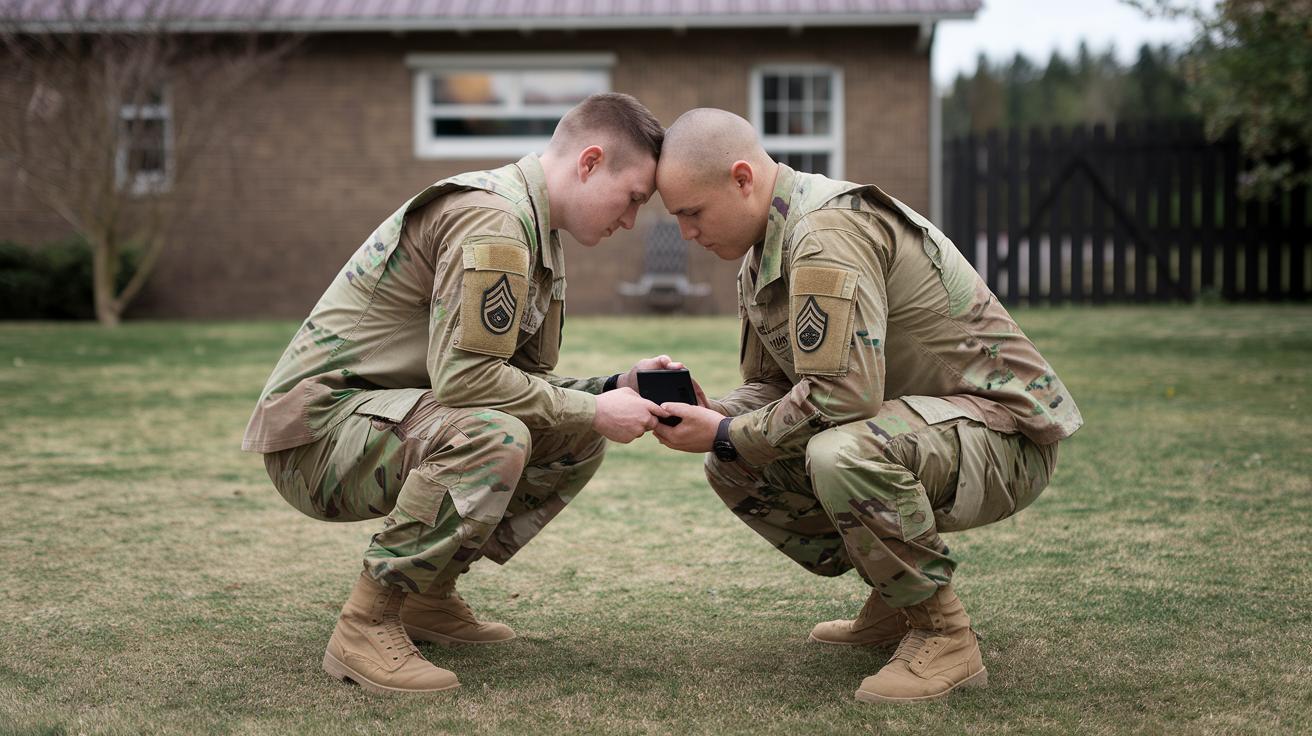
When you're getting ready for military exams, having one solid plan beats throwing together random study tips. This clear path brings together your mental drills, physical workouts, and tactical training into one mission. Think of it like a well-coordinated squad move, every part works in sync so you can face your exam challenges head-on.
Inspired by ideas from Mastering the Profession of Arms and leaders like LTC Francis Park, this blueprint encourages you to rethink and refresh your approach to meet new exam demands. A single, organized plan cuts out the confusion and builds on your strengths step by step, making your study sessions as smooth and effective as a well-run operation.
- Study Planning
- Cognitive Training
- Physical Readiness
- Stress Management
- Simulation Exercises
- Expert Feedback
These six key areas work together like a tight unit. Study Planning gives you a clear schedule with specific goals for every session. Cognitive Training, with techniques like spaced repetition and active recall (a method to boost memory by revisiting information), sharpens your mental skills under pressure. Physical Readiness improves your stamina and focus, while Stress Management helps you keep anxiety in check so you can stay on target. Simulation Exercises mimic the real exam environment, giving you hands-on practice, and Expert Feedback offers valuable tips to fine-tune your prep. When all these parts come together, your exam strategy becomes a reliable game plan where every detail supports the other. This complete approach makes your training streamlined and effective, so you're fully prepared when exam day arrives.
Cognitive Enhancement Techniques for Military Exam Mastery

Boosting your brainpower during timed tests comes down to smart, proven methods. These strategies help you lock in memories and think fast when it counts.
| Technique | Purpose | Frequency |
|---|---|---|
| Spaced Repetition | Builds long-term memory by reviewing material at set times | Daily or every other day |
| Active Recall | Improves speed by actively pulling information from your mind | Several times a week |
| Interleaving | Sharpens your ability to tell similar topics apart by switching subjects | Multiple sessions weekly |
| Practice Exams | Simulates test conditions to build endurance and problem-solving skills | Weekly |
Mixing these methods into your weekly routine is kind of like planning a field mission. Start your week with spaced repetition sessions to cement long-term memory. Then, throw in active recall drills in the middle of the week to keep your thinking sharp. Set aside time for switching up subjects, this interleaving keeps things fresh and challenges your brain. Finally, reserve a weekly block for full practice exams to feel what the real test is like and check your progress.
Each step is designed to keep your mind as fit as your body when you're facing those tough exam conditions. Stay focused and keep practicing, just like running drills before a big operation.
Physical Readiness and Resilience in the Holistic Exam Strategy

Keeping your body fit is one of the best ways to ace your exam. History shows us that even top-notch gear can fail when it’s not well maintained, think of those WWII jets that struggled due to supply and upkeep problems. A set training routine, along with regular drills to handle stress (practicing calm under pressure), builds both your physical strength and mental toughness.
A weekly schedule that mixes running, strength training, and stress relief exercises can really change the game. Start your week with a brisk morning run to boost your stamina. Then, try an afternoon circuit that challenges your muscles like real field work. After intense workouts, take a few minutes for focused breathing exercises to manage stress. In the middle of the week, add short bursts of high-intensity interval training so you learn to stay calm when things heat up. Later, embrace recovery days with gentle activities like stretching or a light jog. By switching up these exercises, you make sure your body and mind stay sharp, just like preparing for an important mission.
Structured Revision Planning with a Comprehensive Study Strategy

A good revision plan is your roadmap to success. It helps you set clear, specific goals for your study time. Inspired by LTC Park’s careful planning at different levels, this approach breaks exam content into small, manageable steps. By combining a clear readiness plan with a full study strategy, you can focus better, build up your confidence, and work through each subject one at a time. Think of it like turning a mountain of material into bite-sized drills that work together smoothly.
When you put together a smart revision plan, you set aside dedicated time to review key subjects in an organized way. This method lowers stress and keeps you on track because every study session builds on the one before it. It’s a bit like planning a tactical mission: once you see the whole month ahead, you plan out your weekly lessons and focus on every important topic until nothing is left out.
Macro Scheduling
Start by planning your month in advance. This big-picture view shows you all your study targets at once. Divide your time into blocks for different subjects and set practical goals, much like planning stages in a field operation. This overview helps guide your weekly study sessions and lets you adjust priorities when needed.
Weekly Module Mapping
Next, break your study week into 7 to 10 focused modules. Think of these modules as short, intense drills on specific exam topics, so you aren’t overwhelmed by trying to cover too much at once. This approach makes every study session clear and effective.
Component Review Sessions
Wrap up your schedule with review sessions that dig deep into your core topics. These sessions are like after-action reviews where you go over tough areas, work on practice questions, and check your understanding. This extra time helps solidify your knowledge and quickly fix any weak spots.
| Phase | Duration | Focus Areas |
|---|---|---|
| Foundation | 1 Month | Core concepts |
| Consolidation | 1 Month | Skill refinement |
| Mastery | 1 Month | Advanced topics |
| Final Review | 2 Weeks | Exam simulation |
Mindset Cultivation and Stress Management Strategies

Staying cool during exams is as important as keeping your body in top shape. Test pressure can hit hard, kind of like an unexpected enemy during a drill. But there are simple, proven tools to help you keep focused and ready. Using these techniques, which work like stress training, you can calm your mind, ease pressure, and boost your performance when it counts.
- Mindfulness Practice
- Box Breathing
- Visualization
- Progressive Muscle Relaxation
- Micro-Breaks
Using these strategies every day can really change your study routine. Start your session with a few minutes of mindfulness or box breathing to clear your thoughts and lower stress. Then, try some visualization by picturing yourself nailing the exam, just like a mental drill before action. A few rounds of progressive muscle relaxation can help you let go of built-up tension after a hard review. And don’t forget to take short breaks to reset your mind during long study sessions. By mixing these practices into your day, you build a mental training routine that sharpens your memory and helps you manage stress with ease. This balanced approach keeps you as calm off the field as you are in the exam room.
Expert Insights from Military Strategic Planning for Exam Mastery
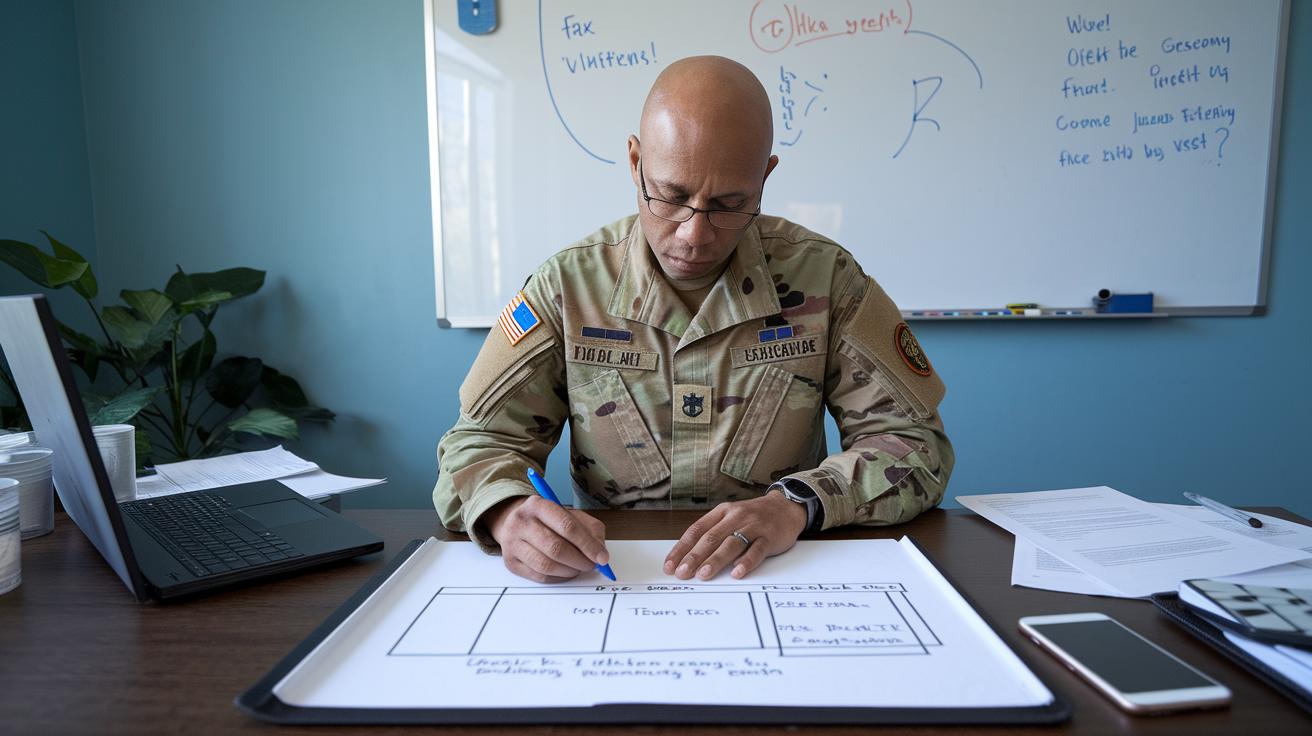
Drawing on years of real-life planning and smart strategy, senior leaders like LTC Francis Park remind us that good exam prep is a lot like preparing for a mission. Park, who holds a Ph.D. in history and has served at many levels, from divisional to joint task force, believes that using historical strategies to guide your exam techniques really pays off. His method is simple: plan your study like you plan a military operation by structuring your approach, testing it, and then tweaking it based on feedback.
In his approach, Park shows us how to link what you've learned with what you'll face on an exam. He stresses that regular reviews, just like after-action reviews from his time in Iraq and Afghanistan, can help you see which methods work and which need a redo. By taking a hard look at both your wins and mistakes, you build a stronger set of tactics for exam day.
Academic-Theory Integration
When you connect lessons from military history to your study routine, you turn theory into practical tools. Think of it like translating big military campaigns and leadership choices into simple study points that help you answer exam questions with confidence.
Simulation and After-Action Reviews
Practice exams under timed conditions are key. After each practice run, take a few minutes for a quick debrief, just as you would after a mission, to see what you nailed and what could be improved. This cycle of simulation and reflection sharpens your skills and boosts your confidence for the test.
Continuous Improvement Loop
Keep track of your performance in each practice session. Use this data to adjust and polish your study routine, focusing on where you need a little extra work and capitalizing on your strengths. This ongoing refinement is much like updating military tactics after each mission, ensuring you’re always ready for the next challenge.
By adopting these expert methods, your study plan becomes a reliable cycle of review, practice, and improvement. When you mix solid academic insights with real-life practice and honest feedback, your exam prep becomes a steady force that grows stronger with every mission.
Final Words
in the action, we reviewed a clear blueprint that ties study planning, cognitive training, physical readiness, stress management, simulation exercises, and expert feedback together. We broke down tactics to boost mental sharpness and physical resilience while mapping out a smart study schedule. This unified approach, rooted in holistic strategic frameworks for military exam mastery, offers simple, actionable steps to build confidence and readiness. Every drill and review session puts you closer to acing your military exam with steady progress and positive momentum.
FAQ
Military Strategist salary
The Military Strategist salary is influenced by rank, experience, and specialized expertise. It reflects competitive pay structures that reward strategic skills and a history of proven contributions.
Military strategist rank
The Military strategist rank indicates an individual’s level of seniority and responsibility within strategic roles. It typically aligns with experience, capability, and proven tactical thinking.
How to become a military strategist
The process of becoming a military strategist involves gaining advanced education, practical military experience, and developing tactical planning skills. This path usually includes rigorous training and specialized assignments.
Military strategy
Military strategy is the art of planning and executing operations efficiently by aligning tactics, logistics, and resource management. It is central to mission success and operational effectiveness.
Military Strategist jobs
Military Strategist jobs focus on developing, analyzing, and executing plans that guide military operations. They require analytical thinking, tactical knowledge, and the ability to advise on complex scenarios confidently.
What are the 5 military strategies?
The five military strategies often encompass offensive maneuvers, defensive operations, maneuver warfare, attrition tactics, and unconventional methods. Each strategy is designed to counter different battlefield challenges effectively.
What are the 5 pillars of holistic health Army?
The five pillars of holistic health for the Army represent integrated wellness areas that typically include physical fitness, nutrition, mental strength, preventive care, and recovery techniques to maintain soldier readiness.
What is the 20 40 40 strategy?
The 20 40 40 strategy describes a framework that allocates effort across key phases: 20% for initial planning, 40% for active execution, and 40% for post-action review, ensuring systematic improvement.
What is Sun Tzu’s military strategy?
Sun Tzu’s military strategy emphasizes preparation, flexibility, and deception. His teachings encourage adapting tactics based on the enemy’s weaknesses, as outlined in “The Art of War.”