
Ever thought about whether your cardio can keep up on the field? A strong heart is key in any mission, and every beat matters. Even a simple 20-minute jog on a soft track or a steady bike ride can make a big difference.
Try mixing in some walk-jog sessions or other low-impact moves. These easy tweaks can boost your endurance and help protect your joints. It’s like giving your body a little extra support for the long haul.
So, are you ready to up your stamina and gear up for your next mission? Let’s get into it.
Targeted Cardiovascular Conditioning for Military Operations

If you're built more for strength and power, shorter, steady runs work best. Picture a brisk 20-minute jog on a soft track, each step is strong yet careful. This type of workout keeps your running form right and eases stress on your joints with cushioned shoes and a soft surface like grass or a trail. It’s a solid choice for those used to high-intensity drills.
But if you’ve got more body mass, you might be better off with nonimpact moves like stationary biking or swimming. Think of the smooth rotation of bike pedals or the full-body effort of swimming laps. Experts say mixing these in twice as often as running can boost your endurance while protecting your joints from too much strain.
New trainees should start with walk-jog sessions. Slowly build up your distance by about 10% to 15% each week if you’re feeling good. It’s like stepping up the pace during a field exercise, one step at a time helps your body adjust and keeps you confident without the risk of overdoing it.
Don’t forget to add some strength and recovery work into your routine. Pair your cardio with simple exercises like push-ups, squats, or light resistance drills. Doing a quick circuit after your run boosts calorie burn, builds overall strength, and readies you for the next mission.
Periodized Cardiovascular Training Plans for Operational Endurance

Using a periodized training plan can boost your endurance by splitting your workout into clear stages. It’s like following a drill where each step builds on the last. Begin during the off-season, when you can focus on active rest and moving well. Then, move into the base phase to set a solid aerobic foundation.
Next, enter the build phase and work on your speed with track workouts. Think about doing intervals, sprints, and resistance runs, each drill pushing your limits just a bit further. When you reach the peak phase, you’ll be doing high-intensity bursts, like hill sprints paired with sled pushes. This phase really fires up your strength and stamina.
Don’t forget to add a recovery phase in there too. It might not show up in the table, but taking time to let your body reset is as important as every drill. Experts with field experience say matching these phases to your current fitness level helps protect your joints and keeps you ready for any mission.
| Phase | Duration | Focus | Sample Drill |
|---|---|---|---|
| Off-Season | 4–6 weeks | Active rest & mobility | Jog + mobility circuits |
| Base | 6 weeks | Aerobic threshold | 30-min steady runs |
| Build | 6 weeks | Interval intensity | 6×400 m track repeats |
| Peak | 4 weeks | High-intensity bursts | Hill sprints + sled pushes |
Rotating through these phases each year keeps your training sharp and ready for the demands of your mission.
Combat Cardio Workouts for Tactical Stamina Enhancement

When you're out on the field, try to mimic real combat situations by pushing hard with interval sprints on a track. Imagine sprinting full out for 30 seconds, then easing into a light jog for 60 seconds. This routine echoes the quick bursts of energy needed during a mission and strengthens your heart for those all-out moments.
Mix things up by adding resistance to your runs. You can wear a weighted vest or drag a resistance sled for short bursts. Picture it: each step feels like you're hauling extra load while clearing obstacles. These runs not only spike your heart rate but also build the muscle power necessary for rapid, heavy movements in the field.
Finally, blend speed with endurance using hybrid drills. Try a sprint-drag-carry routine, sandbag runs, or obstacle bounding to face the varied challenges of a mission head-on. For instance, sprint hard, then drag a heavy object over a set distance, and finish by carrying a load as you navigate through obstacles. This mix targets both your cardiovascular strength and muscle power, ensuring you're ready for any tactical scenario.
Nutrition for Sustained Cardiovascular Performance in Field Operations
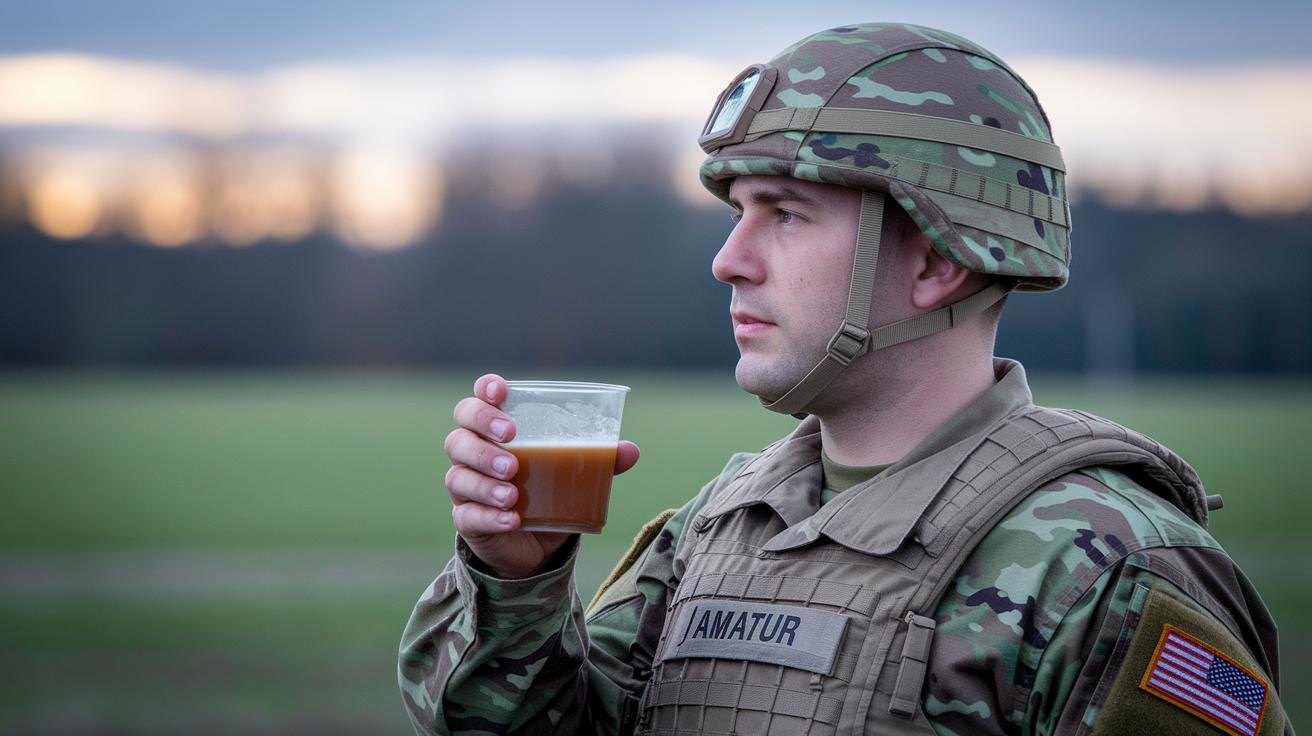
Fueling your body correctly is as crucial as making sure you have the right gear before a mission. When you're out in the field, your meal plan should hit roughly a 60% carbohydrate, 25% protein, and 15% fat balance. Carbs keep you energized, protein helps repair muscles after a tough drill, and fats provide the lasting energy you need, just like loading up on the proper supplies for a mission. For more details, check out the military fitness nutrition plan.
Staying hydrated is just as important as keeping your gear in check. During long trainings or field operations, it’s a good idea to sip on an electrolyte drink every 45 to 60 minutes. These drinks replace important salts lost through sweat and help keep your muscles performing well. Imagine taking that moment to grab a cool electrolyte drink on a hot, challenging day, it really helps you stay alert and resilient.
Nutrient timing plays a big role, too. Eating the right food at the right time, before or after intense workouts, helps refill your energy stores and speeds up recovery. Think of it like rearming between missions: a light, balanced snack around your training session gives you that extra boost to keep you mission-ready.
Monitoring Cardiovascular Fitness Progress in Military Settings

Field tests are a key part of checking your heart health during drills. The Cooper 12-minute run gives you a solid idea of your endurance, while measuring your VO2 max (basically, how much oxygen your body uses during intense exercise) and how quickly your heart rate drops after a hard drill tells you if your training is paying off. These numbers show you when you’re making progress and when it might be time to change up your routine.
Wearable gadgets and performance apps bring real-time tracking to your training. They let you keep an eye on your heart rate, pace during runs, and key stats during drills. Regular assessments set clear benchmarks, so you can compare your current performance to past results. This approach helps you tweak your workouts on the fly, making every session as efficient and mission-focused as possible.
Final Words
In the action, we covered how to fine-tune cardio routines to meet diverse military profiles, plan phase-based training, and build tactical stamina with varied workouts. We also touched on fueling efforts with balanced nutrition and tracking progress for steady gains.
With this approach, you're well on your way to improving cardiovascular fitness for military operations. Keep pushing forward with determination and a clear focus on strengthening both body and mind. Positive outcomes await with every step you take.
FAQ
How to improve cardio for military?
Improving cardio for the military involves targeted training methods such as interval sprints, walk-jog progressions, and non-impact workouts (like stationary biking and swimming). These approaches build heart endurance while reducing joint stress.
What is the quickest way to improve cardiovascular fitness?
The quickest way to improve cardiovascular fitness is to combine high-intensity interval training (HIIT) with consistent progression steps. Integrating brief sprints with sufficient recovery quickly boosts endurance and overall performance.
How to become physically fit for the military?
Becoming physically fit for the military requires a balanced approach, combining consistent cardio workouts with strength training and proper recovery. Tailor routines to your body composition while gradually increasing workout intensity.
What are the five activities to improve cardiovascular fitness?
Key activities to improve cardiovascular fitness include moderate running, high-intensity interval sprints, stationary biking, swimming, and resistance-based runs. Each activity develops endurance, strengthens leg muscles, and supports overall combat readiness.