
How do you serve over 20 years in the National Guard and not know how to load a shotgun? That blunt Twitter question has turned into a small online controversy, forcing people to ask whether a long-serving guard member could really be unfamiliar with basic weapons handling. The short post tapped into broader anxieties about training standards, leadership, and what experience actually means in the Guard. This article unpacks what the tweet implies, why a single reply — accusing a low-follower account of partisan theatrics — escalated the debate, and how context about military roles, weapons training, and social media dynamics matters more than one viral clip.
The Viral Question: 20 Years in the Guard, No Shotgun Know-How?
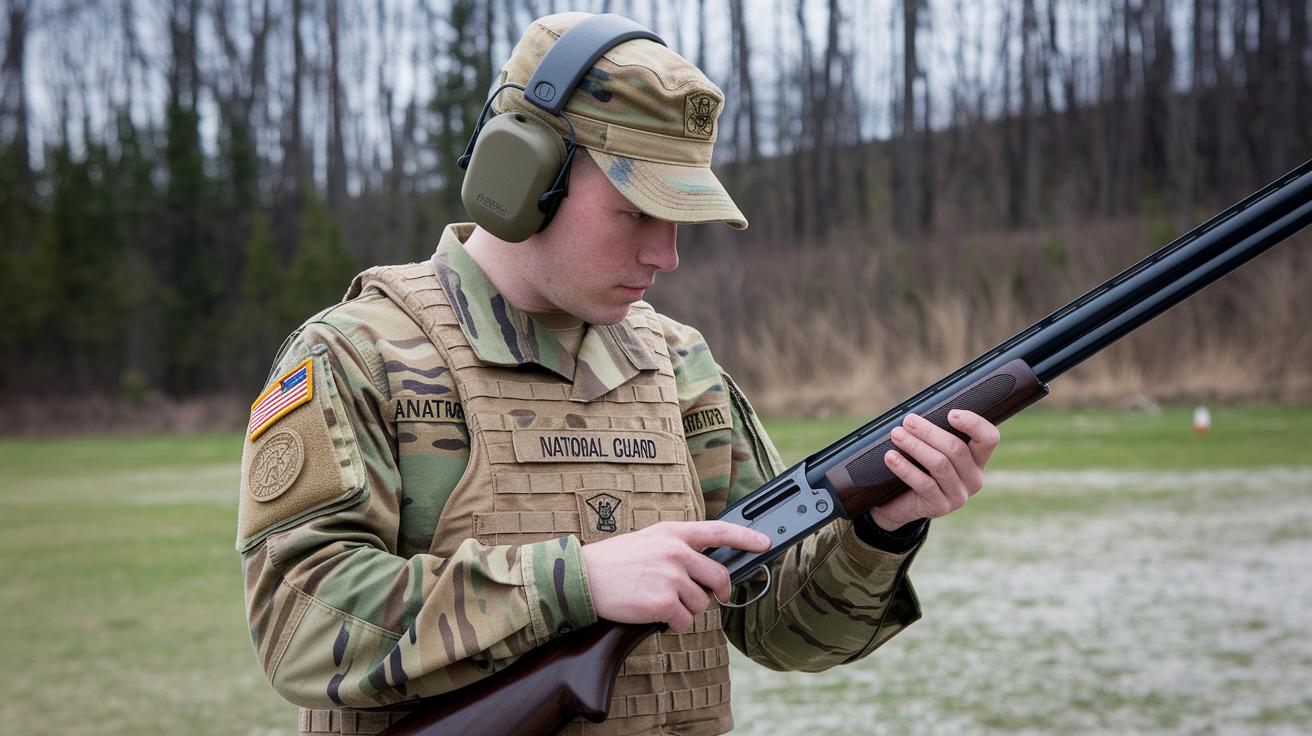
How do you serve over 20 years in the National Guard and not know how to load a shotgun? That blunt Twitter question exploded because it cuts to the heart of what we expect from veteran service members: competency, readiness, and basic weapons handling. The original post forced quick judgments online, but viral moments rarely arrive with context. Before concluding this was incompetence, consider the wide variety of roles in the Guard, what weapons different specialties use, and how short clips can misrepresent an event. This piece breaks down the tweet, the replies, and the bigger issues at play.
'How do you have 15 followers…' , The Reply That Shifted The Conversation

One reply stood out: @Bidens8thClone asked, 'How do you have 15 followers and suddenly appear to defend a democrat? Hmmmm.' Instead of addressing the question about training, the reply attacked motives, pointing to follower count as a proxy for authenticity. That tactic is common on social platforms: delegitimize the messenger rather than engage the message. Low-follower accounts are often accused of being bots or sockpuppets, and that accusation can derail measured discussion. Whether that account is organic or not, the reply highlights how quickly an issue about training becomes a debate about authenticity and partisanship.
Guard Training Isn't One-Size-Fits-All
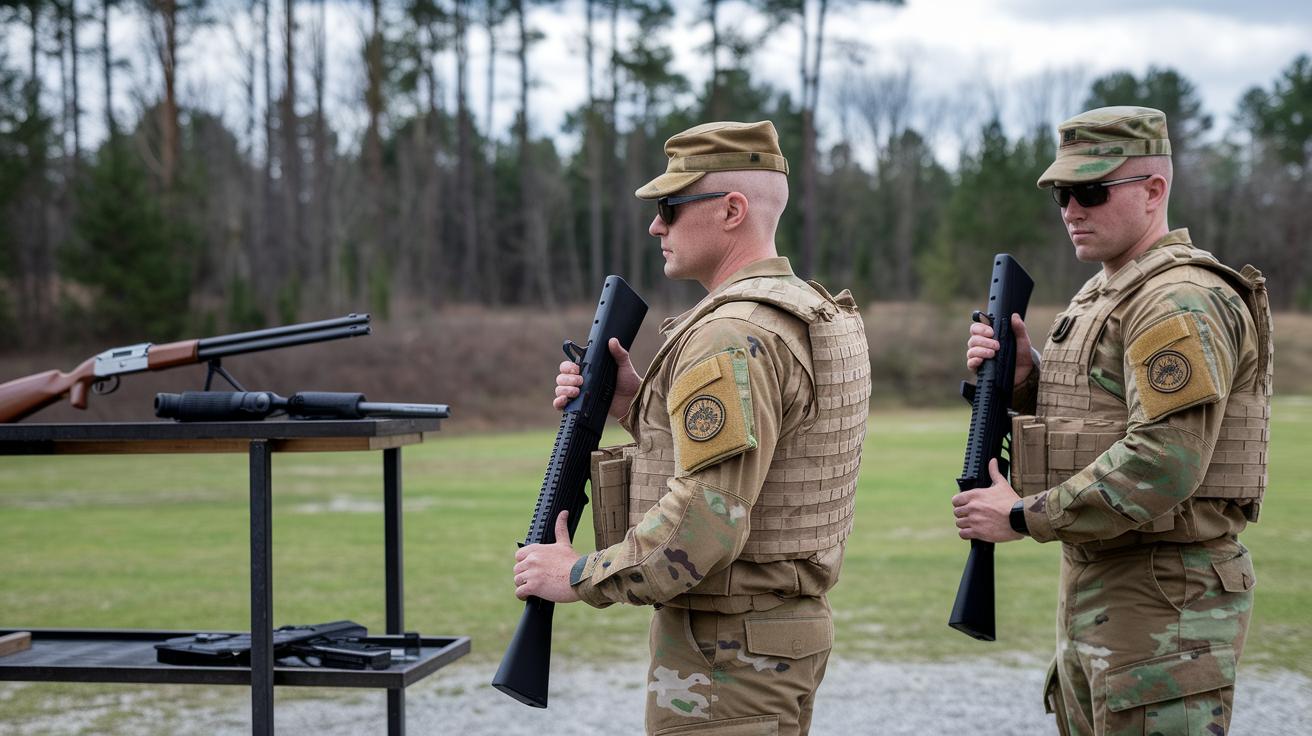
Serving two decades in the National Guard doesn't mean the same daily duties or the same weapons exposure for every person. The Guard includes medics, mechanics, cyber specialists, logisticians and combat units , and many specialties never require routine shotgun training. Weapons qualification cycles vary by MOS, unit mission, and whether a soldier is full-time or a weekend reservist. Rifles and pistols are usually emphasized; shotguns are often specialty tools for breaching or certain law-enforcement-style tasks. So while the clip sounds jarring, it's plausible that a long-serving member simply never practiced that specific weapon enough to be fluent under pressure.
Shotgun Basics: Where Confusion Happens
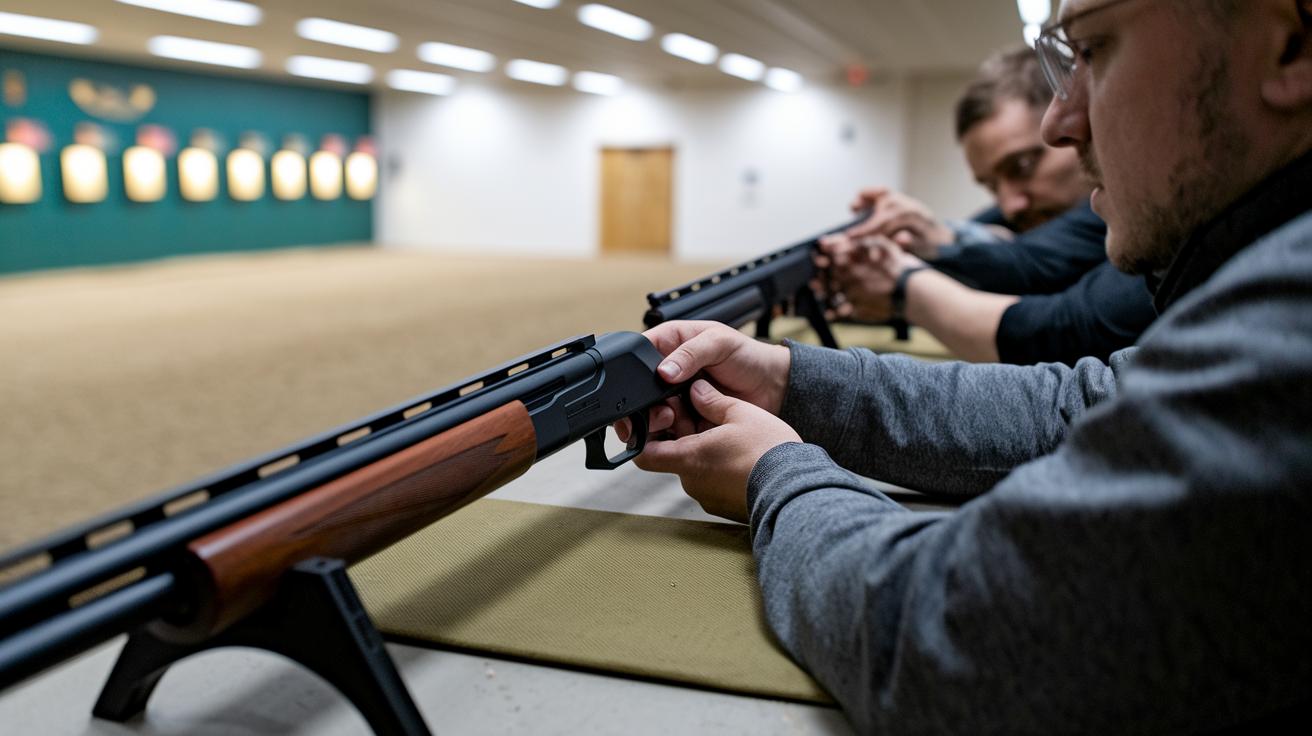
Shotguns come in pump-action, break-action and semiautomatic designs, and each demands slightly different handling. Errors that look like incompetence can be the result of unfamiliarity with a particular model, using the wrong ammunition, a momentary lapse in technique, or stress in front of a camera. Jams and malfunctions happen even to experienced shooters and require calm, trained responses. Public snippets rarely show whether the firearm was loaded correctly or whether the person was demonstrating a procedure that went sideways. The safer conclusion is that training gaps or a lack of specific shotgun practice likely explain many apparent failures, not necessarily willful negligence.
How Social Media Turns a Training Story Into Politics

Moments involving service members are prime political fuel. One side uses them to argue systemic failures; the other accuses critics of politicizing a single mistake. Low-follower accounts and provocative replies amplify outrage, and algorithms that reward engagement make nuance rare. Screenshots, clips, and partisan framing spread faster than verification, so a technical question about weapon handling rapidly becomes a culture-war talking point. Readers should be mindful: viral outrage often privileges emotion over facts. Best practice: look for official statements, corroborating footage, and context about unit roles before letting the story feed a political narrative.
Accountability, Training and the Path Forward
This controversy should prompt clear, measured responses rather than instant condemnation. Commanders ought to clarify what actually happened: whether the clip shows a training mishap, a demonstration, or misinterpreted footage, and outline any corrective steps. If a training gap exists, remedial courses and realistic qualifications should follow. The public should demand facts and support sensible reforms while avoiding rush-to-judgment attacks on individuals. Ultimately, transparency and refreshed standards protect both public safety and the reputations of career service members. A viral clip can spark needed improvements , but only if we pair scrutiny with careful verification.