
Everyone asks how to instill discipline in a unit. Here’s my answer. You do it during the storming phase. And if you're not ready for confrontation, stop reading—because it won’t work for you. I learned this from my first squad leader, Eric Bloom. It's simple. Not easy—but simple. Especially if you're walking into a fresh unit. Trying to install discipline in a formation you've already let slide? That's tougher. Storming a new one? That’s easier. The method has five core moves: start with a formation, correct publicly, confront with measured humor, follow through daily, and balance strictness with loud praise.
Instill discipline during the storming phase
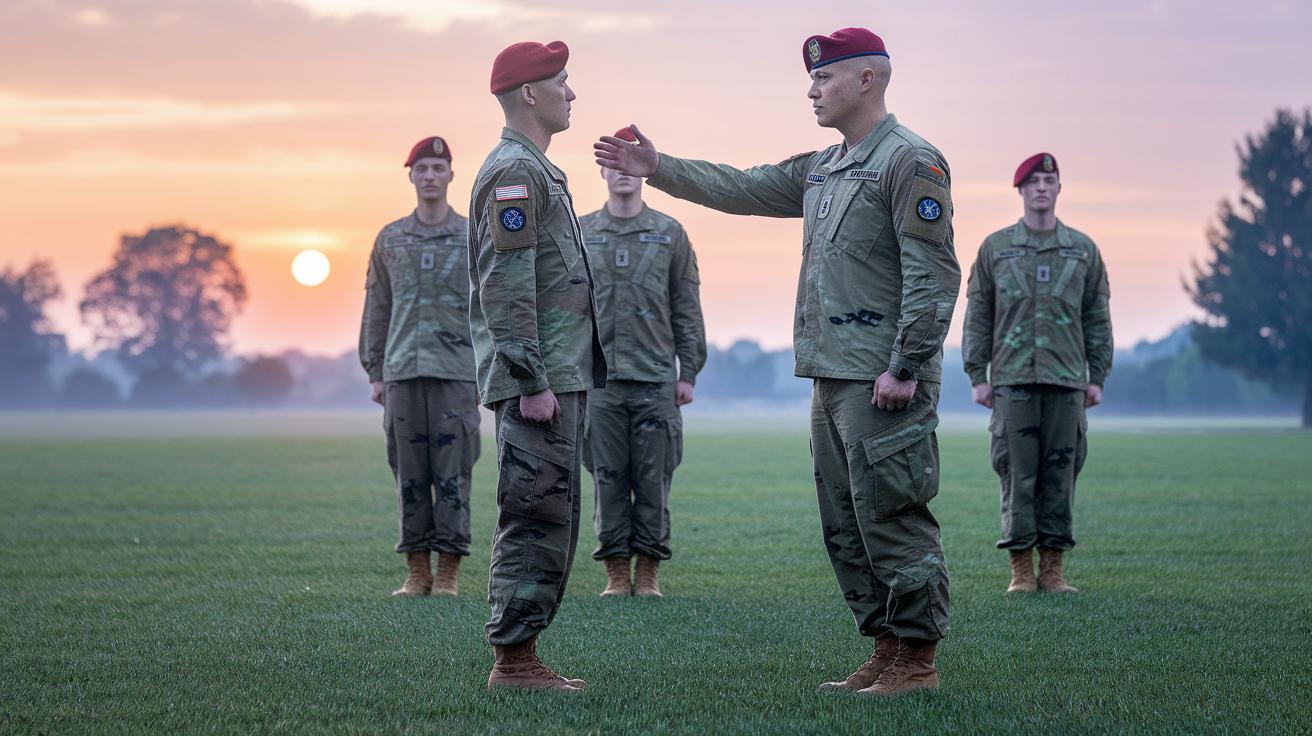
Everyone asks how to instill discipline in a unit. Here’s my answer. You do it during the storming phase. And if you're not ready for confrontation, stop reading, because it won’t work for you. I learned this from my first squad leader, Eric Bloom. It's simple. Not easy, but simple. Especially if you're walking into a fresh unit. Trying to install discipline in a formation you've already let slide? That's tougher. Storming a new one? That’s easier. The method has five core moves: start with a formation, correct publicly, confront with measured humor, follow through daily, and balance strictness with loud praise.
Start with a formation

Start with a formation. That's your baseline: gather the team, walk the line, take the temperature. Look at haircuts, bootlaces, notebooks, pens, ID tags, and eye contact. Attention to the smallest detail signals you care about standards. Find the tiniest infraction, let that be your teaching moment. Use a Socratic approach: ask why, let the Soldier explain, and guide them toward the correct answer. The point isn't humiliation; it's training. These micro-corrections make expectations visible and teach accountability. When the unit sees you policing the small stuff, they understand what you won't tolerate. This is where standards become culture and consistency.
Correct vigorously , and visibly
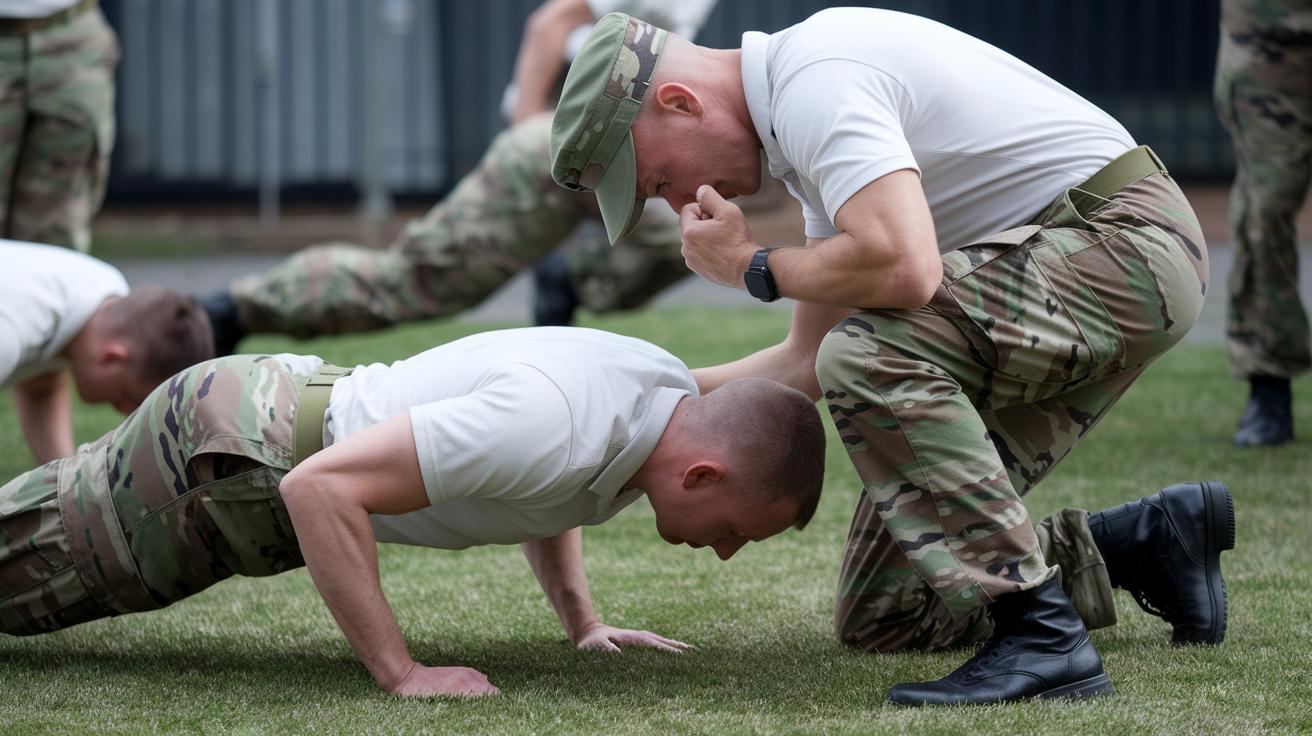
Correct vigorously, and visibly. Soldiers watch what you allow. Corrections aren't private whispers; they're demonstrations of boundaries. Make enforcement public enough that standards are clear without turning discipline into a circus. Use immediate, proportionate resets, push-ups or corrective tasks, to reestablish the norm. The aim is reset, not revenge. When peers see relatively small infractions corrected in real time, the deterrent spreads faster than any memo. Make it consistent so the lesson is learned once and for all. Visible correction also protects leaders: it shows that tolerance has limits and preserves unit integrity. Be fair, be direct, and never let the first instance slide.
Be confrontational , but mix it with humor

Be confrontational, but mix it with humor. Not every correction requires screaming; escalate deliberately. First correction: calm and instructive. Second: firmer, with measurable consequences. Third: more intense, paperwork or formal censure if necessary. Confrontation tells the unit you are paying attention; humor softens friction and preserves morale when used sparingly. A well-timed joke punctures defensiveness and builds approachability without eroding authority. Balance is the trick: be ruthless about standards, generous about intent. People need to know the stakes and also see a human leader who expects better. If someone continues to balk, document. If it's repeated, act decisively and follow through immediately.
Follow through every day

Follow through every day. Formations are training, never a box-ticking chore. Discipline isn't built in policy memos; it's forged in daily interactions: eye contact, square-away checks, and chance encounters across the day. Make inspections routine and unpredictable so standards become reflex. Reinforce the same expectations in the office, on the line, and while moving about. Consistency removes ambiguity and kills the excuse of 'we didn't know.' When corrections and praise happen repeatedly, standards stick. Leaders who flinch on follow-through teach chaos. Your persistence communicates seriousness; your constancy creates norms. If you want a self-regulating formation, show up, notice, correct, and praise, every day.
Balance it with praise

Balance it with praise. Discipline without recognition breeds resentment. When people get it right, call it out loudly, make pride public. A sharp 'Private, that's what I'm talking about. You're looking like a killer.' rewires motivation faster than any lecture. Praise signals that correction isn't personal; it's part of becoming better. Make praise visible in formations and during daily interactions so good behavior isn't invisible. Loud recognition creates momentum and helps the team own the standard. Leaders who reward the right actions get fewer corrections later. Make the wins noticeable and the standard attractive, then the unit will police itself.
Be the standard , not everyone’s friend

Be the standard, not everybody's friend. Your unit will be uncomfortable with you at first. Good. That initial friction is the price of clarity. When the team earns your calm, you get a high-functioning, proud formation that largely runs itself. You don't have to be liked to be effective; you have to be consistent, visible, and fair. Discipline doesn't appear because someone wrote a memo; it's imposed, reinforced, and eventually owned. Put the standard in motion, follow through, and then watch ownership spread. And yes, I f*****g hate hands in pockets unless we're freezing. Don't @ me. Set clear expectations. Every day.