
Ever thought these new test rules might change your military future? The latest update has shifted our fitness drills, placing a spotlight on core strength and balance. Drills like the hand release push-up, the sprint-drag-carry, and the two-mile run are now front and center.
Every recruit now has to work a bit harder, but the path to readiness feels fairer. In this article, we break down how these changes affect your daily training and career growth. And who knows, they might just inspire you to push a little more and perform better on the field.
New Military Test Policies Impact on Recruits: Get Inspired
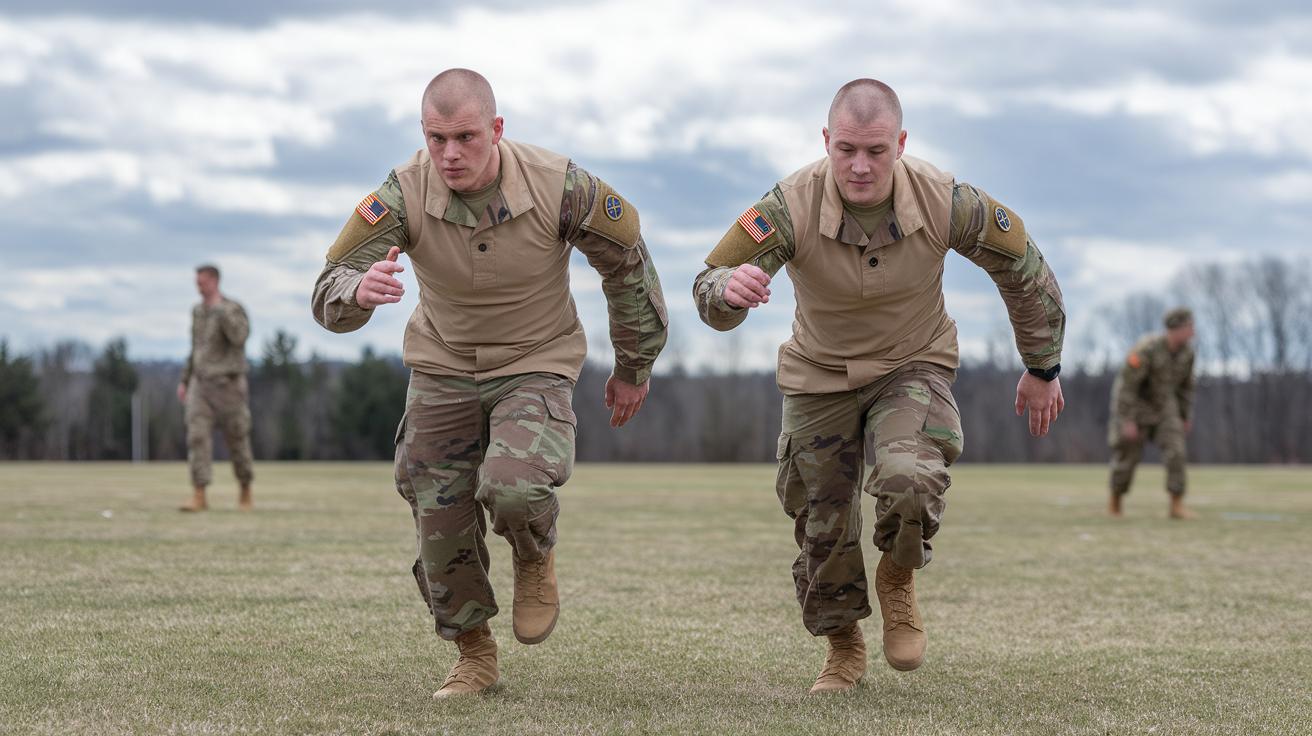
On June 1, 2025, the military switched up its fitness test. They scrapped the old Army Combat Fitness Test after reviewing nearly a million tries over 18 months and brought in the new Army Fitness Test. Now, recruits face challenges like the 3RM Deadlift (a measure of maximum weight lifted three times), Hand Release Push-Up, Sprint-Drag-Carry, Plank, and a Two-Mile Run. They even dropped the Standing Power Throw because of injury risks and doubts it really measured readiness. Scoring now has two tiers: a Combat Standard for 21 specific combat roles and a General Standard for everyone else.
Recruits are expected to meet a higher physical standard both during tests and on duty. Every six months, fitness tests check that soldiers meet strict height and weight rules, and daily exercise sessions help keep them battle-ready. They also tightened up grooming rules to match these high standards. Think of it like a regular drill: every part of a recruit’s look and performance is checked to make sure only the best can move forward.
The changes are already making a difference. Better fitness scores now earn promotion points, proving that peak physical condition is key for climbing the ranks. If a soldier really stands out, they might even get a break during height and weight checks. This system rewards top performance while keeping everyone to strict, equal standards.
Comparison of AFT and ACFT Evaluation Systems
The new AFT brings some big changes compared to the old ACFT. Both tests still use a point system, but the AFT zeroes in on core strength and overall balance. In the ACFT, soldiers had to do the 3RM Deadlift, Standing Power Throw, Hand Release Push-Up, Sprint-Drag-Carry, Leg Tuck, and a Two-Mile Run. To reduce injury risk and improve training outcomes, the Standing Power Throw is gone, and the Leg Tuck has been replaced by the Plank. This update focuses more on core endurance and balance. For more details on the changes, check out the military exam format update.
| Event | ACFT vs AFT Differences |
|---|---|
| 3RM Deadlift | Appears in both tests with similar scoring |
| Standing Power Throw | Removed in AFT to reduce injury risks |
| Hand Release Push-Up | Kept, but with updated scoring rules |
| Sprint-Drag-Carry | Remains, emphasizing overall endurance and power |
| Leg Tuck/Plank | Leg Tuck is now replaced by Plank to boost core stability |
| Two-Mile Run | Keeps its role in measuring aerobic endurance |
These updates make the testing system feel more modern and aligned with today’s physical challenges. By cutting out risky events and adding ones that train your core, the AFT helps prevent injuries while still holding you to high standards. It’s a fairer, performance-based way to measure the strength, endurance, and balance you need in the field.
Timeline of Entry Assessment Adjustments for Recruits
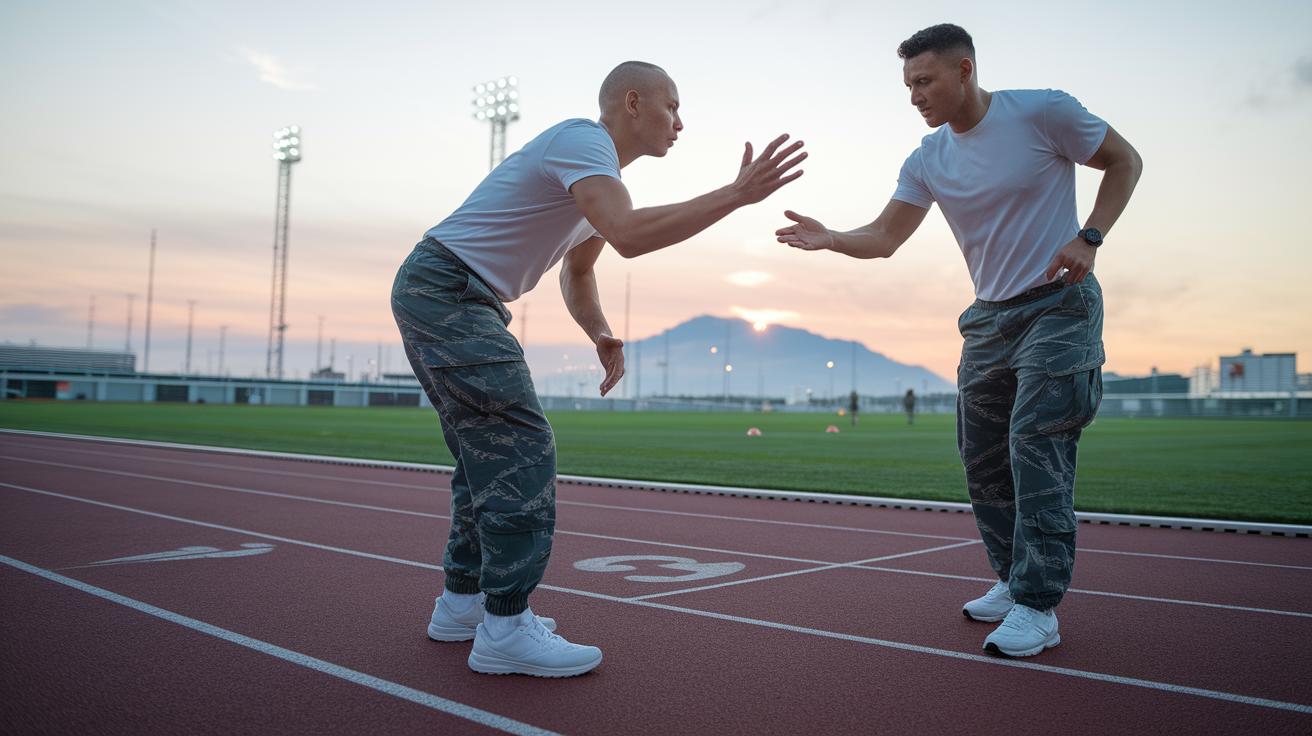
The new fitness test plan unfolds in four clear steps. Each phase shows exactly how entry tests will change so every recruit knows what to expect. Each step also targets different groups and offers extra support like testing help, training tips, and advice if you need to adjust your routine.
- Phase 1 (June 1, 2025): Start the AFT for all active personnel.
- Phase 2 (Sept–Dec 2025): Combat soldiers scoring 300–349 can opt to reclassify and receive extra tests, training, and counseling.
- Phase 3 (Jan 1, 2026): Active combat MOS soldiers scoring below 350 must reclassify.
- Phase 4 (June 1, 2026): Extend the new standards to Reserve and National Guard members.
This step-by-step rollout helps every recruit and current service member tweak their training and get ready for the updated evaluation process, keeping everyone fit for modern combat challenges.
Impact on Recruit Fitness Standards and Grooming Requirements
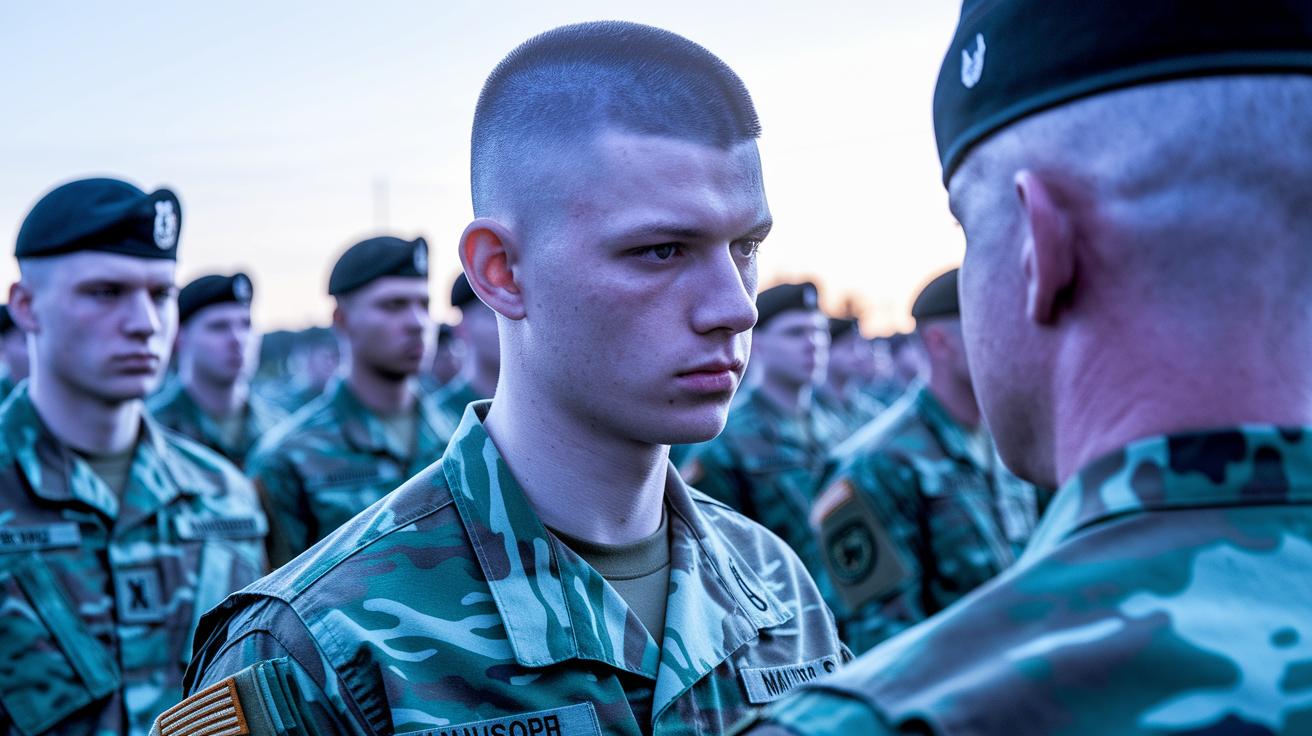
We've updated the policy so that all recruits must now meet tighter fitness and appearance standards. Grooming guidelines are strict, no beards or off-duty hairstyles here. Think of it like a drill: every detail, from a crisp haircut to proper uniform, counts. This helps build discipline and gets everyone ready for the physical and visual demands of modern combat.
Twice a year, we'll run PT tests to make sure every soldier meets the height and weight benchmarks. Plus, daily exercise is now part of the schedule. This dedicated training time is meant to boost endurance and strength, just like a well-rehearsed mission where every move matters. It’s all about making sure you’re in top shape when it counts.
One more thing: if a recruit needs several grooming waivers after a year of treatment, they may be separated from the program. This rule is part of our overall effort to keep uniform standards high and ensure everyone hits the mark physically. With stricter screening in place, we’re setting a clear, high standard for every service member.
Implications for Recruit Selection and Career Progression
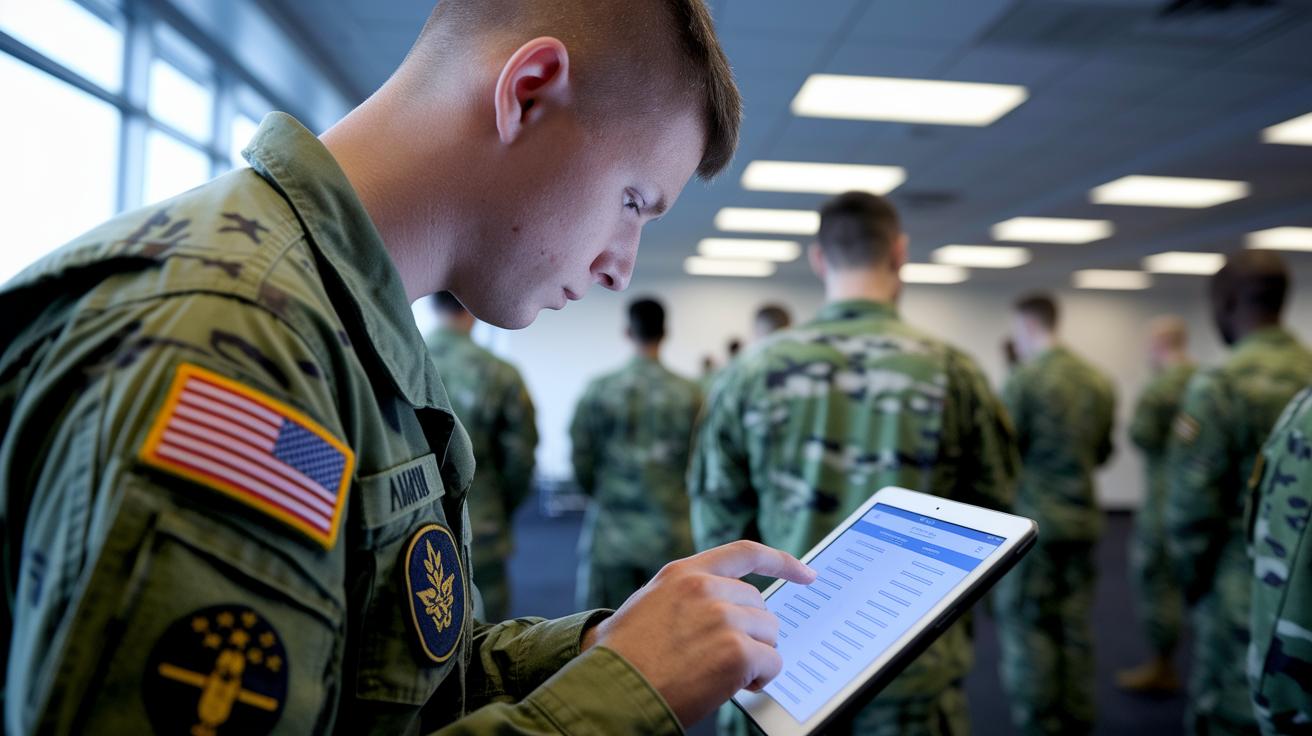
The new testing policies are now a big part of how promotion opportunities are shaped. AFT scores directly add to your promotion points, so your hard work is recognized right from the start. If you ace the AFT, you might even skip some of the height and weight checks. Remember, the ACFT scores only count until September 30, 2025, which gives you a clear time frame to make the switch. And don’t worry, if health issues get in the way, medical deferrals will be available so no one is left behind.
Next, the way recruits are assigned to their roles has also changed. Removing anonymous complaints has made the process more open and fair, ensuring everyone is held accountable. This update matches other changes in our military selection tests and means that every candidate needs to show steady readiness. In truth, commanders now have a clearer picture when deciding who makes the cut for specific roles and career paths.
Overall, these policy shifts are overhauling how we evaluate and move forward our talent. With test scores playing a key role in both promotions and job assignments, physical readiness is front and center. Both new recruits and seasoned members must keep proving themselves to earn their next step. The new system is set up to make sure that only the best and most capable continue to climb the ranks.
Training Guidance and Recruit Preparation under New Policies

For anyone joining the team, it’s key to build a strong cardio base so you can meet the new fitness test's challenges. Experts suggest getting in 150–300 minutes of aerobic work each week, but remember, don't increase your workout time by more than 10% from week to week. Imagine steadily ramping up your endurance with tactical drills; every minute on a run or a bike ride is extra training that prepares you for what’s ahead.
Don't overlook strength and endurance. Work on moves like deadlifts, push-ups, and sprint-drag-carry with 3–5 heavy reps to boost your power and stamina. Also, add core and balance exercises, think planks, to keep your body steady, just like a tight formation on the parade ground. This mix builds the strength you’ll need during all the quick, dynamic actions of the test.
Mixing aerobic and anaerobic drills completes your training plan. Combine high-intensity interval training with steady cardio for a well-rounded routine that prepares you for every event. Picture yourself alternating between tough lifts and brief recovery sets, sharpening both your body and mind along the way. This balanced approach helps you stand strong under pressure and perform your best when test day arrives.
Future Policy Revision Cycle and Long-term Effects on Recruits
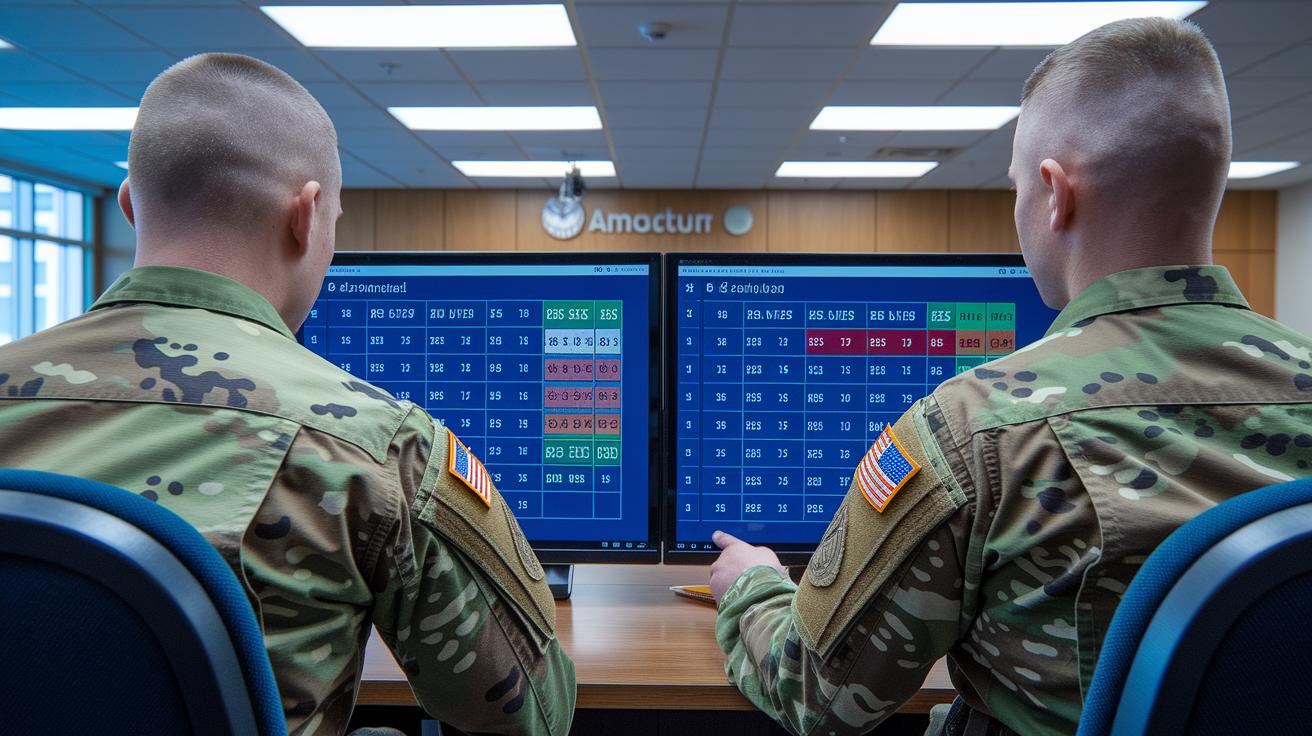
We're putting in place regular reviews of our fitness policies every 3 to 5 years to match our changing combat needs. New tools, like the "1990 test" (a check to see if our older standards were tougher) and the "E6 test" (which looks at how changes affect leadership), will help us see how well we're doing. This fresh approach makes sure our training matches real battlefield conditions, with more focus on handling weapons and keeping our equipment in top shape. It really shows our strong commitment to keeping our standards ready for today's challenges.
These constant evaluations will change our recruits and shape our military culture over time. By always updating our test protocols, we make sure every recruit is set for modern tasks and leadership roles. The regular reviews that kicked off after 2015 are part of a system that can adapt as combat needs evolve, helping us stay fit for action. In short, this ongoing cycle of assessments ensures that future soldiers stick to practices that meet tough operational needs and realistic training scenarios.
Final Words
In the action, we've covered the fresh changes in fitness tests and grooming standards, from the updated AFT events to the strict biannual PT checks and revised timelines. These shifts redefine readiness and set new benchmarks for performance and appearance.
Reviewing how new military test policies affect recruits, the updates offer clear steps toward improved physical and cognitive capabilities. Stay motivated and ready, knowing these policy changes build a stronger foundation for every recruit.
FAQ
Why is the US military struggling with recruits?
The US military struggling with recruits is driven by stricter physical fitness and grooming standards coupled with evolving enlistment tests. These changes often discourage potential candidates from joining.
Why will Army’s new PT test change everything?
The Army’s new PT test changes everything by introducing a revised event lineup and scoring system that focuses on core stability and injury prevention, ensuring recruits are better prepared for active duty demands.
Is the Army desperate for recruits in 2025?
The comment on being desperate reflects concerns about meeting modern physical and grooming standards. In fact, new tests emphasize readiness and proper qualification, aiming to build a more capable force rather than simply increasing numbers.
What is the leading cause of rejection of military recruits today?
The leading cause of recruit rejection today revolves around failing to meet updated fitness benchmarks and grooming regulations. Many candidates are turned down due to not passing the rigorous physical exams and standards.