
Have you ever wondered why the ASVAB retake process feels confusing? In this guide, we lay out easy steps to follow if your score doesn't meet your branch's requirement. There are no sneaky fees or hidden traps, each test is a chance to get better. We break down the waiting periods and focus on your progress to help you move forward. Stick with us and learn exactly what the retake rules mean for you.
Military Test Retake Policy Foundations
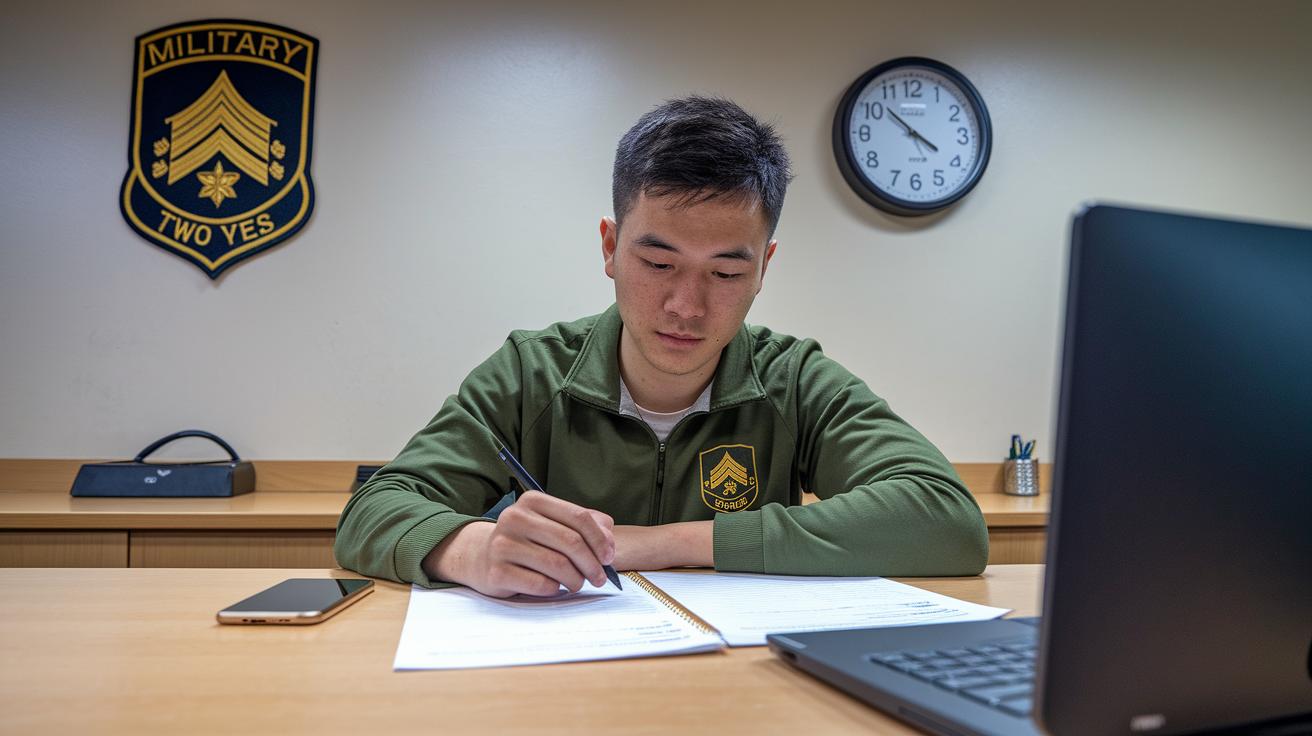
Military test retake policies lay out easy-to-follow steps for you when a retake is needed. When you take the ASVAB (the key exam for joining the military), there isn’t a straight “fail” mark. Instead, if your score falls short of your branch's minimum, you can go for another try without any penalties. Think about it this way: if you’re just a bit under the needed score for your chosen job, you can always study more and retake the test.
Remember, your ASVAB scores are good for two full years. This means you can use the same score for several applications without any extra hassle. Plus, there’s no fee for either your first test or any retakes, so money isn’t a worry. This approach lifts the pressure, letting you focus on where you need improvement rather than on extra costs. If your score doesn’t match up with your branch's standards, you’re encouraged to try again, without any financial burden.
Your AFQT score is built from four main subtests: Arithmetic Reasoning, Mathematics Knowledge, Word Knowledge, and Paragraph Comprehension. This score is crucial for deciding if you qualify for enlistment and for placing you in the right military job. Sometimes, if your AFQT score jumps by 20 or more points in just six months, you might be asked to take a quick confirmation test. This step is simply to make sure that your big leap in score is real and deserved.
Military Test Retake Eligibility and Interval Requirements

When you take the ASVAB, your AFQT score must hit 31 to meet military enlistment standards. If you score 30 or below, you’ll need to take the exam again. It’s a clear set of rules that can help you map out your study plan.
After your first shot, you have to wait a month before you can go again. Then, once you’ve taken it a second time, you'll need another month before your next retest. After that, any additional attempts require a six-month waiting period.
There’s no cap on how many times you can try. If you took the test in high school, you can ask for another attempt just 30 days after that exam. This system lets recruits, from fresh faces to seasoned vets, work on their strengths while targeting areas for improvement, all without any extra cost.
Military Test Retake Guidelines Across Branches

Every branch of the military has its own rules for test retakes, so it helps to know exactly what applies to you. For example, the Army and National Guard let you retake your test if your score has expired, you left the test unfinished, or you didn’t hit the minimum score they need. The Marine Corps also offers another chance if your score has expired or if a recruiter questions your results. On the other hand, the Air Force is very strict. Once you sign up for their Delayed Entry Program (DEP), no retakes are allowed. The Navy follows a similar approach by mostly not permitting DEP retakes, except through a special DEP Enrichment Program if your AFQT score is between 28 and 30. Meanwhile, the Coast Guard lets you try again, just be sure to wait six months after your last attempt.
| Branch | When Retake is Allowed | Waiting Period |
|---|---|---|
| Army/National Guard | Score has expired, test incomplete, or minimum requirements not met | Varies by situation |
| Marine Corps | Expired score or recruiter questions your results | Standard waiting period |
| Air Force | No retakes after joining DEP | N/A |
| Navy | DEP retakes not allowed; special option for scores 28–30 via DEP Enrichment | N/A |
| Coast Guard | Any score can be retaken | Retest allowed after six months |
These clear guidelines show that each branch treats test retakes differently. Knowing the rules for your branch can help you plan your study schedule and next steps. Whether you enjoy the Coast Guard’s flexibility or must follow the strict rules of the Air Force, understanding these policies gives you a smart advantage when preparing for your next test.
Military Test Retake Scheduling and Administration Procedures

Candidates set up their retest appointments at their local MEPS or military education office. The PiCAT option provides a remote pre-screen that you can complete before taking the official exam. Before booking, you need to confirm you qualify by filling out the required DA or branch-specific forms and coordinating with a recruiter or education advisor. This step is like making sure you have all your gear ready before a mission, every form checks off your list to keep things on track.
Testing centers then reserve a three-hour time slot for the exam, and you'll need to bring along two types of valid ID. On the day of your test, you report to the designated center and follow clear, strict procedures to secure the session. If you opt for remote testing, approved locations offer supervised settings where a proctor watches over you. This setup makes the process both flexible and reliable, meeting all the necessary standards.
Military Test Retake Exceptions and Special Circumstances

Sometimes life throws unexpected challenges your way. If you face a medical issue or an emergency, you might be eligible for a waiver that shortens the usual waiting period. This means you could take the exam sooner so that an unforeseen situation doesn’t stop you from moving forward in your military career.
There are also times when a confirmation test is required. For example, if your AFQT score improves by 20 or more points within six months, you may be asked to take a C-Test (a follow-up exam to check your score). Active duty members and high-school test takers have special retake windows that account for their unique situations, ensuring everyone gets a fair shot.
If you feel you deserve this exception, you can submit an appeal through your recruiting office or an administrative review board. High-school test takers, for instance, can request a retest 30 days after their first exam. These procedures are designed to handle special cases without throwing off your progress toward meeting eligibility standards.
Preparing for Military Test Retakes: Strategies and Resources

Start by homing in on the main sections that affect your AFQT score: Arithmetic Reasoning, Mathematics Knowledge, Word Knowledge, and Paragraph Comprehension. If math trips you up, break it down like planning a mission, step by step. You might be surprised to learn that a small boost in Word Knowledge can lift your overall score quite a bit. This focused approach makes your study sessions clear and your progress feel within reach.
Next, make use of the study tools available. Interactive online courses and practice tests, such as the ASVAB Boot Camp program for $59.99, mimic real exam scenarios. They cover the test content and give you full-length timed practice exams to build exam stamina. Check out effective military test strategies at effective military test strategies for methods that really work. Think of it like a well-run training drill, a targeted plan helps you pick out weaknesses and work on them one by one.
When the big day comes, follow your routine as closely as your study plan. Stick to a set schedule, get good sleep, and fuel up with proper meals. Have your materials ready the night before so you’re not scrambling. Use simple stress-busting tricks like quick breathing exercises if you feel the pressure mounting. For more advice on handling exam jitters, visit military test anxiety management strategies to stay cool and focused when it matters most.
Military Test Retake Policy Updates and Revisions
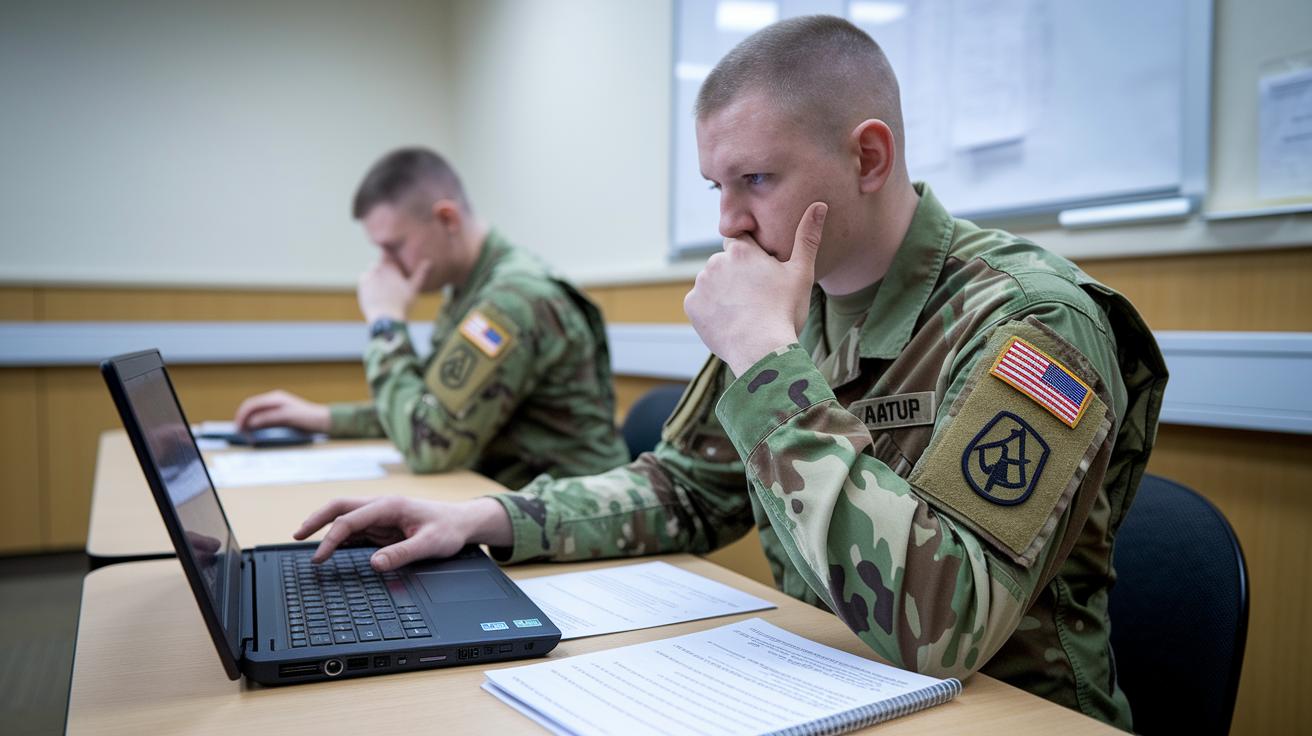
Recent DoD guidelines have brought clear changes to our military test retake rules. New memos at the branch level and DoD instructions now explain who can retake tests and how they should do it. For example, the PiCAT remote prescreen process has been widened, giving you more ways to prepare before the main exam. Also, the Air Force and Navy now follow revised DEP retake rules that have been in place for the past year. These changes help ensure that everyone gets a fair shot under the newest guidance.
Planned updates are set to cut down the waiting time for retakes in every branch. The new directions aim to simplify scheduling and the checking process so that you can quickly fill in any testing gaps and keep your career moving smoothly. Timelines for these changes are currently being confirmed by each branch, and the new policies should roll out in the coming months. This focused update shows our ongoing effort to keep military testing methods both current and efficient.
Final Words
In the action, we broke down key retake rules, score timing, fee details, and scheduling processes. The guidelines explain how scores remain valid while retake intervals keep your plan clear.
We covered branch differences, test-day procedures, and even special cases that let you adjust your timeline when needed.
Keep these insights at hand along with military test retake policies explained, and stay focused on building the skills and confidence to succeed.
FAQ
What do military test retake policies entail for the Army?
The Army test retake policy means candidates may retake the ASVAB if scores expire, tests are incomplete, or branch minimums aren’t met. Waiting intervals apply between each attempt.
Can enlisted members retake the ASVAB if needed?
Enlisted personnel are allowed to retake the ASVAB to improve their results. Retakes are offered at no cost, with required waiting periods ensuring fair testing conditions.
How do retake policies work in the Air Force and Navy?
Air Force candidates in the DEP cannot retake the ASVAB, while the Navy does not allow DEP retakes; however, Navy candidates scoring between 28 and 30 AFQT can use a special program to improve scores.
What is the retake process for the Army National Guard?
Army National Guard retake rules align with Army guidelines. Candidates may retake the ASVAB if scores expire, tests are unfinished, or branch standards aren’t met, with set waiting periods between attempts.
Can you retake the ASVAB after MEPS?
After MEPS, candidates can retake the ASVAB if their scores do not meet branch standards. Scheduling is arranged through MEPS or testing offices while adhering to retake waiting intervals.
How many times can you retake the ASVAB and what if you fail three times?
The ASVAB may be retaken an unlimited number of times. Failing three times simply means following the required waiting periods between tests, allowing for future attempts to improve your score.