
Ever get a twist in your stomach when you think about exam day? Military exams can bring on stress, but you can learn to stay cool. Think of it like prepping for a mission: with regular practice and a clear plan, you can kick your nerves to the side.
In this guide, we'll share simple steps to help you spot early signs of stress and build a routine that readies you for the challenge. Picture walking into exam day feeling confident and ready to give it your all.
Core Strategies for Managing Test Anxiety in Military Exams
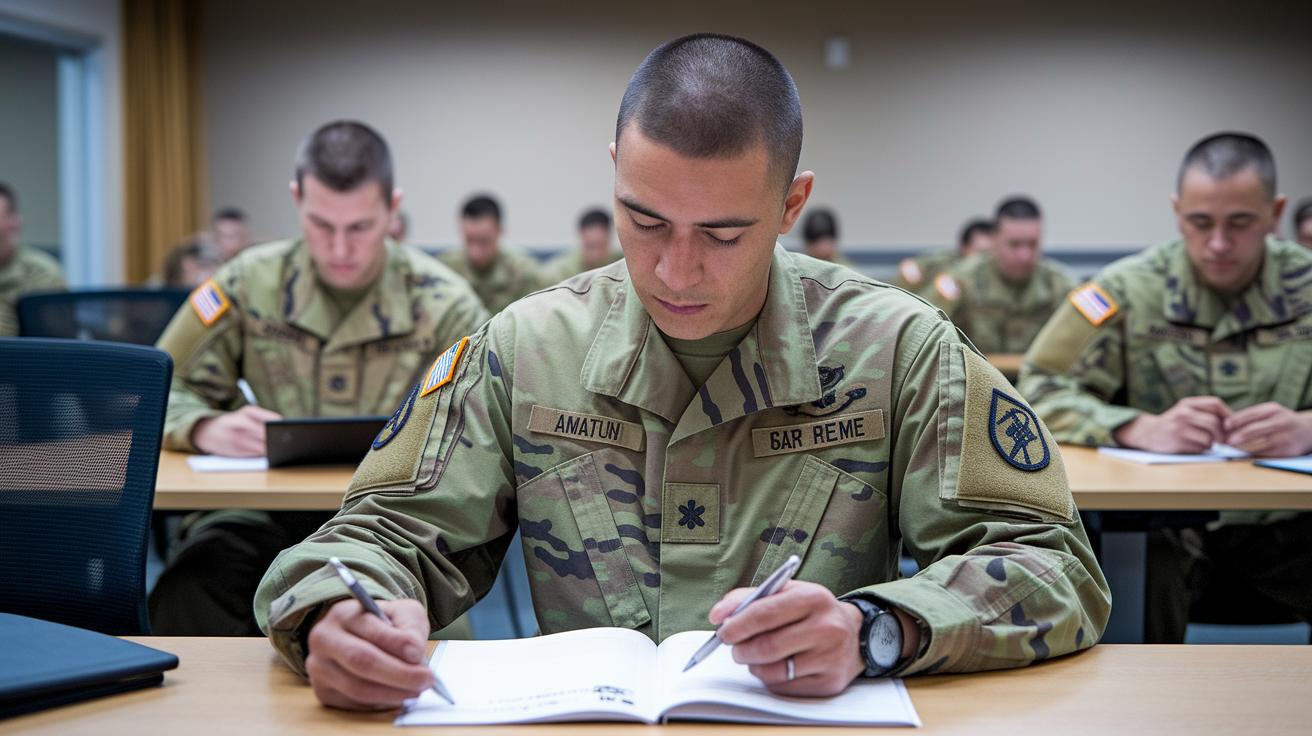
Test anxiety is a natural response to stress that many of us experience before big exams. It usually kicks in when you're worried about failing, feeling unprepared, or being judged by your evaluators (those are the folks grading your performance). Spotting these feelings early is key to keeping your nerves in check.
Paying attention to your own stress signals is important. A lot of service members notice that even a small bit of doubt can quickly snowball into full-blown anxiety if you don't address it. By recognizing those moments, you can get mentally and physically ready for what's ahead.
- Keep a journal to track your daily stress and note what specifically sets you off, for example, "I got nervous today when I thought about the exam schedule."
- Swap out negative thoughts with positive ones. Tell yourself, "I’ve put in the work and I can handle this."
- Instead of cramming last minute, try breaking your study time into several shorter sessions over a few days.
- Practice under exam conditions by timing yourself during practice tests to boost your confidence.
- Get to the exam site early so you have time to settle in and adjust to the new surroundings.
Using these methods helps build a solid routine that prepares you like a seasoned soldier for high-pressure tests. By focusing on what you can control through steady practice and thoughtful preparation, you'll step into exam day feeling calm, collected, and ready to do your best.
Pre-Examination Preparation: Building a Military-Grade Study Plan to Reduce Test Anxiety

Think of your study schedule like a mission. You map out clear targets, set deadlines, and build in short breaks to keep burnout at bay. This plan creates a steady routine that keeps your mind alert and eases your stress. By breaking the material into bite-sized pieces, you also prepare yourself for the real test day.
- Write down clear goals for each study session. For example, you might say, "Complete 20 practice questions in 30 minutes." This helps you focus on one task at a time.
- Break your study time into 20-30 minute blocks, then take a brief rest. Much like planning a patrol, these short sessions keep you fresh and on point.
- Practice with online tests and set a timer to simulate real exam conditions. This method makes your brain comfortable with making quick decisions under pressure.
- Check your progress each week. Review what you’ve learned, adjust your goals, and focus on areas that need more work.
Stick with these steps, and you'll build a disciplined study routine. With every session, your confidence grows and the tension eases. Soon enough, you'll be well-prepared and ready to tackle the exam with a calm, steady mind.
In-Session Anxiety Interventions: Breathing and Mindfulness Techniques for Military Exams

When exam stress creeps up, quick techniques can really help. Imagine taking a short pause that calms your nerves and refocuses your mind. These simple methods work like a reset button during testing moments.
| Technique Name | Steps | Duration |
|---|---|---|
| Diaphragmatic Breathing | Take a slow breath in through your nose, then gently breathe out through your mouth | 2-3 minutes |
| Visualization | Picture a calm testing room and see yourself doing well | 1-2 minutes |
| Progressive Muscle Relaxation | Tense each major muscle group and then let it relax, one at a time | 30 seconds per group |
When you feel your stress levels rising, maybe during a tricky question or a burst of anxiety, stop for a moment. Try one of these methods to refocus. A few deep breaths or a short visualization can steady your body and clear your mind, making the exam feel a little less daunting. These practices help you stay focused and ready for the task at hand.
Physical Fitness and Nutrition: The Soldier’s Edge Against Military Exam Anxiety

Staying in sync between your body and mind is a strong way to conquer exam anxiety. When you move, your brain clears out the fog and sharpens your focus, making you ready to tackle any test that comes your way. Exercise tells your body to let go of stress, so you feel less on edge and more prepared.
Regular cardio, like running, swimming, or biking, really cuts down on stress. Even a short 20-minute run or a brisk 30-minute bike ride can lift your mood and keep your thoughts clear. Adding a bit of yoga can also relax your muscles when pre-test tension starts to build. Think of these activities as natural tools to dial down the pressure on exam day.
Eating well and getting enough sleep is just as crucial. Start your morning with a balanced breakfast, such as eggs with oatmeal, to keep your energy steady. Avoid sugary snacks that might give you a quick boost but leave you crashing later. Aim for 7-8 hours of sleep each night and drink 2-3 liters of water daily. This simple routine sets you up to face exams with a calm, focused mind.
Cognitive Behavioral Techniques for Nerves Control in Military Exams

Cognitive behavioral techniques help you catch and change negative thoughts before they take over during testing. They guide you to swap out worries like "I'll fail" for more realistic thoughts like "I've studied this material before," which eases anxiety and keeps you focused.
Journaling is a solid way to manage stress. When negative thoughts creep in, jot them down and then counter them with honest, positive statements. For example, if you think, "I'm not ready," write instead, "I practiced daily and know the material." This simple habit not only clears your mind but also reminds you of the hard work you've put in.
Positive self-talk is another useful strategy. It means repeating upbeat phrases before and during the exam. So when doubts start to bubble up, tell yourself, "I'm prepared and focused." This little boost helps build your confidence and keeps your mind sharp, even when pressure is on.
Mental rehearsal is all about picturing the exam in your mind. Imagine walking into the room, calmly tackling each question, and moving confidently through every section. This exercise helps ease stress and trains your brain to handle the exam day with a steady, clear attitude.
Mental Resilience Training: Simulating Combat Conditions to Overcome Exam Anxiety

Imagine gearing up for a mission where every drill prepares you to face what lies ahead. Pressure drills build your focus, much like a timed practice exam that mirrors test day intensity. These exercises help your mind handle surprises and keep calm when exam stress comes knocking.
First, set clear goals for every practice session. Decide which part of the exam you want to conquer in a set time, almost like planning a mission objective. Next, gather a mix of question types and create a timed practice scenario that looks just like the real exam. Using practice question banks is a smart move; it gives you a taste of the variety you’ll face.
Then, put your plan into action with your study group, or “platoon.” Working together not only boosts a friendly sense of competition but also builds extra trust among teammates. Once the session is done, take a moment for a debrief. Look over your performance, talk about any weak points, and decide on what to adjust for next time. This review is like a post-mission briefing where you learn what worked and what to fix.
By repeatedly practicing under pressure, you train your brain to react calmly rather than letting stress take over. Each practice test is a mini rehearsal that builds your mental strength and self-confidence. When exam day finally arrives, you’re ready to perform like a seasoned soldier, steady and focused under any circumstances.
Leveraging Support: Coaching, Peer Groups, and Resources for Military Test Anxiety

No recruit has to fight the test battle alone. When the pressure mounts, turning to trusted mentors, experienced counselors, or veterans who've been through it all can give you real-world advice and steady reassurance.
Teaming up with your peers not only builds accountability but also boosts morale. Sharing simple strategies, like quick downtime techniques or stress-busting drills, creates a space where everyone gets stronger. A professional coach can even map out a plan that targets your nerves head-on, making the exam feel a lot less intimidating.
Your base might offer special support programs too. Think guided relaxation sessions and peer mentoring designed to ease test anxiety. These resources bridge the gap from preparation to performance. For even more support, check out military test anxiety management strategies at https://militaryaptitudetests.com?p=374.
Real-Life Testimonials and FAQs on Managing Military Exam Stress
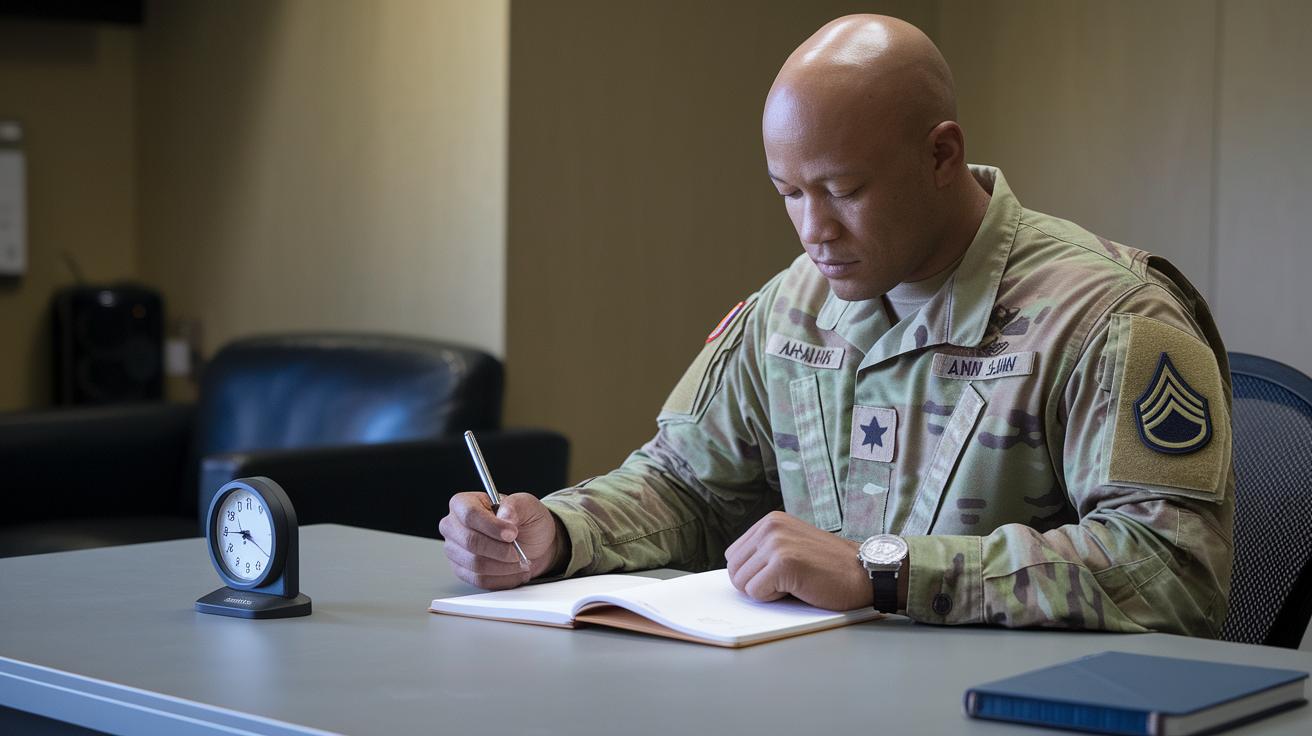
Sergeant Miller shared, "I used timed drills and deep breathing before my ASVAB tests and ended up scoring 15 points higher." He remembered how his nerves would get the best of him before every exam until he started practicing visualization and sticking to a steady schedule of practice tests. His experience reminds us that a solid routine can really ease test-day stress.
Corporal Davis said, "I was so scared of failing that I felt frozen until I began writing my thoughts down and talking with other recruits about my worries." Her honest story shows how sharing your struggles and using simple mind exercises can help you find your calm, even in high-pressure moments.
What exactly is test anxiety and what sets it off?
How can I stop negative thoughts during an exam?
Is a quick workout really useful before the test?
What should I do if my practice drills still make me nervous?
Where can I find professional help if my anxiety feels too overwhelming?
These real accounts and common questions highlight the challenges many service members face and offer practical solutions they’ve discovered. Learning from comrades who have worked through their anxiety shows that methods like steady breathing, clear visualization, and journaling can be mixed and matched to build a plan that works best for you. Every lesson from a fellow service member lays down a solid foundation to help keep you cool and focused when it counts.
Final Words
In the action, we reviewed clear strategies to manage nerves, from structured study plans and controlled breathing to solid physical fitness routines and cognitive behavioral techniques. These methods, backed by real-life examples and support from fellow candidates, showed how practical steps create calmer performance.
This approach is all about managing test anxiety during military exams. Keep using these techniques to stay confident and ready as you move forward.
FAQ
How to reduce stress and anxiety during exams?
The approach to reducing exam stress includes building a structured study routine, using deep breathing and positive self-talk, and preparing well in advance to boost confidence during tests.
How do you deal with test anxiety during a test?
The method to manage test anxiety during the exam involves using quick calming strategies like controlled breathing, visualization, and muscle relaxation when feelings of overwhelm arise.
How do you manage anxiety in the military, especially before a physical test?
The technique for handling military anxiety involves arriving early, practicing mindfulness, and using proven calming methods to stabilize nerves before physical assessments.
What are the common symptoms and root causes of exam anxiety?
The indicators of exam anxiety may include rapid heartbeat, sweaty palms, and negative thoughts, often triggered by fear of failure and lack of thorough preparation.
Where can I find structured test anxiety strategies and professional support?
The route to structured test anxiety strategies includes accessing downloadable guides and connecting with coaching services and peer groups offering personalized stress-management techniques.