
Have you ever wondered if the challenges of today might catch our forces unprepared? The military is now relying on smart data analysis and AI (artificial intelligence, which helps computers make decisions) to make faster, more precise calls.
Recent reports tell us that in 2023, spending reached an all-time high of $2.443 trillion while we face more active conflicts than we have seen since World War Two. It reminds me of the steady thud of boots on pavement, each step measured, each decision critical.
This update points to new trends and solid tactics that are changing our defense approach. In short, these fresh insights could reshape how we meet challenges and plan for the future.
Current Military Assessment Updates and Strategic Trends
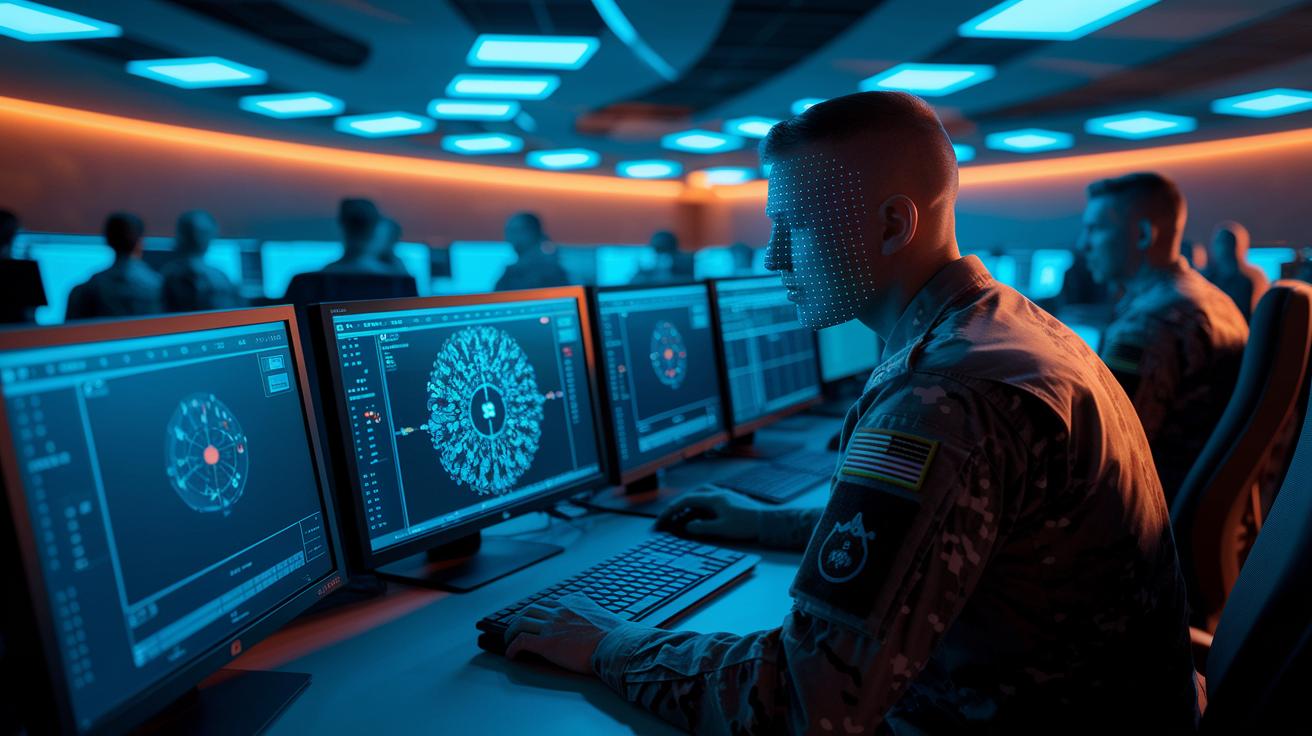
Recent reports reveal big changes in how defense agencies look at new threats and prepare their forces. The defense world is now putting more effort into using smart data analysis and AI (tech that helps computers learn) to stay ahead. Check this out, a surprising fact: global military spending reached $2.443 trillion in 2023. That record high shows just how tough today's security challenges are. These large investments speed up decision-making and sharpen analysis, helping counter rising global pressures.
According to the Global Peace Index 2024, there are 56 active conflicts, the most we've seen since World War II. This eye-opening number has countries rethinking their old defense plans. Military planners now study every piece of data like it's a critical part of a mission. They adjust their strategies based on what they see happen in real time on the international scene, ensuring that every stat matters in high-stakes decisions.
Defense agencies are also reinventing how they gather and read intelligence. By pairing sensors, drones, and satellites with AI tools, forces can quickly sort through battlefield data and react on the fly. It's a bit like constantly updating your mission plan with fresh intel. With these deep reviews of modern combat challenges, military assessments are evolving fast around the world.
Military Assessment Advances in AI and Data-Centric Approaches
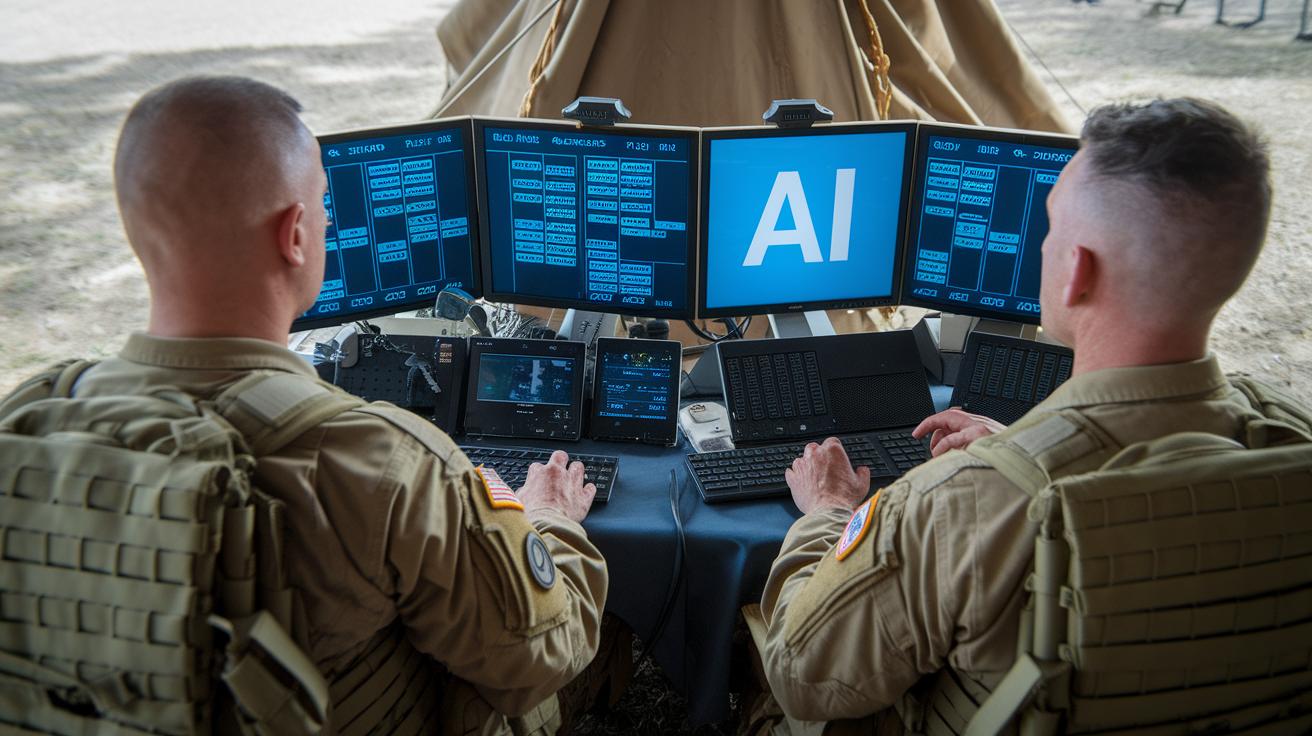
The U.S. Department of Defense has seen a big jump in its AI contracts, rising from $190 million in August 2022 to $557 million in August 2023. Experts now expect these numbers could hit $4.3 billion soon. This jump shows that many believe AI (using computers to mimic human thought) can sort through huge amounts of battlefield data quickly and correctly. Think of it like getting new gear overnight, suddenly, you have tools that offer clear, precise insights right away.
Military forces are changing how they work by mixing sensors, drones, and satellites with AI models. This data-driven method brings in feeds from different devices to help improve communication and decision-making. Picture organizing a team in the field where everyone sends live updates so that all are in sync for a fast response.
Digital twin platforms are changing the way forces train and plan their missions. Experts predict the market for these simulation tools will grow from $6.5 billion in 2021 to $125.7 billion by 2030. For example, the U.S. Air Force Model One program uses 50 simulations to mimic real battle conditions. This setup lets planners practice scenarios and fine-tune tactics before actual deployments. Overall, the push for digital breakthroughs and advanced weapons is a major step forward in how the military assesses and prepares for challenges.
Military Assessment Trends in Decentralized Command and Readiness
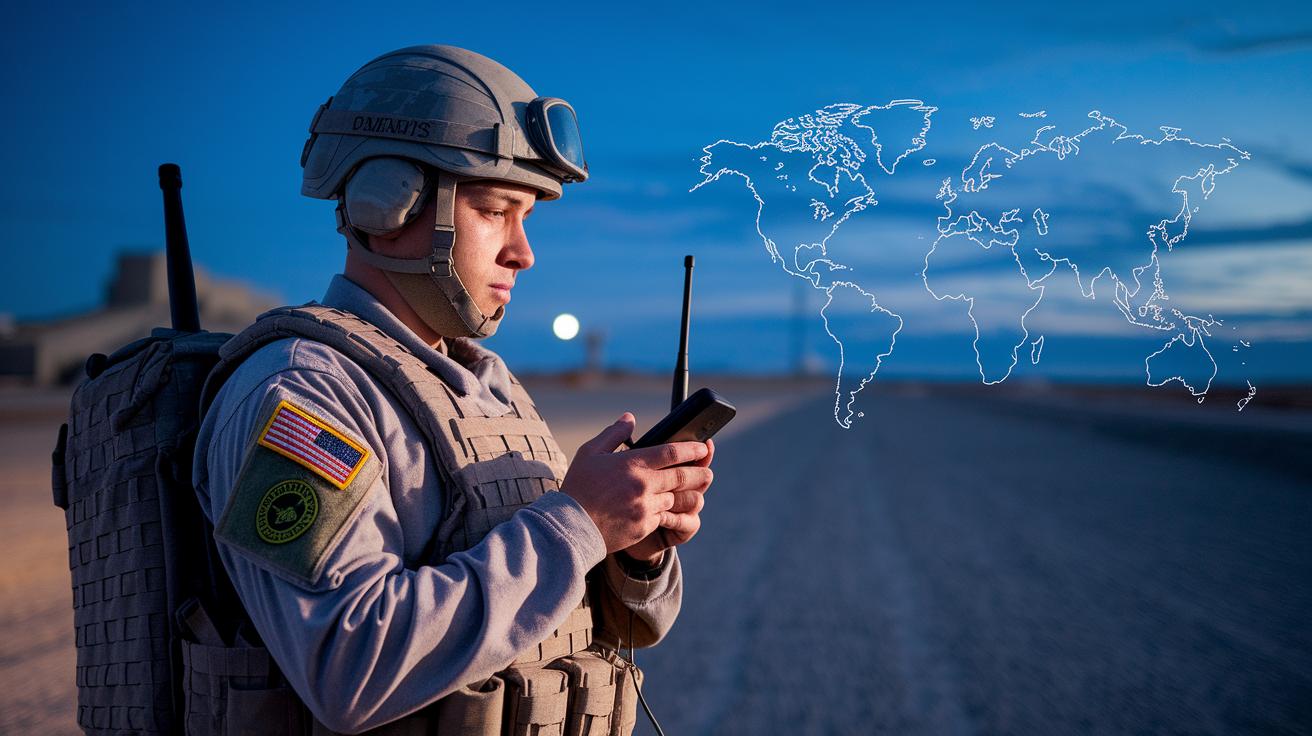
Armored units and support teams now work under a system where command is spread out, letting decisions be made on the fly. In this setup, teams in different places share secure updates instantly. Picture a soldier in the field getting a live message, like a radio check alerting them of a new enemy movement, so they can quickly find cover or counter the threat.
This shift is changing the way we handle tactical operations by leaning more on regional hubs. Fast deployments benefit from being able to pass along crucial mission details without waiting for a centralized order. Secure communications keep every soldier and commander informed, cutting down risks in sudden, dangerous situations.
Readiness checks become sharper because each unit can decide based on local, reliable info. In joint efforts, this separation of command lets teams act on their own while still keeping the overall mission in view. It also helps manage risks better by avoiding the delays that come with a traditional, top-down chain of command.
By adopting this decentralized method, military leaders can improve teamwork in joint operations and build stronger resilience in unpredictable, contested environments.
Military Assessment of Cybersecurity and Digital Warfare

Cyberattacks, including ransomware, are expected to strike as often as every two seconds by 2031. Picture this: one single attack could knock out vital communication lines. With potential costs soaring up to $10.5 trillion, military planners now must weigh these risks when building their cyber defenses.
Today, digital warfare has evolved beyond just defending computers. It’s about creating strong, layered digital defenses that keep both systems and communications secure. Military strategies now include careful checks for weak spots, like hidden backdoors or unsecured buttons, that could be exploited in a flash. Think of it like stacking security blocks, where one mistake might let an enemy disrupt a crucial operation.
For example, imagine you’re at a training drill and suddenly a ransomware alert pops up. Teams have to swiftly switch to manual operations. This is a real-world challenge that mirrors what units can face during unexpected cyber conflicts.
Military leaders are always updating their cyber strategies. They now consider every digital weak point and the ever-changing tactics of cyber warfare, making sure that any gap is quickly spotted and managed.
Military Assessment of Emerging Warfare Technologies
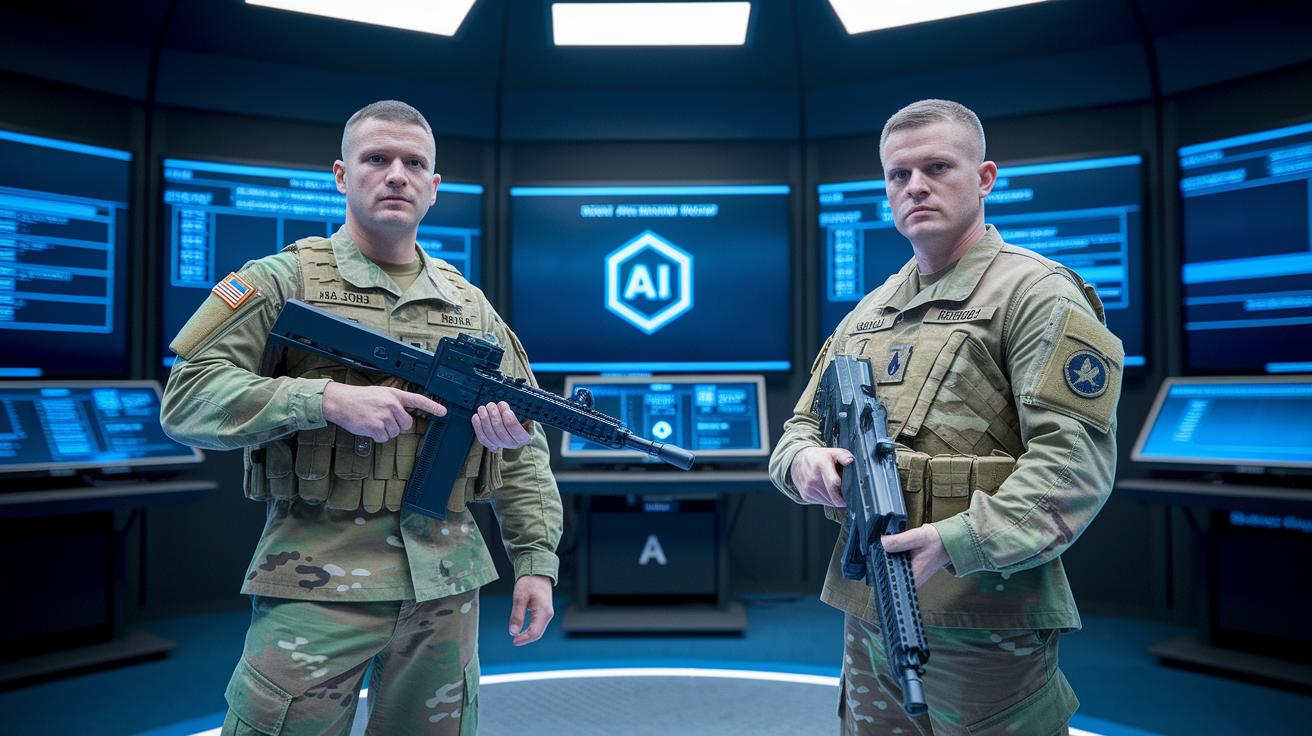
New technology is constantly reshaping how our forces prepare for battle. In 2024, the AI integration market hit $9.31 billion, and experts expect it to grow by 13% through 2030. That means smart systems are set to become a key part of processing and acting on battlefield information. Imagine a drill where AI quickly reviews hundreds of battle plans, giving commanders clear options in a flash.
Cybersecurity is also on a steady climb. Projections say spending will reach $49.4 billion by 2028, growing at 6% each year. Picture a unit defending a network during a cyber attack, relying on smart threat detection to keep operations secure. On a similar note, advances in autonomous weapons could push that market to $24.07 billion by 2028, with a growth rate of 10.4%. Think about unmanned vehicles making split-second decisions using built-in sensors.
Training is getting a high-tech upgrade too. Immersive tools like VR (virtual reality) and AR (augmented reality) are expected to boost the training market from $12.80 billion in 2025 to $92.17 billion by 2034, a jump of about 24.52%. Imagine soldiers running virtual combat scenarios that feel strikingly real before they ever step onto the field. Meanwhile, the Internet of Military Things (a network connecting devices on the battlefield) is predicted to grow from $487.08 billion in 2025 to $1,214.19 billion by 2034, with a 10.65% annual growth rate, making real-time data exchange smoother than ever.
| Technology | Market Projection |
|---|---|
| 5G Connectivity in Defense | $4.24 billion by 2030 (from $1.58 billion in 2025, 21.77% CAGR) |
| Electronic Warfare | $44.8 billion by 2032 (4% CAGR) |
Growth is strong in other areas too. Biotechnology and human augmentation are set to hit $545.1 billion by 2028 at a 16.5% growth rate, while counter-drone systems (tools designed to counter enemy drones) are expected to surge
Military Assessment in Geopolitical and Policy Evaluation
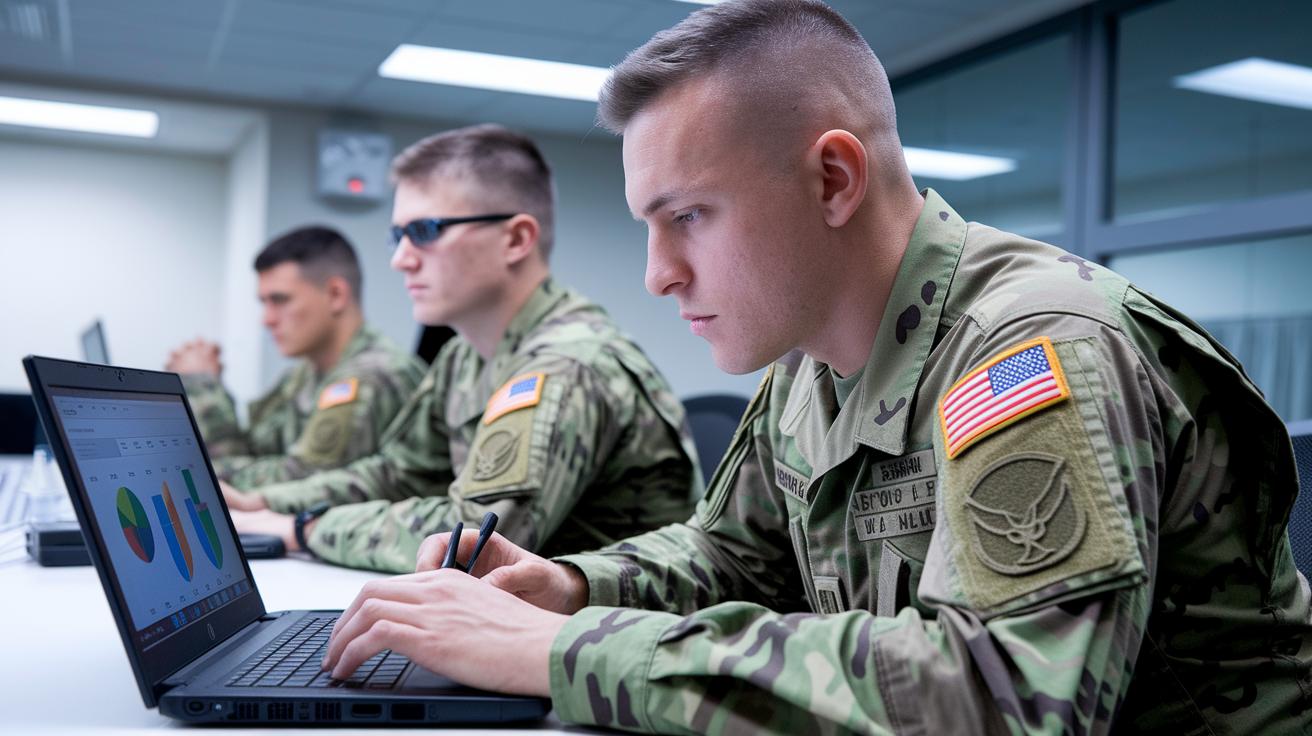
For the past nine years, nations have steadily increased their military spending, hitting $2.443 trillion in 2023. These rising costs show just how seriously countries view today’s security challenges. Planners now have to watch every budget move, making sure each dollar fits the shifting threat landscape.
Policy makers lean on tools like the Office of Competitive Assessment (a method that compares U.S. strengths with those of potential foes) to guide their decisions. Think of it as swapping field notes with a buddy who’s been through it all.
Assessing procurement strategy is now a key focus. Regular budget checks help ensure that every purchase, even the everyday upkeep, adds to the bigger mission of strong defense. If you’ve ever prepped your gear before a hike, you know how important it is to have every piece in top shape.
The need to align spending with emerging threats has pushed authorities to tighten policy reforms. These changes not only revise how items are bought but also help forces match their spending with fast-changing tactical demands.
In truth, this strategic alignment is like a well-planned operation where every asset falls into place. By linking policy evaluation with budget cycles, military planners create a system that keeps spending in step with global shifts, ensuring our forces remain ready and well-equipped.
Future Military Assessment Outlook and Trend Predictions
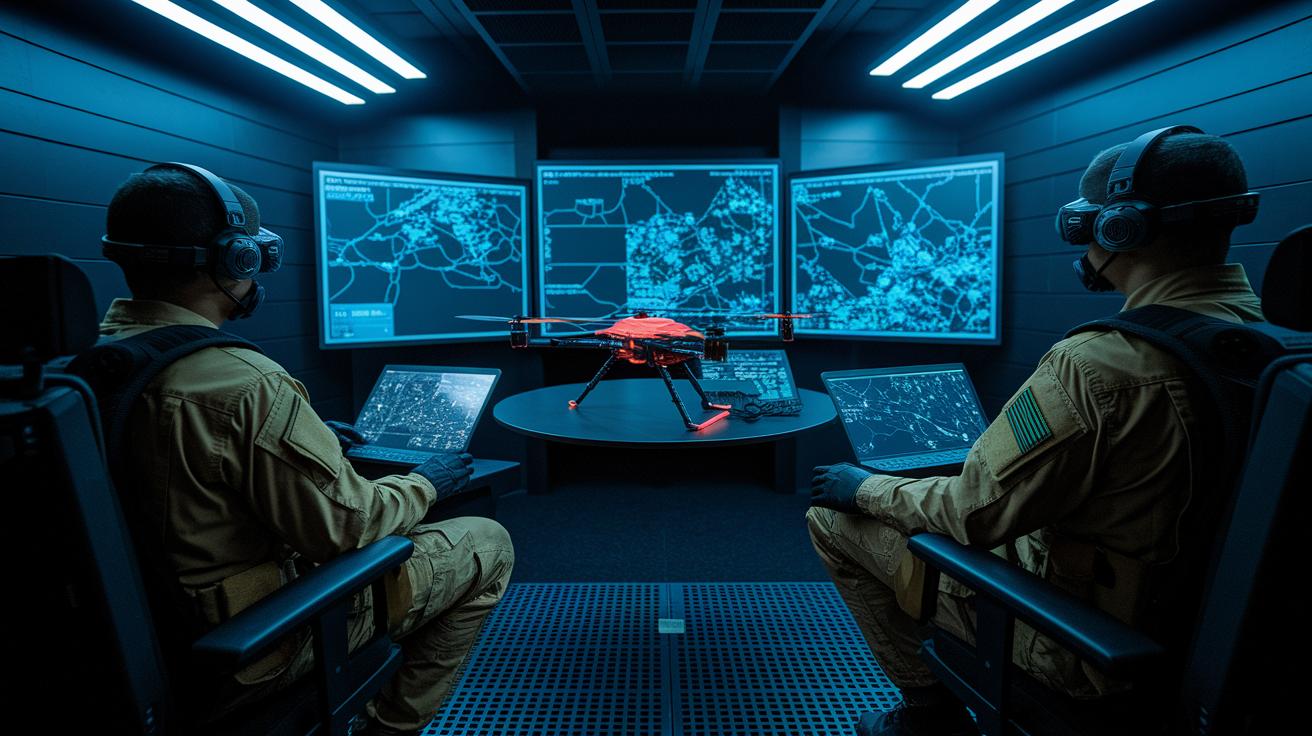
Military assessments are shifting. New trends suggest that we’ll soon mix high-tech tools with real-world challenges. Think cyber tactics joining forces with self-operating systems. Global changes might spark fresh policy talks that go beyond the simulations we know today.
Strategic plans are being updated, too. Leaders are now looking outside the military for ideas, blending digital know-how with boots-on-the-ground experience. Ever imagine a late-night mission where cyber teams and drones work side by side to counter a sudden threat? It’s a picture that shows our future might be more connected and fast-paced.
As the world moves and shifts, military assessments will need to keep up. These changes might reveal gaps in our training and planning that we haven’t fixed yet. Did you know that in the aerospace industry, tiny testing mistakes once led to huge design changes? It goes to show that even small oversights can seriously affect our strategy.
Final Words
In the action, we reviewed key trends shaping military assessments. The post covered shifts in AI and decentralized command, cybersecurity concerns, emerging tech, and geopolitical policy shifts. We broke down each area with clear metrics, from rising defense spending to booming digital innovations, all tied back to making sense of modern military challenges.
Stay confident; these insights guide effective preparation and strategy refinement through ongoing military assessment update and trends.
FAQ
What is military assessment update and trends PDF?
The military assessment update and trends PDF presents revision details about defense strategies, data insights, and global conflict shifts. It offers updates that help understand rapid changes in military capabilities.
How can I get The Military Balance 2025 PDF free download?
The Military Balance 2025 PDF free download provides updated military rankings and trends. It offers users reliable data on defense budgets, rankings, and overall assessments from trusted military reports.
What do the IISS Military Balance 2025 and military rankings cover?
The IISS Military Balance 2025 and military rankings offer clear evaluations of defense spending, force readiness, and global military strength. They serve as key references for understanding current trends and national defense capacities.
What is Military Balance+ (or Military Balance plus)?
Military Balance+ delivers an enhanced update on global military strength assessments. It adds digital insights and detailed benchmarks for a comprehensive overview of defense sectors and strategic trends.