
Ever wonder if your study methods are really up to the challenge? Military exams push you to work quickly and accurately, so having a clear plan can make all the difference.
Start by taking a full-length practice test to get a real feel for the exam. Then, break your study time into focused sessions and set specific goals for improvement. This way, you can see exactly where you need to adjust your approach.
As you work through your plan, you’ll likely notice your confidence grow. Think of it like preparing for a mission, every step builds the skills you need to succeed on test day.
Key Strategic Revision Techniques for Military Exams: Succeed Now

Kick off your studying by taking a full-length diagnostic test to see where you stand. Military exams come in different versions. For example, the CAT-ASVAB has 135 questions with 173 minutes to complete, while the P&P-ASVAB offers 225 questions in 149 minutes. Each test has its own scoring rules. A diagnostic test early on helps you understand the format and shows which areas need more work. Imagine finishing a practice CAT test and instantly knowing which sections require extra drill work; that’s your cue to focus your efforts like a true mission plan.
Next, try using a mini-session model to schedule your study time. Break your revision into bite-sized 25-minute blocks followed by 5-minute breaks. This method keeps your mind sharp and prevents fatigue, just like a well-timed drill. Picture setting a timer for a focused 25 minutes, then taking a short break to refresh before jumping back in. These intervals set a steady rhythm, much like the regular steps during a patrol, keeping you alert and on target.
Finally, set clear improvement targets and use a mix of review tools. For example, aim to boost your Arithmetic Reasoning score by 10 points in two weeks. Combine practice tests, self-assessment quizzes, and simulation drills to track your progress every step of the way. This blended approach not only reinforces what you’ve learned but also builds your confidence, each session brings you one step closer to exam success.
Structured Study Scheduling for Military Exam Revision

Creating a strong study plan is key for military exam success. Think of it like planning a mission where every step matters. Start by setting up a routine that mirrors real exam conditions.
Here’s a simple five-step guide to build your schedule:
- Pick your exam date to set clear goals.
- Plan daily study sessions focused on specific topics, for example, 60 minutes on Arithmetic Reasoning and 30 minutes on Word Knowledge.
- Try using mini-sessions: study for 25 minutes, then take a 5-minute break.
- Practice timing by allowing 3 minutes per question, just like what you’d do on the CAT-ASVAB.
- Regularly adjust your plan based on your practice test results.
Once your exam date is set, line up review sessions that build on your everyday drills. This way, every study block helps you move closer to your big goal. Treat each session like a practice run before the main event.
This dynamic schedule not only helps you master the material but also trains your mind to handle exam pressure. Every short break and focused session adds up to boost your overall readiness.
Simulation-Based Practice for Military Exam Success

Simulation-based practice gives you a taste of what exam day feels like. You get to experience real exam pressure with different question types and challenges that build your timing and confidence. Using tools like Army SIFT, you can set a strict timer and receive quick feedback, just like it’s the real thing. Each session turns your study time into a true exam rehearsal, getting you ready for the big day.
- Run drills on platforms like Army SIFT with strict timers.
- Mix different question types and difficulty levels to mimic adaptive tests.
- Work with a 30-second timer per question with a 2-minute review break afterward.
- Treat every drill as a full exam to build your confidence.
Regular simulation drills help sharpen your problem-solving skills and let you spot areas that need work. After each session, take a moment to review your performance and fine-tune your strategy. Advanced practice drills, using military test cognitive strategy techniques, offer instant feedback and pointed adjustments. Every drill not only builds your stamina for test-taking but also teaches you how to manage your time better. With each practice, you'll feel more prepared and resilient, moving you closer to success on your military exam.
Subject-Specific Revision Tactics for Military Exams

When you review each subject, you’re sharpening the skills needed for military exams. Think of every topic as its own mini-mission, where using special tactics boosts both your precision and confidence.
Zeroing in on areas like General Science or Arithmetic Reasoning lets you tackle exam challenges head-on. This approach lets you see what you do well and where you need extra work. Every study session matters, whether you're looking at biology case studies or racing through timed math problems.
| Topic | Technique |
|---|---|
| General Science | Study real-life cases in biology, chemistry, and physics to see how these ideas work in the real world. |
| Arithmetic Reasoning | Practice using timed problem sets to improve your speed and accuracy. |
| Word Knowledge | Use flashcards and drills with words in context to improve your vocabulary recall. |
| Paragraph Comprehension | Work on summarization and note-taking techniques to get better at understanding passages. |
| Mathematics Knowledge | Review formulas and solve practice questions to solidify key math ideas. |
Switching your focus across subjects keeps your review well-rounded and stops study fatigue. Imagine one week is all about tough math drills, and the next is filled with science scenarios you might see on the test. This method keeps your study plan fresh and builds skills across the board. Adjust your tactics as you go and keep rotating your focus, it’s a steady strategy for getting exam-ready.
Memory Aids and Retention Methods for Military Exam Revision
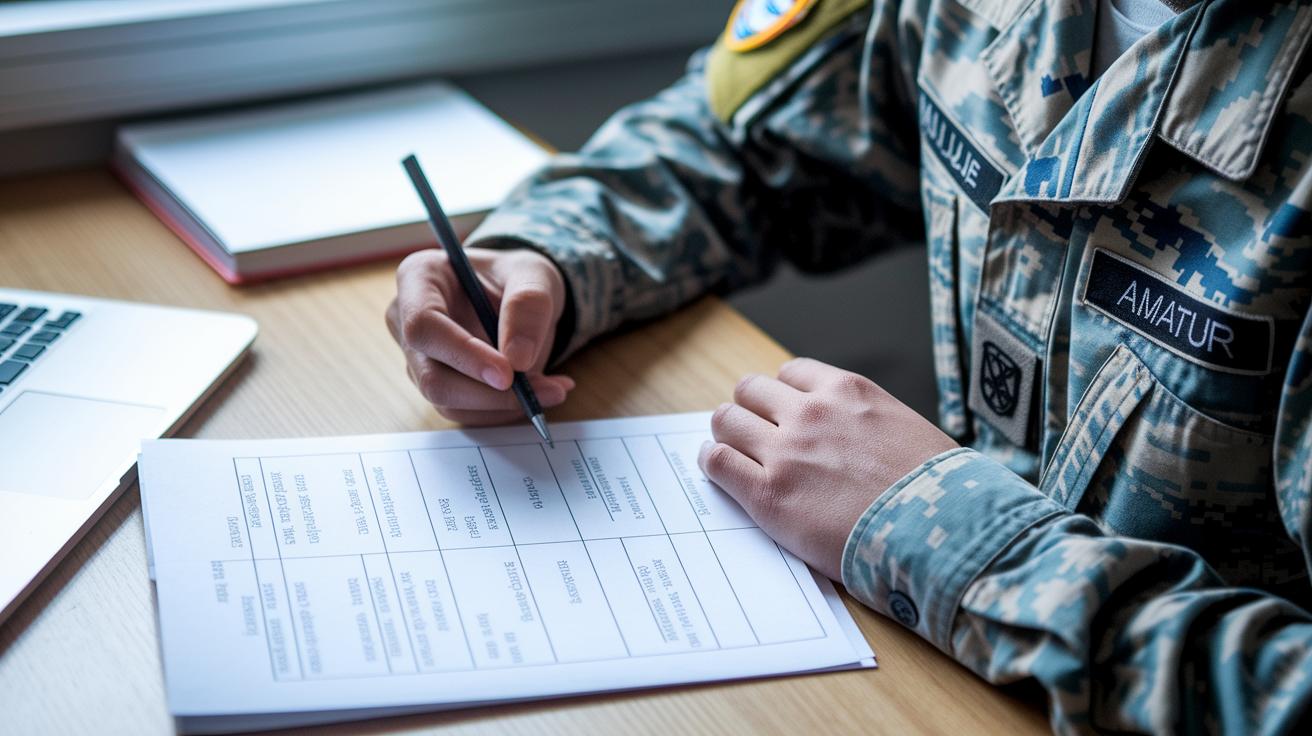
Studying for military exams can feel like preparing for a tough mission. It’s not always easy to keep those critical pieces of info in your head. Sometimes, even after several study sessions, the details just slip away. Think of it as needing checkpoints along the route so nothing gets lost.
Mixing up your study techniques can really help you stay on track. Here are some handy methods:
- Spaced repetition: Look over your material again after one day, one week, and then one month.
- Mind mapping: Draw simple charts that connect your main ideas.
- Flashcards: Brush up on definitions and formulas quickly.
- Summaries: Rewrite tough topics in your own words.
- Peer teaching: Explain what you’ve learned out loud to someone else.
- Self-quizzing: Test yourself with quick reviews to see what you remember.
Using these strategies together creates a solid foundation, making your revision sessions more effective and keeping your mind sharp when it matters most.
Performance Tracking and Feedback in Military Exam Revision

Keeping track of your progress is a must. It shows you where you excel and which areas need extra work. By logging every detail of your practice tests, from the mistakes in each topic to the time spent on each question, you build a clear report that helps you see what you know and what still trips you up. Think of it like writing a mission report after every drill that tells you exactly where to improve next.
Here’s a simple four-step plan to start tracking your progress:
- Write down the mistakes by topic after each test.
- Jot down how long you take on each question to spot any pacing issues.
- Compare your current scores with your first test results.
- Update your weekly study goals based on the latest data.
Regular feedback is key to fine-tuning your routine. When you look at the trends in your performance, it’s easier to spot which drills need a little extra work and where you can push yourself further. This not only makes you more ready for the big day but also builds your confidence as you see steady progress with every update. By making this a habit, your study plan becomes as responsive and well-organized as a top-notch military operation.
Every entry, adjustment, and bit of feedback gets you closer to that goal score. So, keep a constant eye on your progress and adjust your plan, it's like refining your strategy step by step until you’re fully mission-ready.
Final Words
In the action, we reviewed diagnostic tests, timed mini-sessions, and clear study goals alongside real exam simulations. We outlined subject-specific tactics, memory aids, and feedback tracking to shape a solid plan.
Using strategic revision techniques for military exams can boost both your mental clarity and physical readiness. Keep your study sessions focused, track your progress, and let your improvements drive you forward. Stay committed, and the results will follow.
FAQ
What are 5 strategies of revision?
The five revision strategies include using full-length practice tests, planning mini-session study blocks with breaks, setting clear improvement targets, simulating exam conditions, and reviewing subject-specific material to strengthen weak points.
What is the best revision strategy for exams?
The best revision strategy for exams combines targeted diagnostic tests with timed study sessions and simulation drills that mimic exam conditions, allowing you to build confidence and track progress effectively.
Which technique is best for revision?
The best revision technique involves a mix of full-length assessments and short, focused study blocks that help pinpoint areas needing improvement, making it easier to learn and remember core concepts.
What strategy will you use to prepare for the exam?
The strategy to prepare for the exam uses initial full-length diagnostic tests to set benchmarks, followed by mini-sessions, simulation drills, and regular tracking of performance to strengthen exam readiness.