
Have you ever wondered if our military exam process is truly fair? For years, many of us have questioned some hidden practices in the system. Recently, a team from Democracy Forward took a closer look at our old exam procedures, and their findings have sparked a call for more clear oversight.
Officials are already taking action. They are canceling outdated screening programs and introducing new directives to modernize the process. These changes hold promise for boosting confidence and fairness in our tests. Stay tuned to see how this could change the way we evaluate our service members.
Recent Military Exam Administration Transparency Updates

Democracy Forward has begun taking a closer look at how military exams are handled. This comes after a record request by the Trump-Vance administration led to questions about whether the process was truly open. Now, they’re working to shed light on procedures that used to stay hidden, sparking discussions on fairness and clear oversight in how defense evaluations are run.
The Army recently pulled the plug on the Command Assessment Program (CAP), a promotion screening process that was introduced in the final days of the last administration. Some critics even called CAP a “woke” initiative, saying it wasn’t fair or clear enough. But things are shifting. On September 30, 2025, at Quantico, Secretary of War Pete Hegseth laid out 10 new directives. These cover everything from daily gender-neutral fitness tests to a grooming overhaul nicknamed “No More Beardos.” One of these new orders also changes the way the Inspector General tackles issues like harassment and equal opportunity.
Branch secretaries now have 60 days to send in their proposals for updating standards, school curricula, grooming rules, and exam procedures. Before joining their branch, many service members never imagined that a change in exam policy could affect not just their everyday routines, but also their long-term career prospects.
Democracy Forward Inquiry into Military Screening Practices

Democracy Forward has kicked off a close look at how military screening exams are run. They want to uncover any hidden errors in the system that might shake the trust of our service members. This effort is part of a bigger plan to keep our leaders accountable ever since the court cases following the 2019 shutdown and other security concerns. They dug into old record requests and policy choices to see if any of these moves might weaken our trust. Every detail counts when it comes to fair and open military evaluation.
Next, there's an important milestone coming up. A well-respected leader is set to join the National Academy of Public Administration’s 2025 class of fellows. This step shows that steady oversight can boost confidence in the system and make sure screening standards stay fair. Many believe that as this review goes on, it will lay out clear rules for running these exams. This will help both active-duty members and veterans by keeping the process honest and trustworthy. The review also looks at legal challenges and feedback from within to build a more reliable exam system that truly matters.
Overhaul of Promotion Screening and Armed Forces Testing Updates
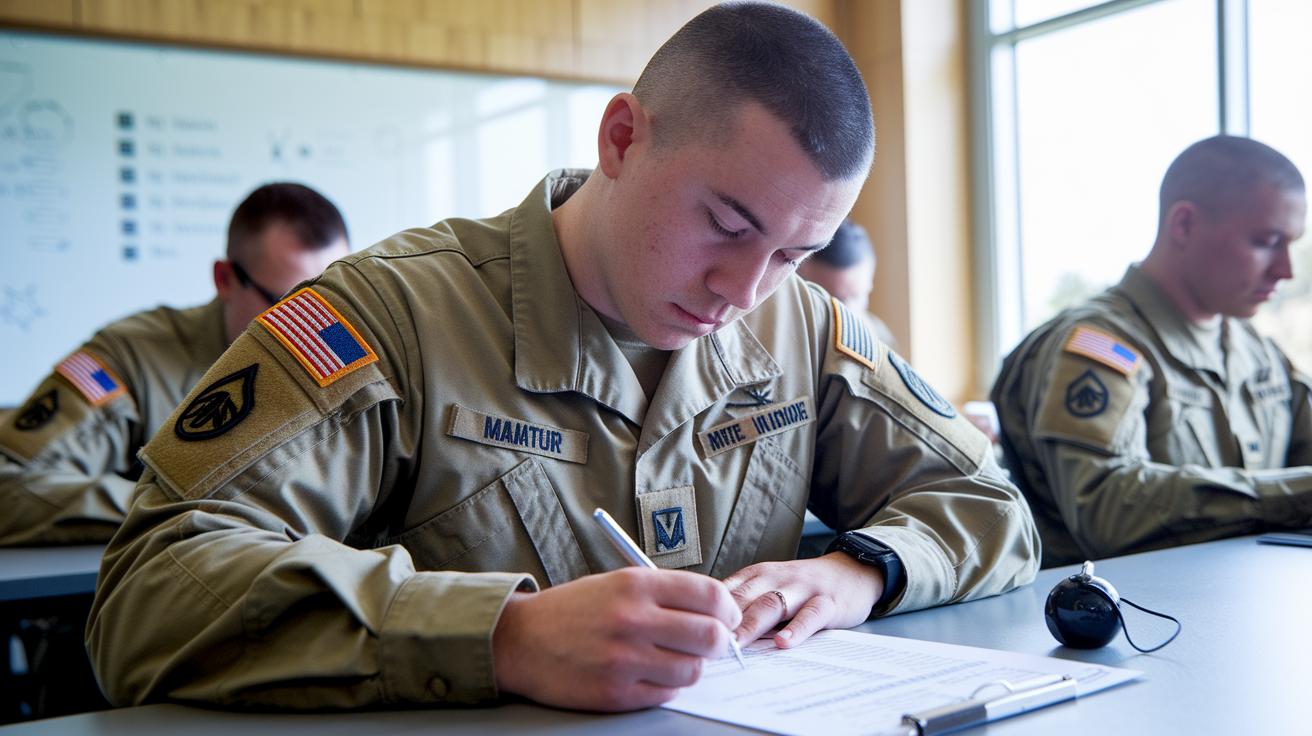
The new exam updates now set clear, measurable performance targets. Critics pointed out that older systems, like CAP, didn’t offer specific benchmarks. Today, for example, a service member must score above 75 on a tactical reasoning test (a test of problem-solving skills) to move on. This kind of clear-cut requirement wasn’t around before.
The updated plan lays out step-by-step rules to cut out any guesswork. These guidelines cover everything from the initial check to the final review. Think of it like planning a mission: you start with a clear rule, for instance, if you complete the field drill in under 15 minutes, you earn bonus points for both speed and effectiveness. This structured approach makes it easier for everyone to understand what's expected.
| Old Approach | New Method |
|---|---|
| Vague, hard-to-track ratings | Clear numerical benchmarks for each stage |
| Limited procedural steps | Step-by-step rules from initial evaluation through final review |
Keep these improvements in mind as the new procedures evolve, offering a more organized and transparent process for military promotion exams.
Debates on Fairness in Military Exam and Screening Integrity
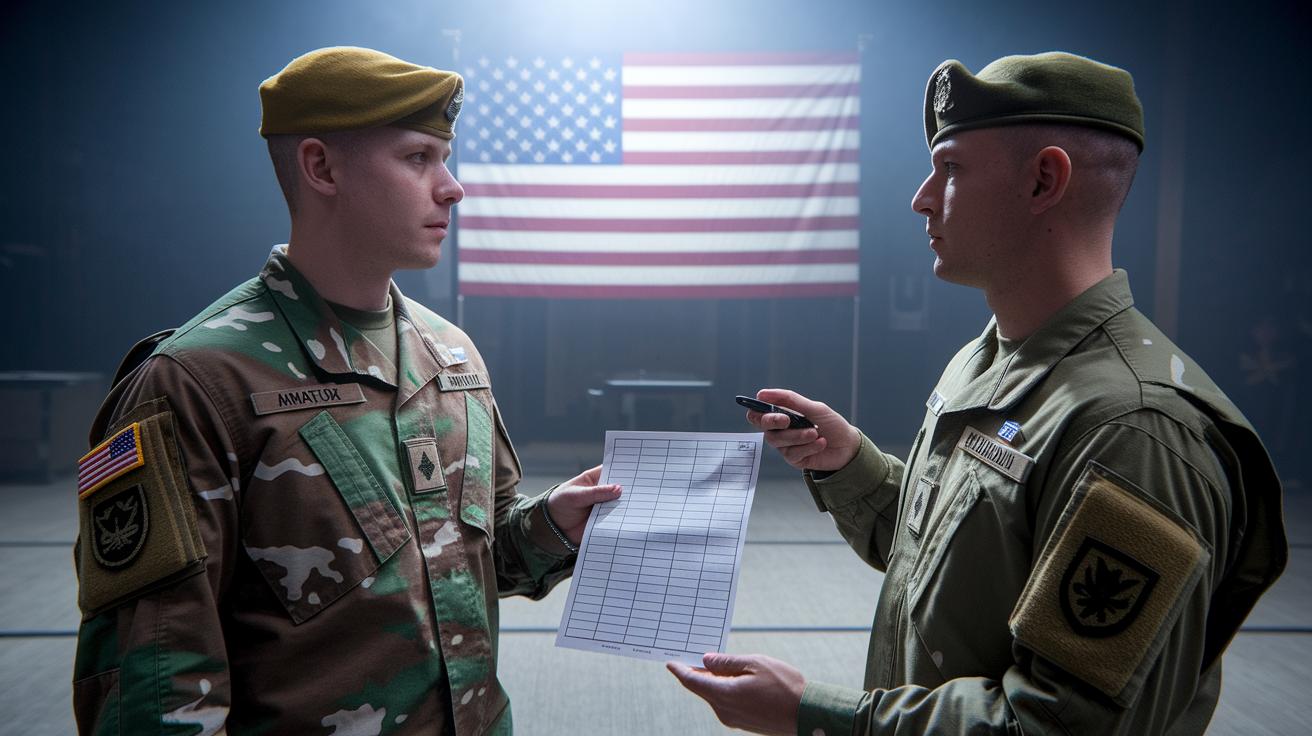
Military folks and defense experts are worried about exam methods that aren’t clear. They say hidden exam procedures and quick policy changes shake trust and hurt fairness. When scoring rules aren’t clear, doubts grow about how fair recruitment really is.
Recent news reports paint the old system as too political. Everyone now wants clear, consistent scoring guidelines, kind of like getting simple instructions before a training drill. Some service members even compare it to trying to hit a moving target in the dark. One analyst put it this way: it feels like going on a mission without proper signals, which makes confidence drop and morale slump.
In hearings and defense forums, people have taken a closer look at the testing system. Lawmakers and senior leaders are asking for outside checks and a way for candidates to challenge their scores. They believe these steps will not only help verify results after exams but also keep a fair record for every candidate.
These talks have sparked public reports that question whether the current exam practices truly match our military values. With every discussion, the call for a fair, open process that all service members can trust gets louder.
Inspector General Reforms and Compliance Measures in Exam Administration

New directives are tightening up exam rules. They simplify how problems get looked into, clear up where to send complaints, and make it easier to track any irregularities. Imagine a fellow service member spotting a rule mix-up, the detailed notes help ensure the issue is checked out quickly and clearly.
Branch secretaries have 60 days to update exam guides and training materials with these changes. With more outside reviews, the whole system runs smoother. It's like running a refined drill: clear steps help spot and fix issues fast.
Implementation Timeline for Enhanced Military Exam Administration Transparency

We've mapped out key steps as part of our plan to improve test administration. Our schedule shows that revised exam procedures will kick off in the first quarter of 2026, with a full review scheduled for mid-2026.
Imagine it like planning a mission. Each part, from the early briefings to the live test runs, is timed perfectly. Picture drafting a mission plan where every drill goes off without a hitch, proving that every test step meets strict standards.
Final Words
In the action, we broke down key updates in military exam administration, covering inquiry processes, exam screening changes, fairness debates, and new Inspector General measures. Each topic brought a clear view of how changes are set to shape future testing and candidate confidence.
We uncovered significant military exam administration transparency news that promises clearer guidelines and fairer practices. It’s an encouraging look at reforms ensuring our selection process stays as open and trustworthy as ever.
FAQ
New military PT standards
The new military PT standards refer to updated physical training benchmarks that aim to create fair and rigorous fitness assessments for service members. They focus on all-around strength, endurance, and agility measures.
U.S. military audit fail
The U.S. military audit fail describes issues found during a review of military records or processes. It led to calls for more detailed oversight and refined procedures in accounting and exams within armed forces.
Military fitness standards
The military fitness standards refer to the set guidelines that define physical requirements for service members. They include tests of endurance, strength, and agility to guarantee readiness for operational duties.
Army physical fitness Test standards
The Army physical fitness Test standards refer to specific performance benchmarks for exercises such as running, push-ups, and sit-ups. They measure a soldier’s physical condition and readiness for duty.
Pentagon audit 2025
The Pentagon audit 2025 refers to a scheduled review of military processes and records aimed at checking compliance and uncovering areas for increased accountability in exam procedures and overall operations.
Hegseth town hall cut off
The Hegseth town hall cut off refers to an event where communications during a town hall meeting led by Secretary Pete Hegseth were unexpectedly interrupted, prompting concerns about open exchange with military personnel.
DOD News
DOD News includes official updates from the Department of Defense that cover changes in policies, exam procedures, and administrative reforms affecting the entire military community. It serves as a primary source for current developments.
Pentagon cuts
Pentagon cuts refer to reductions in spending or resources within the Department of Defense. These changes can affect operational guidelines, exam standards, and administrative processes across all military branches.
What is Pete Hegseth’s political stance?
Pete Hegseth’s political stance stresses a commitment to strong defense policies and fiscal responsibility. His views often support increased accountability and transparency in military exam procedures and administration.
What is a military administration?
A military administration is the system responsible for managing military operations, processes, and exam standards. It involves leadership decisions, policy implementation, and ensuring fairness in promotions and selections.
What is the Department of Defense in the United States?
The Department of Defense in the United States is the federal agency tasked with overseeing national security and military operations. It manages everything from exam administrations to policy directives for the armed forces.
Is the military public administration?
The military public administration involves managing military policies and operations with a focus on accountability to the public. It includes overseeing exam procedures, leadership standards, and service member welfare.