
Have you heard about the new exam rules in the military? After over a million trial runs, they found some of the old tests just didn’t cut it in real field situations. So now, new fitness drills and grooming standards have been put in place to better match today’s combat needs.
This post explains everything, from the updated drills to how your exam scores now count toward promotion points. We break each change down so you can adjust your training and focus on the skills that truly matter when you’re in the field.
It’s a lot like preparing for a mission: knowing the new plan can help you stay sharp and ready for anything.
How military exam changes shape the selection process
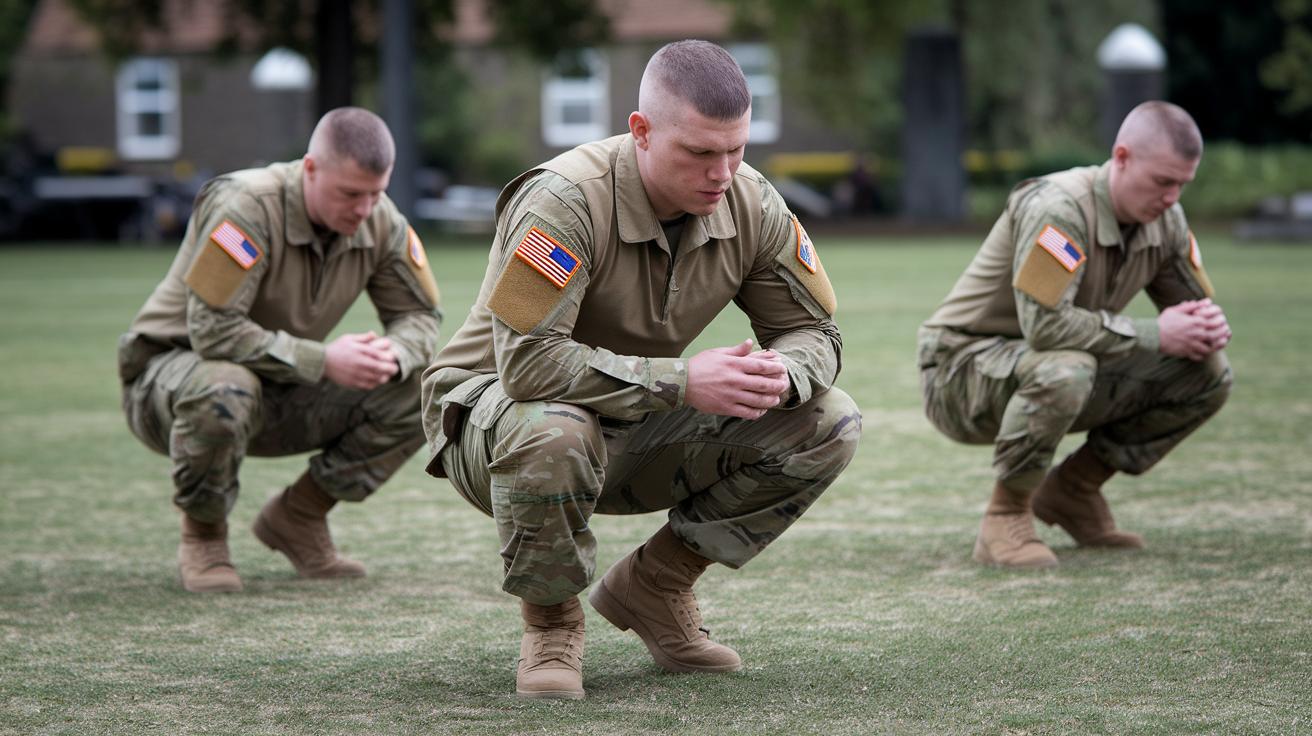
On June 1, 2025, the Army Fitness Test replaced the old Army Combat Fitness Test. After almost 18 months of review that examined nearly one million test runs, the military decided it was time for a change. They found some events, like the standing power throw, didn't really match the skills needed on the modern battlefield.
New rules aren’t just about fitness. On September 30, 2025, the Pentagon rolled out updated grooming standards. Now, every service member must be clean-shaven, with sideburns trimmed to or below the ear opening. Plus, a 60-day review of education and training standards cut down on non-mission sessions so soldiers can focus on core combat skills.
The event lineup and scoring system got a fresh look too. Top performers on the new fitness test may even get exceptions for standard height and weight checks. Also, your exam results could soon play a role in earning extra promotion points. This update ties together event tweaks and scoring changes to give you one clear path forward.
- Official effective date of AFT: June 1, 2025
- Removed event: Standing Power Throw
- New grooming standard: service members must be clean-shaven
- 60-day review to streamline education and training
- Height-and-weight exceptions for top AFT performers
Military exam changes in test content and format
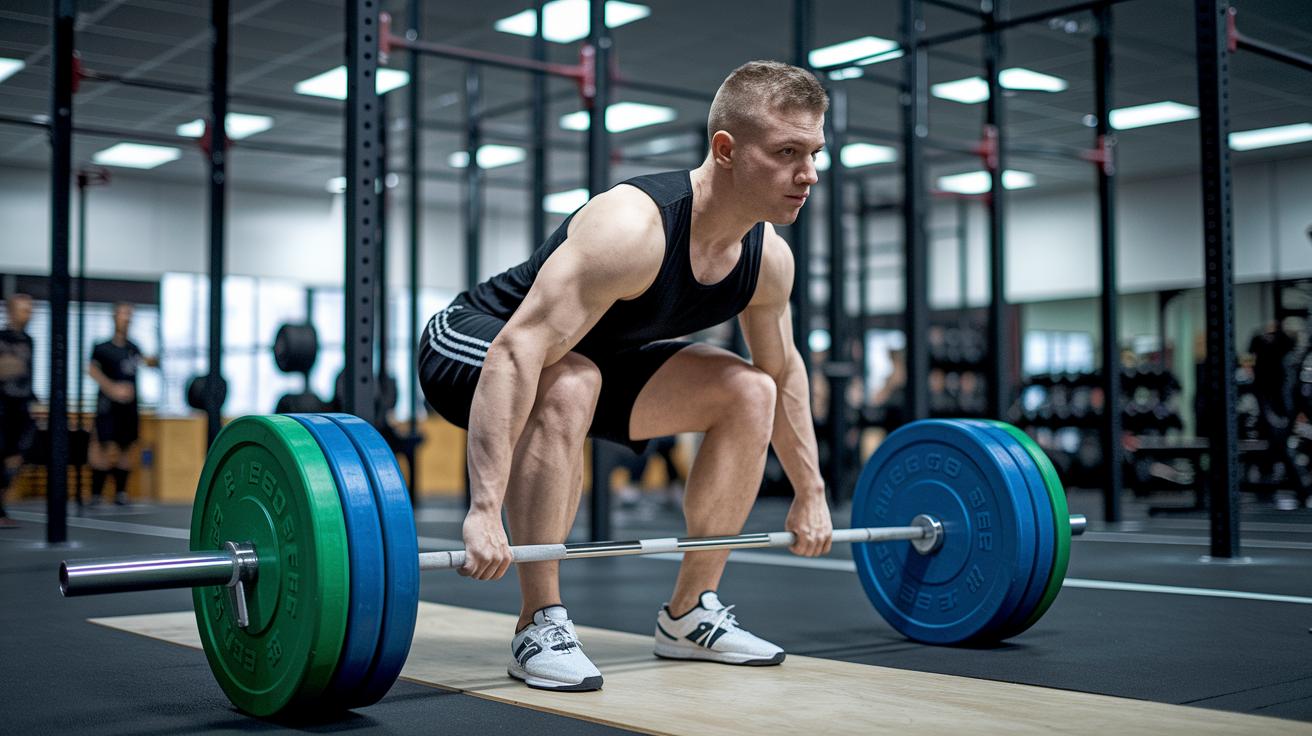
We’ve updated the exam to include five key events that check the fitness skills you need on the field. Each part reflects real combat tasks by focusing on building strength, endurance, and balance. This fresh format is designed to help you train smart and prepare for the challenges you face on the job. Think of it as a timed drill that measures all the critical areas you rely on in active duty, just like running through drills during a training session.
Here’s a quick rundown:
- MDL (3-Repetition Maximum Deadlift): Tests lower-body strength.
- HRP (Hand Release Push-Up): Checks upper-body endurance.
- SDC (Sprint-Drag-Carry): Measures anaerobic power and muscular endurance.
- PLK (Plank): Builds core endurance and balance.
- 2MR (Two-Mile Run): Assesses aerobic capacity.
| Event | Focus Area | Testing Metric |
|---|---|---|
| MDL | Lower-body strength | 3RM weight |
| HRP | Upper-body endurance | Reps in 2 min |
| SDC | Anaerobic power | Time to complete |
| PLK | Core endurance | Hold duration |
| 2MR | Aerobic capacity | Run time |
Military exam changes in scoring and standards
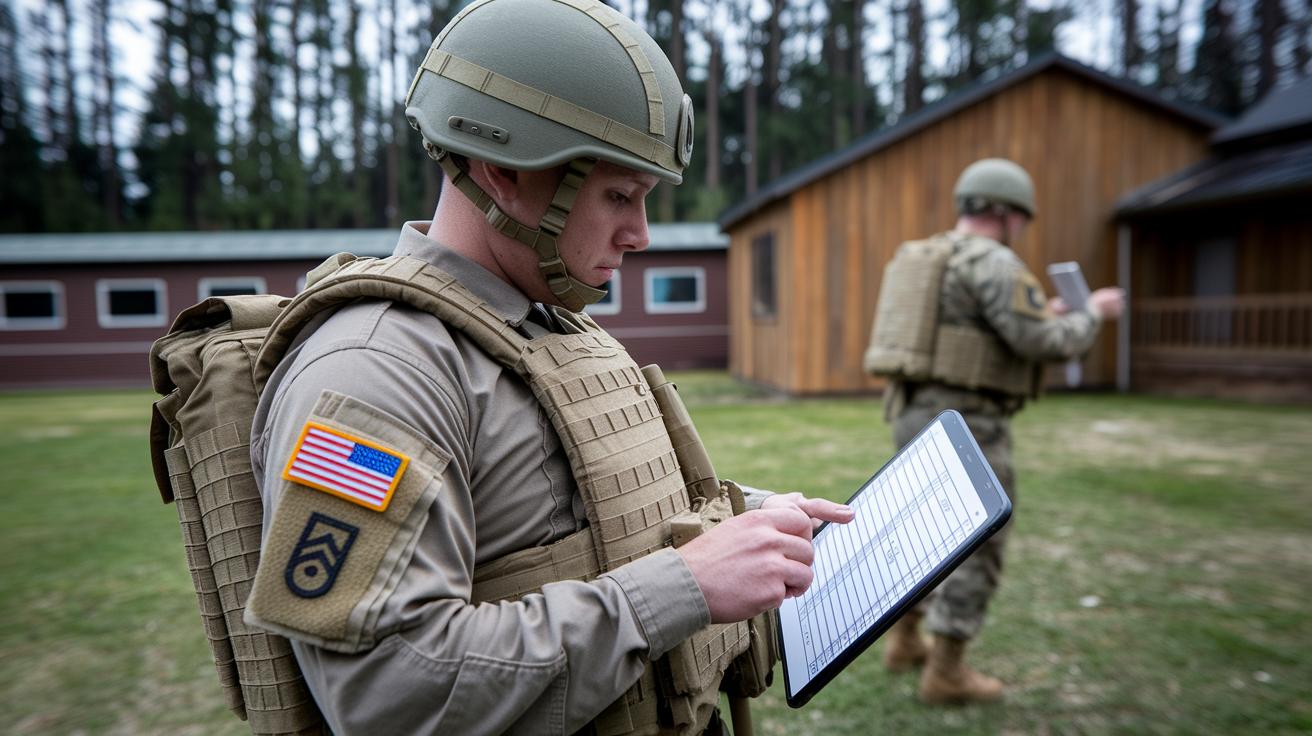
The scoring system has been updated so that your performance now falls into two simple groups. One is the Combat Standard for those in fighting roles, and the other is the General Standard for everyone else. Every test event comes with a minimum score you need to hit. Plus, AFT points now count for promotions, and if you perform well, you might even skip the usual height and weight checks. If you want more details on how to read the new score tables and benchmarks, check out the military exam score interpretation guide (https://militaryaptitudetests.com?p=537).
Combat Standard
For soldiers in combat roles like Infantry, Armor, Cavalry, Field Artillery, and Special Forces, the Combat Standard is all about pushing physical readiness to a higher level. Whether you're tackling the MDL, HRP, SDC, PLK, or 2MR, each event has a minimum score you must reach. The scores are set so that everyone in these roles meets the tough demands of their job. The focus is on building the strength, endurance, and agility you need to be effective in combat. Every point you earn helps show that you can handle the challenges of today’s battlefield.
General Standard
If you’re not in a combat role, the General Standard covers you. It still expects solid performance in every event, but the minimum scores are a bit more lenient compared to the Combat Standard. This setup is meant for service members in support or combat-enabling positions, ensuring you have the necessary fitness for your daily duties and career growth. Meeting these benchmarks not only shows your readiness but also helps you earn promotion points. Even if you’re not in a combat job, keeping your skills sharp and your career on track depends on meeting these clear, practical standards.
Military exam changes implementation timeline and phases
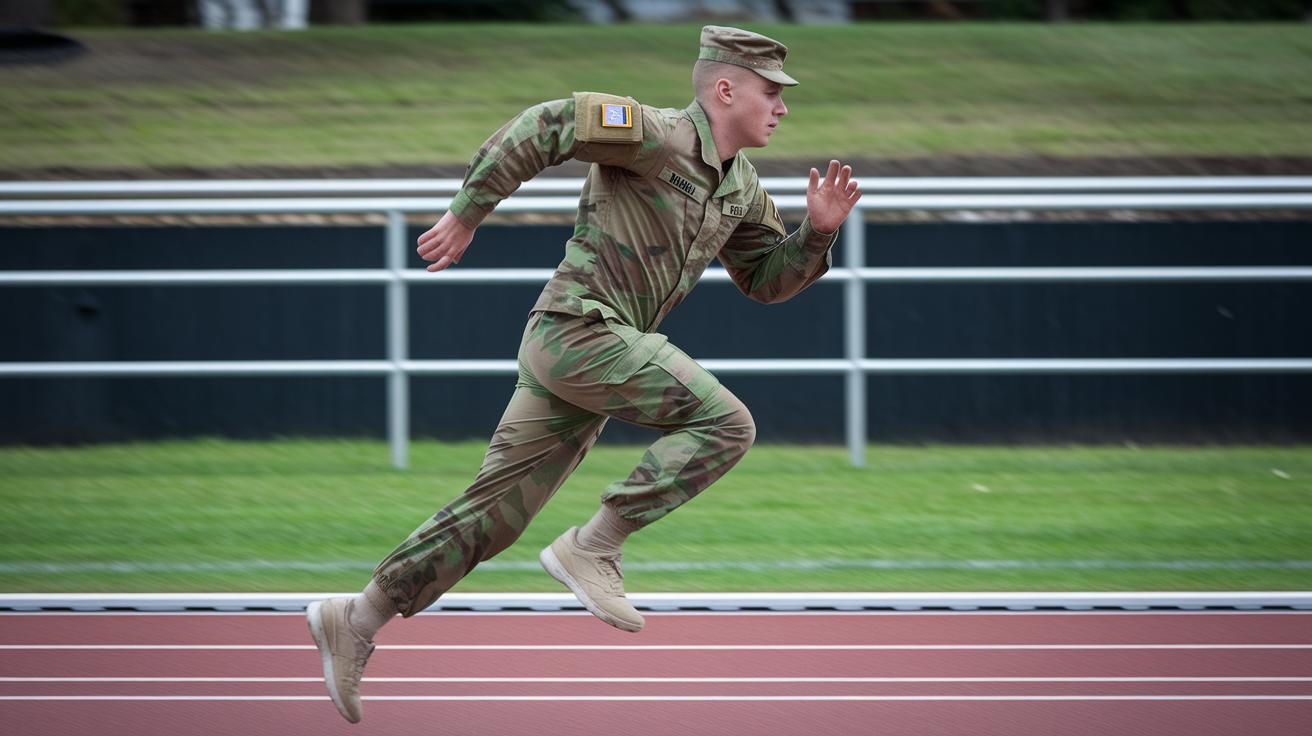
These new exam updates come in clear, step-by-step phases to help every soldier adjust with ease. The plan offers options for reclassification and gives extra diagnostic support (a check to see where you might need a boost) for combat MOS (Military Occupational Specialty) soldiers. Each phase is a key step toward better readiness.
Phase 1: June 1, 2025
On June 1, 2025, the Army Fitness Test officially becomes the measure of physical preparedness. This change replaces the old test right away, laying down a strong foundation for every soldier. It smooths out the process so that everyone is evaluated by current, up-to-date standards.
Phase 2: September–December 2025
From September to December 2025, combat MOS soldiers with scores between 300 and 349 have the option to reclassify voluntarily. Along with that, they'll get diagnostic assessments to pinpoint where improvements are needed. This phase is all about targeted help so you can fine-tune your training with personalized advice.
Phase 3: January 1, 2026
Starting January 1, 2026, active soldiers who don’t hit the 350 combat standard will need to reclassify. This firm step shows our strong commitment to readiness and ensures that everyone in critical positions meets these tougher new benchmarks.
Phase 4: June 1, 2026
By June 1, 2026, the new standards will also apply to Reserve and National Guard members. This final step makes sure that every service member, no matter their unit, meets a common set of expectations, aligning military fitness with today’s operational demands.
Military exam changes candidates should prepare for

The new testing protocols mean soldiers need to change how they train, both physically and mentally. Overall fitness matters more than ever now. It’s time to update your training plan, focus on building strength, endurance, and balance like you’re getting ready for a tactical drill; every move counts.
Your training should cover all five AFT events. That means working hard on strength exercises for the 3-Repetition Maximum Deadlift, doing upper-body drills to boost your Hand Release Push-Up, pushing through quick bursts similar to the Sprint-Drag-Carry, practicing core stability like holding a Plank, and running steadily to improve your Two-Mile Run. Each drill is chosen to reflect real combat actions and strategic tasks.
Keeping up with your aerobic training is essential. According to the new guidelines, you should aim for 150 to 300 minutes of steady aerobic activity each week. Increase your workout intensity by no more than 10% weekly to help your body adjust safely and lower your injury risk. It’s like moving forward in an orderly, steady advance.
Finally, with changes to grooming standards, sticking to a regular shaving schedule is important. Staying on top of your grooming helps you meet the clean-shaven requirement on test day. During Phase 2, take advantage of diagnostic practice sessions to spot and improve any weak areas. Think of these drills as a quick check-up, making sure you know where to focus before the exam.
Military exam changes frequently asked questions
Let’s break these changes down in plain terms. For a full explanation, check the main discussion. Here’s the short version:
• ACFT scores count for promotion until September 30, 2025.
Example: Once you get an ACFT score, it stays in the promotion mix until that cutoff date.
• If you score higher, you can skip the regular height-and-weight check.
• Your AFT points now line up with promotion tables better, meaning your higher scores bring more promotion points.
Example: A better score bumps you up on the promotion table just like nailing a challenging drill.
• On test day, make sure you’re clean-shaven. Sideburns must stay below the ear.
Example: Check your grooming before the test to ensure your sideburns don’t rise above your ear.
• Combat MOS soldiers with scores between 300 and 349 can opt for a voluntary reclassification in Phase 2. This uses diagnostic tests (assessments to help target your training) to help guide improvements.
Example: If you’re in that mid-range score, you can use Phase 2 assessments to focus on boosting your performance.
Final Words
In the action, we broke down key reforms, from the AFT replacing the ACFT to updated grooming guidelines and training adjustments. We covered new events, scoring shifts, and phased implementation plans that affect selection and promotion. This briefing gave you clear insights and practical tips to align your preparation with current standards.
Keep focused on training smarter and adjusting your routines. Stay confident and prepared, knowing that military exam changes what you need to know to excel in your military career.
FAQ
What is the hardest military exam?
The hardest military exam is often debated, but the new AFT poses significant physical challenges due to its focus on varied strength and endurance events that test combat readiness.
What are the new changes to the ACFT?
The new changes to the ACFT include its replacement with the AFT, removal of the standing power throw, and adjustments to test events based on an extensive review of nearly one million iterations.
Did the Army change their PT test?
The Army changed their PT test by adopting the AFT, which introduces updated event formats and revised scoring methods aimed at better aligning fitness evaluations with combat demands.
How many push ups to pass the Army PT test?
The push-up requirement now takes the form of hand release push-ups, and the passing numbers vary according to the test standards set for combat and non-combat roles.