
Ever wonder if a simple guide might change the way you handle military exams? Picture a friendly briefing that lays out each step, from test details to study tips, making your prep as sharp as planning a mission.
The military exam preparation bulletin does just that. It gives you clear steps and the key scores you need, so you know exactly where to focus your energy on the day of the exam.
Imagine standing in the early morning chill, feeling the crisp air as you prepare. With a plan like this, every instruction feels as clear as a well-timed order on the field.
In this post, we break down the bulletin piece by piece. A little planning can really spark big success, just like gearing up with a solid mission plan before heading out on a training run.
Inside the Military Exam Preparation Bulletin: Quick Reference
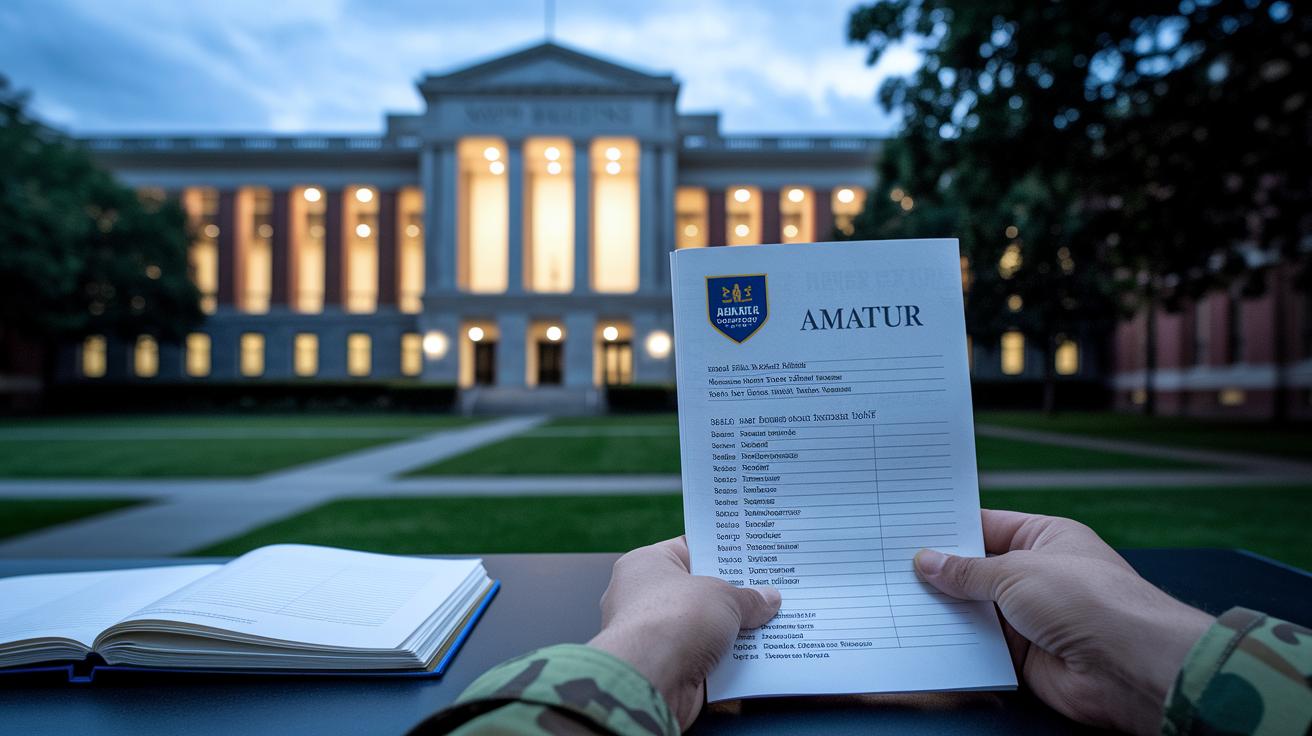
A military exam preparation bulletin is an official report that lays out all the details you need before taking your aptitude tests. It comes directly from military channels and gives clear, simple guidelines for tests like the ASVAB (a job skills test). For example, you might read, "The test is computer-based, self-paced, and available at MEPS," so you know exactly what to expect.
The bulletin covers the basics: where and when you take the test, and what happens if you need a retake. Think of it as your mission briefing. It explains that exams are held at Military Entrance Processing Stations (MEPS) with extra options at MET sites for those further away. It also tells you about the one-month waiting period before trying again. You might see advice like, "Plan your study like a mission: schedule, practice, and then execute with confidence," which breaks down your prep into clear, manageable steps.
You’ll also find enlistment assessment overviews in the bulletin. This part helps you see how your test results could open doors to new opportunities in your military career. It’s like a hands-on guide, suggesting you "review your skills as if you’re calibrating equipment: identify gaps and fix them." This straightforward, step-by-step planning makes sure every recruit feels ready for the challenges ahead, turning the bulletin into an essential tool for military exam preparation.
Military Exam Preparation Bulletin: Exam Requirements & Deadlines
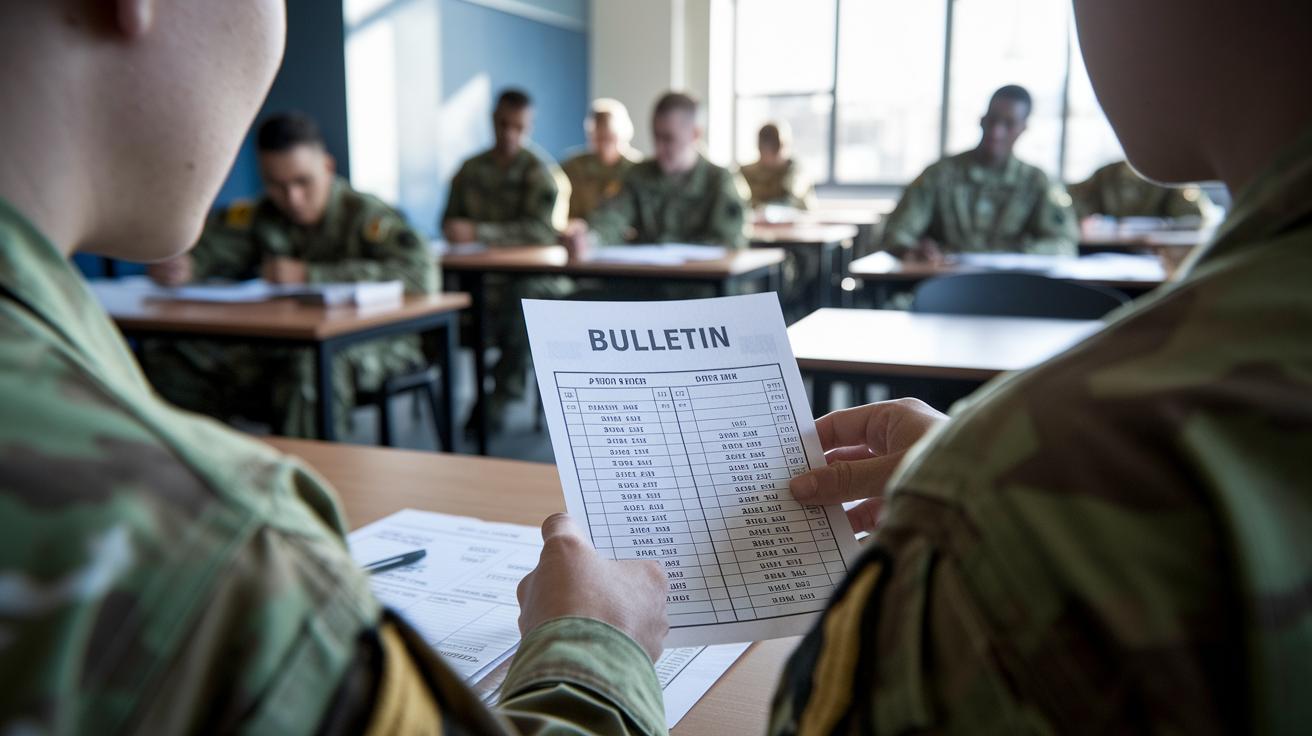
This bulletin is your friendly briefing on exam details and requirements for joining the service. It spells out every step needed and includes key info like the minimum AFQT (Armed Forces Qualification Test, which measures your basic skills) scores: Army needs 31, Coast Guard asks for 36, and Navy wants 35.
It’s smart to start studying at least two months before exam day. The bulletin also gives you the test dates, when to register, and what to do if you need a retake. Everything is laid out clearly so you know exactly what’s expected.
| Branch | Minimum AFQT Score | Registration Deadline |
|---|---|---|
| Army | 31 | see bulletin |
| Coast Guard | 36 | see bulletin |
| Navy | 35 | see bulletin |
This simple layout helps every recruit set up a solid study plan and stay on track. By following these details and deadlines, you’ll be ready to nail your exam.
Military Exam Preparation Bulletin: Eligibility & Screening Procedures

Bulletins tell you exactly who can take the exam. You need to be between 17 and 34 years old and have a high school diploma or GED. You also must be a citizen or a legal resident. These basic rules are like your first step before even applying. You'll often see a note that says candidates must meet the military's age and education standards. For the latest updates, check the current military exam eligibility criteria.
Screening is a key part of the process. Every candidate goes through steps like medical checks, background reviews, and some required training modules. It’s a bit like a full fitness test, making sure your body and mind are ready for the challenge. The instructions in the bulletin are clear and straight to the point, showing you exactly how to complete each screening stage before you start military training.
Military Exam Preparation Bulletin: Inspiring Exam Success

This official bulletin sets out a two-month study plan to boost your AFQT score. It focuses on key areas like Math, Word Knowledge, and Reading Comprehension. Think of it as preparing for a field exercise: plan your schedule, work on each subject, and drill until you see improvement. For example, one tip says, "Break your study sessions into focused blocks and use practice tests as mini missions to check your progress." This helps you spot which topics need extra work so you can adjust your practice.
The bulletin also shows you how to add drills for the parts that challenge you. It recommends extra practice in areas you find tricky, much like running tactical exercises on the training range. For instance, if numbers slow you down, spend more time on math drills until your calculations become second nature. With repeated practice, every study session becomes a step toward success on exam day.
Military Exam Preparation Bulletin: Updates & Revision Notices

Recent notices tell us that exam formats and scoring rules are changing. New guidelines now show updated test setups, new scoring methods (how your answers are graded), and revised ranking rules that can affect your service eligibility.
The new exam rules now match updated recruitment schedules. They include new timelines for processing new candidates and set clear dates when changes will start. For example, the latest exam announcement spells out exactly when these updates will roll out in upcoming test cycles.
To keep ahead of these changes, check official channels regularly. Make sure you review any new bulletins and revised guidelines posted on the military exam prep site. These are the most reliable sources on shifts in recruitment schedules and other key adjustments. Staying updated means you can plan your study sessions knowing you have the most current info.
Final Words
In the action, we broke down key parts of the official exam briefings. We discussed exam details like test schedules, retake policies, and screening procedures while also sharing simple study tips.
Our guide helps you understand the core ideas behind military exam preparation bulletin content so you can build confidence and readiness. Take these insights to sharpen your skills and face your assessments with a positive mindset. Let's keep moving ahead with focus and determination.
FAQ
What does the ASVAB test measure and who takes it?
The ASVAB test measures skills in areas like math, reading, and technical abilities. It is taken by high school students and potential recruits to determine eligibility for military service.
What are ASVAB practice tests and study guides used for?
ASVAB practice tests and study guides are tools that help you review each test section and build confidence. They include sample questions and detailed tips to prepare you for exam day.
What are the main ASVAB test requirements for candidates?
The ASVAB test requires candidates to be within a certain age range, have a high school diploma or GED, and meet citizenship or residency rules. Official bulletins list these entry criteria clearly.
How can I prepare for the military test using available bulletins?
Military bulletins offer structured study plans, clear exam schedules, and guidelines on retake policies to help you focus on building skills in key subject areas and boost your test performance.
How difficult is it to pass the ASVAB test and what are typical score expectations?
ASVAB test difficulty depends on your preparation and skills. A score of 21 is below what most branches aim for, as average scores are typically higher, so extra study may improve your results.
How do military test ASVAB scores affect service options?
ASVAB scores play a role in determining job placements and available roles across branches. Higher scores open doors to more career choices and advanced positions within the military.