
Have you ever felt that military exam handbooks are more of a burden than a tool? Picture this: your handbook becomes the key to exam success. In this article, you'll see how a clear study plan can calm your nerves and boost your confidence.
We break complex topics down into simple, everyday steps, kind of like a friendly debrief before a big mission. Each strategy builds solid skills so you can face test day with ease.
Let's walk through these easy steps that turn your handbook into a winning asset.
Essential Handbook Strategies for Military Exam Success
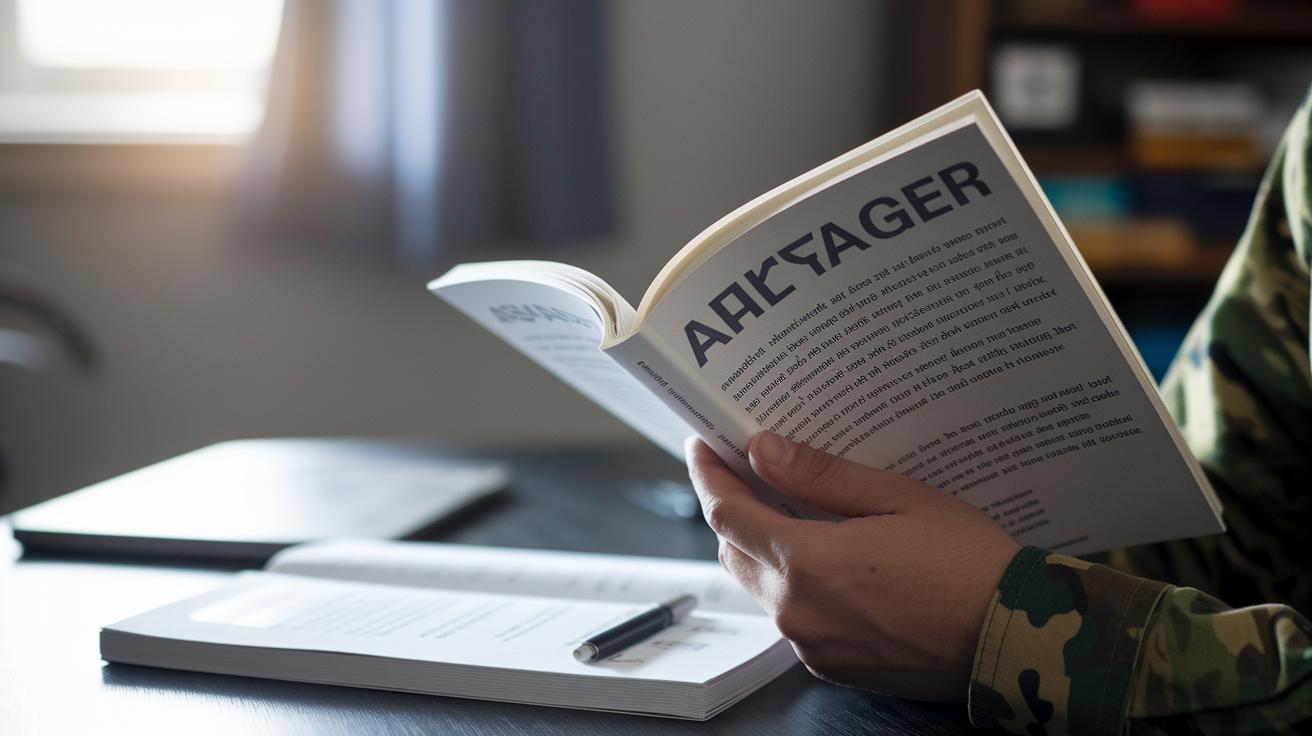
Using a certified military exam handbook sets you up with a study plan that lines up with the ASVAB (a test that checks skills like reading, math, science, and technical know-how). Starting your study routine at least two months before test day helps you go through every topic step by step and keeps stress in check. High-quality handbooks offer clear examples, short explanations, and practice questions that make you feel at ease with the exam format. For example, a good handbook might break down a math problem by relating it to everyday numbers, so you really learn the idea instead of just memorizing a formula.
Here are five straightforward strategies from a trusted military exam handbook to guide your study sessions:
- Stick to a daily schedule that covers specific topics.
- Begin your prep early to ease any nerves.
- Use study guides that mimic the real exam sections.
- Focus on understanding the ideas instead of simple memorization.
- Check your progress often to find spots that need more work.
These handbook-based strategies create a clear study plan. By matching each review session with a part of your handbook, you gradually build up the skills you need. This approach not only makes you familiar with a wide range of topics but also boosts your confidence to handle new questions on test day. In short, it gives you the edge to perform at your best when it matters most.
Developing a Systematic Revision Routine with Your Military Exam Handbook
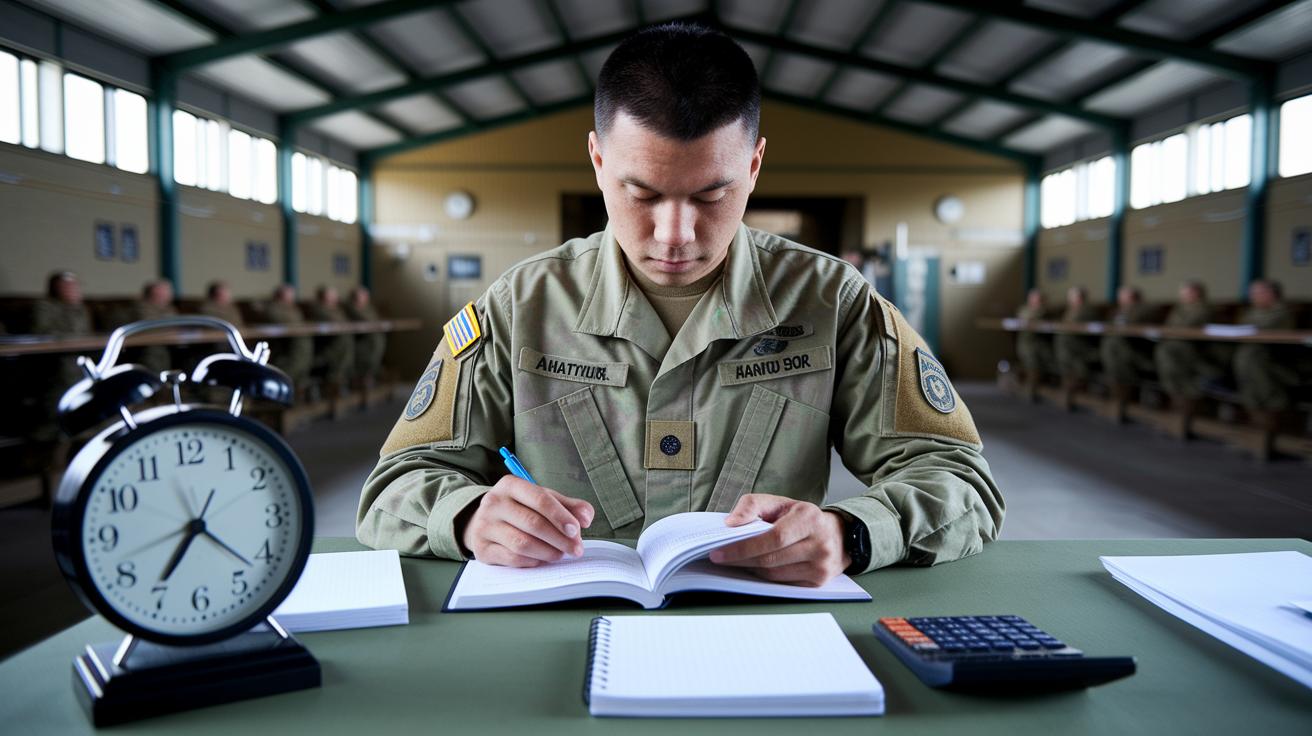
Every day, take a few minutes to review your military exam handbook, even on days when you're not feeling your best. This quick check-in works like a brief debrief before a mission, so topics don’t pile up and you stay sharp. For example, try spending 20 minutes today brushing up on arithmetic reasoning; consistent practice builds strong habits over time.
Plan your week around four dedicated review sessions that cover key areas like word knowledge and math problems. After each session, pause for a few minutes to assess what you’ve learned and spot any weak spots. I remember hearing about one soldier who took just a few minutes each day to review his handbook, and it made a huge difference when the pressure was on. This simple approach lets you adjust your focus based on real-time feedback.
Also, keep a dynamic checklist: mark off the topics you’ve finished, flag the ones that need more work, and note any areas you want to revisit later. This steady routine not only tracks your progress but also builds on every review session, paving the way to confident test success.
Time-Blocking and Scheduling Tips for Military Exam Handbook Study

Plan your review over an 8-week period to steer clear of last-minute cramming. Each week, set clear goals and tackle one or two main topics from your handbook. Think of it like assigning mini-missions. For example, one week you could focus on arithmetic reasoning and the next on language skills. This way, you cover everything without feeling overwhelmed.
Try a focused study block by working for 50 minutes and then taking a 10-minute break. This method is a lot like the Pomodoro approach (a simple time management technique) and keeps your mind fresh throughout your study session. Those short breaks give you a chance to regroup before diving into the next part of your handbook.
Start each week with the subjects that have the biggest impact on your exam scores, such as math and vocabulary. Then, set aside a few days to review any tricky sections you found during your study or to catch up if anything unexpected came up. This balanced plan keeps you on track while giving you the flexibility to adjust as needed.
Active Learning and Concept Retention in Your Military Exam Handbook

Flashcards and Spaced Repetition
Flashcards are a smart way to make key formulas and terms stick in your memory. Try jotting down a tough topic on one side and its explanation on the other. Then, review these cards the next day, three days later, and again after a week. This step-by-step review helps build a solid base for your future study sessions and keeps the info fresh in your mind.
Teach-Back and Peer Instruction
Have you ever tried explaining what you just learned? When you talk through a concept, either by recording yourself or chatting with a buddy, you break down hard ideas into clear, simple steps. This practice not only deepens your understanding but also shows you where you need to focus more. It’s like briefing a teammate before a critical mission; when you explain it, you know you’ve got it under control.
Scenario-Based Problem Solving
Imagine working through exam-style problems that look just like the ones you’ll face on test day. By using real-life scenarios from your handbook, you link theory with practice in a way that sticks. Plus, remember that getting 7–8 hours of sleep and eating balanced meals helps your brain hold onto the important details. It's all about setting the stage for solid, reliable recall when it really counts.
Integrating Simulation Tests and Performance Tracking with Your Military Exam Handbook

Start by taking full-length practice tests that mirror your actual exam. This helps you see where you shine and what needs extra work. Try doing a complete test session once a week. It’s a lot like a field exercise, it builds your pacing skills and eases those nerves for test day. You can also mix in small quizzes during your study cycle to stay sharp without overwhelming your schedule. These methods not only show you where to review more in your handbook, they steer your next study sessions with clear and useful feedback.
After each practice test, jot down your scores in a simple log. Think of it as a mini debrief after a drill. Recording your performance lets you see your steady improvements and spot areas needing extra attention before the big exam. Take a moment to review your log regularly, then adjust your study plan as needed.
| Assessment Tool | Purpose | Frequency |
|---|---|---|
| Full-length Simulation | Build pacing skills | Weekly |
| Targeted Quiz | Identify weak spots | Mid-cycle |
| Checklist Log | Monitor study progress | Daily |
| Score Tracker | Visualize improvements | Weekly |
Stress Management and Exam-Day Preparedness via Military Exam Handbook Guidelines

Start your exam day like you’re getting ready for a mission. Get a solid 7 to 8 hours of sleep and enjoy a balanced breakfast, think of it as fueling up before a big drill. A few quick exercises or deep, slow breaths can help clear your head and keep nerves at bay. This simple self-care routine is your first line of defense against exam stress.
On the day of the test, stick to your handbook’s advice like it’s a drill you’ve rehearsed many times. Arrive at the exam center early, bring your valid ID, and plan your time as if you’re mapping out a critical mission. Treat the morning like a final briefing, where a short review of key formulas or definitions builds your confidence. Saying important math points out loud might just be the boost you need to shake off any lingering doubts.
Keep your focus with these easy steps on exam day. A quick warm-up not only reviews your memory but also steadies your nerves, turning a potentially overwhelming day into a precise operation. Every action you take, guided by your trusted military exam handbook, sets you up to handle the day with calm determination and confident readiness.
Final Words
In the action of preparing for your military exam, you learned how early study and a solid review routine can truly pay off. The blog broke down how to set up daily reviews and manage time with focused sessions. You also discovered active techniques like flashcards and simulation tests to really build your confidence. Taking care of your mind and body matters too, as even simple stress management tips make a difference. Stick to military exam handbook study strategies, you’re set to hit your test day with certainty.
FAQ
What are proven military exam handbook study strategies from Reddit and free resources?
The military exam handbook study strategies include structured revision, active learning techniques, and practice tests. These methods, often shared on Reddit and available for free, help focus your review and build exam confidence.
What do the Army SIFT Study Guide and free SIFT/Trivium practice tests offer?
The Army SIFT Study Guide offers topic-specific drills and sample questions. Free SIFT and Trivium practice tests simulate exam conditions, allowing you to build confidence and identify areas for improvement efficiently.
How many times can I take the SIFT test?
The number of SIFT test attempts depends on your branch’s rules. Policies typically allow multiple retakes after certain waiting periods and additional practice, so checking your specific guidelines is essential.
What is a military career test?
A military career test evaluates your skills and interests to help match you with suitable roles in the service. It guides decisions by highlighting your strengths and potential career paths.
What does the study of military strategy involve?
The study of military strategy involves analyzing tactics, planning operations, and reviewing historical battles to understand how effective, practical methods are applied in combat situations.
How can I improve my ASVAB score fast?
Improving your ASVAB score fast involves targeted practice using handbook methods, focusing on weak subjects with timed drills, and employing active learning techniques to boost overall performance.
How long should I study for the ASVAB?
Typically, a two-month study plan with daily sessions and timed practice tests provides thorough preparation. Your optimal study period may vary based on your baseline skills and available study time.
How do I pass the military aptitude test?
Passing the military aptitude test relies on consistent handbook study, regular practice through simulations, active learning sessions, and stress management techniques to boost your confidence on test day.