
Ever wonder if our fitness tests really show what it takes to serve?
These drills do more than measure muscle, they prove you're ready to handle the unexpected in the field.
Think about it: push-ups, crunches, and running drills peel back the layers to reveal the true grit and stamina needed for duty. These routines mimic real-life challenges, building the endurance that carries you through tough missions.
This guide breaks down each exercise, explaining how it hones your skills and prepares you to tackle demanding tasks every day. Stick with us, and you'll see how meeting these benchmarks puts you on the path to top performance in your military career.
military fitness standards: Achieve Peak Performance
Unified benchmarks keep our forces on point for every mission. Each branch sticks to a set of clear physical tests, think push-ups, sit-ups, runs, and more, to make sure every recruit has the endurance and strength needed. These tests aren’t about being perfect; they’re about proving you’re ready for the discipline and challenges ahead. As you push through your workouts, remember, you’re not just checking off a requirement, you’re showing you have what it takes in the field.
| Branch | Test Events | Minimum Requirements | Scoring Method |
|---|---|---|---|
| Army | Push-ups, Sit-ups, 2-mile Run | 60 points per event; 180/300 total | Age and gender based charts |
| Navy | Push-ups, Sit-ups, 1.5-mile Run (or 500-yard Swim for active duty) | Complete required run for recruits | Repetition counts and timed scoring |
| Marine Corps | Pull-ups (or Push-ups), 2-minute Crunches, 3-mile Run | Set minimum rep counts and run pace | Maximum repetitions with time-to-points conversion |
| Air Force | Push-ups, Sit-ups, 1.5-mile Run | Standards updated in 2013 | Demographic-based point allocation |
| Coast Guard | Push-ups, Sit-ups, 1.5-mile Run | Comparable requirements to Navy | Points earned by completing timed events |
Recruits must hit these benchmarks before stepping into service. It isn’t just about passing a test, it’s about showing you’ve got the strength and endurance to take on every challenge ahead.
Branch-Specific Military Conditioning Criteria and Scoring Metrics

Every branch uses a simple point system that turns your push-ups, sit-ups, runs, or even some alternative events into scores. They look at your age, gender, and the specific event to give you a clear picture of where you stand. In plain language, whether you're powering through timed push-ups or finishing a run, your score tells your story and shows how ready you are.
- Army: The Army uses charts based on age and gender and gives you up to 100 points per event. This includes push-ups, two-minute sit-ups, and a 2-mile run.
- Navy: The Navy counts how many push-ups and sit-ups you can do in two minutes and checks your running time. They even offer a 500-yard swim as an option for some.
- Marines: The Marines have a different approach. They give you 1 point for each pull-up, count your crunches done in 2 minutes, and turn your 3-mile run time into a score.
- Air Force: The Air Force uses tables that factor in age and gender to score push-ups, sit-ups, and a 1.5-mile run, making sure everyone is judged fairly.
Each branch’s method shows a different focus. The Army and Air Force depend on detailed charts, while the Navy and Marines zero in on total reps and exact timings. In truth, these unique systems are designed to match the everyday challenges you face in military life.
Age and Gender Adjusted Standards for Military Fitness
We all know recruits come from different backgrounds and are at various points in their physical development. Adjusting fitness targets by age and gender keeps testing fair and doable. For example, younger recruits often have more energy and strength, while older ones might find agility and endurance a bit tougher. This setup helps the military set clear goals that match how our bodies change over time, keeping requirements both real and encouraging.
Each age group has its own set of targets. Fitness tests like push-ups, sit-ups, and run times are designed not just around physical strength but also take into account gender differences. In plain terms, both male and female recruits get measured by expectations that fit their age group, ensuring a balanced evaluation.
Think about the Army's standards for ages 17 to 21. Male recruits need to finish at least 31 push-ups in 2 minutes, and female recruits should do at least 11. Plus, as recruits get older, run-time limits are adjusted by about 30 to 45 seconds, which reflects the natural change in physical ability with age.
Key Military Fitness Performance Metrics: Strength, Endurance, and Body Composition
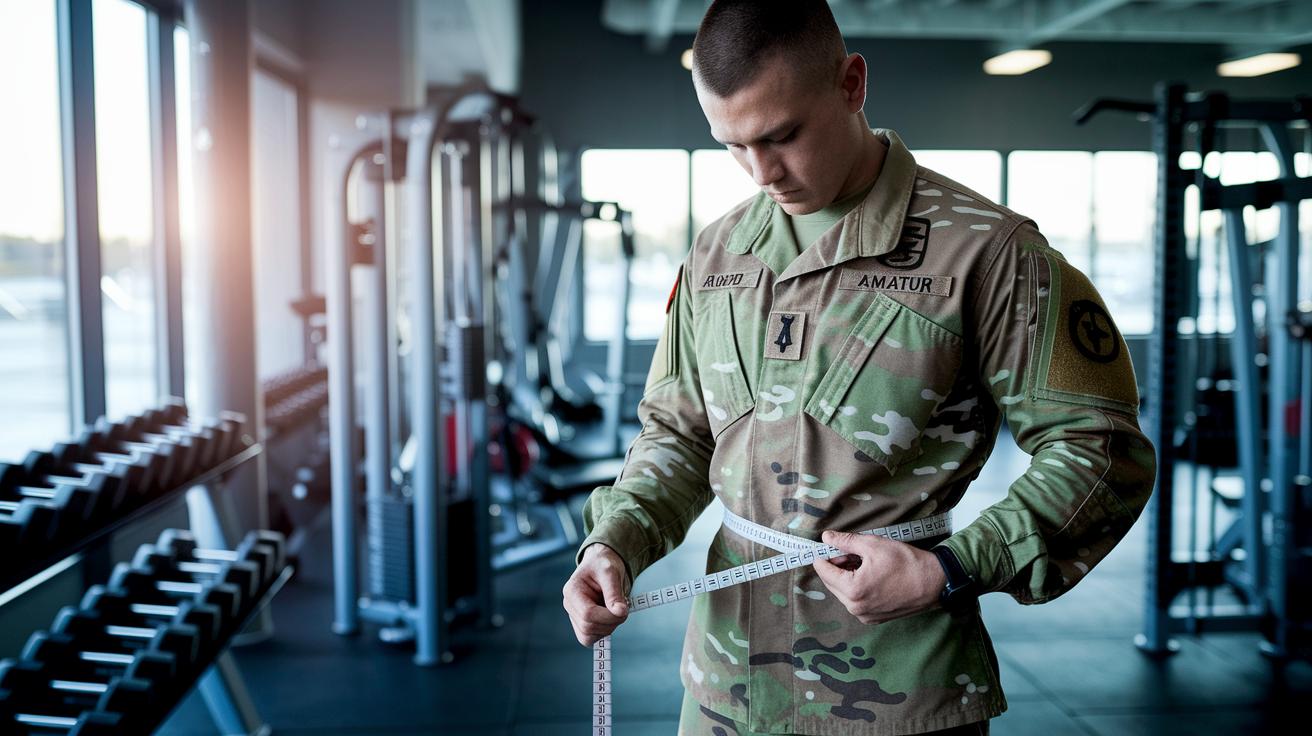
We already know about push-ups and running tests from our regular drills. Today, let’s break down how we check body composition. There are two main ways we do this. One way is using a tape measure around the waist, neck, and hips, always the same way, to keep things steady. The other way is bioelectrical impedance (a test that sends a tiny electrical pulse to estimate body fat).
Body composition matters a lot when it comes to staying mission-ready. A clear body fat reading doesn’t just show your fitness overall; it guides how you tweak your workouts. For instance, you might say, “I measured my body fat with the impedance scale early in the morning before eating,” which shows a disciplined and reliable process.
Having accurate numbers helps set your training targets and makes sure everyone can handle tough tasks. These reliable checks tell us if a soldier’s conditioning meets our standards and help build a training plan that really works.
Preparing for Your Military Fitness Assessment: Training Tips and Tools
Start by planning a workout routine that mixes bodyweight moves, short sprint runs, and strength exercises. Think of it as outlining your mission, you build up your stamina bit by bit. For example, begin with a set of push-ups that challenges you and then add a few more each week. And here's a cool fact: one recruit cut his run time by 30 seconds after just two weeks of solid training!
Next, consider using digital tools to keep your training sharp. Mobile apps and online calculators can help you predict your test scores based on reps or run times. Many apps even offer checklists to make sure you cover every event needed by your branch. Imagine your phone saying, "Based on your push-up count today, you're on track, keep at it!" That kind of instant feedback can really boost your confidence.
Also, keep track of your progress by writing down your weekly totals for push-ups, sit-ups, and run times. When you see how you improve day by day, it becomes easier to adjust your workouts. A note like, "I added five extra sit-ups this week, aiming for ten next week," can really motivate you. These simple logs help you fine-tune your routine so you’re always ready for the next challenge.
Updates and Revisions to Military Fitness Standards
The Air Force started using its current Physical Fitness Test (PFT, a test that checks how fit you are) back in 2013. Since then, every branch has reviewed their tests every 2–3 years. They’ve made small changes like updating exercise charts, adjusting body-fat limits, and tweaking the pace for runs and calisthenics. These updates help match the tests to the real physical demands on duty.
Changes have also been made to the way scores are kept for different activities and testing methods. Each branch has looked over the scoring and minimum event requirements to keep up with new research and feedback from drills. This makes sure the tests show whether a recruit is really ready for the tough challenges ahead.
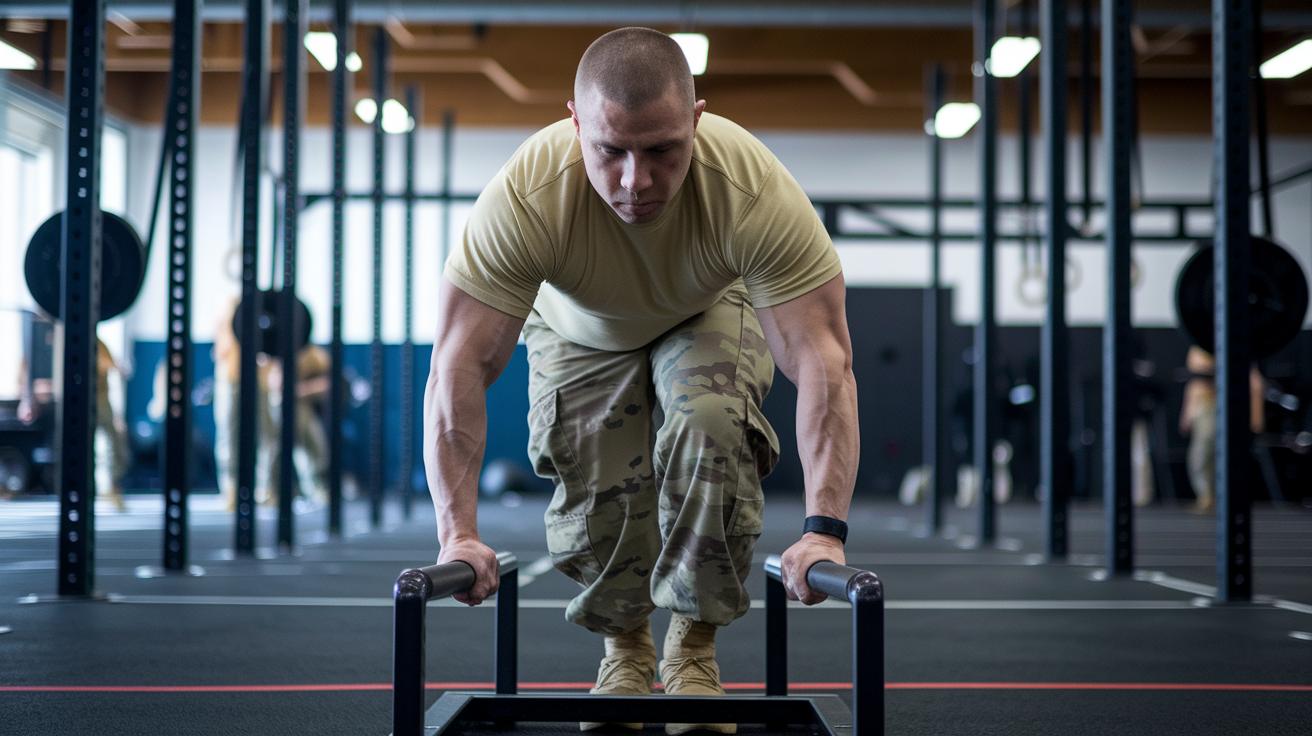
Ideas from 2020 suggest adding functional fitness exercises like sled drags and weighted carries. These activities are designed to mimic real combat tasks, giving a fuller picture of a recruit’s strength and ability. After more testing and discussions, these new events will be introduced gradually in all branches, a big step forward in making the tests more realistic and fair.
Final Words
In the action, we broke down the fitness tests for each branch, providing clear guidelines on performance metrics and scoring. The article covered branch-specific benchmarks, the need for age and gender adjustments, and practical training tips to boost both physical and mental readiness. We also looked at the updates and reviews that shape military fitness standards. Stay focused on your training routine and use these insights to build confidence as you work toward achieving your goals. Stay motivated and keep moving forward.
FAQ
What do military fitness standards for females entail?
The military fitness standards for females set age-specific performance targets for events like push-ups, sit-ups, and running. These clear benchmarks help determine overall readiness for service across various branches.
What are the Army physical fitness test standards by age?
The Army physical fitness test standards, shown on detailed charts, outline minimum push-ups, sit-ups, and 2-mile run times that adjust by age and gender to ensure fair and consistent performance measures.
What physical requirements must Army males meet?
The physical requirements for Army males include reaching designated minimums in push-ups, sit-ups, and a 2-mile run, with standards tailored by age to accurately assess strength and endurance capabilities.
How is Marine Physical Fitness test scoring determined?
Marine Physical Fitness test scoring assigns points for pull-ups (or push-ups), crunches, and a 3-mile run, with each event contributing to a total score that reflects a recruit’s overall physical preparedness.
What changes are expected with the Army Fitness Test 2025?
The Army Fitness Test 2025 introduces updated event criteria and scoring thresholds. The revisions offer new exercise benchmarks and run times designed to provide a more accurate measure of a soldier’s physical capabilities.
What do the new ACFT standards for 2025 include?
The new ACFT standards for 2025 feature modified performance targets across several events measuring strength, power, and endurance. These updated benchmarks aim to better reflect a soldier’s overall physical capacity.
What is the 2-Mile Run time requirement for the Army?
The 2-Mile Run time requirement for the Army is defined by age- and gender-specific charts. Recruits must finish within set target times to accumulate enough points for a passing fitness score.
What are the new military fitness standards about?
The new military fitness standards introduce revised scoring methods, updated event targets, and additional functional exercises, reflecting modern training needs and ensuring each branch effectively measures a service member’s physical readiness.
How many push-ups can SAS candidates perform?
SAS candidates are expected to complete a high number of push-ups, showcasing exceptional upper body strength and endurance. Although required counts vary, the tests demand consistency in form and substantial repetition.