
Ever thought about a test that shifts challenges just like a leader switching tactics on the fly? Today’s military tests are computer-based and can adjust the difficulty of questions in real time (that means the test changes based on how well you answer). This smart blend of old-fashioned scoring and digital updates makes the exam fairer and quicker for everyone who takes it. In short, it’s a fresh method that not only boosts success but also better shows your true skills.
Current Military Test Updates and Evolving Exam Trends
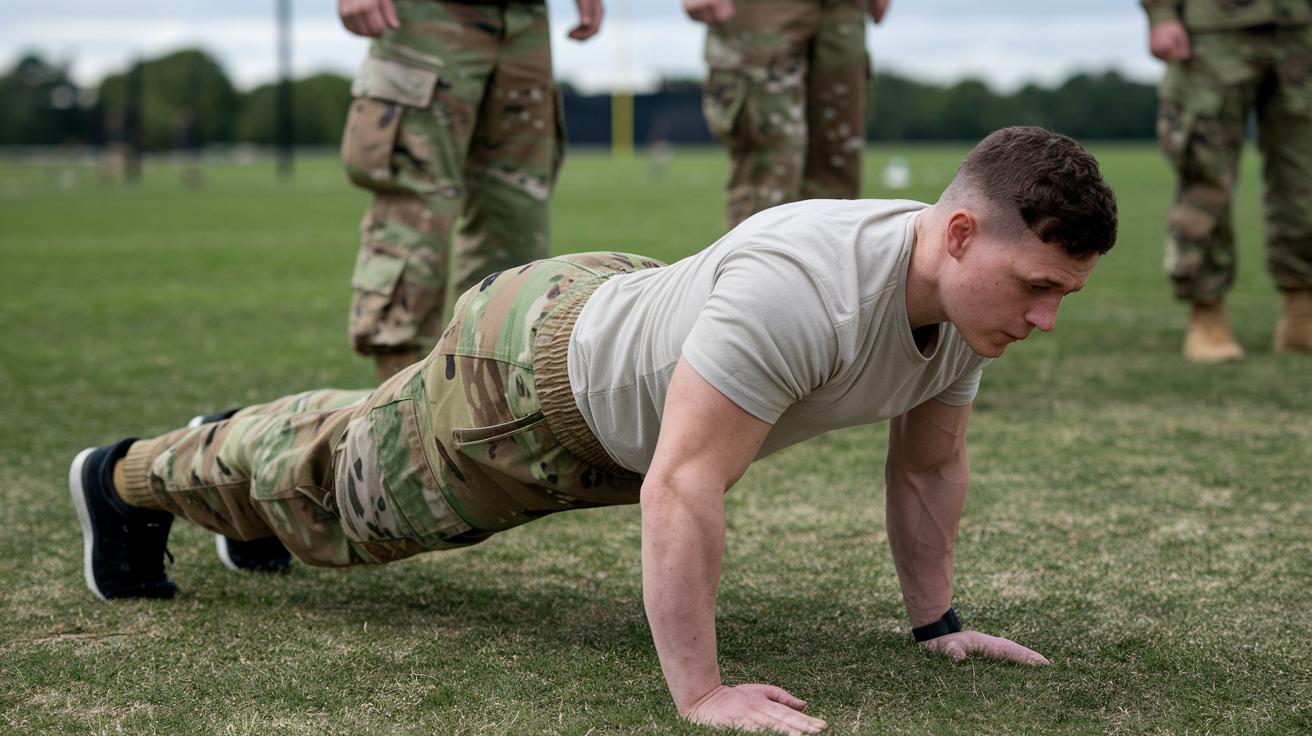
On June 1, 2025, the Army swapped its older fitness drill for a new test after going through nearly one million test entries. The updated test now has five events: MDL, HRP, SDC, PLK, and 2MR, and it scores results using Combat and General standards. Digital systems like CAT-ASVAB use smart, adaptive algorithms that change the question difficulty on the fly, just like a commander switching up a battle plan when needed.
The AFQT still uses the classic formula, AR + MK + (2 × VE), where raw scores convert into percentiles based on data from 1997. This mix of traditional and modern methods gives a fuller picture of a candidate’s strengths. The new scoring rules now play a part in who gets special technical roles and officer training opportunities.
It’s important for candidates to get these shifts, academic, physical, and digital, to meet the latest force readiness standards. For updates on cognitive testing, simply review the latest military cognitive exam info. These changes not only improve how we screen candidates but also boost our overall defense readiness.
Military Test Update Evolving Exam Trends: Sparking Success

The military now uses computer-based tests that adjust question difficulty on the fly. For example, the CAT-ASVAB tests Mathematics Knowledge (math skills) with 15 questions in 31 minutes and Arithmetic Reasoning (basic math problem solving) with 15 questions in 55 minutes. This is different from the old paper tests, which had more questions but with shorter time limits.
Word Knowledge and Paragraph Comprehension are now done in shorter, computer-timed segments. Plus, you get your score instantly along with detailed feedback, which makes the test both safe and smooth.
Key features of these digital tests include:
- Real-time question difficulty adjustment
- Automated scoring and detailed analytics
- Secure browser proctoring (keeping the test environment safe)
- Modular question banks for varied testing
- The ability to be used remotely
These upgrades help manage large test sessions and boost security. The adaptive system makes the exam fairer and gives quick feedback so you can improve. Overall, this digital approach makes it easy to update tests regularly while meeting the high standards of today’s military testing.
Reformed Screening Protocols and Modern Testing Systems in Defense
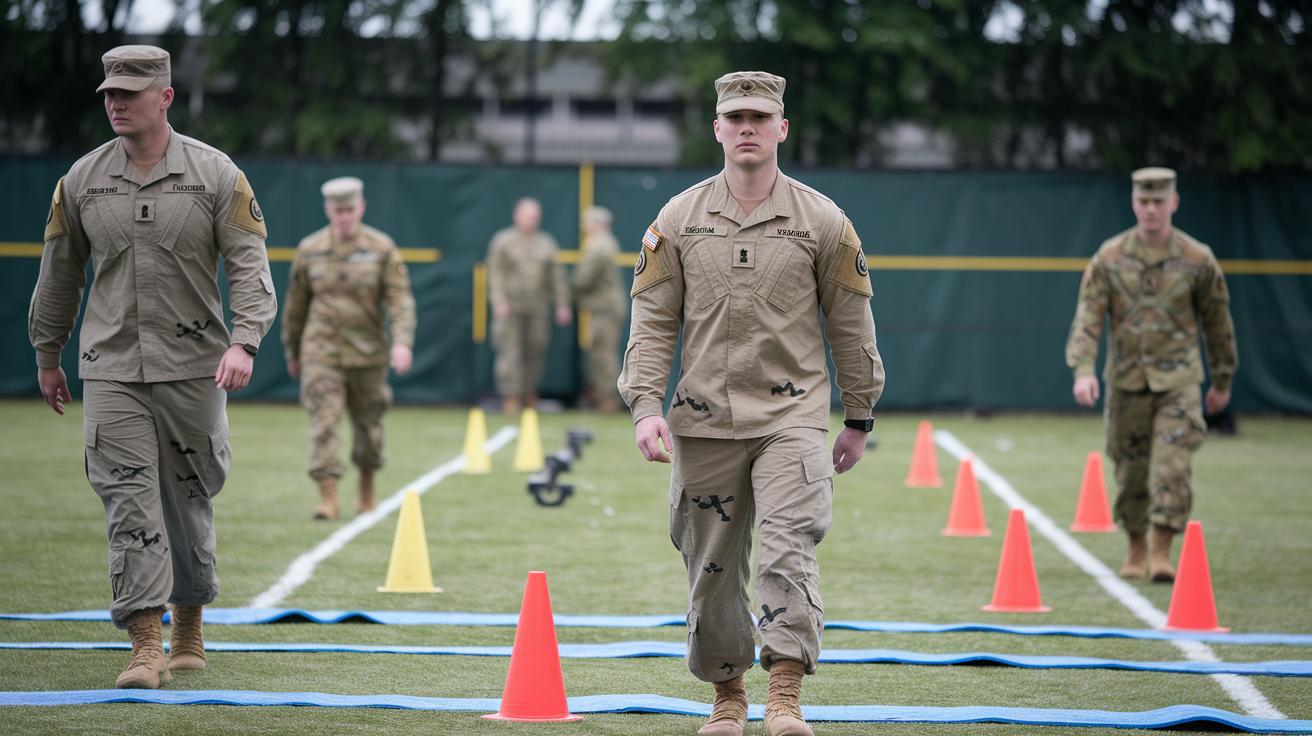
The military has recently upgraded how it checks fitness and skills. The Army Fitness Test (AFT) now comes in four parts to match real job demands and help cut down on injuries. They even removed the standing power throw because it could cause extra strain. Until September 30, 2025, your AFT score will help with promotion points, so consistent performance really counts.
Below is an HTML table showing the AFT phases:
| Phase | Date Range | Scope |
|---|---|---|
| Phase 1 | June 1, 2025–Aug 31, 2025 | Active Component initial rollout |
| Phase 2 | Sept 1, 2025–Dec 31, 2025 | Voluntary Combat MOS reclassification |
| Phase 3 | Jan 1, 2026–May 31, 2026 | Mandatory reclassification Active Component |
| Phase 4 | June 1, 2026–Ongoing | Reserve & National Guard |
Updated scoring now separates Combat and General standards. This means they value the tactical fitness needed for tough missions. If you score lower, you might have to test again, while meeting the Combat mark sets you up for more challenging roles. All these changes help match testing methods with what you face on the field and keep everyone ready for whatever comes next.
Evolution of Question Formats and Adaptive Testing Methodologies

AFQT Calculation and Question Shifts
The AFQT still calculates scores with a simple formula: AR + MK + (2 x VE). In plain terms, your raw scores turn into percentiles for comparison. Now, you might notice new scenario-based questions (questions built around realistic situations) taking the place of old, static multiple-choice items. Imagine being asked, "How would you allocate resources during an unexpected supply shortage?" It’s designed to see how you solve problems in the field rather than just testing rote memory. Also, multimedia features like images and short video clips now help to set the scene and make the questions clearer, much like you’d see visuals during a training drill.
Analytics-Driven Item Selection
Data analytics now play a crucial role in shaping the exam. Think of it like a seasoned instructor reviewing every part of your performance. Statistical models watch how each question fares with candidates to ensure fairness and the right level of challenge. In other words, by looking at how different groups do on each question, designers are able to adjust the pool of questions so it remains balanced and reliable. This approach not only makes the test more accurate at predicting how you’d handle mission-critical tasks but also helps to keep the exam up-to-date with the ever-changing demands of field work.
Emerging Evaluation Trends and Implications for Candidates
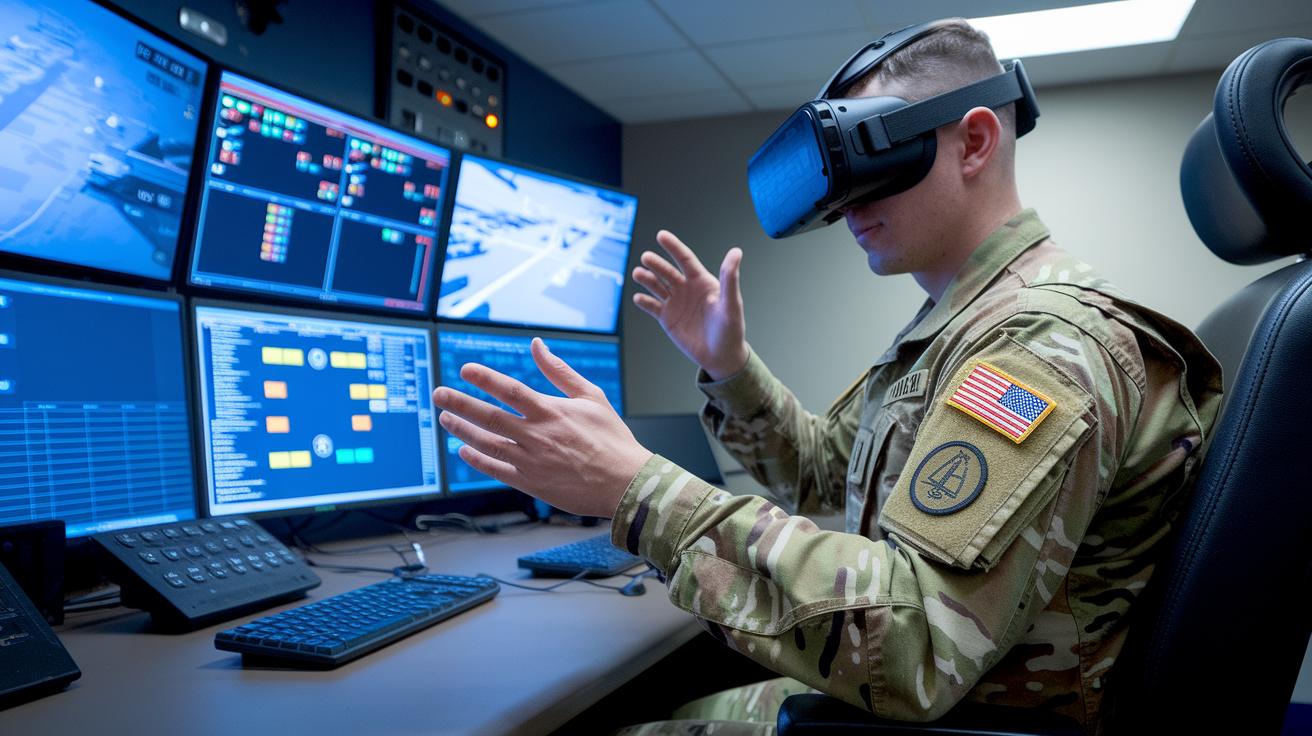
Military branches are trying out new tools that mix realistic simulations with remote identity checks. Imagine stepping into a virtual world that copies real-life missions, you feel the stress and excitement of making quick decisions, just like during a high-pressure drill. These tests go beyond regular written exams, letting you show off skills in a practical, hands-on way.
Remote proctoring is also stepping up. Instead of always testing in a controlled room, smart AI helps check your identity, so you can take tests in places that feel safe and familiar. New secure systems cut down on cheating and even give instant feedback on your performance. It may help to practice using these digital platforms so you build your confidence and adapt to the new style of testing.
Performance tests are getting better, too, and they favor candidates who can roll with the changes quickly. Keeping up with these trends means you’ll be ready for technology-driven exams. For more info on simulation-based assessment implementations, check out military simulation tests (https://militaryaptitudetests.com?p=699). Embracing these advances now can sharpen your skills to meet the demanding needs of modern military roles and prepare you for future updates.
Final Words
In the action, we reviewed how tests are reshaping to suit today’s military demands. Recent shifts include new fitness events, digital exam delivery with real-time scoring, and a refreshed cognitive evaluation (a test of how well you think).
New screening phases and adaptive techniques highlight modern tools like VR scenarios and remote proctoring.
This military test update evolving exam trends builds clear paths for readiness, boosting confidence for every candidate. Keep moving forward with determination and optimism.
FAQ
Q: What is the current status of military recruitment, including possible shortages and force growth trends?
A: The question indicates challenges with recruiting as services work to meet targets amid shifting force sizes. Modern digital assessments and outreach efforts aim to bolster recruitment and adapt to evolving needs.
Q: Has military standards been lowered, particularly for women, in 2024?
A: The question examines if standards have lowered. Recent reforms focus on updated test formats and robust assessments that maintain readiness for all personnel regardless of gender.
Q: Is the ACFT or Army PT test changing in 2025?
A: The question reviews test changes. The Army recently introduced a reformed fitness test that replaces the ACFT, featuring new events and scoring systems designed to match mission requirements and improve safety.
Q: What are the top three trends in the military?
A: The question spotlights trends such as the shift to digital, adaptive testing, and simulation-based evaluations. These trends enhance candidate readiness with modernized, flexible assessment methods.
Q: Is the Air Force moving to a two-mile run for its fitness test?
A: The question investigates Air Force test formats. Current discussions show no confirmed move to a two-mile run, as the service continues reviewing fitness test criteria based on operational needs.