
Have you ever thought a quick body check might stop injuries before they even start? Functional Movement Screening (FMS) is a short test (it checks how well you move) that finds issues with balance and flexibility before they lead to pain or lost training time. In our tough military world, this check gives you a clear picture of how every soldier moves. It’s a key tool to boost readiness and performance. By catching problems early, FMS helps every service member stay strong and ready, even when challenges get hard.
Functional Movement Screening’s Role in Military Readiness

FMS is a step-by-step system that checks seven everyday movement patterns. It helps spot problems with balance, flexibility, and smooth motion so we can fix them before they turn into injuries. It's a key tool in our combat readiness checks, making sure every soldier’s body works at its best. By watching how the whole body moves, FMS gives us a clear picture of any issues, which is essential for peak performance in tough conditions.
We use FMS regularly during training. Soldiers take mobility assessments to see where they stand and to highlight areas for improvement. Sometimes, a tactical agility test is added to check quick reactions and coordination under pressure, which directly boosts combat readiness. Research with U.S. Army Pre-Ranger candidates shows that this screening finds imbalances before they cause setbacks in challenging physical and mental drills. By keeping an eye on progress and recommending fixes, military units can maintain strength and endurance while lowering injury risks during missions and field exercises. All in all, FMS is a vital tool that keeps our troops nimble and ready for action at all times.
Key Components of Functional Movement Screening for Soldiers
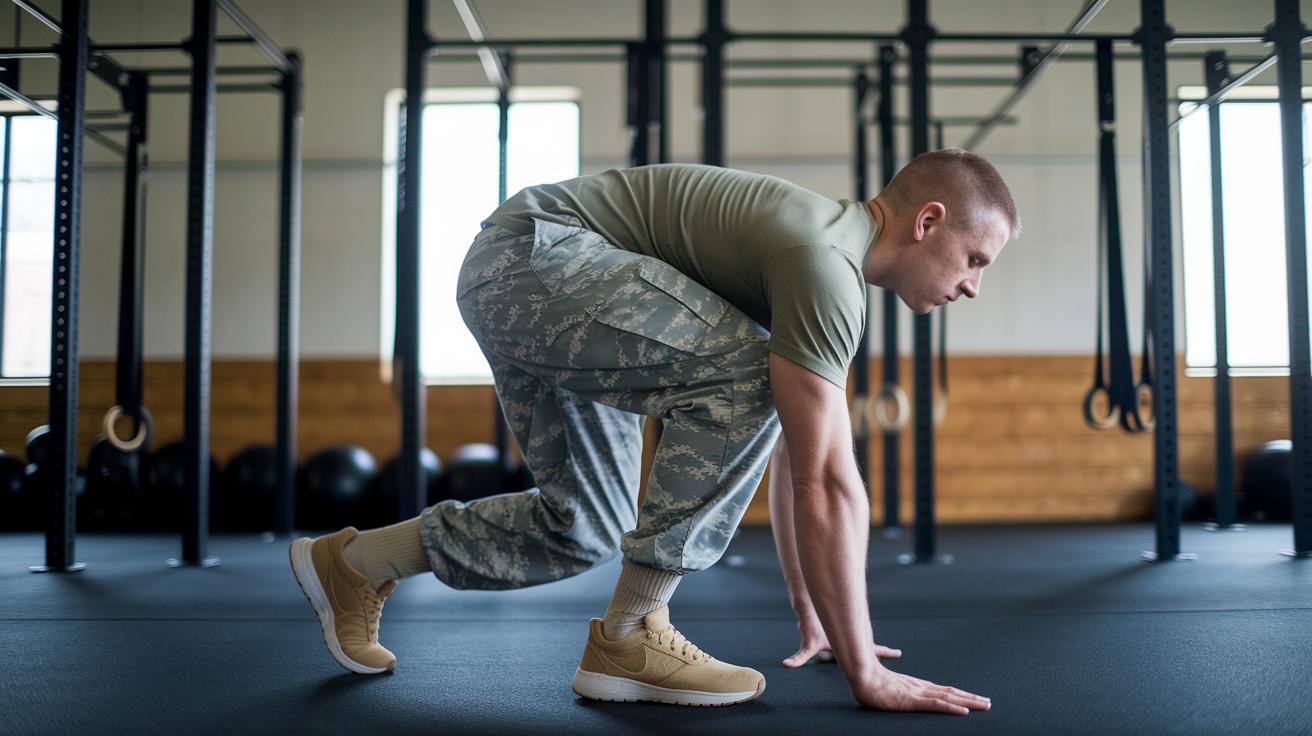
Every soldier needs a good movement checkup to make sure they're ready for action. This screening looks at how you move to spot any weak spots in your body and helps guide you on what to work on. It takes a close look at each pattern to catch any uneven moves that might slow you down during a mission.
These tests form a clear picture of your overall coordination and mobility. By adding these checks into training, we can see how well you're doing everyday movements. We use a simple scoring system, from a perfect move scored as a 3, to a move with some compensations scored as a 2, a move you can’t finish scored as a 1, or a move that brings pain scored as a 0. This feedback helps us pinpoint what needs fixing to boost overall readiness.
- Deep Squat – This test checks your lower-body strength and joint mobility. You perform a controlled squat to see how well your legs and hips work together.
- Hurdle Step – Here, you lift one leg to step over an imaginary barrier. It’s all about balance and coordination.
- In-Line Lunge – This move focuses on how straight your body stays while lunging, testing the strength in your legs and core.
- Shoulder Mobility – This check sees how flexible your shoulder joints are, which is key for upper-body tasks.
- Active Straight-Leg Raise – This test measures the balance between hamstring flexibility and core stability by raising one leg.
- Trunk Stability Push-Up – Here, you do a push-up focused on your core, checking how steady your trunk is.
- Rotary Stability – Finally, this test looks at how smoothly your upper and lower body work together during a twist.
Performance and Injury Prevention Benefits of Military FMS

FMS helps lower the risk of injuries by spotting movement imbalances and weak spots. When these issues come up early, teams can use exercises to boost balance and movement. It’s like doing a quick check before a long march, you fix what’s off before it becomes a problem. One study with U.S. Army Pre-Ranger candidates showed that soldiers with higher FMS scores developed better movement habits and had fewer breaks in their training.
The information from FMS also acts as a performance gauge for soldiers. This data guides custom exercise plans aimed at fixing specific movement issues. It does more than reduce injuries; it also helps track overall military strength. Commanders use these scores to watch trends and adjust training routines. Regular FMS checks are key to making sure every soldier is ready for the physical demands of duty while keeping setbacks at bay.
Case Study: FMS with U.S. Army Pre-Ranger Candidates
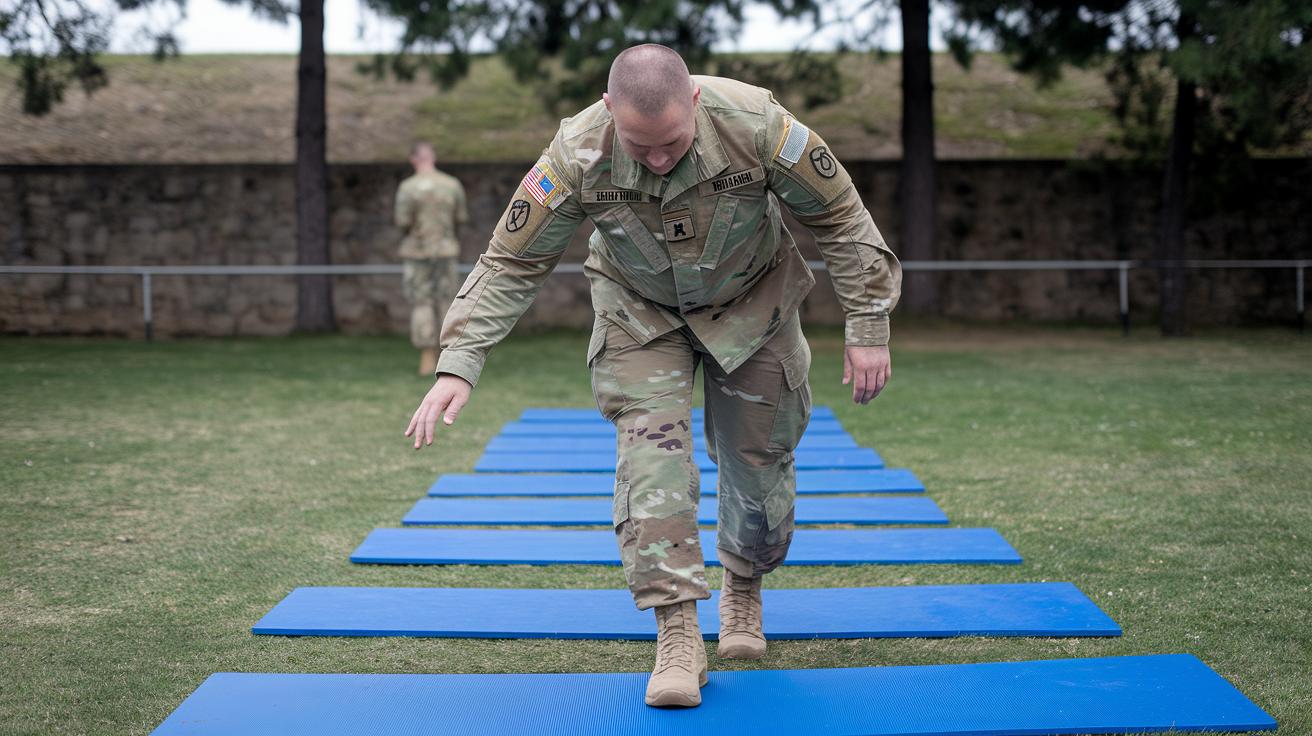
This study checked how U.S. Army Pre-Ranger candidates performed on a seven-pattern screening that spots movement imbalances and mobility gaps. The screening acted like a simple coordination drill, using basic warrior movement checks to uncover issues such as low balance scores or struggles during endurance tests. For example, when one candidate fell below the required balance score, his chance of training setbacks rose by 25%.
The review then compared two groups. One group followed a special corrective exercise plan based on their flexibility scores, while the other did not. The data showed that those who received tailored training saw about a 20% drop in injury rates. One candidate, for instance, boosted his movement quality by focusing on stability drills, and his risk of training interruptions dropped by 15%. This shows that using FMS can help catch problems early and improve overall training performance.
Implementing FMS Protocols in Military Training Programs
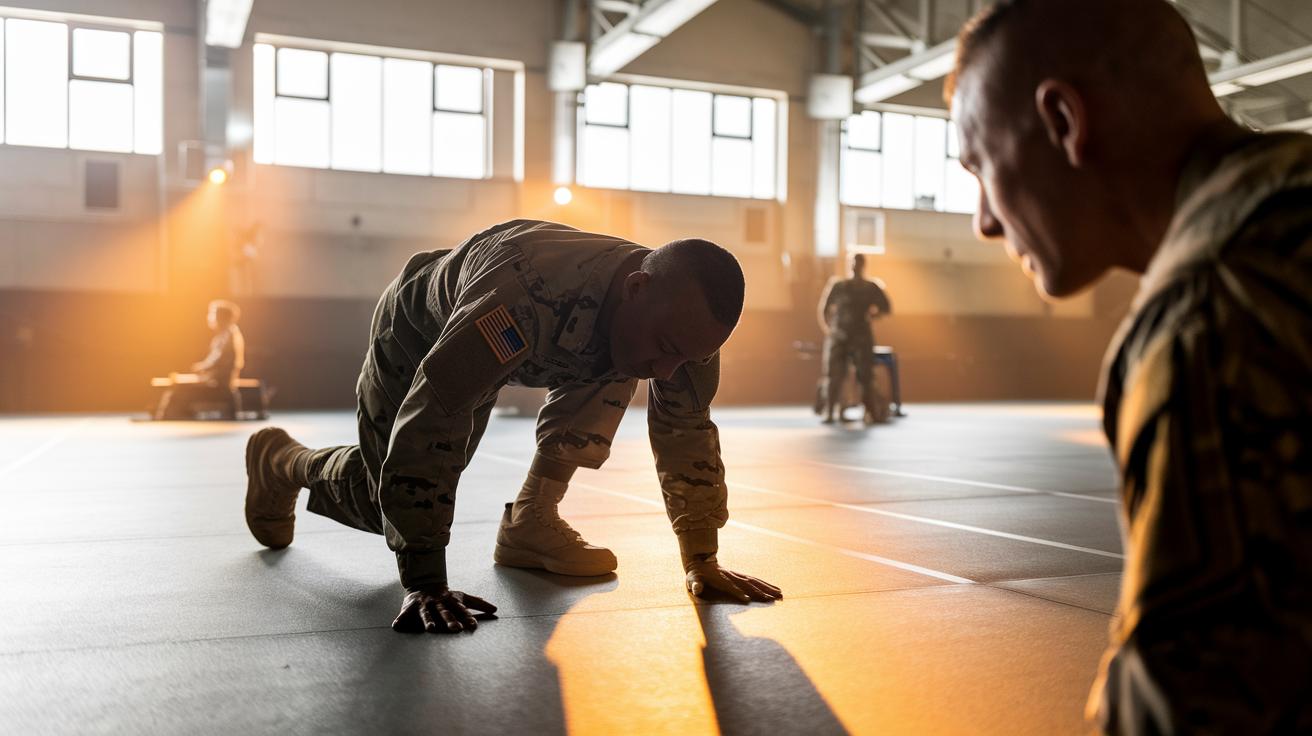
Integrating FMS (functional movement screening, a simple check of how you move) into military training can really change how we test defense skills. Units can add FMS into their regular physical tests and special courses. Think of it as a detailed army flexibility exam that looks at both strength and smooth movement. For example, you might run this test during a joint fitness check to see how every soldier performs in real-life situations.
A key part of this plan is picking and training evaluators. Certified experts are a must to keep every test consistent and follow a set plan. Run the screening before and after training cycles, it acts like a tactical checkup that shows where corrective exercises might be needed if there are any movement imbalances or limitations.
Regular screening sets up a clear picture of performance over time. With scheduled checks, any issues stand out, allowing commanders to quickly start corrective exercise routines. Every score from the test guides recovery strategies to fix specific stability and mobility gaps.
Follow this step-by-step plan for successful FMS integration:
| Step | Action |
|---|---|
| 1 | Choose and train evaluators for consistent testing. |
| 2 | Set up regular screening sessions as tactical checkups. |
| 3 | Use standard FMS tests that act like an army flexibility exam. |
| 4 | Review scores and spot any imbalances during performance checks. |
| 5 | Start corrective exercises based on screening results. |
| 6 | Re-test to measure progress and adjust training. |
This organized plan not only builds a strong operational test system but also boosts overall readiness and supports constant improvement in every military training program.
Challenges and Best Practices for Military FMS Adoption
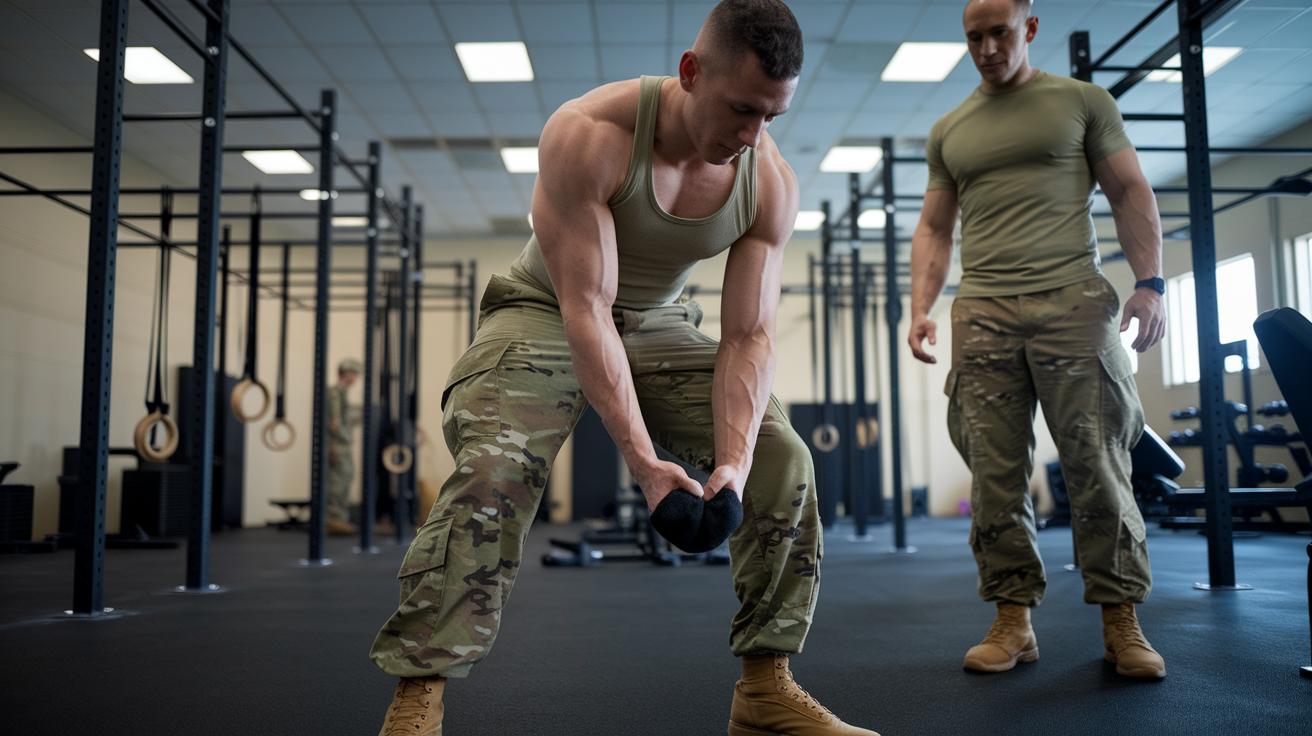
Meeting the demands of a strong functional movement screening program means we must face personnel and scheduling challenges head-on. We need qualified evaluators who stick to the FMS protocols (step-by-step procedures for screening) because if the data doesn’t match up or assessments feel rushed, our results can suffer. Busy training schedules often leave a small window for evaluations, so we have to focus on the parts of our training cycle that carry the most risk.
Scheduling is often a real headache, especially when units are deep in exercise routines. For service agility and army coordination tests (exams that check how quickly and accurately soldiers move), it's important to book them at times when soldiers can safely and properly demonstrate their skills.
To overcome these issues, we can mix in leadership development with recovery strategies that use FMS data to guide our next steps. This organized tracking, with regular rankings, helps commanders spot areas where soldiers and units improve or fall behind over time.
Follow these best practices:
- Train evaluators rigorously so that every screening stays consistent.
- Set screening sessions during periods of lower activity.
- Regularly review and analyze scores for timely intervention, including trooper agility benchmark checks.
These practices not only boost individual soldier readiness but also strengthen unit-wide performance.
Final Words
In the action, we reviewed how functional movement screening lays the groundwork for military readiness. We broke down key movement patterns, discussed combat readiness checks, and looked at injury prevention strategies. Regular screenings help spot asymmetries early, guiding corrective steps that boost both physical fitness and overall performance. The real-life study with U.S. Army Pre-Ranger candidates shows that consistent assessments can lead to better outcomes. Keep pushing forward with functional movement screening in the military and stay mission-ready.
FAQ
Q: What resources are available for functional movement screening in the military, like PDFs, PPTs, or from 2021?
A: The functional movement screening documentation in the military appears in various formats such as PDFs, PPTs, and reports from 2021, offering easy-to-understand overviews and implementation tips for reducing training injuries.
Q: What does FMS stand for in the military?
A: The term FMS stands for Functional Movement Screen, a series of tests that assess key movement patterns to spot imbalances and reduce injury risk among service members.
Q: What is a functional movement screen or test in the military?
A: The functional movement screen in the military is an evaluation that reviews seven core movement patterns to highlight areas where stability or mobility may be lacking, guiding tailored corrective actions.
Q: What are the seven functional movement screening tests?
A: The seven tests include the deep squat, hurdle step, in-line lunge, shoulder mobility, active straight-leg raise, trunk stability push-up, and rotary stability, which together help pinpoint movement imbalances in soldiers.