
Have you ever thought that your recovery might be just as important as the workout itself? Military training pushes you to your limits, so every second of rest counts.
After heavy drills and long runs, using ice, stretching, and staying well-hydrated can turn muscle fatigue into real strength. It’s like giving your body a chance to bounce back quickly before the next round of drills.
Think of it this way: recovery can be the difference between being sidelined and being fully ready to face your next challenge.
Key Components of Military Workout Recovery Strategies
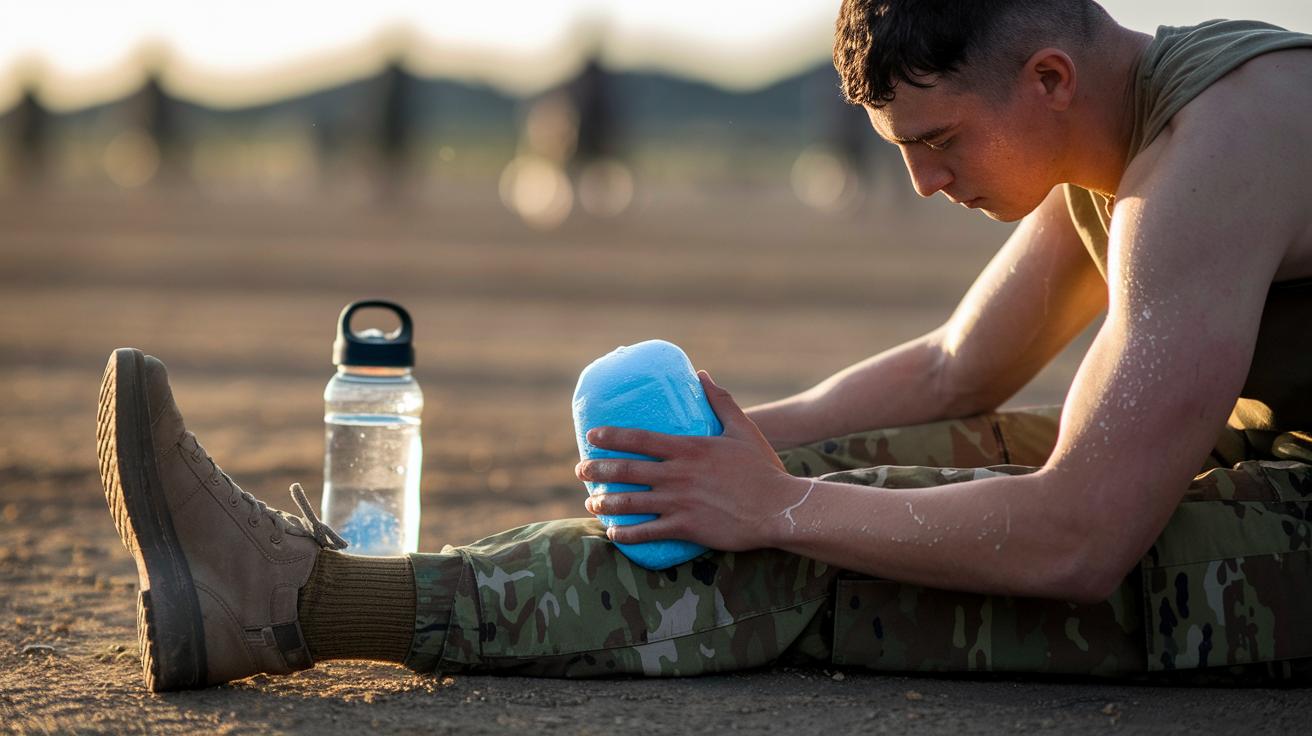
Military training really pushes your body to the max. You run long distances with heavy backpacks, tackle obstacle courses, and lift weights that strain your muscles, joints, and tendons. Recovery isn’t just about easing pain, it’s a vital step in building real strength and resilience.
After a tough workout, soldiers use a mix of recovery methods to help their bodies bounce back fast. They might use ice to calm down swelling, do physical therapy (exercises that help you move better), stretch out tightly wound muscles, drink plenty of water to avoid cramps, and take regular rest days. For example, after a heavy weighted run, a soldier might take a few minutes to stretch and hydrate, giving their body a quick reset.
These cool-down routines are designed to prepare you for the next round of hard exercises. They help lower your heart rate and clear out waste from exercise so that essential nutrients can reach tired muscles faster. Soldiers mix active recovery, like a gentle jog or some mobility drills, with rest in a cool space. This gradual transition helps the body shift from peak exertion back to a calm state.
Keeping a balance is key in military workout recovery strategies. Watching how hard you train and how well you recover can help you plan routines that prevent injuries and keep you in top form, even over long cycles that sometimes last 12 weeks or more. Combining structured recovery with focused high-intensity techniques gives your body the steady repair it needs for lasting success.
Active Rest and Mobility Drills in Military Workout Recovery Strategies

After a grueling workout, giving your body a bit of active rest can really help you bounce back. Try some low-key moves like an easy jog or gentle body stretches. These activities get your blood pumping, clear out the fatigue, and ease that muscle tightness. Plus, they bring fresh oxygen and nutrients straight to tired muscles.
A smart move is to follow your main workout with dynamic stretching. Picture wrapping up a heavy set of lifts, then switching to leg swings and arm circles. These movements help your body shift smoothly from high-intensity work to a relaxed state, making your cooldown feel natural and effective.
Don’t skip out on joint mobility drills either. Even simple rotations for your hips or shoulders keep your joints flexible and working well. By adding these drills into your daily routine, you boost your overall fitness and stay ready for your next challenge.
Remember, staying cool with active recovery can make a big difference when gearing up for your next tough session.
Nutritional Support for Military Workout Recovery Strategies

Eating the right foods helps your body bounce back after a tough workout. A meal packed with good protein, whole grains, and healthy fats acts like a repair squad for your muscles and energy levels. For example, a soldier might grab a lean turkey sandwich on whole-grain bread after an intense session to kick-start muscle repair and refill energy stores.
The plan starts with protein. Foods like chicken, fish, or a protein shake give you the amino acids (the building blocks for muscle repair) needed for rebuilding damaged muscle fibers. They even come with natural branched-chain amino acids that speed up muscle recovery. And don’t forget about carbohydrates, they provide steady energy so your muscles can repair and refuel.
Staying hydrated is just as critical. Drinking plenty of water and electrolyte-rich fluids helps prevent cramps and keeps your mind clear during recovery. Good hydration ensures your cells work well and cuts down the risk of heat exhaustion.
On top of that, including anti-inflammatory foods like salmon or walnuts (loaded with omega-3 fatty acids) can ease post-workout soreness. Combining these nutritional strategies creates a full repair toolkit, keeping you mission-ready for your next challenge.
Sleep Optimization in Military Workout Recovery Strategies

Keeping a steady sleep schedule is essential. Most soldiers aim for 7 to 9 hours of sleep each night, even though working different shifts can make it tough. A solid sleep routine helps your body fix itself naturally, keeps your hormones balanced, and repairs your nervous system (the body's wiring system). Imagine setting your alarm for a 6:30 AM wake-up, just like planning a mission so your body knows exactly when to rest and when to get up.
Creating a good sleep environment is just as important. A cool, dark, and quiet room tells your body it’s time to power down. Try winding down with a bit of reading or some gentle stretches before bed. Think of it like a calm debrief after a long day, steady, simple, and focused. Stick with this routine because even a small mistake can throw off your body's natural clock, making it harder to recover properly. By fine-tuning your sleep habits, you'll give your body the boost it needs to be ready for each new challenge.
Cold and Heat Therapy in Military Workout Recovery Strategies

When tough training leaves your muscles screaming, a good ice bath could be the answer. Soldiers often jump into ice baths immediately after intense sessions to drop inflammation and ease soreness. Think of it like a quick pit stop that helps your body repair itself fast.
Another method you might try is contrast water immersion. This means switching between cold and warm water, like dipping into a cold pool followed by a warm shower. Doing this boosts blood flow, clears out toxins, and brings fresh oxygen and nutrients to tired muscles. It’s like giving your body a reset after a hard drill.
Heat therapy also has its place. Spending a few minutes in a sauna can relax tight muscles and open up blood vessels so that toxins can leave your body more easily. The warmth soothes stiff joints and readies you for the next challenge.
Each of these recovery techniques plays a unique role, helping you bounce back after workouts while keeping you mission-ready. Combining both cold and heat treatments can reduce muscle stiffness and inflammation more quickly, so you stay fit and ready for action every day.
Self-Myofascial Release and Foam Rolling in Military Workout Recovery Strategies

After a tough training session, try using self-myofascial release and foam rolling to ease muscle tightness and help with soreness later on. These methods use steady pressure to let go of stubborn knots (small, tight areas in your muscles) so your muscles stay flexible and ready for the next drill. For example, after a heavy strength workout, you might roll out your quads and hamstrings, kind of like how a mechanic oils an engine to keep it running smoothly.
Foam rolling works like hitting the reset button on your muscles. It helps restore your muscles so they can move freely and reduces the aching that comes after a hard workout. You can also mix in percussive therapy tools or self-massage gadgets to ease that tightness even more, speeding up your recovery process. Many soldiers find it helpful to use these techniques right after a high-intensity session.
Benefits include:
- Reduced muscle tightness
- Relief from post-workout muscle soreness
- Better joint movement
- Increased blood flow to the muscles
Try ending your workout with a short foam rolling session. Spend two to three minutes on each major muscle group to keep your body in balance and mission-ready after every intense drill.
Injury Prevention and Overtraining Defense in Military Workout Recovery Strategies

Smart planning is your first move in building strength and resilience. Gradually bumping up your training intensity and volume can cut down the risk of injuries, both the quick setbacks and the long-haul wear and tear. A solid warm-up gets your muscles and joints ready, like a quick drill before a big mission, so you don’t end up with pain that drags you down later.
Mixing in some cross-training is another great tactic. Switching things up, say, trading a run for strength drills, gives your muscles a much-needed break and helps keep overuse injuries at bay. This plan works hand in hand with periodization (a training method that builds in recovery time) to let your body recharge after intense sessions.
Also, adding strength and conditioning sessions boosts your overall durability. Always keep an ear out for what your body is telling you; if something feels off, it might be time to adjust your routine. And if you need a structured plan, check out a military fitness program that balances hard work with proper recovery at https://militaryaptitudetests.com?p=77. Balancing these elements helps keep you mission-ready while steering clear of overtraining and injury.
Monitoring Recovery with Technology in Military Workout Recovery Strategies

Wearable recovery monitors are now a big help in keeping track of how your body bounces back after a tough drill. They check your heart rate variability (basically a look at how your body handles stress) so you can see how well you're recovering. The data gives you clear info on your sleep quality and daily activities, making it easier to know when you need some downtime to rebuild strength.
Tech now offers real-time feedback, almost like having a checkpoint on the field. Picture a gadget that warns you if your heart rate isn’t dropping as it should after a run, it tells you to ease off or switch to an active rest. This immediate update helps you adjust your training on the fly, keeping your recovery on target.
Soldiers use this data to pick the best rest intervals and tweak their workout intensity. It’s a modern way to fine-tune your recovery plan with clear insights that show exactly what your body needs next.
Final Words
in the action, this article broke down key recovery steps after tough military workouts. It covered cooldown routines, active rest drills, solid nutrition, and sleep patterns that support muscle repair. It also looked at cold and heat therapies, self-myofascial release, and methods to prevent overtraining. Technology also plays a role in tracking your progress. By applying these military workout recovery strategies, you'll keep your body sharp and ready for any new challenge. Stay resilient and keep pushing forward in every training session.
FAQ
How to recover from military training?
Recovering from military training means using active rest and mobility drills, proper nutrition including protein, quality sleep, and targeted therapies like ice baths and sauna sessions to boost muscle repair and ease post-workout soreness.
What is the 12 minute military workout?
The 12 minute military workout involves a high-intensity routine of bodyweight exercises such as push-ups, sit-ups, and short sprints designed to build endurance, strength, and overall combat readiness.
What is the best workout routine for the military?
The best workout routine for the military combines strength training, cardiovascular work, and flexibility drills, balanced with recovery protocols like dynamic stretching and adequate rest to support long-term performance and resilience.
At what age does recovery slow down?
The age when recovery slows down typically starts in the early 30s, with muscle repair taking longer and the body requiring adjusted workout intensity and more focused recovery strategies to avoid injury.