
Have you ever thought that a few smart steps could turn exam prep into a winning mission? When you set clear goals and plan each study session, even the tough topics become manageable. It’s a bit like planning a tactical move on the field, every focused study block moves you closer to success.
In this guide, you’ll find practical tips to boost your confidence and help you score high on your exam (a test of your knowledge). Stick with me as we break down a step-by-step plan that turns studying into a series of well-organized missions.
Overview of Military Written Exam Preparation Strategies
When you’re getting ready for military written tests like the ASVAB, having a clear plan is key. Think of your study schedule as your mission plan: each session targets specific skills, from math and science to English and technical subjects like mechanics (how machines work) and electronics (how electrical circuits function). Your final score is based only on right answers, so there’s zero penalty for guessing.
Start by setting solid goals. For example, you might decide, “Today I’m breaking down a tricky math problem step by step.” It’s a bit like plotting out a tactical move on the field.
The best strategy is to begin your preparation weeks or even months ahead. Create a study schedule with clear milestones and planned breaks. This way, you can cover every subject area and revisit tough topics.
Here are some simple tips:
| Tip | What to Do |
|---|---|
| Set Goals | Decide what to focus on in each study session |
| Practice Tests | Use them to find and improve weak spots |
| Deadlines | Mark your progress like a mission timeline |
| Regular Reviews | Adjust your study plan as needed |
This step-by-step, disciplined study plan mirrors military tactics and builds confidence for test day. Each study session moves you closer to success. So, gear up, stay focused, and keep pushing forward, you’re well on your way to nailing that exam!
Structured Study Schedule for Military Written Exam Success

Plan your study sessions like you’re gearing up for an important mission. Start by setting up a regular study calendar with clear goals and timed blocks. For example, you might say, "Today I'm focusing on math problem-solving, just like sharpening a tactical skill." This clear aim lets you track progress without getting lost in general advice.
Begin each session with a brief self-quiz (a quick test to find out where you need more work). Then, plan your study time based on what you learned. For instance, spend 45 minutes on a challenging topic and follow that with a short break. This routine keeps your focus sharp and builds steady momentum.
- Set clear goals for every study session.
- Dedicate 45 minutes to focused study, then take a quick break.
- Start each session with a brief review.
- Create deadlines to master key concepts.
Stick to your schedule like it’s your daily drill. Keep checking your progress and adjust your calendar as needed to spend more time on tough subjects. This smart approach prevents overlapping study strategies and keeps you on track for exam success.
Military Written Exam Format Familiarization
The ASVAB exam splits into different sections that test skills in areas like verbal, math, science, and technical subjects. Each part uses multiple-choice questions, and there’s no penalty for guessing, so don’t worry if you’re not sure of an answer. It helps a lot to know how much time you have for each section, imagine having 20 minutes to answer 30 questions, so planning to spend about 40 seconds on each one can keep you on track.
Make sure to read every instruction. Rushing through the directions can lead to small mistakes, much like skipping a gear check before heading out on a mission. Here’s a quick checklist to ensure you’re ready for the exam:
- Get familiar with the overall test format.
- Know the time limits for each section.
- Practice with similar multiple-choice questions.
- Read all instructions carefully.
- Keep an eye on the clock during the test.
Reviewing the test layout like this can make you feel more prepared and steady on exam day. With a sound grasp of each subtest and smart time management, you can tackle the exam confidently, just as you’d approach a well-planned mission under pressure.
Quality Study Materials and Practice Tests for Military Exams
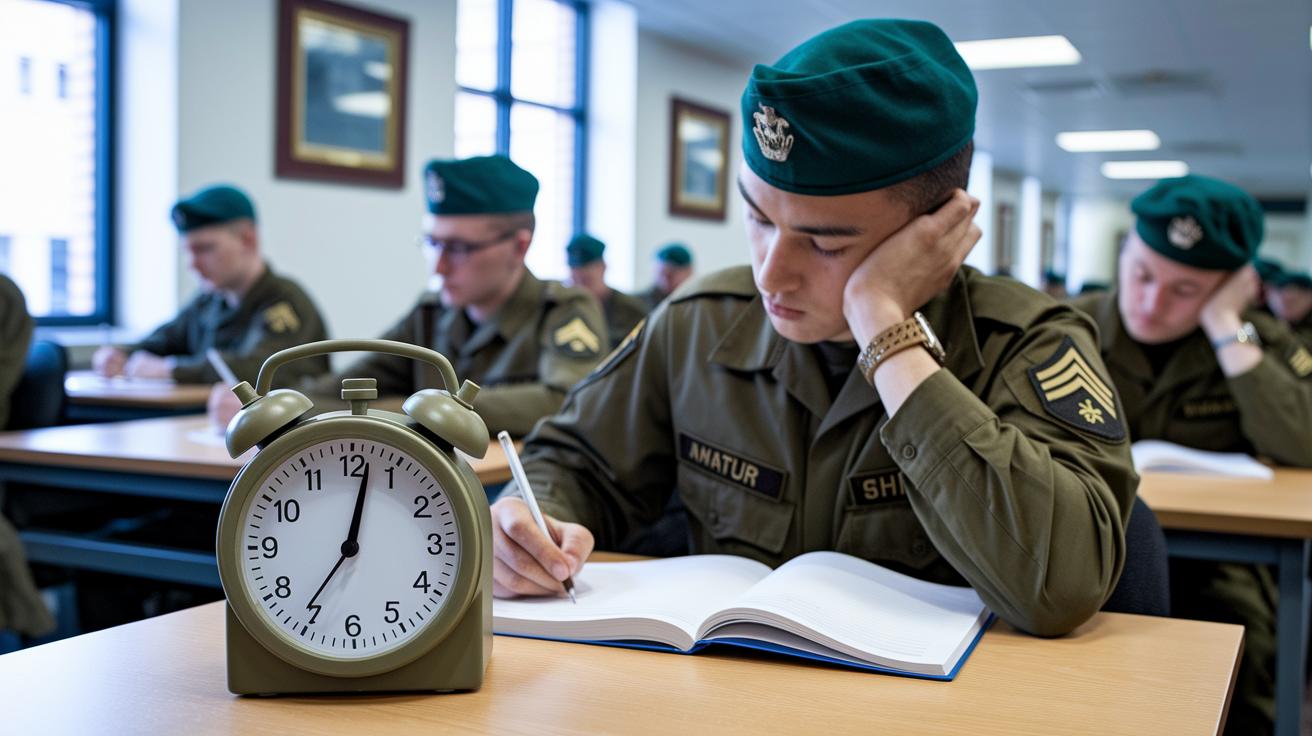
Using up-to-date, trusted study guides and online tools is key for solid exam prep. These resources line up with what you'll see on test day, whether it’s math, science, or technical skills (skills you need to get the job done). When your study materials are fresh, you’re less likely to be surprised when the clock starts ticking.
Think of setting up your study routine like a series of mission drills. Schedule full-length, timed practice tests that mirror real exam conditions. This approach not only builds your stamina but also trains your mind to focus under pressure, just like getting ready for a big exercise. For example, you might say, "I take a full practice test every weekend to boost my test stamina."
Mix in some targeted quizzes to sharpen your weak spots. Sites like Chegg, Quizlet, and Study Buddy offer quick drills that help lock in your learning. A good tip is to run through a set of quiz questions after tackling a tricky topic, so you can check whether you’ve really grasped it.
By pairing fresh study guides with regular, timed practice, you build a strong, comprehensive plan. Track your progress, tweak your focus as needed, and stick to a disciplined routine. And if you need more guidance, check out solid military test strategies. This all-around approach keeps you ready for whatever the exam throws your way.
Time Management and Mental Preparation for Military Written Exams
When you're preparing for your exam, having a set routine is as important as following a mission plan. Don’t leave everything until the last minute. Instead, plan your study sessions like you would plan a drill, maybe two hours of focused review followed by a short break, just like switching between active duty and downtime.
Good sleep and a healthy meal are must-haves before exam day. Think of it as fueling up your vehicle, when you're well-rested and nourished, every part of you is ready to perform at its best.
During your study sessions, try adding a bit of mindfulness. Pause for deep, slow breaths or a quick meditation break. It’s like doing a short check on your equipment to keep your mind sharp.
Regular physical exercise also helps clear mental fog. A brisk jog or a few push-ups can wake you up, much like a warm-up before a training session.
- Stick to your regular study routine.
- Make sure you get quality sleep and eat well.
- Take short breaks for deep breathing or meditation.
- Keep active with regular exercise.
Using these simple steps builds a solid foundation, boosting your mental and physical readiness for exam day. Good luck out there!
Sample Questions and Analytical Techniques for Military Exam Prep

When you sit down to work on practice questions, think of it like getting ready for a mission. First, figure out where you’re strong and where you need a little more work, whether it’s in verbal reasoning or technical skills. For instance, if you hit a tough math problem, take it apart piece by piece. Ask yourself, “What should I do first? What smaller steps lead up to the full answer?” This method helps you see the problem in a clear, step-by-step way.
Practice questions are your first look into what you need to brush up on. They show you where you might need some extra drill time and where you’re already on target. A good practice tip is to work through a problem slowly at first, then speed up as you get more comfortable. This mix helps you get used to the pressure of exam day while training your brain to solve problems faster.
Analytical drills play a key role in preparing for the test. Break down complex questions like you would plan a mission: look at the words in the question, spot any numbers or technical hints, and pay attention to keywords that guide you on what to do next. For example, if you see a question like “What happens when you double the input in this system?” list the steps that lead to the answer.
After you answer, review the explanations closely. Understanding why an answer is right, or why a wrong answer threw you off, can highlight common traps and tricky details. This careful review builds your accuracy and confidence.
| Key Technique | What to Do |
|---|---|
| Practice questions | Identify strengths and focus on weak spots |
| Step-by-step approach | Break problems into smaller parts |
| Timed drills | Start slow, then speed up your pace |
| Answer reviews | Learn from mistakes and clear up distractions |
With these techniques, you’re not just studying, you’re preparing to ace the exam and feel ready when test day comes.
Day-of-Exam Routines and Self-Assessment in Military Written Exams
Be sure to get to the exam site early with all the required paperwork. Like you would check your gear before a mission, make sure you’re rested and fed up for the challenge ahead. A good sleep and a hearty breakfast can help you think clearly when it counts.
On exam day, stay calm. Keep a simple checklist in hand, think of it as your pre-mission rundown where you double-check your ID, pencils, and other essentials. A steady pace during the test will help you avoid careless mistakes.
After the exam, take time for a quick debrief. Review what you did well and note the spots where you stumbled. By updating your study plan based on these reflections, you can fix old habits. Use a self-assessment list and review common errors so you build on your strengths for next time.
Final Words
In the action, this piece covered planning a solid study schedule, getting familiar with exam formats, and using quality study materials. You learned about setting clear goals, managing your time, and practicing with sample questions. The strategies discussed, including military written exam preparation tips, help boost both physical and mental readiness. Stick with your study plan, keep your mind focused, and build your confidence step-by-step. With persistence and a clear method, success on your military test is well within reach.
FAQ
What does an ASVAB practice test include?
The ASVAB practice test provides sample questions and answers covering subjects like math, science, and language. It usually comes in free online versions or as downloadable PDFs to gauge your readiness accurately.
What does an ASVAB study guide PDF provide?
An ASVAB study guide PDF presents clear subject reviews and practice questions. It organizes key topics to help you identify strengths and build confidence for a successful test outcome.
What does the ASVAB test in high school evaluate?
The ASVAB in high school evaluates skills in math, science, and language. It helps you understand your academic strengths and points toward potential military career opportunities.
What does ASVAB For Dummies offer?
ASVAB For Dummies offers straightforward explanations and practice questions that simplify complex topics. It helps you build essential skills and self-assurance for exam day.
How do you prepare for a military exam?
Preparing for a military exam means setting a structured study plan, using quality resources, and practicing regularly. This method builds knowledge, sharpens skills, and boosts overall exam performance.
Is scoring 77 on the ASVAB considered good?
Scoring 77 on the ASVAB is a solid result that typically meets many military branch requirements, reflecting adequate preparation and readiness for advanced training or specialized roles.
How challenging is the Army written test?
The Army written test challenges you on subjects like math and English. Its difficulty depends on your preparedness and the specific topics tested, making focused study key to success.
How uncommon is a 99 on the ASVAB?
Achieving a 99 on the ASVAB is rare and signifies near-perfect proficiency. It shows exceptional preparation and positions you among the top-performing candidates for military roles.