
Have you ever wondered if old test methods can meet today's military needs? The updated standards put equal focus on building strength and sharpening mental quickness.
Think about it like checking your gear before a drill, you make sure every part is in order. With these changes, soldiers are training smarter every day, getting ready to face tougher challenges.
These new methods are designed to boost performance and build confidence. In short, they help keep everyone on track for success in the field.
Overview of New Military Test Preparation Standards
The new military test preparation standards now include tests for physical fitness, thinking skills, and abilities for every branch. They simplify how we test soldiers, making sure the tests show what a soldier can really do and readying them for tough challenges on the field. Think of it like checking your gear before a mission: every tool is tuned to work perfectly, just like adjusting a rifle so every shot is on target.
The Army Combat Test (AFT) has taken over from what used to be the Army Combat Fitness Test (ACFT). This new test features five different events that check whole-body strength, quickness, and endurance (the ability of your muscles to work for long periods). Each event helps measure parts of your overall ability, testing different muscles and balance in its own way. Think of it like a practice drill, every exercise builds an important skill, much like breaking a tough maneuver into simple, manageable steps.
The changeover happens on June 1, 2025. For a while, both the old and new scoring systems will run at the same time so no one gets left behind. At first, training will focus on both sets of standards, meaning units will get ready for both tests and help soldiers adapt smoothly without missing any key performance marks.
Comparing Old vs Updated Military Test Preparation Standards
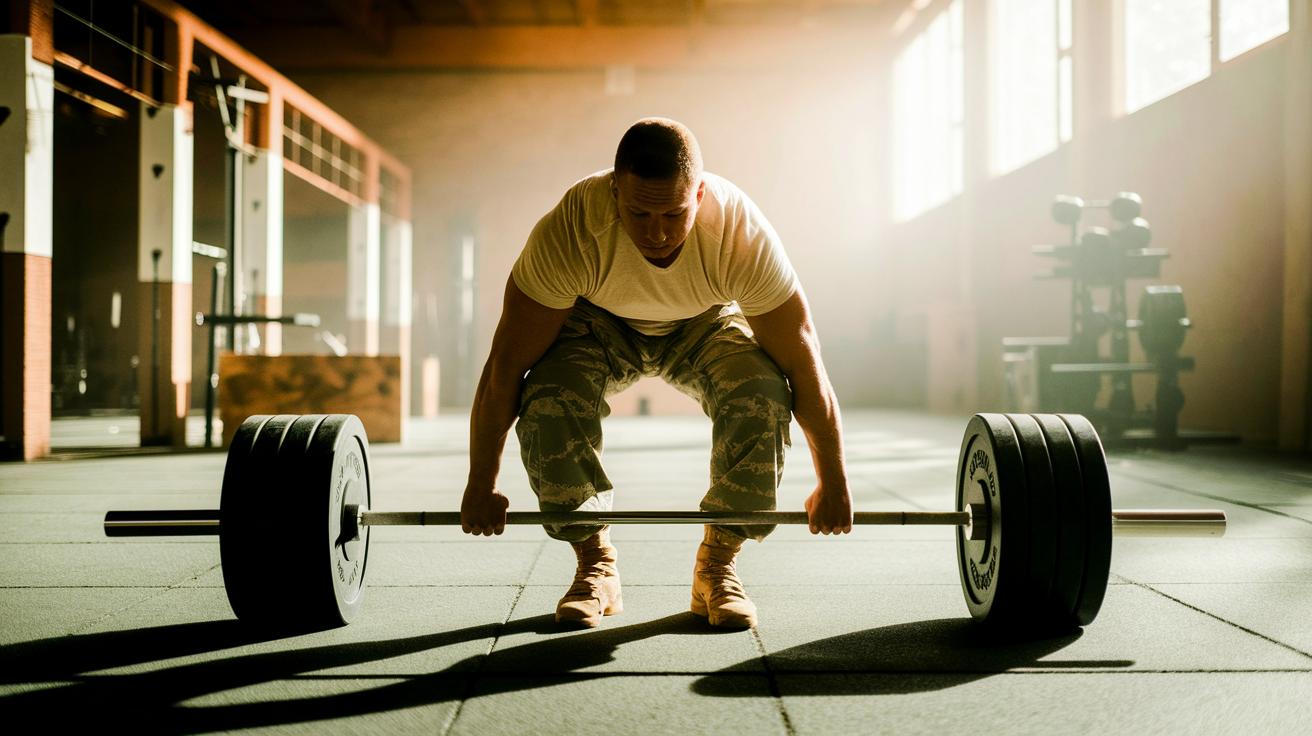
Looking at the old benchmarks alongside the new standards is really important to help every soldier train well and avoid any test-day surprises. Checking both guides gives you a clear idea of where you can improve while still using the methods that work.
- Terminology update – The test no longer uses the word "combat" in its title. This change shows a new focus and updates the language to match today’s training methods, ensuring everyone understands what’s expected.
- New event lineup – The revised test now features events that go beyond the past setup. It adds exercises that focus on whole-body coordination and overall fitness.
- Raised scoring thresholds – The new scoring system is tougher than before. With higher requirements, every drill and rep matters more when it comes to your final score.
- Emphasis on combined strength/endurance – The updated format now tests a balanced mix of physical skills. It checks not just for raw power but also for how well endurance supports strength over time.
- Transition overlap – For a while, both the old and new standards might be used at the same time. This period lets soldiers keep benefiting from familiar training while adjusting to the new rules.
Understanding these changes is key to shaping a training plan that really works. Soldiers who get both the old methods and the new challenges can better shape their workouts. This two-pronged approach helps avoid unexpected setbacks and builds confidence. Knowing what’s different and what stays the same makes test-day preparation smarter, more focused, and practical.
Physical Assessment Changes in New Military Test Preparation Standards
The new Army Combat Test is switching things up. Now, it checks out five different events to see how strong, explosive, enduring, agile, and stable you are. Every drill adds to a complete picture of your fitness. Think of it like tuning up a machine, every part must run well to hit peak performance.
| Event Name | Purpose | Primary Muscle Group |
|---|---|---|
| three-rep max deadlift | Check max strength with heavy lifts | Lower body and back |
| standing power throw | Gauge explosive power for quick moves | Shoulders and core |
| hand-release push-up | Test muscle endurance in the upper body | Chest and arms |
| sprint–drag–carry | Measure agility and endurance through various drills | Whole body with focus on leg and arm coordination |
| leg tuck or plank | Check core stability with controlled holds | Abdominals and lower back |
Mastering each event is key. Soldiers must train every muscle and practice transitioning smoothly between drills. This helps build confidence and fights off fatigue on test day. Whether you’re honing explosive power or steady endurance, refining your moves helps you score higher and be truly ready for duty. In short, this balanced method makes sure every soldier is set to handle the challenges in training and on the field.
Training Adjustments for Updated Military Test Preparation Standards
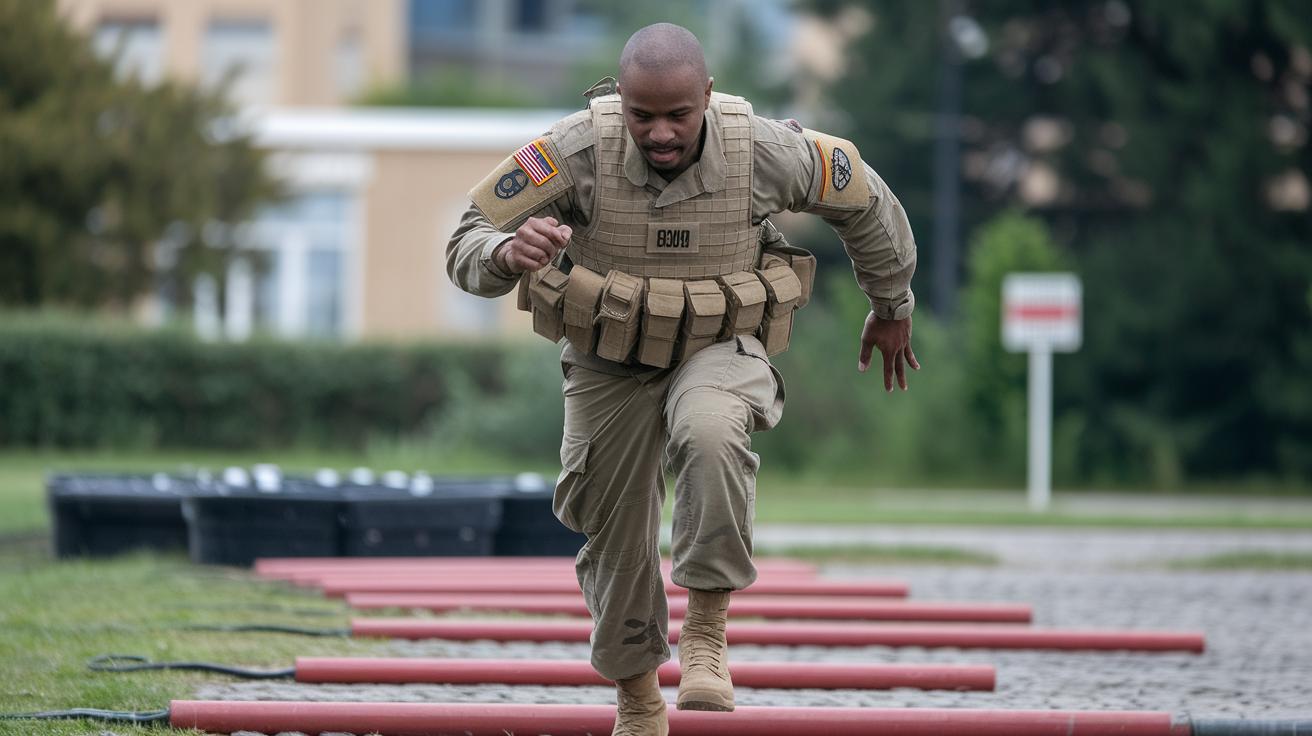
Blending body exercises with brain challenges is key in our operations today. We now measure readiness by testing both your strength and your quick-thinking abilities (that’s how fast your brain responds). Picture it like gearing up for a mission, each drill sharpens not just your muscles but also your ability to make smart decisions in the heat of action.
Here are a few simple tips:
- Incorporate interval training. Do short bursts of high-intensity work with quick rests, like switching from a fast sprint to dodging obstacles on the fly.
- Cross-train core and agility. Mix exercises that work your midsection with drills focused on fast changes in direction. Fun fact: many elite troops include planks and ladder drills to boost both core strength and agility.
- Schedule rest cycles. Build in regular breaks so your body can recover and your mind can stay sharp, much like recalibrating your gear between missions.
- Maintain proper nutrition. Eat balanced meals that fuel both intense workouts and the mental focus you need during training.
- Simulate dual-event days. Run back-to-back drills that mirror both the old and new testing standards to prepare you for any challenge.
Combining traditional drills with these modern methods is the way forward. Units that mix familiar routines with these updated exercises often perform better overall, addressing any weak spots and boosting the skills essential for success.
Implementation Timeline for New Military Test Preparation Standards
The change started on June 1, 2025, when the Army Combat Test was introduced alongside the old scoring system. This gave service members a chance to mix the new drills with their regular routines, like trying a new exercise while still using the one you trust.
By early 2026, everything will be fully updated. All branches will have improved their screening methods, readiness checks (simple tests that show how prepared units are), and detailed reviews of skills. Think of it as testing out new equipment along with your old tools until every part fits perfectly before you switch completely.
FAQs on New Military Test Preparation Standards
Q: What are the differences between the old and new testing standards?
A: The old tests stuck to set drill routines. Now, you’re working with full-body exercises that test strength, agility, and endurance together. Try mixing in a new drill each week, like adding a little hop to boost your agility.
Q: How do scoring threshold changes affect performance?
A: The new scoring rules mean every rep counts a bit more. Focus on each move like it's a mini-mission. It’s all about making sure every step is precise, much like preparing for a field operation.
Q: How might the revised timeline influence promotion opportunities?
A: With the new standards kicking in next year, you’ll need to adjust your training faster. Think of it like planning a time-sensitive mission, schedule your weekly drills carefully so you hit every target right on time.
Q: What study resources can help with updated preparations?
A: Updated drill guides now give you clear, step-by-step tips for each exercise. Picture it as double-checking your gear before a mission, so nothing gets overlooked while you prepare.
Q: How do branch-specific modifications come into play?
A: Some branches have extra drills tailored to their roles. For example, one unit might add extra endurance sprints, while another focuses on balance drills. It’s like when an Air Force unit introduces a precision course, it shows how customized drills meet unique mission needs.
new military test preparation standards: Elevate Performance
If you're looking to sharpen your skills and stay on top of the game, there's a host of resources waiting for you. Sample tests and study guides clearly show what the new exam looks like, making your prep straightforward. You can even check out updated drill formats and sample questions on the military aptitude tests page. These tools break everything down step-by-step, helping you build confidence for both physical and cognitive evaluations (tests that check how well you think).
Then, command-approved resource centers and online practice platforms add even more support. When you're ready to dig deeper into the new test formats, these hubs offer tailored tutorials and drills that mirror real testing conditions. They provide regular feedback so you can quickly adjust your strategy. For a closer look at the updated exam format, visit the military exam format changes update page. Using these resources wisely will build solid skills that stick with you for the long haul.
Final Words
In the action of tackling the updated training guidelines, we broke down the changes in physical tests, training techniques, and key dates. We compared past benchmarks with the new structure and offered tips to adjust your workouts. Small shifts in event formats mean it's time to adapt your routines and stay sharp. Keep pushing forward, refine your drills, and take advantage of these insights. Your efforts will make a difference when adapting to the new military test preparation standards.
FAQ
What do the Army physical fitness test standards and chart details include?
The Army physical fitness test standards include clear performance benchmarks for various events, with charts showing age and gender-specific requirements to help soldiers understand what scores are needed.
What do the new Army PT test standards mean and how do they update the old system?
The new Army PT test standards mean tests now include events targeting strength, agility, and endurance. They replace old measures with updated workouts and higher scoring thresholds for better physical screening.
What changes in scoring and event structure are happening with the 2025 update?
The update introduces a dual scoring system with revised event requirements. Tests now emphasize full-body strength and endurance, and clear changes will be in place starting in 2025.
How does the new Army PT test compare in difficulty to previous tests?
The new Army PT test is designed to be more balanced by testing varied physical skills rather than being simply easier. It raises performance standards to better gauge overall soldier readiness.
What are the physical requirements for Army male soldiers?
The physical requirements for Army male soldiers set age-specific benchmarks across key events, ensuring that every soldier meets clear standards for strength, agility, and endurance.