
Ever feel like test reviews are just another chore? In training, a solid debrief can change that completely. It’s like getting the team together after a mission to go over every crucial detail. This guide shows you easy steps to sharpen your review, learn from each test, and boost your performance. It’s a fresh look at your exam results to help you gear up for success.
Strategic Debriefing Frameworks for Military Candidates
Debriefing is a proven approach in military selection that hails from years of elite training experience. It offers a clear way for instructors, candidates, and commanders to review tests, just like going over a mission report after a big operation.
It isn’t just about tallies or scores. Instead, it digs into what worked and what could be better. Instructors offer handy tips, candidates share their own reflections, and commanders use these insights to tweak training plans. Every angle is important, turning the review into a chance for personal growth and boosting mission readiness.
This framework revolves around four key steps: setting clear objectives, gathering data, analyzing performance, and planning follow-up actions. First, setting objectives means laying out the review goals plainly, think of it like marking your mission target. Next, you gather all the test data and feedback, similar to collecting intel before moving out. Then comes performance analysis, where you break down the information to reveal both strengths and areas for improvement. Finally, action planning sets the stage for future sessions with detailed training and study tips. For additional insights on polished testing methods, check out military aptitude tests (a site that reviews various military tests).
Analyzing Exam Outcomes in Military Debriefing
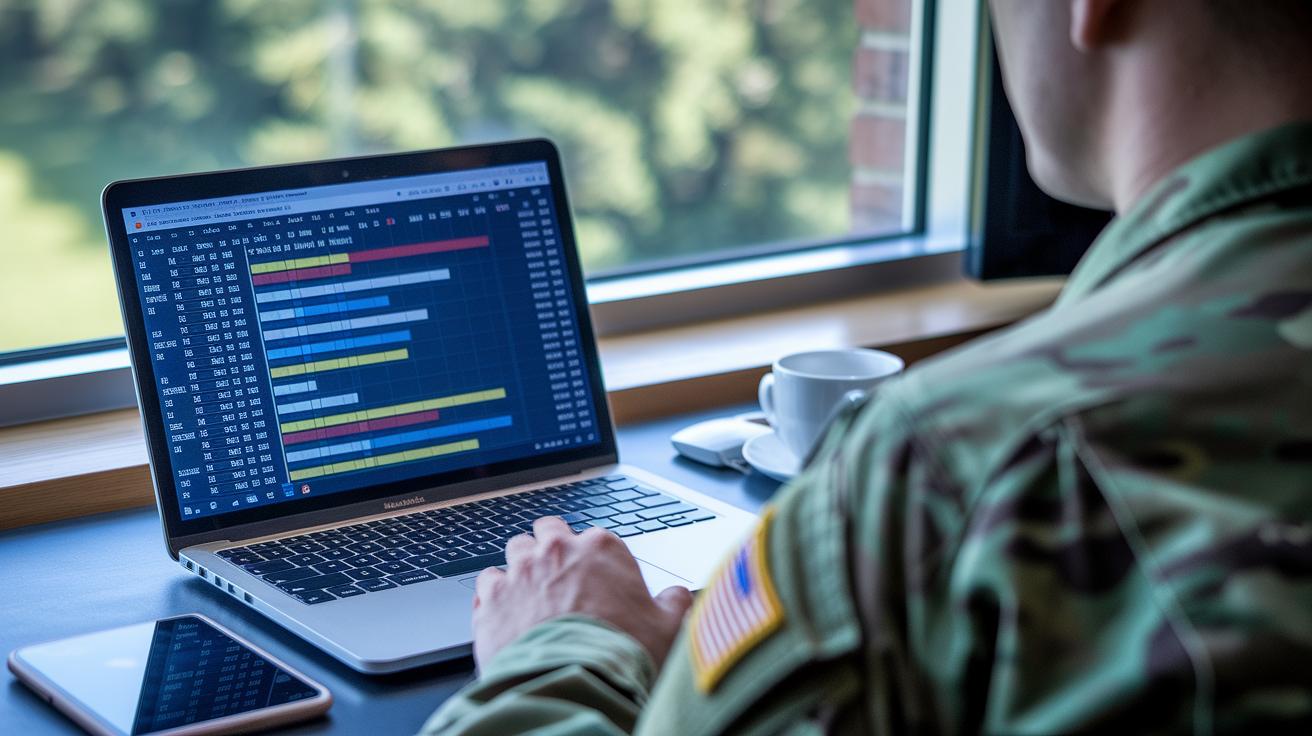
When we review exam results using real data, it cuts out the guesswork and shows us exactly where to improve. By checking test scores and detailed reports, both instructors and soldiers can spot weak spots that might go unseen. It’s a lot like a commander studying mission intel to plan the next move.
We use a few main data points for our review. Detailed score breakdowns show how well soldiers did in every section. Error patterns highlight mistakes that keep happening. And time logs, those records of how long each question took, can tell us if someone rushed or hesitated too long under pressure. These details are key for making our review process better.
We also rely on structured feedback reports, such as the McQuaig 360 Leadership Review, which mix personal impressions with solid facts. These tools help connect exam reviews to real-world military performance. Here are some common metrics to focus on:
- Accuracy by section
- Average response time
- Error classification
- Trend comparison
- Strengths summary
Step-by-Step Debrief Guidelines for Service Applicants
A great debrief is more than a quick review, it’s like a mission plan that uses a checklist alongside real, actionable steps. You mix a to-do list with clear targets so you know exactly what to improve.
-
Preparation:
Before you begin, gather every bit of test data, score breakdowns, and your personal notes. Think of it as collecting all your mission intel before you move out. For instance, you might recall, "Before heading into action, I noted all my scores, time logs, and error spots to plan my next steps." -
Overview and Context:
Lay out your total scores along with your own observations and any trends you noticed. It’s like briefing your team with the full picture of the situation. You could say, "I shared my performance stats and my key takeaways, just like updating a team on how a mission went." -
Gap Analysis with Advanced Action Items:
Look at where you slipped by comparing your hard numbers with how you felt during the test. Figure out not just the mistakes, but why they happened so you can target your weak spots in the next drill. For example, you might note, "I saw I was slow on certain tricky parts, so I planned special drills to boost my reaction time." -
Targeted Strategy Development:
Now, put together a game plan. This means scheduling daily or session-based drills, setting measurable goals, and noting the resources you need to tackle those gaps. Think of it as drafting a tactical upgrade. For instance, you might plan, "Today’s drill will focus on rapid problem-solving until my timing gets sharper." -
Follow-Up and Adjustment:
Finally, set clear check-points to track your progress and be ready to tweak your plan as you gather new data. Use your self-testing sessions as a guide to re-calibrate your strategy. You might schedule your next self-assessment and adjust your drills based on fresh insights. For more help, you can always check out effective military test strategies online.
These steps turn review into a powerful tool that drives clear, measurable improvements, helping you get ready for every mission ahead.
Objective Debriefing Sessions and Best Practices
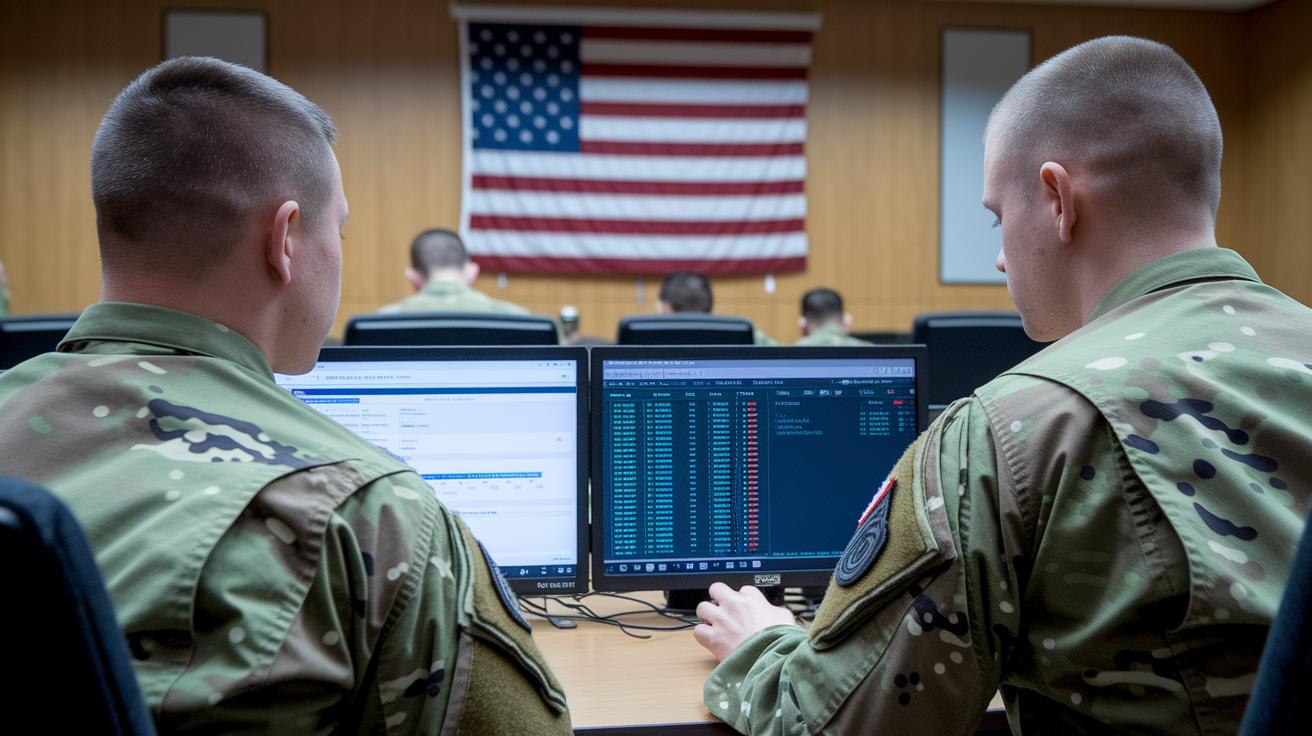
When you're wrapping up a session, it’s important to speak clearly and stick to the facts. The person running the session should guide the talk neutrally, using solid data instead of opinions. Talking about evidence (facts you can trust) helps cut through the noise so everyone learns real lessons from each review. This method lets everyone share their insights respectfully, focusing on numbers and clear examples instead of feelings. The goal is to pull out practical tips that can help us all improve without any bias.
The leader’s job is to set the mood for a solid review. They steer the discussion, ask well-thought-out questions, and keep the space fair and free of any bias. At the same time, each team member is expected to look over their test results and think about what went well and what could be better. Every participant plays a part in making sure the feedback is based on real performance. This way, everyone knows their role and contributes to a review that’s both focused and useful.
Peer vs Command Debriefing
Peer debriefing creates a relaxed, supportive atmosphere where teammates can swap stories, lift each other’s spirits, and give informal tips. On the other hand, command-led sessions are more about taking responsibility and looking at clear performance numbers. In these sessions, your commanding officer steers the discussion, keeping everyone focused on concrete outcomes and measurable progress. Tools like organized templates, specific questions, and live data displays help in both cases. These resources offer a consistent method to capture what really matters, ensuring each review turns into clear, actionable steps.
Analyzing Exam Outcomes in Military Debriefing
Choosing the best performance numbers is like zeroing in on the perfect target for a mission. In our high-stakes debriefs, we mix hard data (like reaction time and decision accuracy, which tell us how fast and correctly you respond) with personal observations to see where we can improve. For example, one might say, "I measured my reaction time and noticed a slight delay that cost me a few crucial seconds." This way, these numbers help us spot exactly what needs tweaking.
| Metric | Measurement Method | Actionable Insight |
|---|---|---|
| Accuracy Rate | Section score percentage | Practice specific skills |
| Time per Question | Average seconds | Improve time management |
| Section Proficiency | Subtest breakdown | Targeted tutoring |
| Error Recurrence | Error count by type | Review repeated mistakes |
We also tailor our set of metrics to match each test type so that every debrief feels spot on. Some tests push you to act fast, while others demand deep technical know-how. For instance, after checking my average time per question, I adjusted my practice drills to boost my speed without losing accuracy. Blending clear numbers with firsthand feedback gives a full view that helps build smarter strategies for every exam.
Common Pitfalls to Avoid in Military Candidate Debriefing

When reviewing test outcomes, you want your debrief sessions to really help. Simple mistakes like not setting clear goals or depending only on opinions can weaken your feedback. Instead, focus on sharp, data-backed points that guide your discussion. This way, every candidate walks away with clear steps to improve.
- Not setting clear goals, which makes the feedback drift
- Relying too much on personal impressions rather than solid data
- Skipping follow-up checks
- Overlooking trends among different candidate groups
Start by setting clear goals before your session. Use solid data to back up your observations so the feedback stays fair and doesn’t turn into blaming. Scheduling a follow-up helps keep the momentum and track progress. And by checking trends across candidates, you can spot common issues and target your coaching better. Each of these steps turns common mistakes into clear strategies for better results in your debrief sessions.
Leveraging Feedback Loops for Continuous Candidate Enhancement
Think of a closed feedback loop as a cycle where debriefing, planning, training, and reassessment all work together to push you forward. Every review becomes a solid chance to learn from mistakes and build on what you already do well, helping you adjust quickly, stay accountable, and see real progress that boosts your readiness for the mission ahead.
It works best when you stick to clear timing. Start by doing a debrief within 48 hours after an exam so the details are still fresh. Then, lay out a straightforward plan to fix any gaps you notice. Next, pick your training exercises and set up follow-up check-ins every two weeks. This step-by-step approach keeps every move in line with your goal of steady improvement and clear tracking of your performance.
Using tools like digital tracking logs, progress dashboards, and regular check-ins really supports this cycle. They let you keep tabs on your progress and give you a clear, visual picture of how you’re doing over time. This way, everyone stays on track, and each review turns into a clear, actionable plan for ongoing improvement.
Final Words
In the action, we've covered essential debriefing concepts, from dissecting exam outcomes to a clear, step-by-step guide on preparing, reviewing, and planning future training. Our discussion also touched on best practices, performance metrics, and pitfalls to avoid during candidate evaluations.
Throughout this article, the focus stayed on test debriefing strategies for military candidates, practical steps that build clarity, boost confidence, and prepare you for a successful assessment. Keep these insights in mind as you move forward.
FAQ
What do test debriefing strategies for military candidates include, such as PDF resources from 2021 and 2022?
Test debriefing strategies for military candidates start with clear steps like setting objectives, gathering data, analyzing performance, and planning actions. PDF guides from 2021 and 2022 share these methods for practical review.
What is a military debrief template and the DoD Debriefing Guide?
A military debrief template and the DoD Debriefing Guide offer a structured format to review events. They break down key lessons and help all participants share clear and useful feedback.
What is the military debriefing process?
The military debriefing process involves reviewing events, assessing actions, and sharing lessons learned. It aims to pinpoint improvement areas through organized discussions among commanders and team members.
What are some debriefing techniques, including the hot debrief and the three types of debriefing?
Debriefing techniques include the “hot debrief,” held soon after an event, and more structured sessions. Common types include command-led, peer-led, and hybrid formats that focus on clear, action-driven feedback.
What is the Air Force debrief process?
The Air Force debrief process is a formal review following missions. It relies on clear communication, evidence-based analysis, and structured feedback to boost future performance.
What are the types of debriefing in healthcare?
Debriefing in healthcare can take various formats such as team reviews, one-on-one sessions, and interdisciplinary meetings. Each method helps share insights, improve care, and refine team techniques.
What is a Debrief Focal Point?
A Debrief Focal Point is the main facilitator for a review session. They coordinate discussions, gather feedback, and guide the team through an effective post-event analysis.