
Ever wondered if your workout is really building battle-ready strength? Resistance training for service members isn’t just about looking buff. It’s about boosting your endurance, speed, and mental grit (that means being tough in your mind).
Think about pushing your limits with short, intense bursts, just like rushing into a mission. This kind of exercise helps you carry heavy gear and stay alert under pressure, much like our top units do every day.
Today we’re breaking down how these focused workouts can give your performance that extra edge when it matters most.
Fundamentals of Resistance Training for Military Personnel
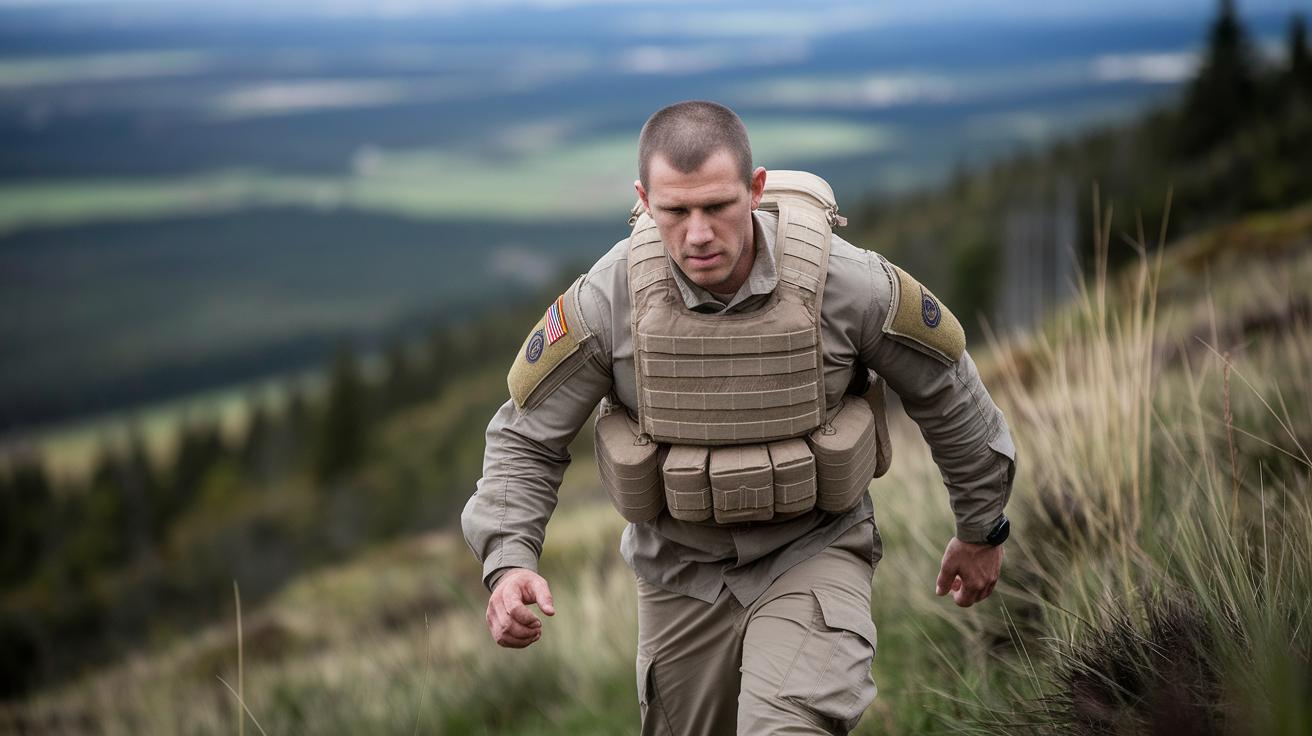
Resistance training isn’t just about getting bulky. For us in the service, it’s about building the kind of strength that carries you through tough situations. Imagine gearing up for a mission where every muscle matters, like finishing a heavy pack ruck that tests both your body and your grit.
Military-style resistance training mixes things up. You work on cardiovascular fitness, muscle endurance, agility, and even mental stamina (that’s your focus under pressure). Instead of just using gym machines, training often means full-body workouts like body-weight circuits, rucking, and weighted-vest drills. Picture this: a workout with quick, intense bursts followed by short rests, designed to push you to the limit. Elite units such as the SAS and Royal Marines use methods like these every day to stay mission-ready.
| Exercise Method | Benefits |
|---|---|
| Rucking | Boosts endurance and helps you carry heavy loads |
| Weighted-Vest Drills | Builds overall strength and stability |
| Body-Weight Circuits | Improves agility, coordination, and mental focus |
These training routines push your muscles to adapt and grow, while also preparing you for the unexpected challenges on the field. The mix of strength, endurance, and mental toughness you build here will keep you at your best when you need it most.
Periodized Resistance Training Programs for Combat Readiness
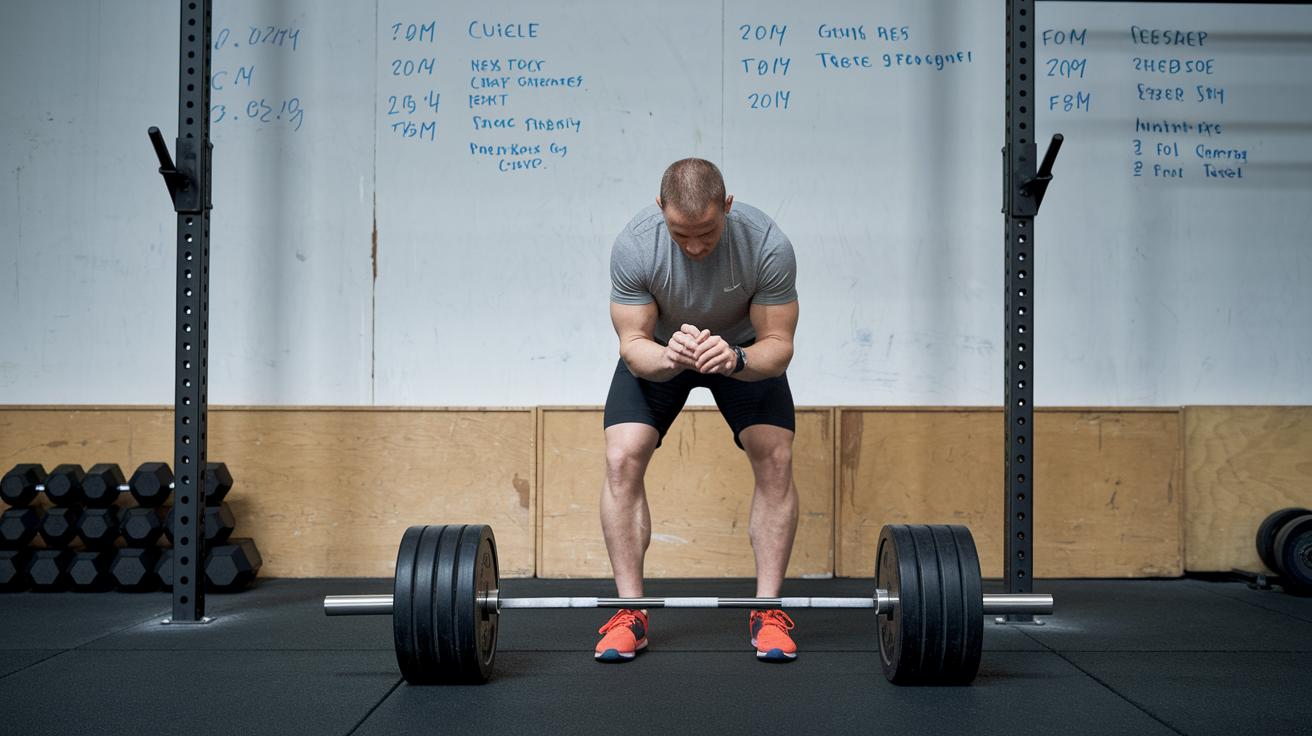
When you plan a workout over 8–12 weeks, you break it into neat cycles. Military training uses big cycles (the full training period), medium cycles (smaller chunks inside the big cycle), and little cycles (usually your weekly sessions). These cycles let you add more weight, reps, or intensity bit by bit to build strength. For example, you start with lighter loads and fewer repetitions in a medium cycle, then, as you progress, you gradually bump up the resistance, much like checking your gear before heading out on a mission.
There are times in these cycles when you focus on power and endurance. When you push through short, tough bursts of exercise, it prepares you to handle demanding tasks. On the flip side, building in rest or easier weeks gives your muscles time to recover and lowers the risk of overtraining. Think of these rest phases like quick pit stops during a long operation, short breaks that keep you at your best.
Following a structured plan not only boosts your muscle performance, it also helps prevent injuries. Studies show that sticking to a periodized workout plan leads to steady strength gains and more consistent performance. Whether you’re carrying extra weight on a vest or doing body-weight drills, each cycle gradually sharpens your body and focus for real-world challenges. This step-by-step approach gets you ready for whatever surprises a combat situation might throw your way.
Key Resistance Exercises and Tactical Conditioning Routines
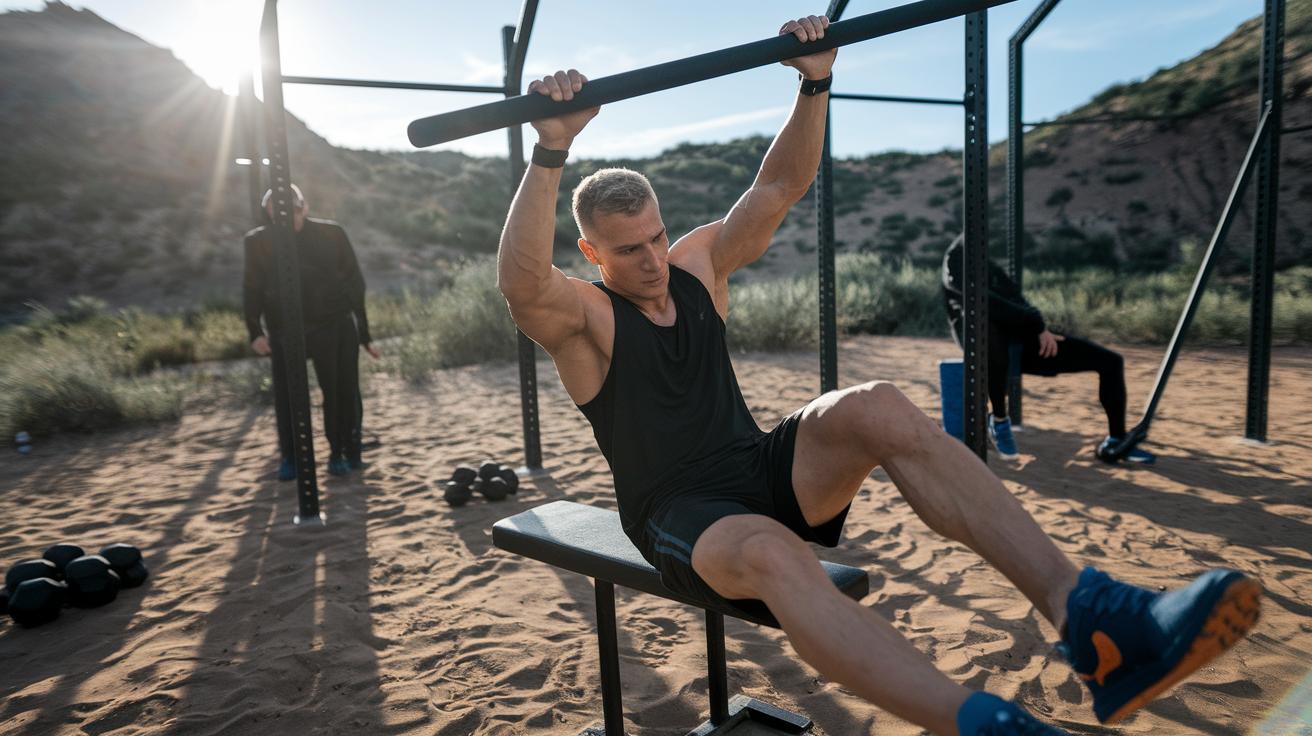
These drills are all about building strength and power while gearing you up for real-life challenges. Every exercise is picked because it works several muscle groups at once, helping you get ready to haul heavy gear and react fast when every second counts.
Take decline crunches, for example. They hit your abs, obliques, back, pecs, and hip flexors all together. This gives you the core stability you need when moving through uneven ground. And then there are pull-up leg raises, they push your abs, quads, and shoulders, turning your session into a full-body workout that sharpens both your balance and grip.
Bent-over dumbbell rows are another solid move. They boost your biceps, forearms, and back; muscles you count on to carry extra weight. Burpee box jumps mix in explosive power work with a plyometric twist, working your quads, hamstrings, calves, and glutes. Think of them as prep for those sudden bursts of energy you need on the job.
Other drills include shoulder presses (which work your delts, pecs, and core), Marine Corps push-ups to strengthen your chest, triceps, and shoulders, supine tricep extensions for your arms, and straight-arm sit-ups that target your core and hip flexors. And if you add weighted vests, rucking backpacks, or elastic bands, your muscles have to work even harder to adapt to the extra load.
Training in circuits with 30- to 60-second breaks not only ramps up your endurance but also builds mental toughness. This method helps you switch quickly from one drill to the next, kind of like shifting gears during a high-stakes mission. In truth, putting these exercises together creates a solid routine that builds functional strength and hones your tactical readiness for any demanding situation.
Integrating Strength Endurance into Resistance Training for Military Performance

Mixing high-intensity interval training (HIIT) with resistance circuits is like running a tactical drill that sharpens both your heart and muscles. Imagine charging into a fast sprint and then switching to push-ups, with about 30 seconds of work followed by 30 to 60 seconds to catch your breath. This routine mimics real combat, where every moment can make a difference.
Research from 2020 shows that when you add proper nutrition to these drills, you boost both your body and mind. For example, picture doing battle rope slams and then moving straight into sled pushes, taking just enough time to regroup. This method follows a 1:1 to 1:2 work-rest ratio that really challenges you and builds toughness.
You can mix things up further with circuits that combine body-weight moves and weight-based exercises. Think of a session where you tackle sled pushes, power through strength moves, and finish with high-intensity actions, all in one go. I’ve heard many elite soldiers started their training with these interval sets, and they credit that combo for improving their field performance.
By blending aerobic work with resistance exercises, you not only build stamina but also sharpen your focus when the pressure is on. This integrated approach is key to staying battle-ready and strong.
Injury Prevention Strategies and Mobility Enhancement for Resistance Training

Starting off right is key. A good warm-up with moves like high knees and leg swings gets your muscles fired up and ready. Think of it as giving your body a head start before a demanding mission.
After that, try using a foam roller and some focused mobility drills. Doing thoracic rotations can ease tightness in your upper back, while hip-hinge movements help your lower body flow smoothly. Working on scapular stabilization can set your upper body up for success too. Imagine taking a few minutes to roll out your back before a tough set, this small step can really boost your movement and posture.
- Dynamic warm-ups to wake up your muscles
- Foam rolling and mobility drills to improve how your joints move
- Exercises for keeping your posture in check
Sticking to proper technique and scheduling rest days is just as important. They help avoid overuse injuries and keep your joints strong, much like maintaining your gear before a mission.
Equipment Selection and Field Adaptations for Military Resistance Training

Choosing the right gear is essential when you're trying to match the physical demands of real missions. Using items like the Force Fitness Rucking Backpack, Black Camo Weighted Vest, or Storm Grey Weighted Vest transforms a typical workout into a tactical session. Think of these tools as your mission kit that simulates the weight and balance of the gear you'll actually use. For example, adding a weighted vest to your strength drills forces your muscles to work harder, just like they would when carrying heavy equipment on duty.
When you can’t hit the gym, field alternatives work just as well. Try sandbag carries or log lifts; their uneven, unpredictable weights are great for adding extra resistance during exercises, even when you throw in some elastic bands for a bit more challenge. These setups mirror the loads you might face during a mission, helping you build functional strength for any surprise that comes your way. Imagine an improvised pack filled with everyday items; when you adjust the weight, it can be just as demanding as a specially designed vest.
These adjustments let you train anywhere, whether you’re in the gym or out in the field. Mixing standard gear with creative field setups builds not only muscle but also the agility and stamina you'll need in real tactical scenarios.
Recovery, Regeneration, and Performance Monitoring in Resistance Training

A strong recovery plan is key to military fitness. You back it up with proper nutrition, 7–9 hours of sleep, and scheduled rest days to help your body bounce back. It’s like giving your body a quick break during a long hike to drink water and refuel.
I often grab a protein-packed snack and take a power nap after a tough workout, just like a soldier recharging his energy between drills.
You can also mix in sports massages and foam rolling to ease muscle soreness and keep your joints flexible. And don’t skip performance tracking. When you do strength tests, keep a training log, and use wearable devices (gadgets that track your heart rate and recovery), you can celebrate improvements and tweak your routine as needed.
| Method | Purpose |
|---|---|
| Strength tests | Measure muscle progress |
| Training logs | Track performance improvements |
| Wearable devices | Capture heart rate and recovery |
Studies show that clear recovery phases, mixed with military-style training, boost heart health and overall readiness. Keeping an eye on these details keeps you ready for every mission.
Final Words
In the action, we've covered the essentials of combat-focused resistance training, from tactical exercises and periodized programs to strength endurance and injury prevention. Each section gave practical tips for building strength and readiness with real-world gear and recovery techniques. This post ties together how resistance training for military personnel builds both physical and mental toughness needed for demanding tasks. Keep practicing, stay motivated, and trust the process as you gear up for success on your mission ahead.
FAQ
Q: Resistance training for military personnel reddit
A: The discussion on resistance training for military personnel on Reddit provides firsthand accounts where users share practical tips and personal experiences to enhance combat fitness and build tailored workout routines.
Q: Military workout program PDF, resistance training for military personnel PDF, free military workout program PDF, and 30 day military workout program PDF
A: The search for military workout program PDFs shows that many resources offer structured, no-cost plans combining strength, endurance, and tactical conditioning to help build combat readiness effectively.
Q: Free resistance training for military personnel
A: The inquiry about free resistance training for military personnel highlights accessible online plans that focus on full-body, functional workouts designed to boost combat strength and overall readiness.
Q: Best resistance training for military personnel
A: The question about the best resistance training for military personnel points to comprehensive programs that mix load-bearing drills, bodyweight circuits, and high-intensity intervals to mirror mission demands.
Q: Military training program for civilians
A: The interest in military training programs for civilians indicates that similar workout routines—emphasizing strength, endurance, and functional exercises—are available to those seeking a military-style fitness regimen.
Q: What is the 3-3-3 rule for workout?
A: The 3-3-3 rule for workouts organizes training into three segments, often implying three different exercises performed in three sets each, which helps balance intensity, technique, and recovery for better performance.
Q: What type of exercise is best for the military?
A: The question about the best exercise for the military emphasizes routines that integrate strength, endurance, agility, and load-bearing drills, offering complete, combat-focused fitness that replicates real-world mission demands.
Q: What is the 5 4 3 2 1 training method?
A: The 5 4 3 2 1 training method structures workouts with countdown intervals, starting with five intense repetitions and reducing the count to one, which builds focus and progressively boosts muscle endurance.
Q: What is the 6 12 25 rule?
A: The 6 12 25 rule describes a guideline where you perform six exercises, each for twelve repetitions with a twenty-five-second interval between sets, balancing workload and recovery to optimize strength gains.