
Security Health Tuesday — a compact thread of fitness, safety and operational advice for service members and civilians who support them. Remember that Army, Navy and Air Force personnel are all soldiers in their own right; don’t conflate terms. Try a simple daily breath-hold (about 30 seconds) as a resilience drill, quit alcohol and cigarettes to improve recovery, and favor vegetables over meat. Prefer running over endless gym sessions for functional stamina. Avoid heated arguments with sister agencies, learn the phases of gunshot injuries, vary convoy routines, schedule safe morning workouts after 6am, and keep training, contingency plans and essential drills current.
All Branches Are Soldiers , Know the Difference and Respect the Roles
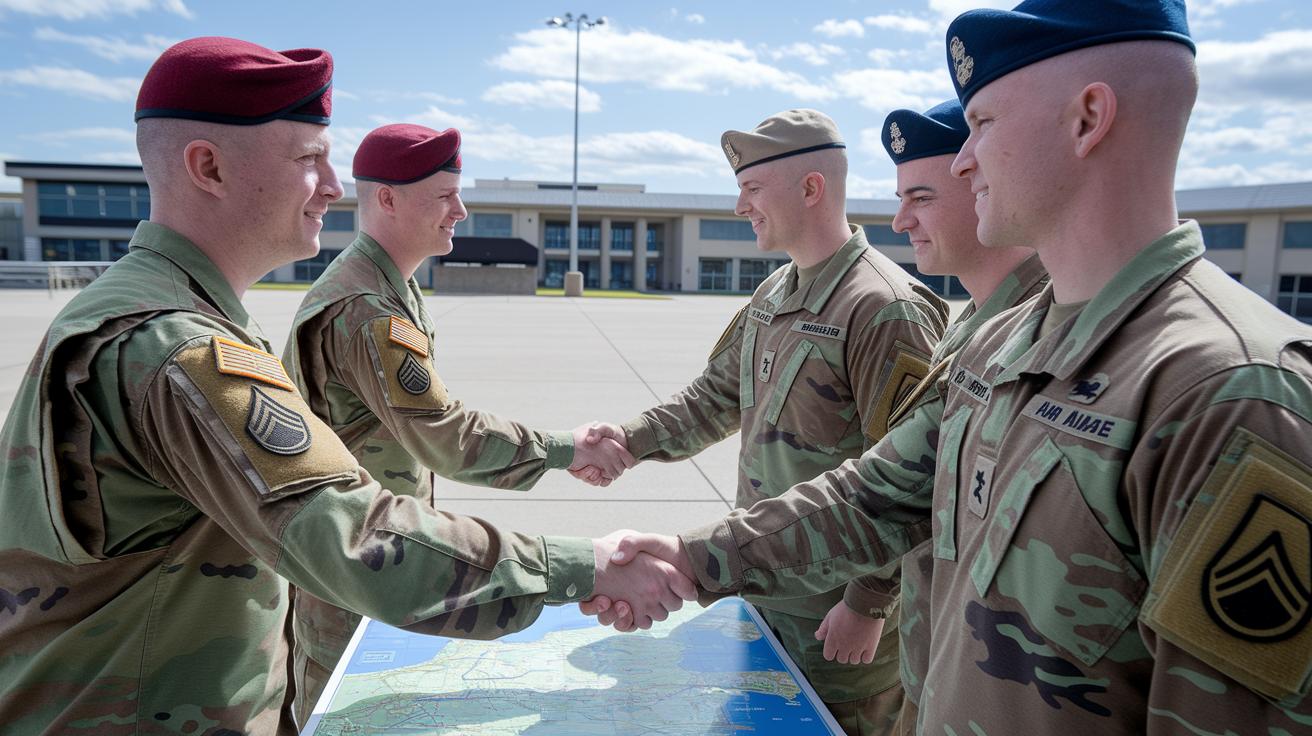
Civilians sometimes equate "soldier" with the Army alone, but Navy and Air Force personnel are military professionals too. Understanding that every branch brings unique capabilities matters for cooperation and safety. Inter-service friction in public or operational settings undermines morale and mission effectiveness. Keep discussions professional, route disputes through proper channels, and favor joint training where possible. Acknowledging expertise across branches builds mutual trust, reduces mistakes, and improves outcomes in combined operations. Respect and clarity of role are simple but powerful force multipliers for anyone involved in national security.
Breathwork and Quit Habits , 30 Seconds a Day and Cutting Alcohol/Cigarettes

The thread recommends a small daily practice: a 30-second breath-hold to build respiratory control and calm under stress. If you try it, do so seated, start gradually, and stop if dizzy , don’t practice breath-holds while driving or underwater. Combine respiratory work with quitting alcohol and cigarettes: both substances impair recovery, reduce endurance, and blunt cognitive performance. Stopping improves sleep, cardiovascular health, and training gains. Use medical advice and cessation programs for support. Small, safe daily habits stack up , clearer lungs, steadier nerves, and better operational readiness.
Diet and Movement , Vegetables First, Running Over Excessive Gym Time

Prioritize vegetables over large portions of meat and emphasize aerobic conditioning like running for sustained performance. Vegetables supply vitamins, antioxidants and fiber that aid recovery and immunity. Running builds stamina and mobility that translate well to patrols, shifts and physically-demanding tasks; strength work still has a place, but favor functional conditioning. "Security over speed" means progressing safely: avoid chasing quick gains at the cost of injury. Hydration, sleep and balanced meals support endurance. Aim for a diet that fuels long days and a movement plan that keeps you light, quick and resilient rather than just bulky.
Swap Red Meat for Fish , A Simple, Powerful Food Tweak

One practical suggestion in replies: replace some red meat with fish. Fish provides lean protein and omega-3s, which reduce inflammation, support cardiovascular health, and aid recovery. Options like salmon, mackerel, sardines or white fish are versatile , grilled, baked or steamed , and canned fish is an affordable backup. Coupling fish with veggies and whole grains keeps meals balanced. Small, consistent dietary changes often yield noticeable energy and endurance improvements. If you eat less red or processed meat and add more fish and plants, you may feel better on long shifts and recover faster between training sessions.
Gunshot Injuries , Three Phases to Keep in Mind and First-Aid Basics

The thread mentions three phases of potentially fatal bullet wounds , a useful mental framework for responders. First is immediate catastrophic hemorrhage; stop major bleeding with direct pressure and seek rapid medical evacuation. Second involves early physiologic collapse or shock where timely professional resuscitation matters. Third is late complications like infection or organ failure that require hospital care. Don’t assume lethality by appearance; some close-range hits are survivable while unseen vascular damage can be deadly. The safe takeaway: get formal first-aid and hemorrhage-control training, carry proper equipment if authorized, and prioritize rapid professional care.
VIP Escort and Convoy Tips , Mix It Up, But Keep Protocol

Convoy and escort routines benefit from unpredictability: varying vehicle order, timing and routes reduces pattern exposure. Sometimes the VIP rides last, other times first , but always weigh security against protocol and overall risk. Good convoy work is about planning, rehearsals, communications discipline and coordination with local forces or support elements. Keep loadouts simple, brief escorts on contingencies, and avoid unnecessary signatures that advertise movement. We won’t give tactical checklists here, but remember that effective escorts are built on rehearsal, situational awareness and solid, boring preparation more than flashy maneuvers.
If You’re Dating a Soldier , Ask, Communicate and Plan Realistically

A reply reminded readers: if a partner is a service member, ask about readiness for marriage and life with military demands first. Service life brings moves, deployments and unpredictable schedules that affect family planning and careers. Honest conversations about expectations, support systems, leave policies and legal considerations are essential. Be mindful of chain-of-command rules about fraternization where applicable, and tap family support services early. Relationships that account for military realities , with practical planning and empathy , stand a better chance through the strains of service.
Use the Web , Vetted Online Resources Can Take You Far

"You can get anywhere even online" points to a simple truth: many training tools, doctrine references and reputable vendors are accessible digitally. Use official military publications, accredited training platforms and respected healthcare or fitness providers when seeking instruction. Online communities can offer peer tips and support, but verify anything with authoritative sources before applying it. For regulated or sensitive training, stick to sanctioned channels. The internet is a force multiplier for learning , just make verification your habit to avoid bad information or unsafe shortcuts.
Train Continuously , Plans B and C, Watch for Surveillance, Practice Drills

Keep training evolving: enemies and adversaries change tactics, so your strategy and skills must adapt. Always maintain contingency planning , have Plan B and C if the primary option fails , and rehearse those alternatives. Assume adversaries may monitor patterns; practice operational security, limit unnecessary exposure, and treat movement details as sensitive. Formation, reaction and the "essential drills" the thread mentions are about muscle memory: rehearse immediate action responses in controlled, professional training settings. Regular after-action reviews and realistic refresher training reduce chaos and improve survival when seconds count.