
Ever thought that steady runs might be enough to get you ready for combat? New drills show that quick changes, fast turns, and explosive moves are key when every second counts.
Traditional training just doesn’t hit the mark anymore. Imagine dashing through a course of obstacles where every step mixes raw strength with quick coordination. It’s like preparing for a high-stakes mission!
In this post, we break down soldier agility training drills that boost your combat fitness. You’ll learn how these exercises help you react fast and move smart when it matters most.
Core Soldier Agility Training Exercises

Modern military fitness tests have changed. Instead of long, steady runs, you now hit shuttle runs, zigzag sprints, and obstacle courses at full speed. These drills boost quick movements and build tight coordination. They help you react fast and move with precise footwork, just what you need in a real fight. Picture yourself changing direction on a busy field, where every split-second decision matters.
These exercises bring a taste of battlefield stress right to your training. They mimic those sudden, sharp moves you often face. Think of them as drills for rapid movement, quick obstacle navigation, and dynamic training. The aim is simple: mix raw physical power with smart, tactical moves so you become faster and more aware of your surroundings.
- Agility Ladder Drills for faster feet and better coordination
- 5-10-5 Shuttle Runs to master quick turns
- Cone (L) Drills for changing direction with ease
- Lateral Plyometric Jumps to strengthen your quads, glutes, and hamstrings
- Dot Drills to improve ankle stability for quick steps
- Jump Box Drills to boost explosive vertical power
- Plyometric Agility Drills, like hurdle jumps, to sharpen your dexterity
- Zigzag Obstacle Navigation to mirror real field challenges
Together, these drills form a balanced training program that builds speed, balance, and explosive strength. Regular practice means you'll move better and be ready when agility counts most. By focusing on these exercises, you'll sharpen your ability to switch directions quickly and stay in control under pressure, a clear edge during field operations.
Agility Ladder Challenges for Footwork and Coordination

When you're on the ladder, pay close attention to your movements. Start with a high-knee drill that makes you land squarely on the balls of your feet. This simple move builds speed and sharpens your rapid foot contacts. Next, try lateral in-and-out patterns that challenge your balance with light taps and quick steps. Think of it as a controlled shuffle where every move counts. If you want more ideas, check out these military agility drills.
Now, let's focus on keeping your form tight and staying safe. Bend your knees to lower your center of gravity and let your arms swing naturally to help with balance. Keep your eyes forward so you remain aware of your surroundings. Use smooth, deliberate steps to avoid tripping while strengthening your knees and ankles. Each step should feel light and controlled.
To boost your precision and speed over time, slowly raise the challenge level with advanced patterns. For example, try the Icky Shuffle, it pushes your core and tests your agility under more complex moves. Mix various sequences into your training routine to keep yourself on your toes. With steady practice, you'll master fast transitions and find the perfect balance of speed and coordination needed for field conditions.
Shuttle Runs and Quick Directional Agility Exercises
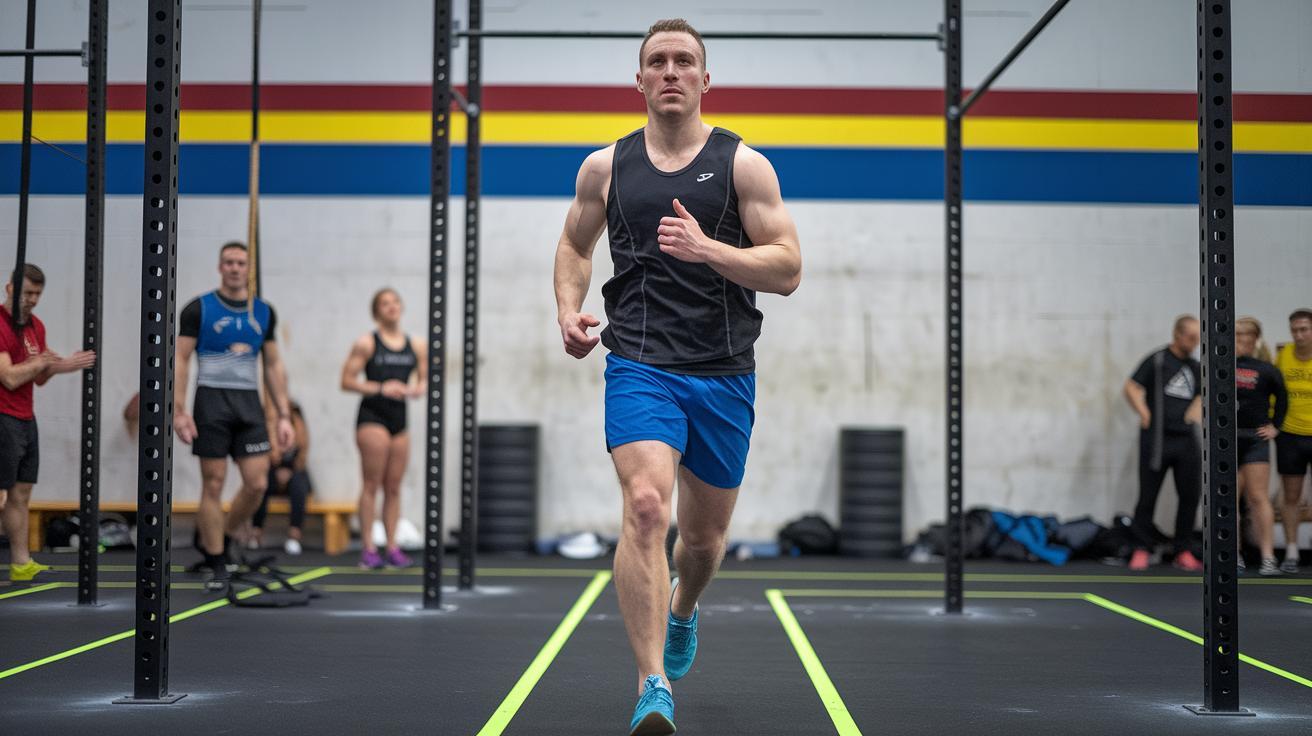
These drills now bring in some new strategies that step up from basic agility work. You can mix it up by adding a light weighted vest or even simulating the movement of your combat gear. Start off slow and gradually increase the intensity, it’s like fine-tuning your rapid response skills while keeping injury risks low. For instance, begin with shuttle runs using just your body weight, and once you nail that form, add a vest; think of it as boosting the challenge in your field drills.
When you hit high-intensity drills, focus on precision. Do a proper warmup with dynamic moves to keep your muscles ready and use controlled weight variations. Adjust your pace to mimic combat scenarios so you can sharpen your directional changes under pressure. Here’s how to execute an advanced 5-10-5 shuttle drill:
- Get into a low, athletic stance with your eyes straight ahead and your core tight.
- Sprint 5 yards, driving off powerfully while keeping your form strong.
- Reverse direction for 10 yards, controlling your deceleration and balance.
- Pivot by tightening your core to smoothly shift towards your target.
- Sprint the final 5 yards, keeping your transitions quick and sharp.
Aim to finish each shuttle run in about 6–8 seconds. Start with 3 sets of 3 reps, and once you’re consistently hitting these marks, you can start adding variations with extra load.
Core Soldier Agility Training Exercises

-
Lateral plyometric jumps: Start with three sets of ten jumps, taking a 10 to 20 second break between sets. Warm up your leg muscles well before you begin. Focus on landing softly on the front of your feet and keep your knees slightly bent to cushion the impact. Imagine landing on a thick cushion with every jump.
-
Jump box drills: Find a sturdy box and practice controlled jumps to build your vertical power. Bend your knees as you land to help absorb the force. Picture stepping onto a launch pad, each jump should be deliberate and safe.
-
Hurdle jump sequences: Set up a few low hurdles and perform quick jumps with a slight forward lean, an active arm swing, and a tight core. These movements improve your coordination and agility. Picture yourself clearing a barrier during a drill, staying sharp and focused.
-
Optional resistance work: You can add extra challenge by using tools like VertiMax. This helps mimic the extra load you might carry. Move with controlled, precise steps and only increase the resistance as your strength improves.
Obstacle Navigation Workouts and Tactical Agility Maneuvers

Imagine setting up a course that feels straight out of a real-life field mission. Start by laying out five different obstacles. You might run in a zigzag pattern between barriers, crawl low under nets, or jump over hurdles that challenge both your height and distance skills. Spend 30 seconds on each station and run through the whole course three times. For an extra challenge, wear a weighted vest that’s roughly 10–20% of your body weight. Grab a few markers, cones, or portable nets to build a quick drill that mirrors the unexpected twists of combat. This not only pushes your physical limits but also trains you to make swift decisions when the situation changes.
Next, gradually ramp up the intensity week by week. Begin with the basic setup and then, as you get more comfortable, shorten your breaks or extend the time you spend on each obstacle. Sometimes a simple “push through” can make all the difference when fatigue hits. As you improve, focus on making clean transitions between tasks, keep your core tight during barrier hops and control your breathing on low crawls. These small adjustments boost both your safety and speed, just like fine-tuning your gear before a mission.
Finally, switch things up to keep the training fresh and engaging. Rotate your obstacles, maybe add an agility ladder after the circuit or try lateral sprints around cones. Experiment with different vest weights or mix in various motions to mimic the diverse challenges on the field. Consider checking out military functional training exercises online for new ideas. With these tweaks, your agility regimen becomes sharper, and your confidence in fast, tactical maneuvers grows day by day.
Balance Stabilization and Reflex Agility Activities
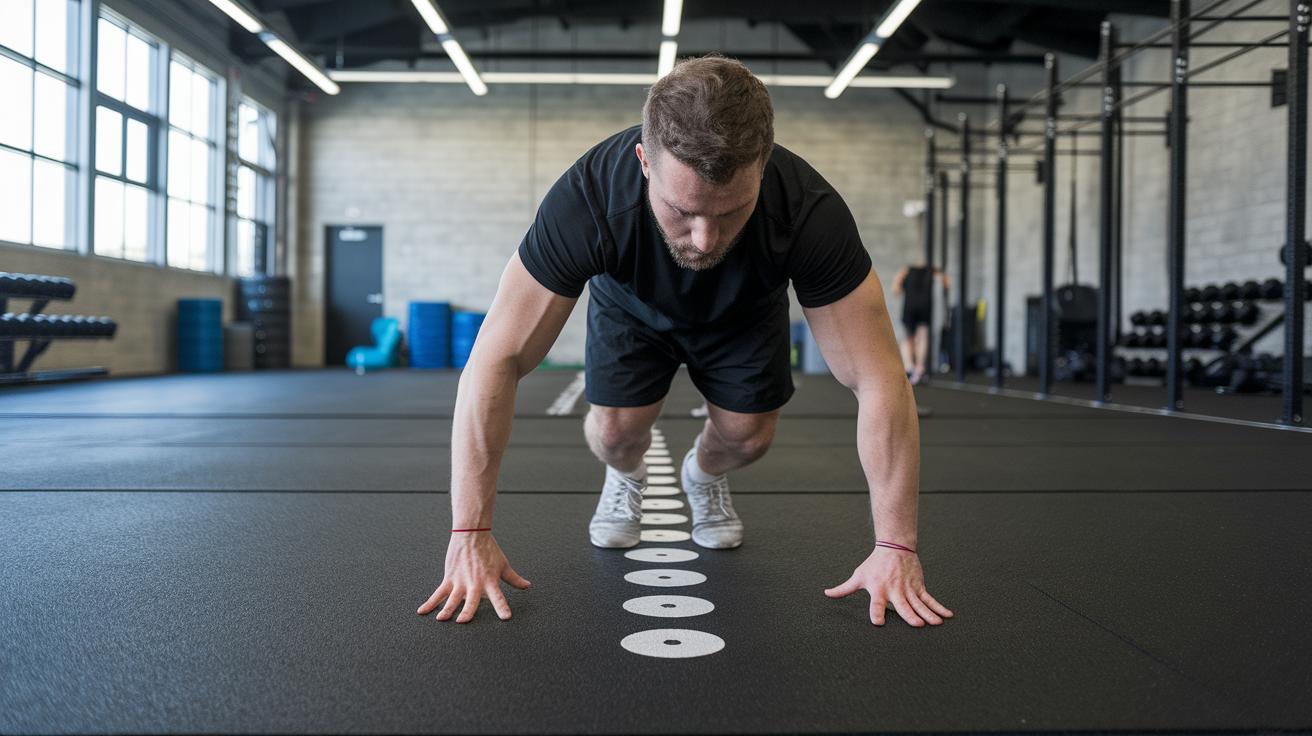
Getting your balance spot-on and your reflexes razor-sharp can really change the game on the field. Try a dot drill to boost leg strength and steady your ankles. Mark a few dots on the floor and quickly tap each one with both feet. Aim for 2 or 3 rounds of 20 taps per foot, keeping each landing light and controlled. This drill helps build that rapid response you need to switch directions quickly.
Next, give single-leg balances a go using a foam pad for an extra challenge. Stand on one leg for 30 to 45 seconds, then switch. Do three sets per leg, keeping your core tight and your eyes fixed on a spot ahead. This exercise sharpens your body awareness (how you sense your body’s position) and builds the kind of stability you rely on under pressure. And don’t forget to watch your posture and use a safe, non-slip surface.
Then, work on your reflexes with reaction ball catches. Toss a small reaction ball against a wall and catch it as it bounces back in an unpredictable way. Try 3 sets of 10 catches for each hand to upgrade your hand-eye coordination. Follow this up with single-leg hop-and-stick moves. Hop forward on one leg, stick the landing, and hold for about 2 seconds before switching legs. Complete 2 sets of 8 hops per leg, focusing on soft, bent-knee landings to ease joint stress. These drills boost your control and overall agility, making you ready for any sudden move.
soldier agility training exercises: Boost Combat Fitness

Get ready to mix strength, power, and cardio moves into one focused agility session every week. Start by trying out a routine with five main exercises: ladder drills, shuttle runs, plyometric jumps, a low-crawl obstacle, and single-leg balance work. Do each drill for 40 seconds, rest for 20 seconds, and try to finish five rounds with a 2-minute break between each circuit. This workout mixes quick moves with steady strength training to boost your combat fitness. On other days, swap these intense sessions with steady-state runs to keep your heart strong. Think of it like preparing for a mission, you build speed and balance to handle tough, uneven terrain on the field.
To keep improving, mix up your workout every week. For example, add one more round or shorten your rest by 5 seconds as you get stronger. Try planning your training in blocks: spend two weeks focusing on doing more rounds or reps, then shift to two weeks where you go all out during each drill. This method slowly builds both your endurance and power. Keep an eye on how you’re doing. If your form starts to slip, take it slower so you don’t risk injury. Each drill is made to mimic the fast changes and quick moves you face on the field. This routine not only builds muscle memory but also sharpens your ability to make quick decisions under stress, so you’re always ready for whatever comes your way.
Final Words
In the action, we broke down key drills that boost quick movement and coordination. We covered agility ladder drills, rapid shuttle runs, explosive plyometric routines, and obstacle navigation workouts that boost strength and balance.
Each section offered clear directions on techniques and progression for improved performance. Embracing these soldier agility training exercises can build confidence, readiness, and peak physical and cognitive abilities. Keep pushing forward and stay sharp under pressure.
FAQ
What is included in a speed and agility training program PDF?
A speed and agility training program PDF outlines drills like ladder exercises, shuttle runs, and plyometrics, all designed to boost quick footwork, balance, and overall movement skills.
What does soldier agility training for beginners consist of?
Soldier agility workouts for beginners offer basic drills such as cone runs, ladder drills, and gentle plyometrics to build coordination and balance while easing into more challenging exercises.
How can soldiers perform agility training exercises at home?
At-home agility exercises allow soldiers to use minimal equipment like cones, tape for ladder drills, and bodyweight moves to ratchet up speed and coordination in a safe and accessible space.
What do soldier agility training exercises on YouTube show?
YouTube workouts demonstrate proper techniques for agility drills, step-by-step instructions, and variations that guide soldiers in enhancing quick movements and balance efficiently.
How do agility exercises at home benefit physical fitness?
Agility exercises at home improve balance, speed, and coordination, helping build a strong foundation for better performance in training and real-life physical tasks without needing a gym.
What are simple agility exercises?
Simple agility exercises include quick ladder drills, cone drills, and side-to-side hops, all designed to sharpen balance, direction change, and quickness without complex equipment.
What is a youth speed and agility training program PDF?
A youth speed and agility training program PDF offers age-appropriate drills that develop fast feet, coordination, and balance, tailored to motivate and challenge young athletes safely.
What does a 6-week speed and agility training program PDF include?
A 6-week program PDF breaks down structured workouts with progressive drills, clear goals, and rest/repetition intervals to steadily boost speed, balance, and overall agility over time.
What exercise best improves agility?
Ladder drills best improve agility as they demand rapid, precise footwork, which builds coordination and quick directional shifts essential for enhancing overall movement efficiency.
What is the 5-10-5 agility test?
The 5-10-5 agility test measures a soldier’s ability to change direction rapidly by sprinting 5 yards, reversing direction for 10 yards, and finishing with a 5-yard sprint, reflecting quick response capacity.
How many pushups does the Army expect in 2 minutes?
Army pushup standards vary by age and gender, but typical benchmarks are about 42 for males and 19 for females; these numbers can differ depending on current military fitness guidelines.
What are the key five components of agility?
The five components of agility are speed, balance, coordination, reaction time, and the ability to change directions quickly, all crucial for performance in physical tasks and training.