
Have you ever thought a few extra stretches might give you an edge on the field? Soldiers who add active moves to their warmup get their muscles fired up for fast, strong actions.
Imagine each lunge and twist as a quick pre-mission drill, getting you ready for the unexpected. Research shows that soldiers with a flexible routine move faster and with better balance.
This guide walks you through simple exercises that mix moving stretches with calm cool-down holds. A flexible body means you can act fast when every second counts.
Comparing Dynamic Versus Static Soldier Flexibility Training

Dynamic stretching is all about moving your body through a full range of motion so your muscles can fire up properly. Think of it like a warm-up drill: high-impact swings, rotating lunges, and torso twists that boost your blood flow and muscle readiness before a big mission. Imagine doing quick lunges, each step fires up your legs and hips, getting you battle-ready. This type of move is a core part of pre‐combat mobility training, making sure your body is set for sudden changes during action.
Static stretching, by contrast, means holding a stretch to lengthen your muscles. While these holds can help make your muscles longer after a workout, doing them before heavy activity might sap your power. Picture standing in a stretch with your arms and legs fully extended, it feels relaxed, but it might slow down your explosive moves when every second counts. This method works better during cool-downs or for loosening up after exertion, rather than as a final warmup before you hit the field.
Field guidelines for stretching step in with clear advice: dynamic drills are best for your warmup routine because they get your entire body fired up. Here’s what the playbook says:
- Start with dynamic stretches before a mission to fire up your energy and coordination.
- Save static holds for your cool-down to help your muscles recover and lengthen.
- Move through each stretch gradually and keep your form sharp.
All in all, dynamic exercises give you a clear edge when prepping for combat. They help you stay nimble and focused. So, while it’s good to mix in both techniques during training, lean on dynamic drills when getting ready for high-demand battle performance.
Essential Soldier Flexibility Drills for Full-Body Warmup

This 10-minute session is designed to boost your flexibility and get your body ready for tough tasks. Each drill works on important muscle groups and can be adjusted to match your current fitness level.
-
Bend & Reach: Stand with your legs apart and arms raised high. Slowly lean forward until you feel a stretch in your lower back and hamstrings. Each round, try to reach a bit further , like adding extra gear one step at a time.
-
Rear Lunge: Step back into a lunge while keeping your chest up. Switch legs so your hip flexors and thighs get a good workout. Stay straight to keep your core activated, just like holding a steady line during a drill.
-
High Jumper: Bring energy to the routine with quick swings of your arms and legs. Imagine yourself clearing an obstacle , that burst of movement fires up both your upper body and legs.
-
Rower: Hinge at your hips and pull your arms back as if you’re rowing a boat. Keep your back flat so you focus on your lats and lower back, much like controlling a steady pull on a heavy rope.
-
Squat Bender: Drop into a deep squat, then lean forward at the waist. This drill works your quadriceps and lower back while giving your core a challenge. Keep your weight centered, just as you would during a balancing act on the field.
-
Windmill: With a gentle bend in the knees, reach your opposite hand toward your foot. This twist targets your obliques and shoulders. Start slowly with smooth rotations, then pick up speed when you feel comfortable.
-
Forward Lunge: Step forward with your heel positioned about 6 inches out, and keep your posture upright as you lower your body. This lunge warms up your quads and builds stability in your legs.
-
Prone Row: Lie face down and mimic a rowing motion with your arms. With each pull, feel your back muscles tighten , it’s like navigating through a controlled, steady current.
-
Bent-Leg Body Twist: With your knees bent, turn your torso from one side to the other. This move encourages spinal rotation and increases core mobility.
-
Push-Up: End your routine with a push-up that includes a stretch phase at the bottom. Doing this builds upper body strength while also loosening your chest and shoulders.
Each drill forms a key part of a full field warm-up, ensuring that every soldier is ready for duty.
Structuring a Soldier’s Flexibility Training Program for Deployment

Begin your day with a simple 10-minute routine based on Ready State 101 guidelines. This quick session warms up your muscles and gets your body prepped, much like a brief mission briefing that sets the tone for what’s ahead.
If you're ready for more of a challenge, try the advanced six‑week module, Ready State 102. It even offers live Q&A sessions so you can tweak your routine on the fly, almost like having a seasoned instructor right there with you during a drill.
Need to push towards peak readiness? The 12‑week Starrett System helps boost your strength and ease any pain during movement. With the Virtual Mobility Coach app, you get personalized routines based on your screening data. Think of it as a digital guide that adjusts your workouts to fit your unit’s readiness and the demands of your mission cycle.
Keep your training flexible by scaling your routine as you progress. Short exercises paired with targeted stretches boost muscle activation before missions and keep your core agile. This clear, step‑by‑step plan ensures you’re always ready for deployment.
Safety Considerations & Modifications in Soldier Flexibility Exercises

Before you jump into your stretching routine, take a quick minute to check your current mobility level. Start with light movements to test your range of motion, that way, you avoid overworking your muscles and joints when you're at peak training.
Here’s a quick rundown:
- First, check your current mobility.
- Then, use partial sequences to pinpoint any tight spots.
- Keep your moves smooth and controlled, no bouncing around.
- Breathe steadily and pause if you feel any sharp pain.
- Gradually push your limits by adding small holds over time.
These steps help lower the chance of injury and set a strong base for improvement. If a movement feels too tough, dial it back a bit. For example, switch a full lunge for a half lunge or lean on a wall or resistance band for extra support. It's just like the check-and-adjust methods you see in our military recovery drills.
Focus on smooth, deliberate motions. Each controlled stretch not only keeps you safe but also gears you up for the challenges of combat training.
Advanced Soldier Flexibility Techniques for Combat Performance
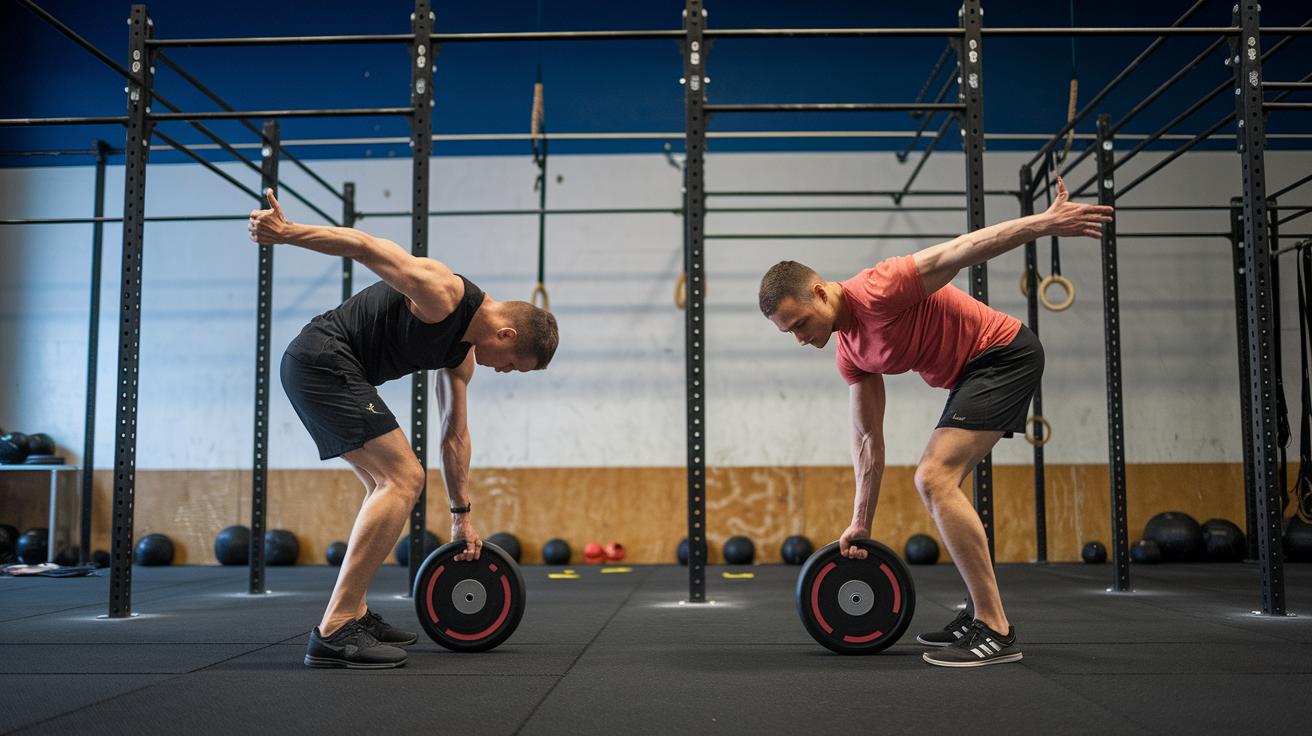
When you add advanced drills to your routine, you boost your agility and get ready for mission-critical tasks. These exercises go well beyond simple stretches. They work your muscles in dynamic ways that help prepare you for anything that comes your way.
- Lower Body Spin-Up: Every 30 seconds, switch sides to keep your hips balanced and your lower body equally flexible. Think of it like turning quickly during a high-pressure operation.
- Dynamic PNF Holds: Work with a partner on these drills. With dynamic proprioceptive neuromuscular facilitation holds (a method that helps you stretch while engaging your muscles), your partner gives gentle resistance so you can push your stretch a bit further. This builds both strength and precision.
- Loaded Active Stretches: Try using light resistance bands as you stretch. Adding a bit of extra load not only activates key muscles but also mimics the pressure you might feel during active combat.
- Integration into Combat Scenarios: Mix movement flows into your practice drills. For instance, use patterns that simulate navigating obstacles under fire. This not only boosts your coordination but also readies your body for unexpected challenges.
Stick with these drills every day. Each repetition improves your range of motion and fine-tunes your muscle coordination, key components when every move matters on the field.
Measuring Progress in Soldier Flexibility Training Exercises

Keeping track of your flexibility gains is like checking your mission readiness before heading out. Using standard tests and digital data, you can fine-tune your routine based on clear, measurable results. One key test is the sit-and-reach. Every week, you note your scores to see how your hamstrings and lower back are improving. It’s a simple way to gauge your dynamic stretching progress.
Another handy tool is the joint-angle measurement. With a goniometer (a tool used to measure angles), you can see how far your hips and shoulders stretch. These readings help you spot improvements and highlight any limits during your quick joint drills.
Digital tracking also plays a big role. The Virtual Mobility Coach app logs your data every four weeks, showing exactly where your range of motion has grown. That way, you know which part of your agility training to target next.
Lastly, periodic functional movement screening (check out this link for more details) helps uncover any movement restrictions. This data confirms what’s working and points out areas that need extra attention in your operational stretching sessions.
Final Words
In the action, this article covered dynamic versus static stretching, detailed essential drills, and outlined a weekly plan for mobility. It also stressed safety tips and modifications for different fitness levels while highlighting advanced techniques and progress tracking. Each section aimed to boost both physical and mental readiness for service. Remember, consistent practice of soldier flexibility training exercises builds the strength and confidence needed for any mission ahead. Keep pushing yourself, stay focused, and march toward a stronger tomorrow.
FAQ
What do free soldier flexibility training exercises involve?
The free soldier flexibility training exercises offer PDF guides and YouTube videos that outline dynamic warmup drills and step-by-step routines designed to ready your body for action without any cost.
What do soldier flexibility training exercises for beginners include?
The soldier flexibility training exercises for beginners focus on simple dynamic stretches and controlled movements that help build strength and confidence while preparing you for tougher routines.
What do the army stretches comprise and how are they sequenced?
The army stretches comprise a series of guided drills done after workouts, following a set order that targets major muscle groups to boost flexibility, improve recovery, and reduce stiffness.
What are the five exercises of CD1?
The five exercises of CD1 include dynamic movements such as lunges, high kicks, arm circles, torso rotations, and leg swings, each designed to activate key muscle groups for enhanced readiness.
What is David Goggins’ stretching routine?
David Goggins’ stretching routine involves rigorous dynamic stretches that mix mobility, strength, and endurance drills, all aimed at priming the muscles for intense physical challenges.
What does a 20-minute daily stretching session achieve?
A 20-minute daily stretching session can markedly improve flexibility and reduce muscle tightness when combining dynamic and static stretches and staying consistent with your routine.