
Have you ever felt like your workout might be missing that extra spark? This soldier-style HIIT routine mirrors the quick bursts of energy you need during a tough mission. It runs like a well-planned drill, with set work and rest intervals to keep you on track.
Each round pushes your body to build muscle and boost endurance. You can almost feel the surge of strength with every interval, sharpening your fitness just when it counts. Let’s get moving with a routine that drives you toward peak performance, one drill at a time.
Comprehensive Soldier HIIT Workout Plan

A good HIIT circuit is essential for keeping our fitness sharp. It mimics those sudden bursts of energy you need on the field. Every second counts. This planned circuit boosts your strength, builds muscle, and increases endurance, all in one go. Think of it like running a timed drill: every movement and rest period is set up with precision, just like in an actual mission.
| Exercise | Work | Rest | Rounds |
|---|---|---|---|
| Burpees | 40s | 20s | 5 |
| Push-Ups | 40s | 20s | 5 |
| Squat Thrusters | 40s | 20s | 5 |
| Kettlebell Swings | 40s | 20s | 5 |
| Mountain Climbers | 40s | 20s | 5 |
| Plank Jacks | 40s | 20s | 5 |
You can adjust how tough this workout is based on how you're feeling that day. If you're ready to push harder, extend your work time a few extra seconds or slightly shorten your rest to simulate tougher field conditions. But if you get tired too soon, take a bit longer to recover so you can keep your form sharp and safe through all your rounds. This routine is adaptable, like adjusting your strategy on the field, so you can find the right mix to build your strength and endurance every time.
Core Principles of Tactical Interval Training for Soldiers
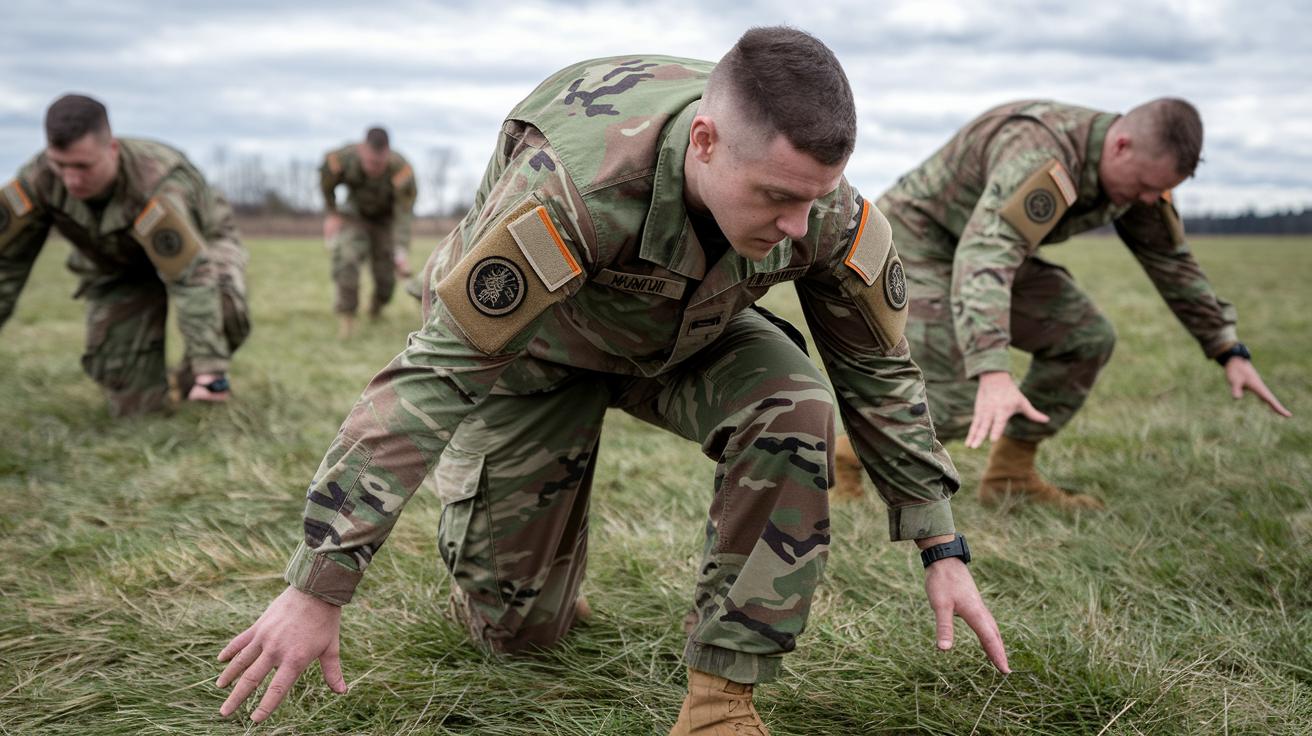
Tactical interval training pushes your performance by mixing high-intensity drills with quick recovery breaks. One unit, for example, went all out for 40 seconds and then took a 20-second pause, mimicking the fast shifts you face in combat. This method not only builds your physical strength but also sharpens your mind for rapid, real-life challenges.
- Work-rest ratios: Try using intervals like 40 seconds of intense work followed by 20 seconds of rest. It’s a great way to simulate the rapid changes you’d encounter during field maneuvers.
- Exercise selection: Pick drills that feel like real combat tasks. For instance, you can pair sprinting with weighted carries to mirror the quick, heavy movements often required on a mission.
- Progressive overload: Gradually increase the intensity or length of your drills. Just like in the field, you adapt to tougher challenges by steadily pushing your own limits.
- Time efficiency: Keep your sessions short but focused. Even a 10-minute drill can capture the urgency and intensity of an actual mission.
- Metabolic challenge: Alternate bursts of force with brief recoveries to fire up both your aerobic (using oxygen for energy) and anaerobic (short, high-power efforts) systems.
- Recovery emphasis: Stick to short rest periods so you maintain your peak output while still giving your body a quick chance to reset.
In truth, blending these elements together not only boosts your rapid response and physical strength, but it also builds the mental grit critical for any mission.
Key Soldier HIIT Exercises and Drill Variations

Burpee Variations
Standard burpees work your chest, legs, and core while building explosive power across your body. If you need an easier option, try a half-burpee instead. Imagine dropping into a quick squat and then launching into a jump, it fires up several muscle groups at once.
Ruck March Intervals
Ruck marches really test your endurance, especially when you add a weighted vest. Try a work-to-rest cycle, such as 40 seconds of hard marching over mixed terrain followed by 20 seconds to recover. Picture yourself moving over rough ground with extra weight on your back, much like the real conditions you might face.
Thrusters and Squat-Press Combos
This drill mixes lower-body strength with upper-body power. Grab a barbell or dumbbells, perform a squat, then push the weight overhead using a forceful hip drive. It’s like launching into a sprint, engaging your legs, shoulders, and core with every move.
Plank-to-Push-Up Transitions
These transitions boost core stability and build upper-body endurance. Start in a plank position, then shift into a push-up to work your chest, triceps, and abs. If full push-ups are too challenging at first, try them on your knees and work your way up to full push-ups for better body control.
Structuring Your Soldier HIIT Routine for Maximum Stamina

Planning your weekly workout is a lot like mapping out a mission. Every day has a specific role, and mixing strength drills with HIIT (high-intensity interval training, which means short, hard bursts of effort) keeps your body ready for anything. By working on your lower-body, upper-body, and full-body skills, you train for the different challenges you might face out in the field. This balanced plan not only builds your power but also gives you that extra stamina for quick, intense bursts.
Think about setting up your week like this: Start Monday with a circuit that focuses on explosive leg moves. On Tuesday, work on your upper body to boost your push and pull strength. Come Wednesday, mix it up with a HIIT session to get your heart racing. Then, take Thursday to rest and let your muscles rebuild. Friday can be a combo day, mixing strength and cardio exercises for overall conditioning. And even if you train daily during tough periods, a planned light day here and there helps you progress without burning out.
Remember, recovery is just as important as pushing hard. Scheduling simple mobility drills, stretches, or foam rolling sessions keeps your body fresh and ready for the next challenge. This way, you maintain steady gains while staying battle-ready.
Customizing Your Soldier HIIT Workout for All Levels

Adjusting your soldier HIIT workout lets every service member build the strength and stamina needed for their current training demands. Whether you’re just starting out or ready to push your limits, small changes in your routine can make a world of difference. Tweaking your drills helps you keep good form while you steadily ramp up your workload as you get stronger.
Beginner Modifications
For those just getting started, it’s best to lighten the load. Instead of full push-ups, try doing them on your knees to ease the pressure on your arms and chest. Use lighter weights for thrusters so you can focus on finding the right motion rather than struggling with heavy gear. You might also practice body-weight ruck drills, imagining you’re carrying a load without the extra weight, to build your confidence with these movements. And if a 20-second rest feels too short, extend it a bit until you’re ready for shorter breaks.
Advanced Progressions
When you’re ready to step things up, increase your intensity gradually. Consider adding a weighted vest during ruck marches or trying plyometric push-ups to really challenge your muscles. Swap light-weight thrusters for barbell thrusters to add extra resistance and push your limits further. Experiment with interval formats like Tabata (20 seconds on, 10 seconds off) to mimic the quick recoveries you need in the field. These tweaks help integrate more complex moves and boost your overall power while keeping your workout flexible for tougher training demands.
Nutrition and Recovery Essentials for Soldier HIIT Workouts
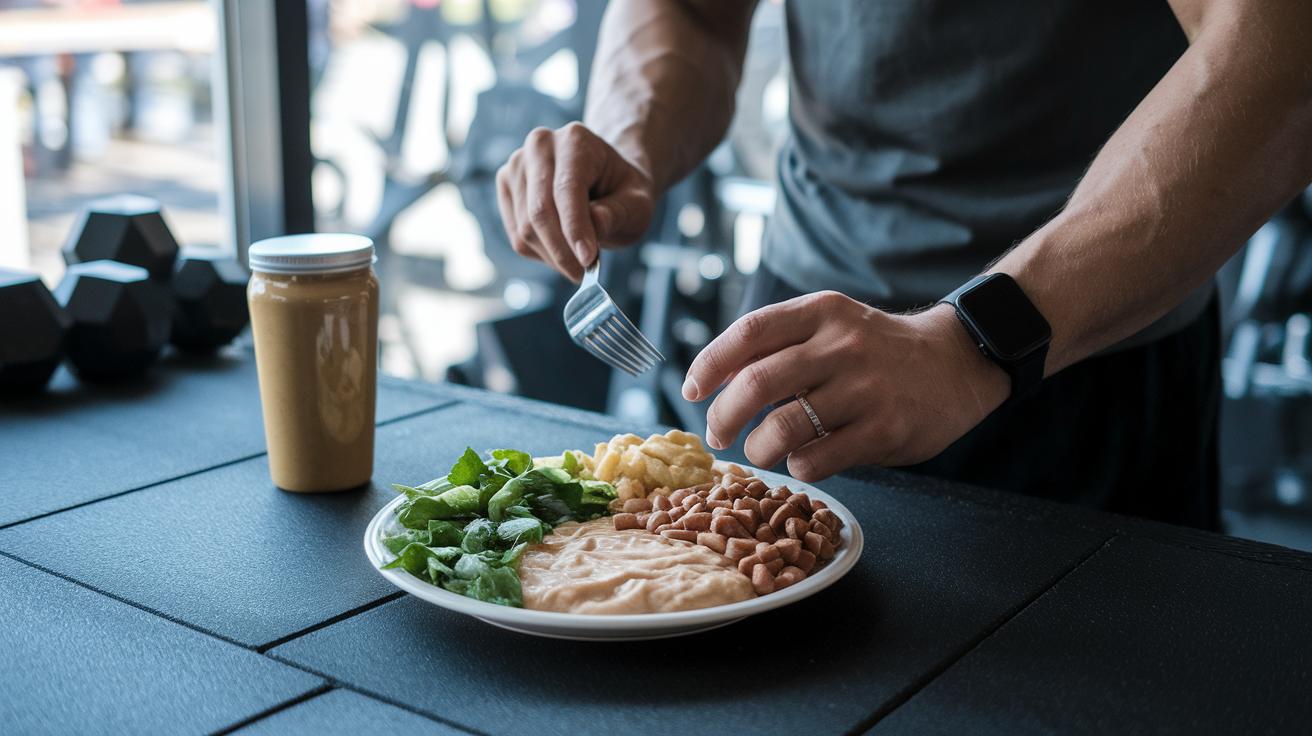
Fueling your body is a must for intense workouts. Start with balanced macros. Aim for 1.2 to 1.6 grams of protein per kilogram of body weight to rebuild your muscles, add complex carbs for a steady supply of energy, and include healthy fats to keep those joints running smoothly. Eating protein-rich food right after your HIIT session jumpstarts muscle recovery. Pair it with slow-burning carbs to keep you mission-ready for your next drill. Think of planning your meals like scheduling a mission: you time your fuel so you can give it your all.
Active recovery is just as crucial as your workout. Work in routines like foam rolling and mobility drills (exercises that improve how your body moves) to ward off stiffness and boost blood flow. Give yourself at least 48 hours between high-intensity sessions so your body can fully adapt and recuperate. Set aside specific days each week for lighter activities or stretching, like a cool-down debrief after a tough drill. This plan not only builds your physical strength but also keeps you primed for the next demanding session.
Operational Benefits of Soldier HIIT Workouts
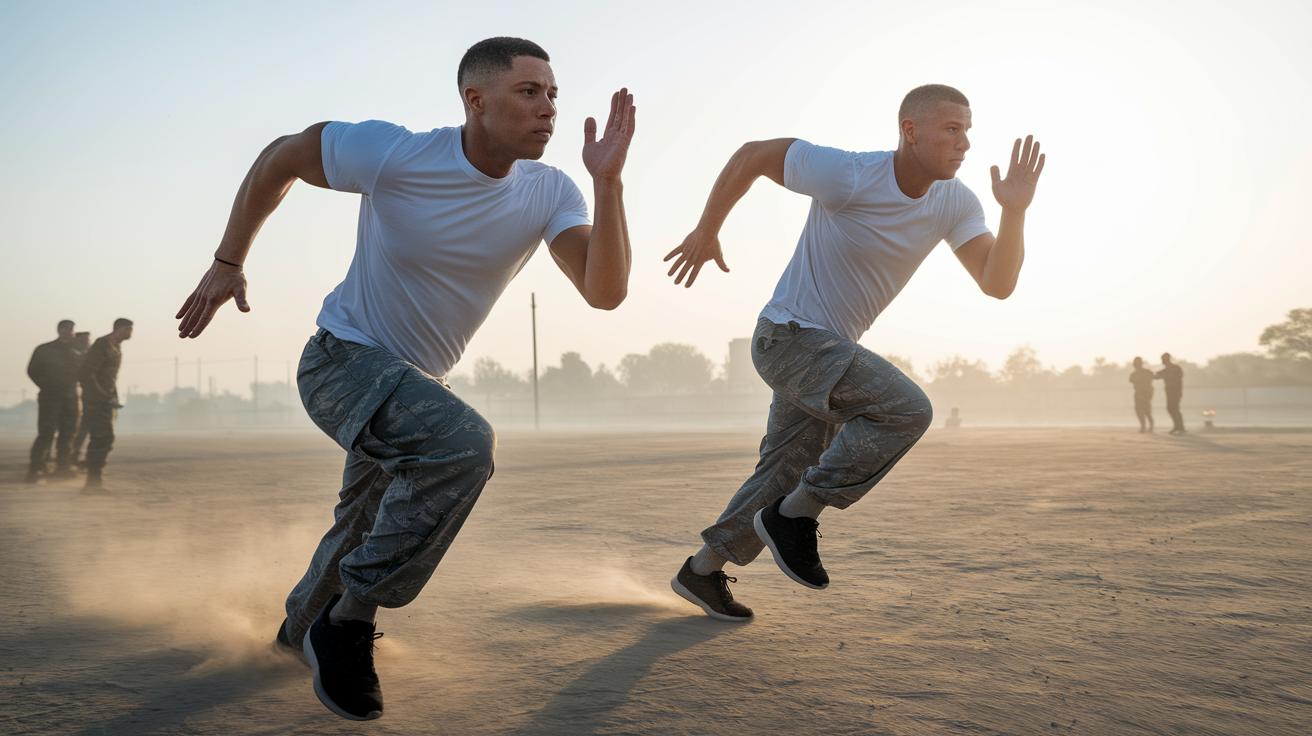
HIIT workouts for soldiers push your limits and boost performance fast. They help you use oxygen more effectively (VO2 max) and build the stamina you need for tough missions. These sessions are all about short, strong bursts of activity that not only build strength but also speed up your recovery and increase endurance. Imagine going through a drill where every move counts, this workout trains your muscles to act quickly and powerfully when it matters most.
These workouts also sharpen your mental toughness and build a strong team spirit. When you train with your comrades in group circuits, you develop personal discipline and a sense of teamwork. Think of it like running a well-practiced maneuver; every soldier’s effort adds to the team’s readiness for action. That strong bond under pressure truly makes a difference on the field.
Compared to long, steady workouts, HIIT brings noticeable improvements in power and aerobic capacity in less time. This method beats out drawn-out cardio routines by focusing on short, intense bursts. The result is an efficient workout that builds high energy and lasting strength, getting you ready for the varied challenges of military operations.
Final Words
In the action, this article broke down our soldier HIIT workout plan, offering clear steps like work-rest ratios, exercise modifications, and tactical tips. The guide covered key drills, nutrition basics, and recovery strategies that build endurance and mental toughness. Each section aimed to boost real-world performance and operational readiness. Practice your soldier HIIT workout with confidence and keep pushing yourself forward. Your commitment brings you closer to a fitter, sharper future on and off the field.
FAQ
Soldier hiit workout for beginners
The soldier hiit workout for beginners uses simpler versions of exercises like knee push-ups and body-weight drills so you can build strength and skill step by step, keeping your training safe and effective.
What is the 45 minute HIIT workout by Growingannanas?
The 45 minute HIIT workout by Growingannanas mixes bursts of cardio and strength moves for a balanced circuit that mirrors military training, helping you stay engaged and build endurance quickly.
How does a 45 minute HIIT workout with weights boost your training?
A 45 minute HIIT workout with weights combines strength actions with cardio intervals, efficiently building muscle power and endurance so you improve your overall fitness while saving time.
What does Growingannanas MILITARY MONDAY HIIT involve?
Growingannanas MILITARY MONDAY HIIT features drills that mimic soldier training by mixing strength-based moves with cardio bursts, enhancing physical readiness and boosting stamina.
What makes a 45 MIN intense HIIT workout effective?
A 45 minute intense HIIT workout pushes your limits with fast-paced intervals and short rests, helping develop endurance and strength while building mental toughness for demanding tasks.
How many calories are burned during a 45 minute HIIT workout?
A 45 minute HIIT session typically burns a high number of calories compared to routine steady exercises, making it a time-efficient way to shed fat and improve overall cardiovascular health.
What are the benefits of a 45 min HIIT no equipment workout?
A 45 minute HIIT no equipment workout relies on body weight and dynamic moves, offering an accessible and adaptable routine that boosts strength, endurance, and fitness without needing extra gear.